
Daylight Saving Time: What the Evidence Shows
What studies show about sleep loss, heart attacks, road crashes and errors after the clocks change, why countries disagree, and the fight over permanent time.
What the research actually measured about the risks people face, and where the usual advice gets it wrong.
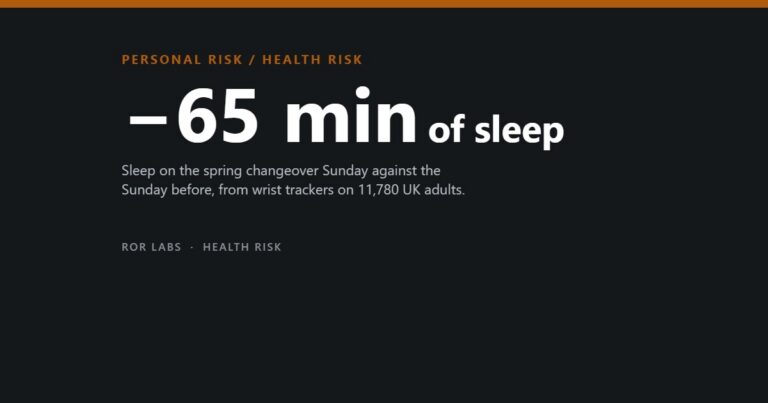
What studies show about sleep loss, heart attacks, road crashes and errors after the clocks change, why countries disagree, and the fight over permanent time.
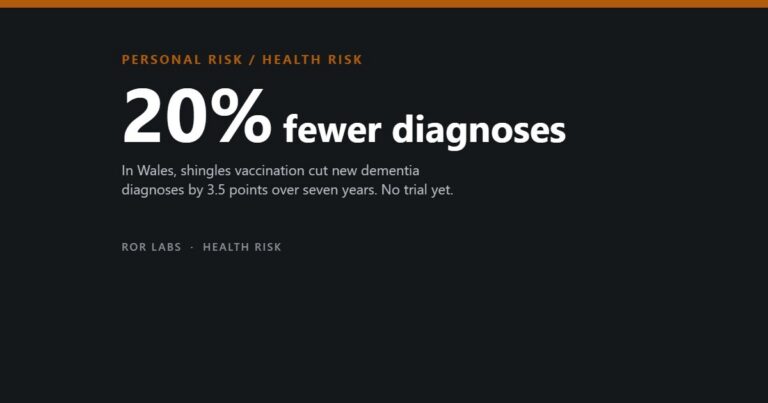
Natural experiments in Wales, Australia and Canada linked shingles vaccination to fewer dementia diagnoses. What they found, and why the size is disputed.
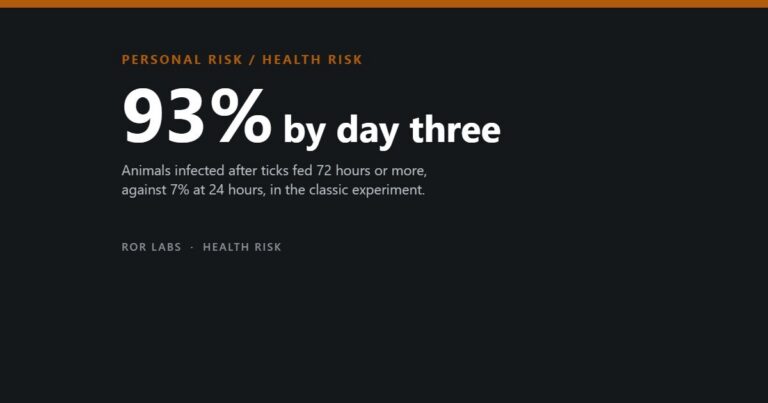
How long a tick must be attached, what works after a bite, why US case counts jumped, and what trials of longer antibiotics and a new vaccine found.
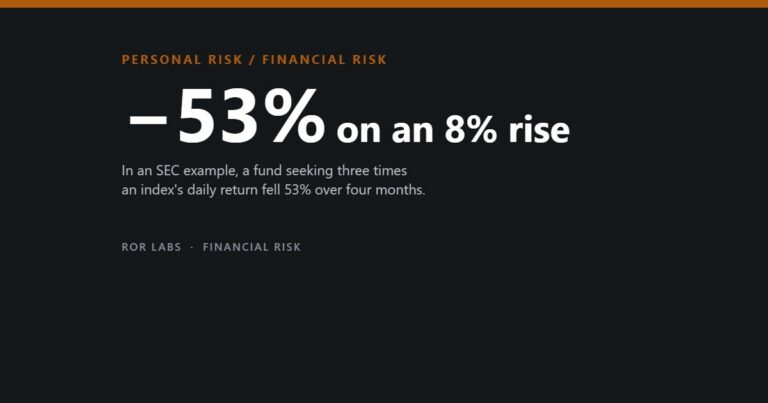
How the daily reset makes leveraged ETFs drift from their multiple, what studies of real investors found, the case for them, and the new SEC and Korean rules.
Cricket injury rates by role, the workload patterns behind fast bowlers’ back stress fractures, helmet and neck-guard rules, and why the evidence says play carefully.
Vitamin K food sources by the spoonful, why natto’s K2 is missing from food tables, the newborn injection and refusal data, and what trials found for bones.
US and Canadian water mains broke 11.1 times per 100 miles in 2023, and cast iron breaks ten times as often as PVC. What research shows about why pipes fail, health risks after a break, and the cost of fixing them.
In South Korea, damaged sewer pipes caused 46% of ground collapses between 2019 and 2023. What research shows about natural and urban sinkholes, who pays, and what detection can do.
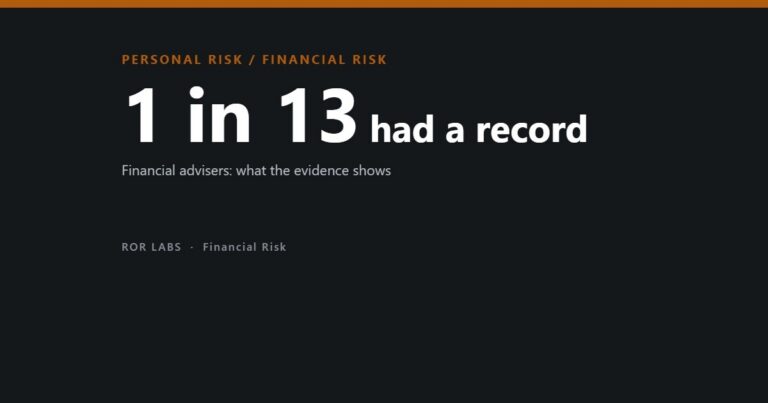
About one US adviser in 13 has a misconduct record, and many keep working. What research shows about adviser misconduct, conflicts, fees and when advice still helps.
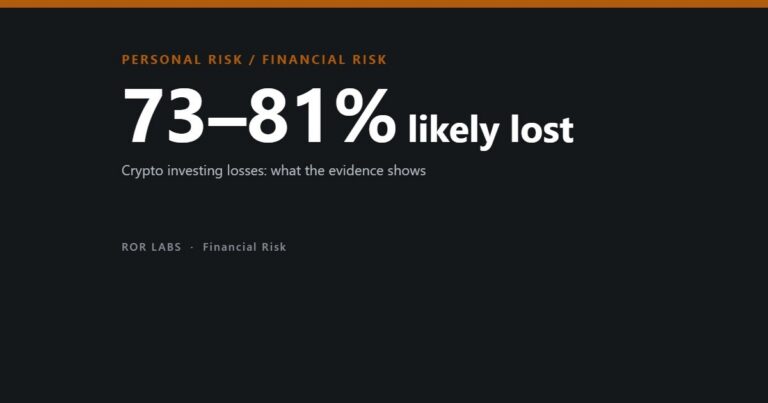
A BIS study estimated that 73% to 81% of retail bitcoin investors had likely lost money on their first purchase. What the evidence shows about timing, failed coins, fraud and leverage, and what it cannot show.