
Trend summary
- Dengue hit a record in 2024: 6,484,890 probable cases and 5,972 deaths. Cases have since fallen sharply, to about 470,500 by late September 2026.
- Tuberculosis is getting deadlier. Deaths reached 6,376 in 2024, the highest in the Ministry of Health series, even as new cases dipped to 84,368 in 2025.
- Measles came back and was pushed out again. Brazil lost its elimination status in 2019 and was recertified by PAHO in November 2024. In 2026 it has had 52 imported cases.
- Vaccines are the big new tool. Qdenga entered the SUS in 2023, and Butantan’s single-dose vaccine was registered in December 2025, then paused in June 2026 for a safety review.
What the numbers show
Dengue is the headline number. In 2024 Brazil logged 6,484,890 probable cases and 5,972 deaths, with 908 more deaths still under investigation, an incidence of 3,193.5 per 100,000 people. São Paulo state alone had 2,182,875 cases (Agência Brasil). The record for deaths had only just been set: 1,079 in 2023, against 1,053 in 2022 (Agência Brasil). For scale, 2013 had 1.3 million cases and 2015 passed 1 million by the end of May (Senate News Agency). Cases then fell to 1.7 million in 2025 (Agência Brasil) and to 470,500 probable cases by 26 September 2026, about 70% down on a year earlier (Agência Brasil).
Other diseases tell different stories. Tuberculosis had 84,368 new cases in 2025 (39.5 per 100,000), but deaths rose to 6,376 in 2024, up from about 4,500 a year in 2014–2020 (Ministry of Health). COVID-19 killed 700,000 people by March 2023 (Agência Brasil). The 2016–17 yellow fever outbreak caused 777 confirmed cases and 261 deaths (Agência Brasil), and the next season was worse: 1,098 cases and 340 deaths by 20 March 2018 (Agência Brasil). Measles reached 10,274 confirmed cases in 2018 (Agência Brasil). In 2009 the new H1N1 flu had killed 192 people by mid-August (Chamber of Deputies). Malaria in 2025 was at its lowest since 1979, with deaths down from 54 to 39 (Agência Brasil).
What is driving it
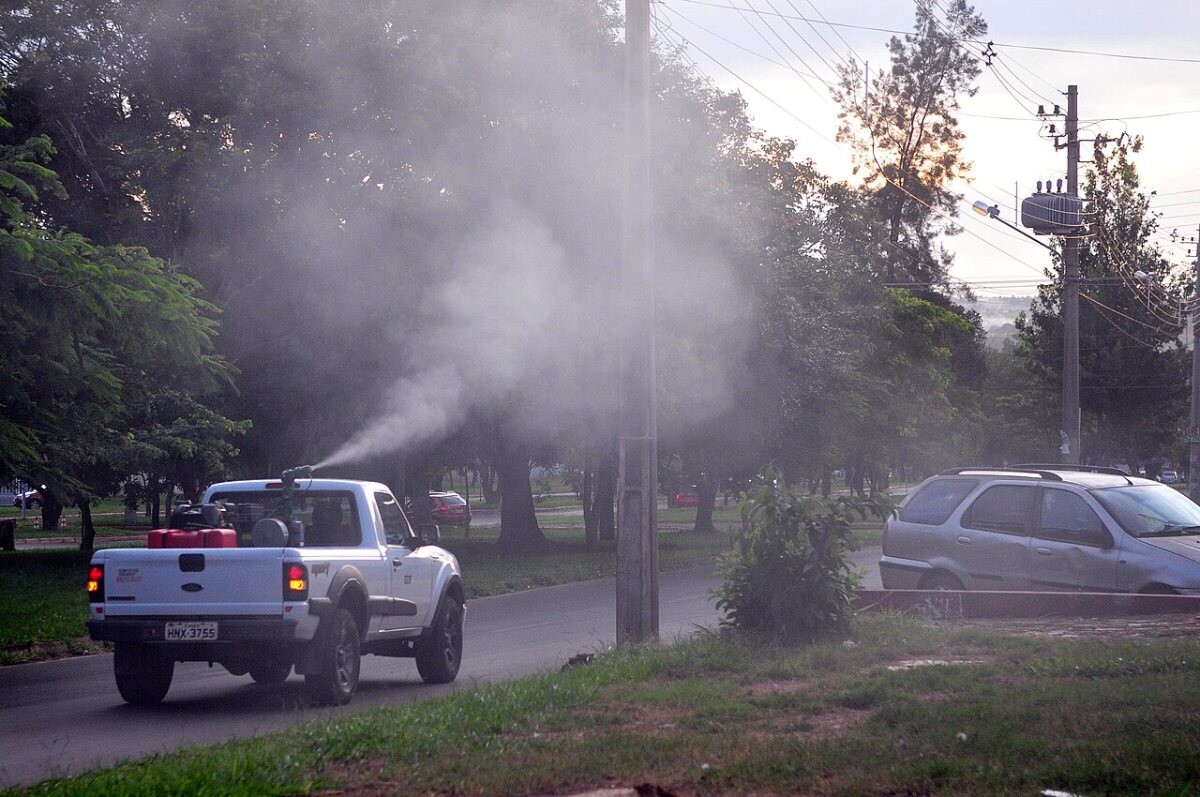
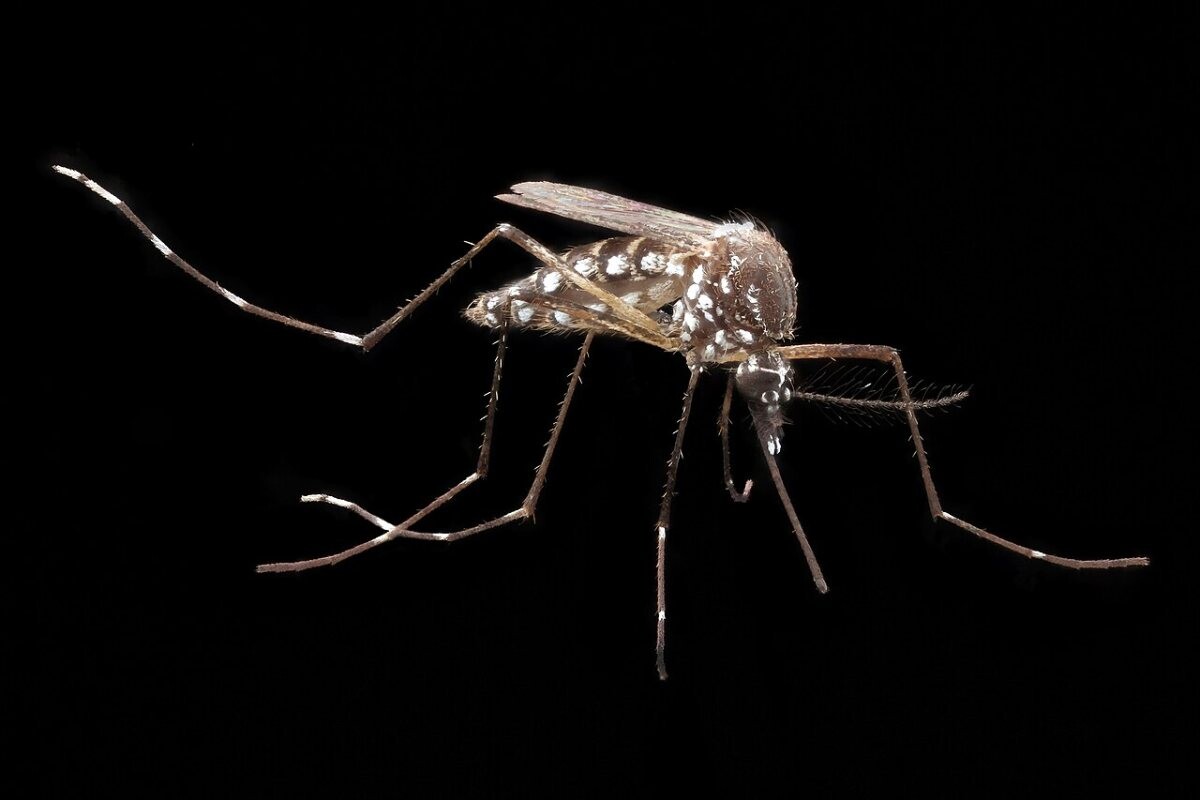
Mosquitoes drive most of the swings. Aedes aegypti carries dengue, chikungunya and Zika, and in 2026 almost half (49.2%) of the 3,732 municipalities that reported survey data were at alert or risk levels. Most breeding sites were small household containers, water tanks, tyres and rubbish (Agência Brasil). Chikungunya first spread locally in September 2014 (Agência Brasil), and Oropouche, a different virus, had reached 7,653 cases in 2024 by mid-August, with two deaths in Bahia and suspected harm to babies in the womb (Agência Brasil).
Vaccination gaps explain the measles story. Brazil lost its certificate in 2019 after a surge of more than 20,000 cases and won it back in November 2024. First-dose MMR coverage was 93.10% in 2025 (Ministry of Health). For tuberculosis, HIV is a growing factor: 14.0% of new cases in 2025 also had HIV, the highest share on record (Ministry of Health).
Recent cases
- 8 October 2026: The second national Aedes aegypti survey of the year found 49.2% of 3,732 municipalities at alert or risk levels. Probable dengue cases were 470,500 up to 26 September, against 1.5 million a year earlier, and chikungunya fell from 118,885 to about 67,900 (Agência Brasil).
- 6 October 2026: The Ministry of Health stepped up measles action after a US outbreak. Brazil had 52 imported cases in 2026 (41 in São Paulo, 10 in Amazonas, 1 in Rio de Janeiro) but remains free of endemic spread (Ministry of Health).
- 8 June 2026: The ministry suspended Butantan’s dengue vaccine as a precaution. Just over 500,000 doses had been given; 42 people had warning signs, three were hospitalised and two died. A link to the vaccine was not established, and Qdenga use continued (Agência Brasil).
Press releases and official reports, 2023–2026
Five key releases a year for the last four years, newest first. Most come from federal ministries and agencies such as the Ministry of Health, INPE, the Federal Highway Police, CENIPA and the Central Bank, from Agência Brasil, the public news agency, and from the Senate and Chamber news services and state governments; a few news reports are included where they are the clearest public record of an event. Headlines are our English translations of the Portuguese originals. Releases from 2007–2022 are in the expandable list after 2023.
2026
- 8 Oct 2026Agência BrasilAedes aegypti: almost half of municipalities are on alert or at risk
- 6 Oct 2026Ministry of HealthBrazil steps up measles action amid US outbreak and spread of the disease in the Americas
- 23 Jun 2026Ministry of HealthTuberculosis Epidemiological Bulletin, special issue, March 2026
- 8 Jun 2026Agência BrasilMinistry of Health suspends Butantan dengue vaccine
- 15 Apr 2026Agência BrasilDengue cases in Brazil fall 75% in 2026
2025
- 19 Dec 2025Agência BrasilMinister signs contract to buy Butantan dengue vaccine
- 8 Dec 2025Agência BrasilAnvisa publishes registration of Butantan dengue vaccine
- 25 Jul 2025Agência BrasilMinistry of Health confirms nine measles cases in Tocantins
- 15 Apr 2025Ministry of HealthTuberculosis Epidemiological Bulletin, special issue, March 2025
- 3 Jan 2025Agência BrasilDengue cases in 2024 exceed 6.4 million; deaths total 5,900
2024
- 4 Dec 2024Agência BrasilBrazil has more than 6.5 million probable dengue cases this year
- 16 Aug 2024Agência BrasilOnly five states have yet to report Oropouche cases
- 9 Aug 2024Agência BrasilMinistry of Health records congenital anomaly in baby linked to Oropouche
- 9 Apr 2024Ministry of HealthTuberculosis Epidemiological Bulletin, special issue, March 2024
- 1 Feb 2024Agência BrasilMinistry of Health announces emergency centre to contain dengue epidemic
2023
- 27 Dec 2023Agência BrasilBrazil sets record for dengue deaths in 2023
- 21 Dec 2023Agência BrasilMinistry of Health adds dengue vaccine to the SUS
- 28 Mar 2023Agência BrasilBrazil reaches 700,000 COVID-19 deaths
- 24 Mar 2023Ministry of HealthTuberculosis Epidemiological Bulletin, special issue, March 2023
- 2 Mar 2023Agência BrasilAnvisa approves new dengue vaccine
View 20 years of major Brazilian infectious disease press releases (2007–2026)80 more from 2007–2022, five a year, newest first
2022
- 16 Dec 2022Agência BrasilButantan dengue vaccine reaches 79.6% efficacy
- 24 Mar 2022Ministry of HealthTuberculosis Epidemiological Bulletin, special issue, March 2022
- 15 Mar 2022Agência BrasilSurvey: 31% of Brazilians think dengue went away during the pandemic
- 3 Mar 2022Agência BrasilCOVID-19: Brazil passes 650,000 deaths
- 21 Jan 2022Agência BrasilFiocruz flags dengue hotspots in Brazil
2021
- 16 Dec 2021Agência BrasilChikungunya cases rise and dengue cases fall in 2021, says ministry
- 6 Nov 2021Ministry of HealthSpecial Epidemiological Bulletin: Malaria 2021
- 19 Jun 2021Agência BrasilBrazil records more than 500,000 COVID-19 deaths
- 24 Mar 2021Ministry of HealthTuberculosis Epidemiological Bulletin, special issue 2021
- 7 Jan 2021Agência BrasilCOVID-19: Brazil reaches 200,000 deaths
2020
- 3 Dec 2020Ministry of HealthSpecial Bulletin: Malaria, 2020
- 8 Aug 2020Agência BrasilBrazil records more than 100,000 COVID-19 deaths
- 22 Jun 2020Agência BrasilFiocruz resumes project with dengue-blocking mosquitoes
- 10 Mar 2020Ministry of HealthSpecial Epidemiological Bulletin: Tuberculosis 2020
- 5 Feb 2020Senate News AgencySenate confirms lifetime pension for children affected by Zika virus
2019
- 4 Sep 2019Agência BrasilMinistry confirms 2,753 measles cases, 98% in São Paulo
- 28 Aug 2019Agência BrasilSão Paulo records first measles death this year
- 25 Mar 2019Agência BrasilDengue cases up 264% in Brazil, with 229,000 patients this year
- 19 Mar 2019Agência BrasilBrazil will lose measles-free status after case in Pará
- 10 Jan 2019Agência BrasilBrazil has 10,274 confirmed measles cases
2018
- 23 Nov 2018Agência BrasilBrazil has 9,898 confirmed measles cases this year
- 10 Oct 2018Agência BrasilBrazil has 2,044 confirmed measles cases
- 30 Sep 2018Agência BrasilBrazil could lose measles elimination certificate, PAHO warns
- 21 Mar 2018Agência BrasilNew bulletin confirms 1,098 yellow fever cases in Brazil, with 340 deaths
- 6 Mar 2018Senate News AgencyYellow fever outbreak challenges epidemic surveillance
2017
- 28 Nov 2017Agência BrasilMore than 1,100 cities on alert for dengue, Zika and chikungunya
- 6 Sep 2017Agência BrasilMinistry of Health declares end of yellow fever outbreak in Brazil
- 24 Jul 2017Agência BrasilCeará faces chikungunya epidemic with almost 60,000 confirmed cases
- 22 May 2017Agência BrasilFiocruz replaces 90% of Aedes aegypti with modified mosquitoes in pilot project
- 3 Jan 2017Agência BrasilBrazil could have a dengue vaccine in 2019
2016
- 26 Dec 2016Agência BrasilFighting Aedes aegypti is Brazilian health's biggest challenge, says minister
- 5 Apr 2016Agência BrasilBrazil has already recorded 444 severe cases and 71 deaths from H1N1
- 10 Mar 2016Agência BrasilFiocruz to receive R$10 million from Ministry of Health for research against Aedes aegypti
- 12 Feb 2016Agência BrasilDengue cases up 48% nationwide in January
- 1 Feb 2016Agência BrasilAedes: provisional measure allows forced entry by health agents into abandoned properties
2015
- 24 Nov 2015Agência BrasilMinistry of Health records 1.5 million dengue cases in Brazil in 2015
- 17 Nov 2015FiocruzFiocruz identifies Zika virus in two microcephaly cases
- 8 Oct 2015Agência BrasilCTNBio approves commercial release of Sanofi Pasteur dengue vaccine
- 10 Jun 2015Senate News AgencyHealth minister does not expect a viable dengue vaccine in 2016
- 7 Feb 2015Agência BrasilDengue cases rise in 2015 and deaths fall
2014
- 29 Oct 2014Agência BrasilBrazil records 789 chikungunya cases, says Ministry of Health
- 16 Sep 2014Agência BrasilBrazil has first chikungunya cases transmitted within the country
- 28 Apr 2014Agência BrasilDengue vaccine trial shows 56% reduction in cases
- 23 Apr 2014Agência BrasilDengue deaths fall 87% in first quarter
- 14 Apr 2014Agência BrasilCampinas asks National Force for help fighting dengue
2013
- 13 May 2013Senate News AgencyDiscrimination against people with AIDS is the subject of a public hearing
- 15 Apr 2013Senate News AgencyVital do Rêgo warns of rising dengue cases in the country
- 26 Mar 2013Senate News AgencyPaulo Davim marks World Tuberculosis Day
- 28 Feb 2013Senate News AgencyJorge Viana reports taking part in movement for the reintegration of people with leprosy
- 25 Feb 2013Jornal do BrasilGovernment admits dengue epidemic in the country: 204,640 cases
2012
- 5 Nov 2012Senate News AgencyAcre's malaria control programme wins international recognition, says Anibal Diniz
- 11 Jul 2012Senate News AgencyAna Amélia demands action against H1N1 flu outbreak in Rio Grande do Sul
- 6 Jun 2012Senate News AgencyIncentive to vaccinate workers exposed to infectious disease risk is approved
- 2 May 2012Senate News AgencyEduardo Lopes warns of fifth dengue epidemic in Rio de Janeiro
- 29 Mar 2012Senate News AgencyPaulo Davim urges municipal authorities to work to prevent tuberculosis relapse
2011
- 5 Apr 2011Senate News AgencyDengue type 4 re-emerges in Brazil
- 18 Mar 2011Senate News AgencyVital do Rego warns of rise in dengue in Brazil
- 28 Feb 2011Senate News AgencyRandolfe denounces rise in number of dengue cases in Amapá
- 22 Feb 2011Senate News AgencyAmazonas is on dengue alert, says Vanessa Grazziotin
- 22 Feb 2011Senate News Agency'The problem is much more serious than people imagine', says Paulo Davim on dengue in the country
2010
- 5 Jul 2010Senate News AgencyPapaléo warns of the growth of dengue in Brazil
- 2 Apr 2010O Estado de S. PauloFlu vaccination for chronic patients, pregnant women and children is extended
- 2 Mar 2010Senate News AgencyPublic must take part in dengue control, says Augusto Botelho
- 24 Feb 2010Senate News AgencyBill establishing National Day to Fight Dengue is approved
- 19 Feb 2010Senate News AgencyAcir Gurgacz appeals to the Ministry of Health for measures to fight dengue in Rondônia
2009
- 26 Nov 2009Senate News AgencyDengue and H1N1 flu still worry health authorities
- 14 Aug 2009Senate News AgencySarney receives Felipe Calderón as Brazil and Mexico face swine flu
- 11 Aug 2009Chamber of Deputies News AgencyBrazil to start producing influenza A vaccine in October
- 12 May 2009Senate News AgencyTemporão speaks to Social Affairs Committee on swine flu
- 4 May 2009Chamber of Deputies News AgencyCommittees discuss preventive action against swine flu in Brazil
2008
- 17 Dec 2008Chamber of Deputies News AgencyDeputies back use of traps against dengue
- 6 May 2008Chamber of Deputies News AgencyDengue: no funds for a permanent campaign
- 2 May 2008Senate News AgencySocial Affairs Committee holds public hearing on dengue epidemic in Rio de Janeiro
- 1 Apr 2008Senate News AgencyExpert says insecurity hampers dengue control in Brazil
- 28 Mar 2008Senate News AgencySenate discusses control of dengue, yellow fever and malaria
2007
- 27 Nov 2007Chamber of Deputies News AgencyHearing on dengue outbreak in Brazil begins
- 8 Oct 2007Senate News AgencyPapaléo mourns dengue death of Amapá doctor
- 26 Jun 2007Senate News AgencyExperts warn of seriousness of the dengue situation in the country
- 17 May 2007Senate News AgencyGilvam asks government for help fighting dengue epidemic in Amapá
- 7 Mar 2007Senate News AgencyVálter Pereira says dengue is already a public calamity in Mato Grosso do Sul
Photo list

How this page is built. Figures come from the official statistical releases linked above; where agencies publish provisional numbers we say so, because they are revised. Brazil’s national death data come from the Ministry of Health mortality system (SIM/DATASUS) and are usually final about two years later, and some topics, such as fires, have no single national count, so we say which year and source each figure covers. Money is given in reais (R$). Headlines and quotes are our translations from Portuguese. Photos are public-domain or Creative Commons images credited in each caption; file photos are illustrative and are not from the events described unless the caption says so. This page tracks trends and is not personal safety, medical, legal or financial advice.