

Trend summary
- Police across Brazil recorded 2,261,055 fraud (estelionato) cases in 2025, up 2.7% on 2024 and 429.8% above 2018, the first year of the series.
- Cases recorded as purely electronic fraud rose about 20% in a year, to roughly 347,000. Many states still do not separate them, so the true share is higher.
- In a March 2026 survey, 15.8% of people aged 16+ (about 26.3 million) said they had been scammed or lost money online or by phone in the past year.
- The Central Bank has tightened Pix step by step: night limits (2021), the MED refund mechanism (2021), device limits (2024), MED 2.0 money tracing (2026) and an 80-day dispute window (Sept 2026).
What the numbers show
The Anuário Brasileiro de Segurança Pública, published each July by the Fórum Brasileiro de Segurança Pública, counts fraud as police records of estelionato (Penal Code art. 171). The 2026 edition counted 2,261,055 cases in 2025, about 258 an hour, or 1,059.4 per 100,000 people. That is up 2.7% on 2024 and 429.8% on 2018 (FBSP infographic; Brasil 61). The year before, police logged about 2.17 million cases, up 7.8% from about 1.9 million in 2023 (Senate Radio). São Paulo (1,808 per 100,000) and the Federal District (1,717) have the highest rates. Only seven states are above 1,000.
Cases recorded as exclusively electronic fraud rose from about 286,000 to 347,000 between 2024 and 2025 (Revista Oeste, citing FBSP). Banks see the same trend. FEBRABAN members logged 174,000 fake-sale scams in the first half of 2025, up 314% year on year, and 139,000 fake bank-employee or fake call-centre scams, up 195.7%. WhatsApp scams fell 9.9% to 73,000 (FEBRABAN). Pix is the main channel. It handled 79.8 billion transactions worth R$35.3 trillion in 2025, used by 148 million people (Central Bank Pix report).
What is driving it
Most of today’s fraud is social engineering, not hacking. A credit-data firm counted over 9 million fraud indicators in the first half of 2026. About 40% involved social engineering, 78% came through a mobile phone and 85% were paid by Pix (Agência Brasil). Mule accounts move stolen money on fast, so the Central Bank’s MED 2.0 now traces funds across accounts and can block suspicious amounts for up to 11 days (Agência Brasil). Lei 14.155/2021 raised penalties for electronic fraud to 4–8 years in prison (Planalto). Even so, the FBSP says only 2.8% of cases reach the courts.
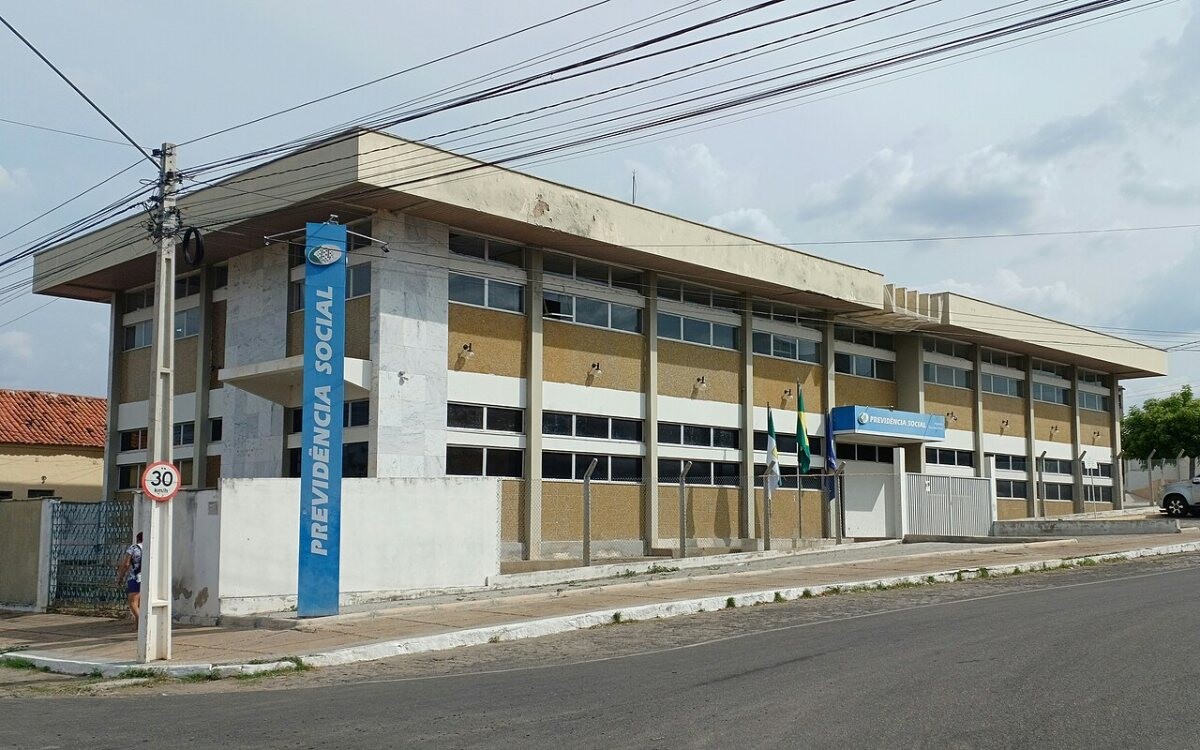
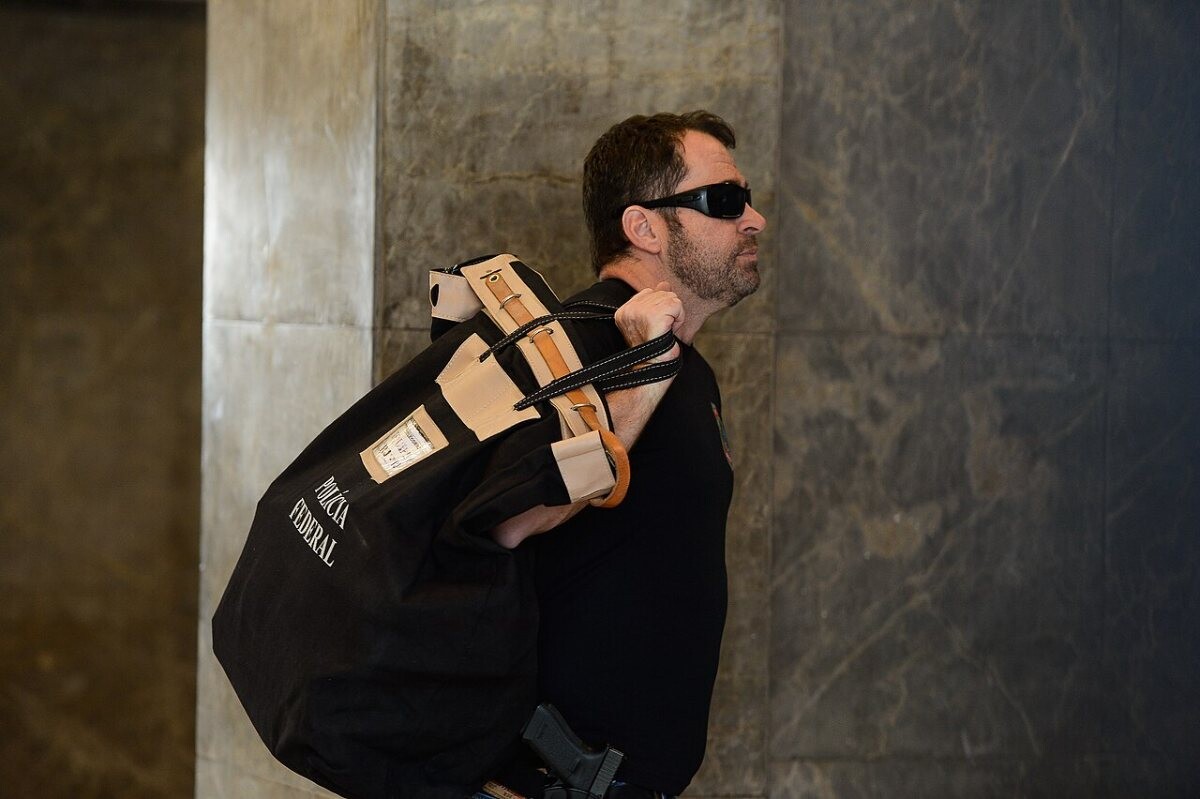
The other big story is fraud through official systems. In April 2025 the Federal Police and the CGU (Comptroller General) launched Operação Sem Desconto. It targeted associations that took membership fees straight from INSS pensions. Investigators estimate R$6.3 billion was deducted from 2019 to 2024, and about 1 million complaints arrived between January 2023 and May 2024 (Agência Brasil). By February 2026, 4.2 million beneficiaries had been refunded about R$2.9 billion (Senate Radio).
Recent cases
- 1 September 2026: The Central Bank extended the deadline to request or contest a Pix MED refund from 30 to 80 days, in part to stop scammers who abuse the refund system against small shops (Agência Brasil).
- 22 August 2026: A study by credit-data firm Quod found over 9 million fraud indicators in the first half of 2026, up 10.26% on the previous six months. About 3.1 million people were victims (Agência Brasil).
- 28 July 2026: The 2026 Public Security Yearbook reported 2,261,055 fraud records for 2025, about 258 an hour (Brasil 61).
Press releases and official reports, 2023–2026
Five key releases a year for the last four years, newest first. Most come from federal ministries and agencies such as the Ministry of Health, INPE, the Federal Highway Police, CENIPA and the Central Bank, from Agência Brasil, the public news agency, and from the Senate and Chamber news services and state governments; a few news reports are included where they are the clearest public record of an event. Headlines are our English translations of the Portuguese originals. Releases from 2007–2022 are in the expandable list after 2023.
2026
- 1 Sep 2026Agência BrasilNew Pix rule extends deadline to contest a scam
- Jul 2026Brazilian Public Security Forum (FBSP)Brazilian Public Security Yearbook 2026, 20th edition
- 27 May 2026Agência BrasilINSS: Federal Police and CGU investigate unauthorised deductions from pensioners
- 5 Feb 2026Senate RadioINSS president highlights refunds to 4 million retirees for improper deductions
- 2 Feb 2026Agência BrasilNew Pix security rules take effect; see the changes
2025
- 3 Dec 2025Agência BrasilGovernment launches joint plan against digital banking fraud
- 9 Oct 2025Agência BrasilINSS fraud: Federal Police launches new phase of operation in eight states
- 28 Aug 2025Agência BrasilPix: new rules will make it easier to return money in scam cases
- 12 Aug 2025Senate RadioDigital fraud cases rise
- 23 Apr 2025Agência BrasilIllegal deductions must be repaid to retirees, ministers say
2024
- 2 Dec 2024Agência BrasilFebraban and Google sign agreement to fight cyber scams
- 26 Nov 2024Agência BrasilCentral Bank records 12th Pix key incident this year
- 9 Oct 2024Senate News AgencyBill toughening penalties for online fraud moves forward
- 1 Oct 2024Senate News AgencyDigital scams hit 24% of Brazilians, DataSenado finds
- 22 Jul 2024Agência BrasilCentral Bank makes adjustments to improve Pix security
2023
- 18 Dec 2023Agência BrasilGovernment app will speed up blocking of stolen phones
- 23 Aug 2023Senate News AgencySenate committee approves tougher penalties for fraud and its online forms
- 11 Jul 2023MetrópolesSão Paulo court charges 17 suspects over kidnappings and extortion via Pix
- 29 Mar 2023Senate RadioTen years of the Carolina Dieckmann Law, the first to punish cybercrime
- 2023Brazilian Public Security Forum (FBSP)Brazilian Public Security Yearbook 2023, 17th edition
View 20 years of major Brazilian fraud press releases (2007–2026)62 more from 2007–2022, up to five a year, newest first
2022
- 25 Dec 2022Agência BrasilMore than 8 million Brazilians were victims of financial scams
- 21 Dec 2022Presidency of Brazil (Planalto)Law 14,478 of 21 December 2022: virtual asset services, and a new crime of fraud using virtual assets
- 2 Aug 2022Agência BrasilFederal Police and Febraban launch operation against people who lend accounts to scammers
- 25 Jul 2022Diário do Nordeste'Pix King': profiles promise returns after a transfer; how the scam works
- 2022Brazilian Public Security Forum (FBSP)Brazilian Public Security Yearbook 2022, 16th edition, with new data on fraud and digital scams
2021
- 16 Nov 2021Agência BrasilPix turns one with a new refund feature
- 29 Oct 2021Agência BrasilFraud against bank customers rises 165% in 2021
- 4 Oct 2021Agência BrasilNight-time Pix transfers limited to R$1,000 from today
- 27 May 2021Presidency of Brazil (Planalto)Law 14,155 of 27 May 2021: tougher penalties for computer intrusion, theft and fraud by electronic means
- 5 May 2021Senate News AgencySenate approves tougher punishment for electronic fraud; bill goes for presidential signature
2020
- 21 Dec 2020Chamber News AgencySenate bill raises penalties for fraud committed by electronic means
- 25 Nov 2020Senate RadioSenate approves bill that punishes electronic fraud more severely
- 16 Nov 2020Agência BrasilPix: new instant payment system starts operating
- 23 Sep 2020Agência BrasilBanking federation warns of rise in fraud during the pandemic
- 1 Sep 2020Agência BrasilSão Paulo Procon warns of scam that clones WhatsApp accounts
2019
- 24 Dec 2019Presidency of Brazil (Planalto)Law 13,964 of 24 December 2019 (anti-crime package): most fraud cases now need the victim's formal complaint to be prosecuted
- 24 Jul 2019Gazeta do PovoFederal Police flag R$600,000 in suspicious transactions by couple suspected of hacking Moro
- 8 Jul 2019Presidency of Brazil (Planalto)Law 13,853 of 8 July 2019: amends the LGPD and creates the National Data Protection Authority
- 4 Jun 2019Agência BrasilFederal Police dismantle group behind online bank fraud
- 2019Brazilian Public Security Forum (FBSP)Brazilian Public Security Yearbook 2019, 13th edition
2018
- 26 Dec 2018Presidency of Brazil (Planalto)Decree 9,637 of 26 December 2018: National Information Security Policy
- 14 Aug 2018Presidency of Brazil (Planalto)Law 13,709 of 14 August 2018: General Personal Data Protection Law (LGPD)
- 2018Brazilian Public Security Forum (FBSP)Brazilian Public Security Yearbook 2018, 12th edition
2017
- 13 Nov 2017Presidency of Brazil (Planalto)Law 13,506 of 13 November 2017: administrative sanctions procedure of the Central Bank and the Securities Commission (CVM)
- Jan 2017Federal Senate (Legislative Consultancy)Payment arrangements in Brazil: card security weaknesses at POS terminals and the regulatory outlook (Discussion Paper 222)
- 2017Brazilian Public Security Forum (FBSP)Brazilian Public Security Yearbook 2017, 11th edition
2016
- 4 May 2016Chamber News AgencyCybercrime inquiry committee (CPI) approves final report
- 4 May 2016Chamber News AgencyCybercrime inquiry keeps bill widening the crime of computer intrusion in its report
- 4 May 2016Chamber News AgencyCybercrime inquiry to propose a permanent subcommittee to investigate cybercrime
- 28 Apr 2016Chamber News AgencyCybercrime report makes recommendations to other bodies
- 2016Brazilian Public Security Forum (FBSP)Brazilian Public Security Yearbook 2016, 10th edition
2015
- 22 Oct 2015Tribuna do ParanáFederal Police uncover R$3 million in fraud using internet viruses
- 6 Oct 2015Agência BrasilOperation Double Card dismantles organisation that cloned cards
- 20 Aug 2015Chamber of DeputiesCybercrime inquiry committee (CPI): transcript of hearing with Federal Police and Ministry of Justice
- 2015Brazilian Public Security Forum (FBSP)Brazilian Public Security Yearbook 2015, 9th edition
2014
- 11 Nov 2014Agência BrasilGang that cloned credit cards moved R$3.5 million
- 11 Nov 2014Agência BrasilCivil Police break up card-cloning gang in Rio de Janeiro
- 23 Apr 2014Presidency of Brazil (Planalto)Law 12,965 of 23 April 2014: Brazilian Civil Rights Framework for the Internet (Marco Civil)
- 22 Apr 2014Agência BrasilPolice and Febraban urge tourists to watch out for card cloning
- 2014Brazilian Public Security Forum (FBSP)Brazilian Public Security Yearbook 2014, 8th edition
2013
- 9 Oct 2013Presidency of Brazil (Planalto)Law 12,865 of 9 October 2013: rules for payment arrangements and payment institutions under Central Bank oversight
- 15 Mar 2013Chamber News AgencyInternet civil framework will complement cybercrime laws, experts say
- 15 Mar 2013Chamber News AgencyBrazil lags behind in strategies to fight cybercrime
- 15 Mar 2013Chamber News AgencyBank fraud and child pornography are the most frequent cybercrimes
- 2013Brazilian Public Security Forum (FBSP)Brazilian Public Security Yearbook 2013, 7th edition
2012
- 30 Nov 2012Presidency of Brazil (Planalto)Law 12,737 of 30 November 2012 ('Carolina Dieckmann Law'): defines computer crimes
- 30 Nov 2012Presidency of Brazil (Planalto)Law 12,735 of 30 November 2012: crimes committed through electronic and digital systems
- 29 Aug 2012Chamber News AgencyTwo bills define what counts as a crime on the internet
- 9 Jul 2012Presidency of Brazil (Planalto)Law 12,683 of 9 July 2012: makes prosecution of money-laundering crimes more effective
- 2012Brazilian Public Security Forum (FBSP)Brazilian Public Security Yearbook 2012, 6th edition
2011
- 24 Aug 2011Chamber News AgencyControversy persists over law defining internet crimes
- 13 Jul 2011Chamber News AgencyProsecutor: more than half of crimes committed over the internet go unpunished
- 13 Jul 2011Chamber News AgencyCriminalising everyday practices and data retention draw criticism
- 2011Brazilian Public Security Forum (FBSP)Brazilian Public Security Yearbook 2011, 5th edition
2010
- 2010Brazilian Public Security Forum (FBSP)Brazilian Public Security Yearbook 2010, 4th edition
2009
- 2009Brazilian Public Security Forum (FBSP)Brazilian Public Security Yearbook 2009, 3rd edition
2008
- 13 Nov 2008Chamber News AgencyBill on crimes committed over the internet draws criticism
- 4 Aug 2008Senate News AgencyAzeredo defends cybercrime bill
- 18 Jul 2008Chamber News AgencyPSDB seeks urgent vote on bill on internet crimes
- 11 Jul 2008Senate News AgencyAzeredo: cybercrime law puts us in line with the developed world
- 2008Brazilian Public Security Forum (FBSP)Brazilian Public Security Yearbook 2008, 2nd edition
2007
- 2007Brazilian Public Security Forum (FBSP)Brazilian Public Security Yearbook 2007, 1st edition
Many years list fewer than five items, and some have none yet. Older federal releases and the 2007–2013 Agência Brasil archive are hard to reach at their original addresses, and we only list items we could open and check. We are still adding to these lists. Where a page shows no date, the date comes from the release address or the publisher’s own index.
Photo list
How this page is built. Figures come from the official statistical releases linked above; where agencies publish provisional numbers we say so, because they are revised. Brazil’s national death data come from the Ministry of Health mortality system (SIM/DATASUS) and are usually final about two years later, and some topics, such as fires, have no single national count, so we say which year and source each figure covers. Money is given in reais (R$). Headlines and quotes are our translations from Portuguese. Photos are public-domain or Creative Commons images credited in each caption; file photos are illustrative and are not from the events described unless the caption says so. This page tracks trends and is not personal safety, medical, legal or financial advice.