
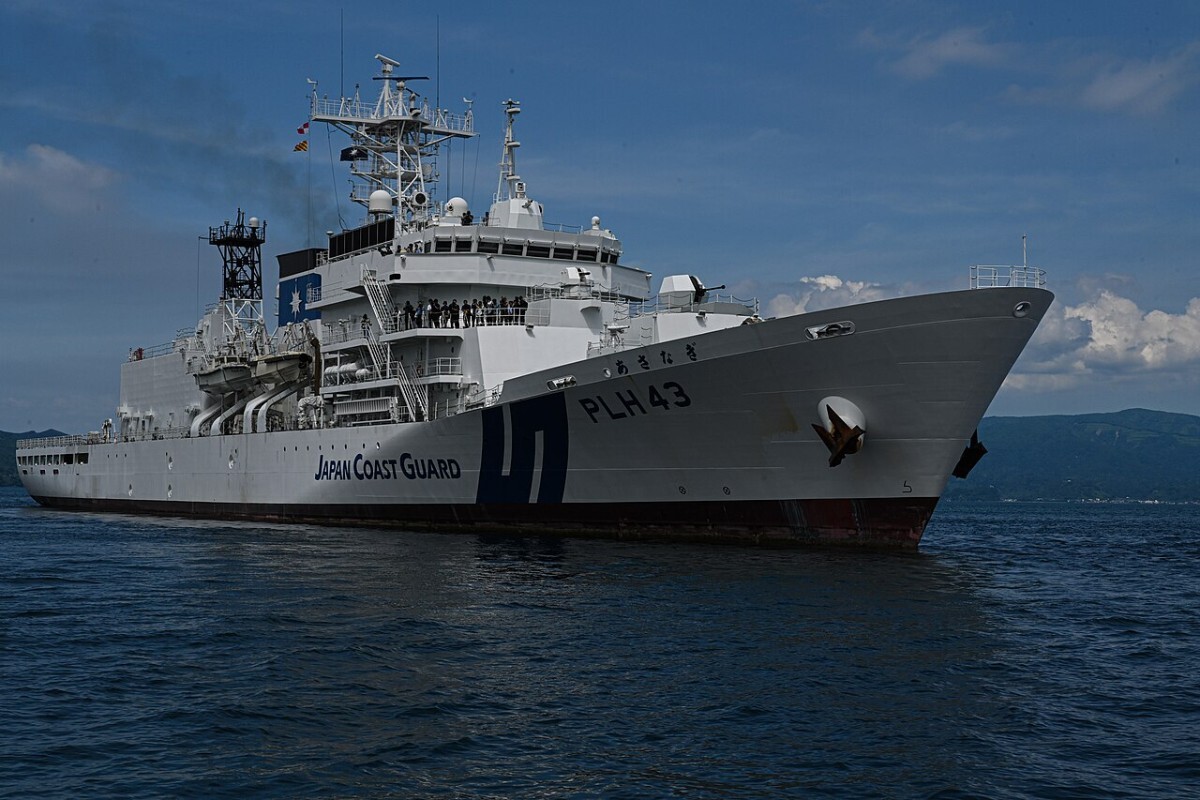
Trend summary
- Fewer vessels get into trouble in Japanese waters than a decade ago, but the number of people dying in marine leisure is rising, and the 2022 Kazu I sinking is still reshaping passenger boat safety.
- The Japan Coast Guard counted 1,711 vessels in accidents in 2025 (confirmed figures), down 127 on 2024, with 42 people dead or missing, down 11. Pleasure boats made up 833 of the vessels, and fishing boats accounted for 25 of the deaths.
- Marine leisure accidents that did not involve a vessel accident, such as swimming, fishing from the shore and snorkelling, left 206 people dead or missing in 2025, 17 more than in 2024.
- Of 415 people who fell overboard from vessels in 2025, 100 died or went missing. Half of those not wearing a lifejacket died, compared with 11% of those who were wearing one.
What the numbers show
The main source is the Japan Coast Guard’s annual review of maritime accidents (海難, kainan, meaning accidents at sea to vessels and people). Its confirmed figures for 2025 (in Japanese), published on 1 April 2026, show 1,711 vessels in accidents, down from 1,942 in 2021, and 42 people dead or missing. The provisional count released in January had put deaths at 52, so early figures can change a lot. The long-run fall is real but slower than planned: the coast guard’s goal is to roughly halve accidents in the 2020s from the 2,256 a year averaged under an earlier national traffic safety plan, to about 1,200 or fewer (Japan Coast Guard, 2020 review, in Japanese). Single disasters move the death toll. In 2020 the loss of a cargo ship in a typhoon off Amami Oshima helped push vessel accident deaths to 97. In 2022 the Kazu I alone accounted for all 26 passenger ship deaths.
Risk now sits mostly with small boats and people in the water. In March 2026 four crew died when the fishing boat No. 65 Kofuku Maru capsized after a collision with a cargo ship off Misawa, Aomori (The Japan Times). In marine leisure, 702 people had accidents not involving a vessel accident in 2025, and 50 of them were foreign visitors, a level the coast guard calls persistently high. The National Police Agency, which also counts rivers and lakes, recorded 760 people dead or missing in water accidents (水難, suinan) (in Japanese) in 2025, down 56, with 352 of them at sea. Early 2026 figures are more encouraging, though provisional: during the coast guard’s 16–31 July accident prevention campaign, marine leisure accidents were the lowest in 20 years (Japan Coast Guard, in Japanese). Over July and August 2026, police counted 226 people dead or missing in water accidents, 15 fewer than in summer 2025 (National Police Agency, in Japanese).
What is driving it
The Kazu I disaster set the agenda. On 23 April 2022 the small sightseeing boat sank off the Shiretoko Peninsula in Hokkaido, and all 26 people on board died or are still missing. The Japan Transport Safety Board’s final report (in Japanese) found that the boat left port with a faulty bow hatch cover that could not be fixed shut, even though worse seas were forecast. Waves then flooded the hull through the hatch. In response, the transport ministry (MLIT) drew up a package of passenger ship safety measures and amended the Marine Transportation Act in 2023. The changes are still coming into force in stages. Small passenger boats and fishing-trip boats are being required, on a phased timetable, to carry a legal radio (a mobile phone no longer counts), an emergency position-indicating beacon, and life rafts that keep people out of cold water, and to make their bulkheads watertight (MLIT, in Japanese). A follow-up committee checks on these measures every year. It held its fourth meeting on 30 September 2026. In June 2026 the Kushiro District Court found the operator’s president guilty of professional negligence resulting in death and sentenced him to five years in prison. The defence has appealed.
For individuals, the biggest factor is still whether they wear a lifejacket. Only 42% of people who fell overboard from fishing boats in 2025 were wearing one, and 35 of the 54 fishing boat overboard deaths came from boats crewed by one person (Japan Coast Guard, 2025 review, in Japanese). The coast guard is also targeting visitors. In March 2026 it launched an English version of its Water Safety Guide (in Japanese), and from April 2026 it began alerting volunteer rescuers through a shared app, because about 90% of vessel accidents happen within 3 nautical miles (about 5.5 km) of the coast.
Policy and budget changes
The main government measures and money figures behind this risk, newest first. Each item links to the official text we checked; where only a news report was available, the source says so.
Main policy changes
- April 2026 Certified safety managers required for passenger boats. From fiscal 2026, passenger boat operators must appoint their safety and operations managers from holders of a new qualification certificate created under the amended Marine Transportation Act; the qualifying examinations began in April 2025. (Cabinet Office, White Paper on Traffic Safety 2026)
- April 2025 Improved life rafts made compulsory on passenger boats. Passenger boats were required to carry improved life rafts and similar equipment that keep people out of cold water, one of the measures adopted after the 2022 Kazu I sinking. (Cabinet Office, White Paper on Traffic Safety 2025)
- 1 April 2024 Amended Marine Transportation Act takes main effect. The main parts of the Act Partially Amending the Marine Transportation Act and Other Acts, passed on 28 April 2023 and promulgated on 12 May 2023, came into force, introducing licence renewal for small-boat passenger operators, stronger crew training requirements and a revised penalty system. (Cabinet Office, White Paper on Traffic Safety 2024)
- December 2022 Passenger boat safety package after Kazu I sinking. The transport ministry’s committee on the April 2022 Shiretoko sinking compiled a package of passenger boat safety measures, including unannounced audits and a whistleblowing desk, stronger safety management and crew training, and tougher vessel standards. (Cabinet Office, White Paper on Traffic Safety 2025)
Budget and costs
- August 2026 Japan Coast Guard requests ¥344.8bn for FY2027. The Japan Coast Guard’s FY2027 budget request, published in August 2026, totals ¥344.8 billion, 1.16 times the FY2026 budget of ¥297.1 billion. It includes ¥4.19 billion for maritime traffic safety (¥4.22 billion in FY2026) and ¥1.89 billion for policing and rescue work (¥1.28 billion). (Japan Coast Guard)
- 2026 Maritime safety line in the traffic safety budget: ¥2.1bn. The 2026 Traffic Safety White Paper shows ¥2,089 million for FY2026 under the separately listed maritime safety item (Coast Guard patrol and rescue work), up from ¥1,927 million in FY2025. Most other maritime safety spending is counted inside larger budgets and is not totalled. (Cabinet Office, Traffic Safety White Paper 2026)
Recent cases
- 2 October 2026: MLIT’s Kanto District Transport Bureau issues a vessel suspension order to the ferry operator Tokai Kisen. Inspections since January had found that the company was not following its own safety management rules, in breach of the Marine Transportation Act (MLIT, in Japanese).
- 4 September 2026: three people, including the 76-year-old captain, are found dead after their boat fails to return from net fishing for spiny lobster off Nichinan, Miyazaki Prefecture (The Japan Times).
- 16 March 2026: two small boats carrying students on a school trip capsize off Henoko, Okinawa. All 21 people on board are pulled from the water, but a 17-year-old student and a captain in his 70s later die (The Japan Times).
Our read: what the numbers add up to
The vessel side of the ledger is improving, if more slowly than planned. The Japan Coast Guard counted 1,711 vessels in accidents in 2025, down from 1,942 in 2021 and 127 fewer than in 2024, with 42 people dead or missing. But the goal of about 1,200 or fewer is still a long way off, and deaths in any one year are hostage to single disasters: a cargo ship lost in a typhoon helped push vessel deaths to 97 in 2020, and the Kazu I alone accounted for 26 deaths in 2022.
The more telling movement is away from vessels and towards people in the water. Marine leisure accidents that did not involve a vessel accident left 206 dead or missing in 2025, 17 more than in 2024, even as vessel deaths fell by 11. Within the vessel figures, the starkest number is about lifejackets: of 415 people who fell overboard, 100 died or went missing, and half of those not wearing a lifejacket died, against 11% of those wearing one. Only 42% of people who fell from fishing boats were wearing one, and 35 of the 54 fishing boat overboard deaths came from boats crewed by one person. The remaining risk seems to sit with individuals, often alone, rather than with shipping as a whole.
Early figures can shift a lot: the provisional count had put 2025 vessel deaths at 52 before the confirmed 42. What I would watch is whether the phased Kazu I rules on radios, beacons and life rafts show up in passenger boat accidents, and whether the low marine leisure numbers from the July 2026 campaign hold for the full year. My bottom line: Japanese waters are getting safer for vessels, but not yet for people who go into them for leisure.
Press releases and official reports, 2023–2026
Five key releases a year for the last four years, newest first. Most come from Japanese government ministries and agencies, regulators, accident investigators and national statistics; a few news reports are included where they are the clearest public record of an event. Many official releases are published only in Japanese; for those we give an English translation of the title and mark the link (in Japanese). Releases from 2007–2022 are in the expandable list after 2023.
2026
- 30 Sep 2026MLITFourth meeting of the Shiretoko tour boat accident follow-up committee, reviewing progress on comprehensive passenger ship safety measures (in Japanese)
- 15 Sep 2026National Police AgencyWater accidents in summer 2026 (provisional) (in Japanese)
- 18 Jun 2026National Police AgencyOverview of water accidents in 2025 (in Japanese)
- 17 Jun 2026The Japan TimesHokkaido tour boat operator sentenced to five years’ jail over fatal 2022 sinking
- 1 Apr 2026Japan Coast GuardMaritime accidents in 2025 (confirmed figures) (in Japanese)
2025
- 12 Nov 2025The Japan TimesHead of Hokkaido tour boat operator pleads not guilty over fatal sinking
- 29 Sep 2025MLITThird meeting of the Shiretoko tour boat accident follow-up committee (in Japanese)
- 19 Sep 2025MLITCabinet approves order setting the start date for further parts of the amended Marine Transportation Act (in Japanese)
- 28 Jan 2025JTSBReport from the transport minister on measures taken in response to the Board’s opinion on the Kazu I sinking (in Japanese)
- 17 Jan 2025Japan Coast GuardMaritime accidents in 2024 (provisional) (in Japanese)
2024
- 10 Dec 2024MLITCabinet approves orders bringing further parts of the amended Marine Transportation Act into force (in Japanese)
- 26 Sep 2024MLITSecond meeting of the Shiretoko tour boat accident follow-up committee (in Japanese)
- 16 May 2024Japan Coast GuardMarine leisure accidents during Golden Week 2024 (provisional) (in Japanese)
- 15 Jan 2024MLITOnline briefings on the amended Marine Transportation Act (in Japanese)
- 12 Jan 2024Japan Coast GuardMaritime accidents in 2023 (provisional) (in Japanese)
2023
- 20 Nov 2023MLITCabinet approves order setting the start date of the amended Marine Transportation Act (in Japanese)
- 6 Oct 2023MLITFirst meeting of the Shiretoko tour boat accident follow-up committee (in Japanese)
- 7 Sep 2023JTSBMarine accident investigation report: sinking of the passenger ship Kazu I (in Japanese)
- 3 Mar 2023MLITCabinet approves bill to amend the Marine Transportation Act and related laws (in Japanese)
- 12 Jan 2023Japan Coast GuardVessel and personal accidents in 2022 (provisional): pleasure boat accidents fall sharply (in Japanese)
View 20 years of major Japanese maritime accident press releases (2007–2026)62 more from 2007–2022, up to five a year, newest first
2022
- 19 Dec 2022MLITTenth meeting of the Shiretoko tour boat accident committee to discuss draft comprehensive passenger ship safety measures (in Japanese)
- 15 Dec 2022JTSBProgress report on the investigation into the flooding of the passenger ship Kazu I (in Japanese)
- 13 Jul 2022MLITSixth meeting of the Shiretoko tour boat accident committee to discuss an interim report on small passenger ship safety (in Japanese)
- 30 Jun 2022JTSBRecommendation to Anei Kanko following the grounding of the passenger ship Daijuni Anei-go (in Japanese)
- 28 Apr 2022MLITShiretoko tour boat accident committee set up to review safety of passenger transport by small vessels (in Japanese)
2021
- 16 Dec 2021JTSBRecommendation to NS United Kaiun following the collision between the cargo ships Chikatsu Maru and Sumiho Maru (in Japanese)
- 28 Sep 2021Japan Coast GuardTrial of technology to predict vessel collision risk in vessel traffic services (in Japanese)
- 26 Aug 2021JTSBRecommendation to the operator of the sightseeing boat Gririand 900 following injuries to passengers (in Japanese)
- 24 Jun 2021JTSBSafety recommendation to Jangho Shipping following the death of a crew member on the cargo ship First Ai
- Jun 2021Japan Coast GuardMaritime accidents in 2020: current situation and countermeasures (in Japanese)
2020
- 26 Nov 2020JTSBRecommendation to the transport minister following injuries to passengers on the passenger ship Nankyu 10 (in Japanese)
- 3 Sep 2020The Japan TimesShip carrying 43 crew and almost 6,000 cattle missing in typhoon off Japan
- Apr 2020Japan Coast GuardMaritime accidents in 2019: current situation and countermeasures (in Japanese)
- 26 Mar 2020JTSBRecommendation to the transport minister after the jetfoil Ginga struck a floating object, injuring passengers (in Japanese)
- 10 Jan 2020Japan Coast GuardMaritime accidents in 2019 (provisional) (in Japanese)
2019
- 31 Oct 2019JTSBSafety recommendation to Oldendorff Carriers following the cargo ship Erna Oldendorff’s collision with a bridge
- 29 Aug 2019JTSBOpinion to the Fisheries Agency following injury to a crew member on the fishing boat Daisan Seigyo Maru (in Japanese)
- Jun 2019Japan Coast GuardMaritime accidents in 2018: current situation and countermeasures (in Japanese)
- 25 Apr 2019JTSBRecommendation to Tsurumi Sunmarine following the tanker Houun Maru’s collision with the Kansai Airport bridge (in Japanese)
- 28 Mar 2019JTSBSafety recommendation to HNCC following the cargo tank explosion on the chemical tanker Golden Sunny Hana
2018
- 20 Dec 2018JTSBRecommendation to OM Kobe following the passenger ship Sora’s collision with an approach light tower (in Japanese)
- 25 Oct 2018JTSBSafety recommendation to Tai Yuan (Hong Kong) International Shipping following a fire on the cargo ship Tai Yuan
- 24 Jul 2018JTSBOpinion to the Fisheries Agency on preventing collisions involving recreational fishing boats (in Japanese)
- May 2018Japan Coast GuardMaritime accidents in 2017: current situation and countermeasures (in Japanese)
- 22 Feb 2018JTSBOpinion to the Fisheries Agency on rescuing anglers who fall overboard from fishing-trip and ferry boats (in Japanese)
2017
- 28 Sep 2017JTSBSafety recommendation to Trans Ocean Shipping following the grounding of the cargo ship City
- 27 Jul 2017JTSBRecommendation to JR Kyushu Jet Ferry after the hydrofoil Beetle struck a marine animal (in Japanese)
- May 2017Japan Coast GuardMaritime accidents in 2016: current situation and countermeasures (in Japanese)
- 30 Mar 2017JTSBSafety recommendation to Korea Shipmanagers following the collision between the container ship Sinokor Incheon and the fishing boat Toshi Maru
2016
- 25 Aug 2016JTSBSafety recommendation to HK Safe Blessing Shipping following the sinking of the cargo ship Ming Guang
- Apr 2016Japan Coast GuardMaritime accidents in 2015: current situation and countermeasures (in Japanese)
- 31 Mar 2016JTSBSafety recommendation to Tian Chen International Shipping Management following the collision between the cargo ship Fukukawa and the fishing boat Tsunomine Maru
2015
- Mar 2015Japan Coast GuardMaritime accidents in 2014: current situation and countermeasures (in Japanese)
2014
- 27 Jun 2014JTSBSafety recommendation to Meganom Shipping following a fire on the cargo ship Taigan
- 30 May 2014JTSBSafety recommendation to Pacific International Lines following the collision between the container ship Kota Duta and the cargo ship Tanya Karpinskaya
- 25 Apr 2014JTSBSafety recommendation to Shanghai CSC Line following the death of a worker on the cargo ship SCSC Wealth
- 28 Mar 2014JTSBOpinion to the Fisheries Agency on preventing groundings and breakwater collisions by fishing-trip and ferry boats (in Japanese)
- Mar 2014Japan Coast GuardMaritime accidents in 2013: current situation and countermeasures (in Japanese)
2013
- 25 Oct 2013JTSBOpinion to the transport minister following the collision between the cargo ship Nikkei Tiger and the fishing boat Horiei Maru (in Japanese)
- 26 Apr 2013JTSBRecommendation to the transport minister following crew deaths on the chemical tanker Daini Kyokuho Maru (in Japanese)
- 29 Mar 2013JTSBRecommendation to Anei Kanko following passenger injuries on two of its high-speed passenger boats (in Japanese)
- Mar 2013Japan Coast GuardMaritime accidents in 2012: current situation and countermeasures (in Japanese)
2012
- 30 Nov 2012JTSBRecommendation to the Japan Coast Guard School following the capsizing of the tug Daijuni Kita Maru (in Japanese)
- 29 Jun 2012JTSBProgress report on the sinking of the chemical tanker Seiyo (in Japanese)
- 25 Apr 2012JTSBProgress report on the capsizing of the river passenger boat Daijuichi Tenryu Maru (in Japanese)
- 30 Mar 2012JTSBOpinion to the transport minister on preventing accidents involving personal watercraft (in Japanese)
- Mar 2012Japan Coast GuardMaritime accidents in 2011: current situation and countermeasures (in Japanese)
2011
- 30 Sep 2011JTSBRecommendation to Shibusaki following the sinking of the fishing-trip boat Shibusaki 10 (in Japanese)
- 24 Jun 2011JTSBOpinion to the Japan Coast Guard following the collision between the container ship Carina Star and the destroyer Kurama (in Japanese)
- 17 May 2011The Japan TimesAcquittal in Atago collision case
- May 2011Japan Coast GuardMaritime accidents in 2010: current situation and countermeasures (in Japanese)
- 25 Mar 2011JTSBRecommendation to Anei Kanko following passenger injuries on the high-speed boat Daikyujuhachi Anei-go (in Japanese)
2010
- 28 May 2010JTSBOpinion to the transport minister on preventing accidents caused by watchkeepers falling asleep (in Japanese)
- Mar 2010Japan Coast GuardMaritime accidents in 2009: current situation and countermeasures (in Japanese)
2009
- 20 Dec 2009The Japan TimesWaking up to a shipwreck
- 18 Dec 2009JTSBOpinion to the Fisheries Agency following the sinking of the fishing-trip boat Dainana Koyo Maru (in Japanese)
- 30 Oct 2009The Japan TimesCollision in Kanmon Strait
- Mar 2009Japan Coast GuardMaritime accidents in 2008: current situation and countermeasures (in Japanese)
2008
- 30 Mar 2008The Japan TimesImproper watch at sea
- Mar 2008Japan Coast GuardMaritime accidents in 2007: current situation and countermeasures (in Japanese)
- 20 Feb 2008The Japan TimesMSDF destroyer cuts fishing trawler in half
2007
- Mar 2007Japan Coast GuardMaritime accidents in 2006: current situation and countermeasures (in Japanese)
Some early years list fewer than five items. Many older Japanese government releases are no longer online at their original addresses, and we only list items we could find and check.
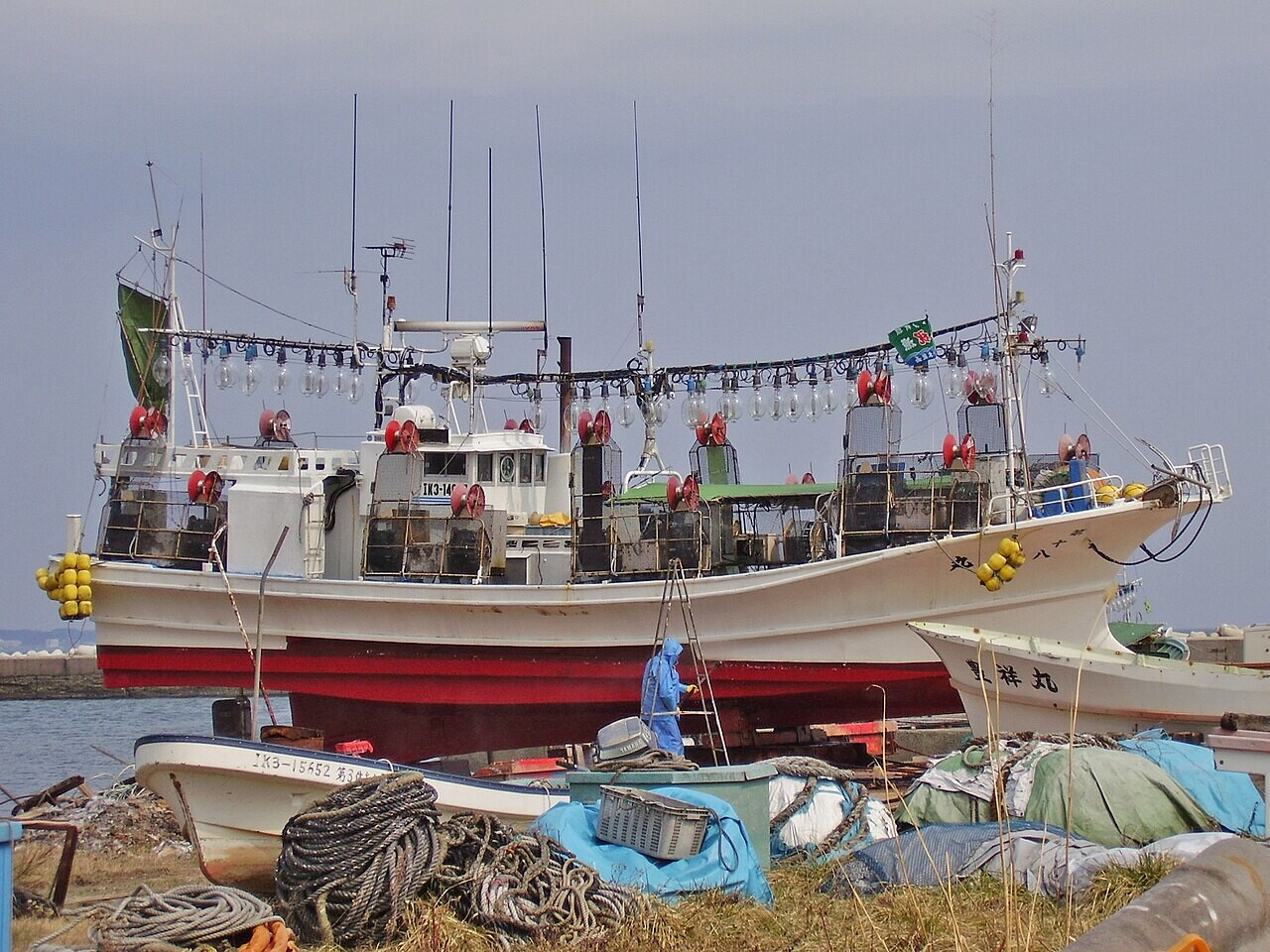
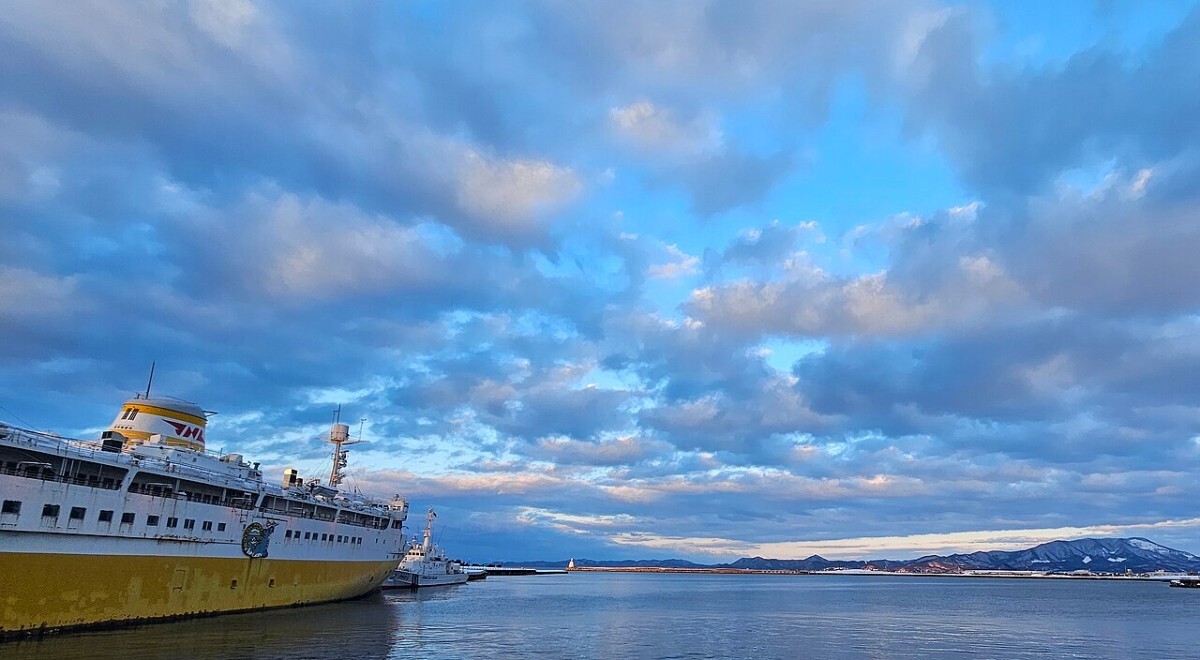
Photo list
How this page is built. Figures come from the official statistical releases linked above; where agencies publish provisional numbers we say so, because they are revised. Japanese statistics often use the fiscal year (April to March) and some are published only in Japanese, so we say which period each figure covers and translate titles. Photos are public-domain or Creative Commons images credited in each caption; file photos are illustrative and are not from the events described unless the caption says so. This page tracks trends and is not personal safety, medical, legal or financial advice.