
Trend summary
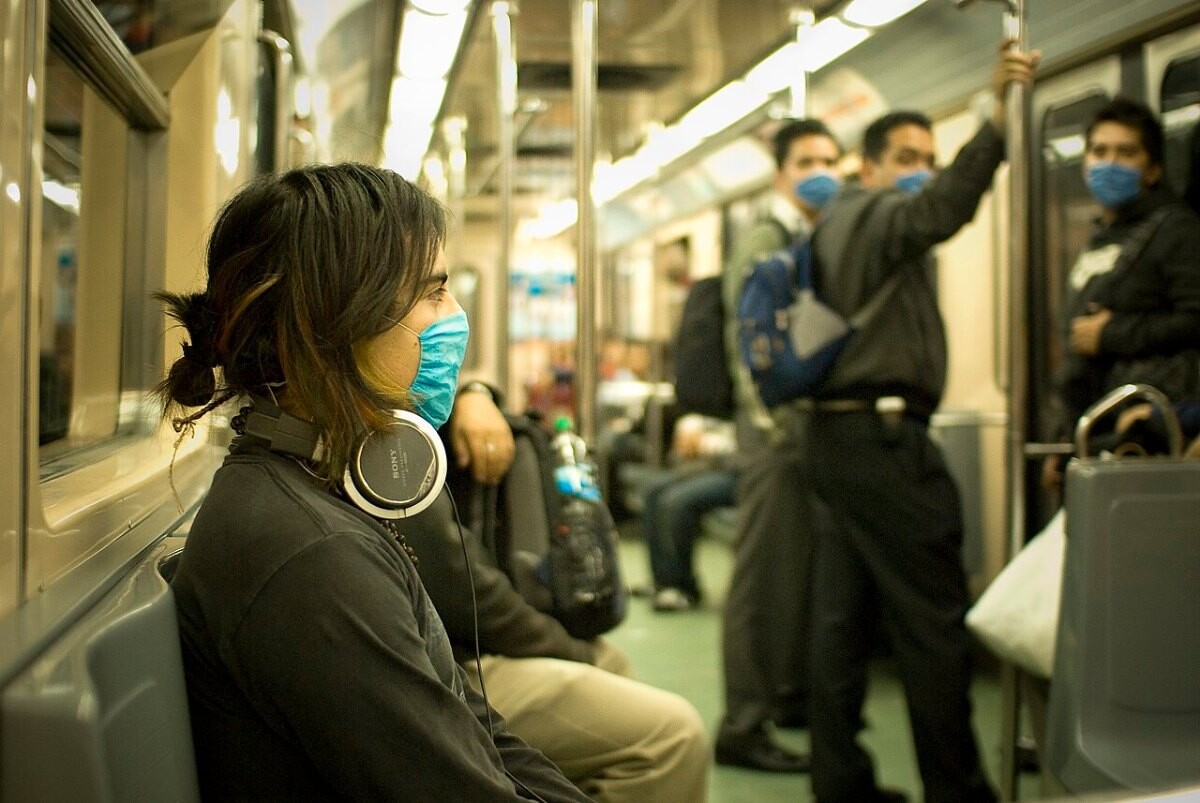
- COVID-19 was Mexico’s leading cause of death in 2021, with 238,772 deaths registered by INEGI. By 2025 it had fallen to 504 deaths and out of the top 20 causes.
- A measles outbreak that began in Chihuahua in February 2025 spread nationwide: 6,428 confirmed cases and 24 deaths in 2025, then 12,848 cases and 19 deaths in 2026 up to early September, according to PAHO.
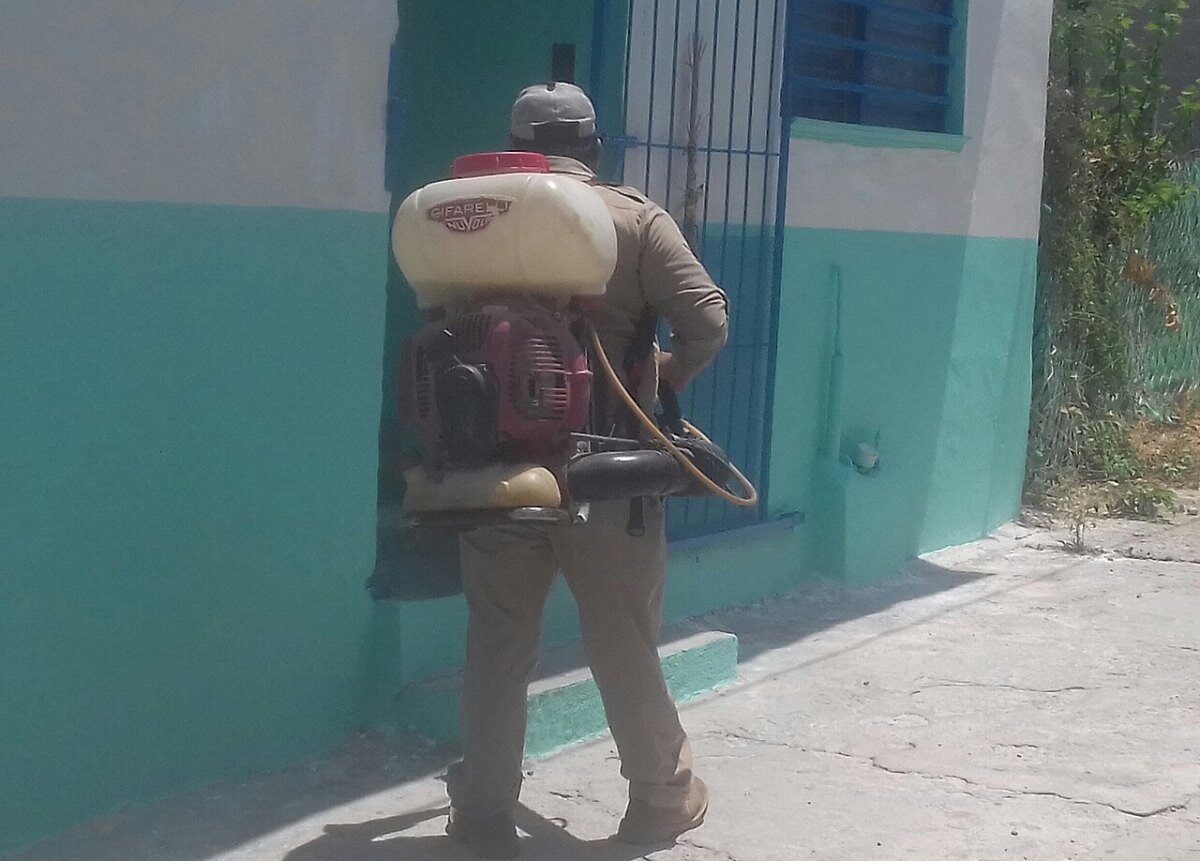
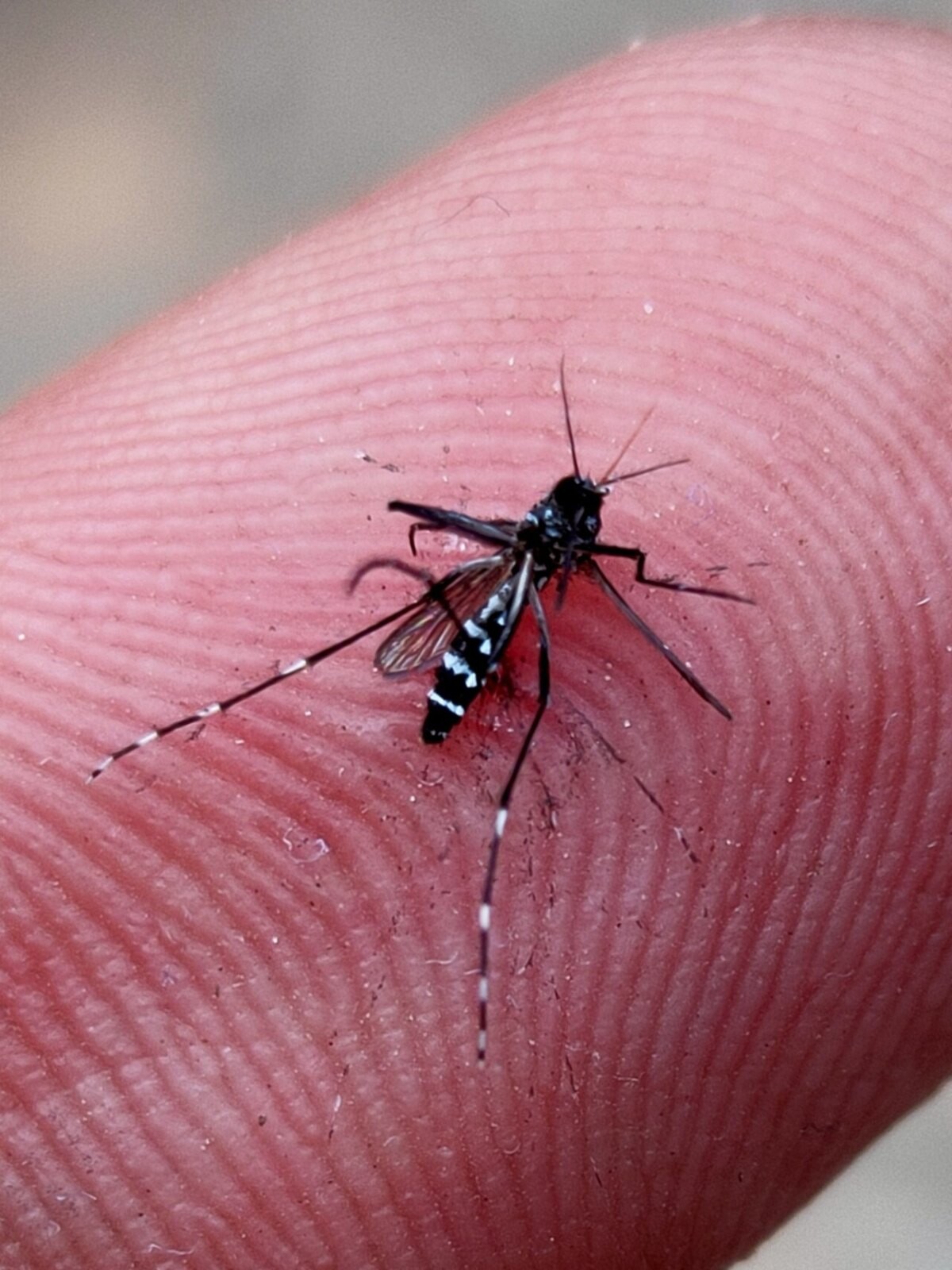
- Dengue hit a record season in 2024, with 125,160 confirmed cases and 478 deaths at the year-end report, more than double 2023. The 2026 season has been far smaller so far.
- New World screwworm, a flesh-eating fly larva, now infects people as well as cattle: 592 confirmed human cases and 5 deaths in 2026 to mid-September, up from 117 in 2025.
What the numbers show
Mexico was where the 2009 flu pandemic was first spotted. By 23 April 2009, Mexico City alone had reported more than 854 pneumonia cases and 59 deaths (WHO). Between 1 March and 30 April, health officials logged 1,918 suspected cases and 84 deaths; schools in the capital closed on 24 April and nationwide on 27 April (CDC MMWR). COVID-19 was far deadlier. INEGI counted 200,256 COVID-19 deaths in 2020, the second cause of death after heart disease, and estimated 326,921 excess deaths from all causes that year, 43.6% above expected (INEGI). In 2021 COVID-19 became the leading cause, with 238,772 deaths; in 2022 it fell to 38,508 and fifth place (INEGI). It dropped to 4,687 deaths in 2023 (INEGI), 1,435 in 2024 (INEGI) and 504 in preliminary 2025 figures (INEGI). From January 2020 to March 2022, INEGI put excess deaths at between 678,091 and 758,826, depending on the method (INEGI).
Measles came back in 2025. The first case linked to the main outbreak was an unvaccinated child in Chihuahua who fell ill on 11 February 2025; by mid-April Chihuahua had 403 of Mexico’s 421 cases, and 92.4% of patients had no record of vaccination (WHO). Mexico ended 2025 with 6,428 confirmed cases and 24 deaths (PAHO). Up to 5 September 2026 it had 12,848 more cases and 19 deaths, the second-highest total in the Americas after Guatemala (PAHO). Dengue is the other big seasonal threat: 125,160 confirmed cases and 478 deaths in 2024, against 56,333 and 203 in 2023, with Jalisco, Nuevo León, Veracruz, Guerrero and Michoacán hardest hit (La Crónica, citing the Health Ministry). In 2026, to week 37, Mexico reported 52,866 probable and 5,859 confirmed cases and 26 deaths, with DENV-3 dominant (PAHO). HIV still kills about 4,000 to 5,000 people a year: 5,043 in 2018 (INEGI), 4,662 in 2021, most of them men (INEGI), 5,149 in 2024 and 4,066 in preliminary 2025 data (INEGI). New HIV diagnoses peaked at 17,486 in 2018 (INEGI).
What is driving it
Chronic disease made COVID-19 worse. A study of death certificates found all-cause deaths in 2020–2021 were 38.2% above expected, and that excess deaths from diabetes, heart disease and hypertension rose too, probably because people put off care (Palacio-Mejía et al., Lancet Regional Health – Americas, 2022). The 2009 pandemic showed how fast a new flu virus can move in a big, connected country: it came in three waves, first around Mexico City in April–May, then the south-east in June–July, then the rest of the country in the autumn (Chowell et al., PLoS Medicine, 2011).
Gaps in vaccination let measles return. Nine in ten early cases in 2025 had no vaccine record, and the largest age group was adults aged 25–44 (WHO). Mosquito-borne diseases follow rain, heat and urban water storage: Zika arrived in late 2015, with the first local cases in Nuevo León and Chiapas (WHO). Water and sanitation matter too. In 2013 Mexico had its first local cholera since 2001, 184 confirmed cases and one death, mostly in Hidalgo (WHO). Bird flu has also crossed into people: the world’s first confirmed human H5N2 case in 2024 (WHO) and Mexico’s first human H5N1 case, a child in Durango who died in April 2025 (WHO).
Recent cases
- 16 October 2026: PAHO said Mexico had 592 confirmed human cases of New World screwworm myiasis and 5 deaths in 2026, up from 117 cases in 2025. Veracruz, Chiapas, Oaxaca, Puebla and Yucatán had 61% of the cases (PAHO).
- 11 September 2026: PAHO’s measles report counted 12,848 confirmed cases and 19 deaths in Mexico in 2026, about 24% of all cases in the Americas (PAHO).
- 7 August 2026: INEGI’s preliminary 2025 death figures showed 504 COVID-19 deaths, 34,779 deaths from influenza and pneumonia and 4,066 from HIV (INEGI).
Press releases and official reports, 2023–2026
Up to five key releases a year for the last four years, newest first. Most come from national bodies such as INEGI, the Ministry of Health, CENAPRED, the National Seismological Service, CONAFOR, the Navy, CONDUSEF and the Official Gazette, from Congress, from international agencies such as PAHO and WHO, and from research journals. Key events, especially in earlier years where official archives are missing, come from Mexican news outlets such as La Jornada, El Universal, Excélsior, El Financiero, Animal Político and Mexico News Daily. Headlines are our English translations of the Spanish originals. Releases from 2007–2022 are in the expandable list after 2023.
2026
- 20 Oct 2026PAHO/WHOEpidemiological Update: Dengue and Chikungunya in the Americas Region – 20 October 2026
- 16 Oct 2026PAHO/WHOEpidemiological Alert: Myiasis caused by Cochliomyia hominivorax in the Americas Region, 16 October 2026
- 11 Sep 2026PAHO/WHOSituation Report #11: Measles in the Americas Region. 11 September 2026
- 7 Aug 2026INEGIRegistered Deaths Statistics (EDR), preliminary 2025 results
- 4 Feb 2026PAHO/WHOPAHO issues epidemiological alert amid continued measles transmission in the Americas
2025
- 20 Nov 2025Mexico Business NewsMexico's Measles Cases Increase; Region Loses Measles-Free Status
- 10 Nov 2025INEGIRegistered Deaths Statistics (EDR), final 2024 results
- 28 Apr 2025WHOMeasles – Region of the Americas
- 17 Apr 2025WHOAvian Influenza A(H5N1) – Mexico
- 5 Jan 2025La Crónica de HoyDengue in Mexico: confirmed cases up 122% in 2024
2024
- 8 Nov 2024INEGIRegistered Deaths Statistics (EDR) 2023
- 1 Oct 2024ExcélsiorDengue in Mexico: nearly 65,000 cases and 156 deaths accumulated
- 8 Aug 2024INEGIRegistered deaths statistics (EDR) 2023 (preliminary)
- 14 Jun 2024WHOHuman infection caused by avian Influenza A(H5N2) – Mexico
- 5 Jun 2024WHOAvian Influenza A (H5N2) – Mexico
2023
- 31 Oct 2023INEGIRegistered Deaths Statistics (EDR) 2022
- 1 Jun 2023WHOOutbreak of suspected fungal meningitis associated with surgical procedures performed under spinal anaesthesia – the United States of America and Mexico
View 20 years of major Mexican infectious disease press releases (2007–2026)33 more from 2007–2022, up to five a year, newest first
2022
- 29 Nov 2022INEGIStatistics for World AIDS Day (1 December)
- 26 Oct 2022INEGIRegistered deaths statistics (EDR) 2021
- 29 Aug 2022INEGIRegistered deaths statistics, January to March 2022 (preliminary)
- 24 Jan 2022INEGIRegistered deaths statistics, January to June 2021 (preliminary)
2021
- 29 Nov 2021INEGIStatistics for World AIDS Day (1 December)
- 28 Oct 2021INEGICharacteristics of registered deaths in Mexico during 2020
- 29 Jul 2021INEGICharacteristics of deaths registered in Mexico in 2020 (preliminary)
2020
- 29 Oct 2020INEGICharacteristics of deaths registered in Mexico in 2019
- 24 Apr 2020WHOMeasles – Mexico
- 28 Feb 2020Mexico News DailyFirst two cases of coronavirus in Mexico confirmed
2019
- 31 Oct 2019INEGICharacteristics of registered deaths in Mexico during 2018
- 5 Mar 2019WHOCarbapenem-resistant Pseudomonas aeruginosa infection – Mexico
2018
- 1 Dec 2018La JornadaCNDH asks health authorities for permanent campaigns for timely HIV diagnosis
2017
- 1 Dec 2017La JornadaPilot plan to prevent HIV infection starts in three states
2016
- 23 Feb 2016La JornadaHealth Ministry confirms 93 Zika cases in the country; eight are pregnant women
- 22 Jan 2016ExcélsiorHealth Ministry confirms 15 cases of Zika in Mexico
2015
- 9 Dec 2015El UniversalMexico certifies the quality and efficacy of a dengue vaccine
- 3 Dec 2015WHOZika virus disease – Mexico
2014
- 2 Dec 2014La JornadaHIV care and diagnosis must improve
2013
- 25 Nov 2013WHOCholera in Mexico – update
- 13 Nov 2013WHOCholera in Mexico – update
- 28 Oct 2013WHOCholera in Mexico – update
- 19 Oct 2013WHOCholera in Mexico
2012
- 1 Dec 2012La JornadaNearly 107,000 people with HIV are estimated to be unaware of it: UNAM
2011
- 30 Nov 2011La JornadaMexico ranks second in Latin America for women infected with HIV/AIDS
2010
- 11 Aug 2010La JornadaWHO declares the end of the A/H1N1 flu pandemic
2009
- 8 May 2009CDC (MMWR)Outbreak of Swine-Origin Influenza A (H1N1) Virus Infection, Mexico, March–April 2009
- 30 Apr 2009WHOInfluenza A(H1N1) – update 6
- 29 Apr 2009WHOInfluenza A(H1N1) – update 5
- 26 Apr 2009WHOSwine flu illness in the United States and Mexico – update 2
- 24 Apr 2009WHOInfluenza-like illness in the United States and Mexico
2008
- 2 Dec 2008La JornadaAIDS a 'priority' health problem: Health Ministry; frequent among under-20s
2007
- 2 Dec 2007La JornadaHIV/AIDS, a problem 'on the same level as climate change'
Many years list fewer than five items, and some have none yet. Several official archives (parts of gob.mx, the Official Gazette and older agency pages) could not be opened when we compiled this list, and we only list items we could open and check. We are still adding to these lists. Where a page shows no date, the date comes from the publisher’s own index; annual reports with no printed date are listed under the year they were released.
Photo list
How this page is built. Figures come from the official statistical releases and research linked above; where agencies publish provisional numbers we say so, because they are revised. National death data come from INEGI’s death registrations, which are finalised the year after; preliminary figures are labelled. Some figures come from news reports quoting officials, and we name the outlet. Money is given in Mexican pesos (MX$). Headlines and quotes are our translations from Spanish. Photos are public-domain or Creative Commons images credited in each caption; file photos are illustrative and are not from the events described unless the caption says so. This page tracks trends and is not personal safety, medical, legal or financial advice.