
Trend summary
- Drowning kills about 5,900 Brazilians a year. SOBRASA counted 5,883 deaths in 2023 from DATASUS data, roughly one every 90 minutes. The rate has nearly halved since 1979.
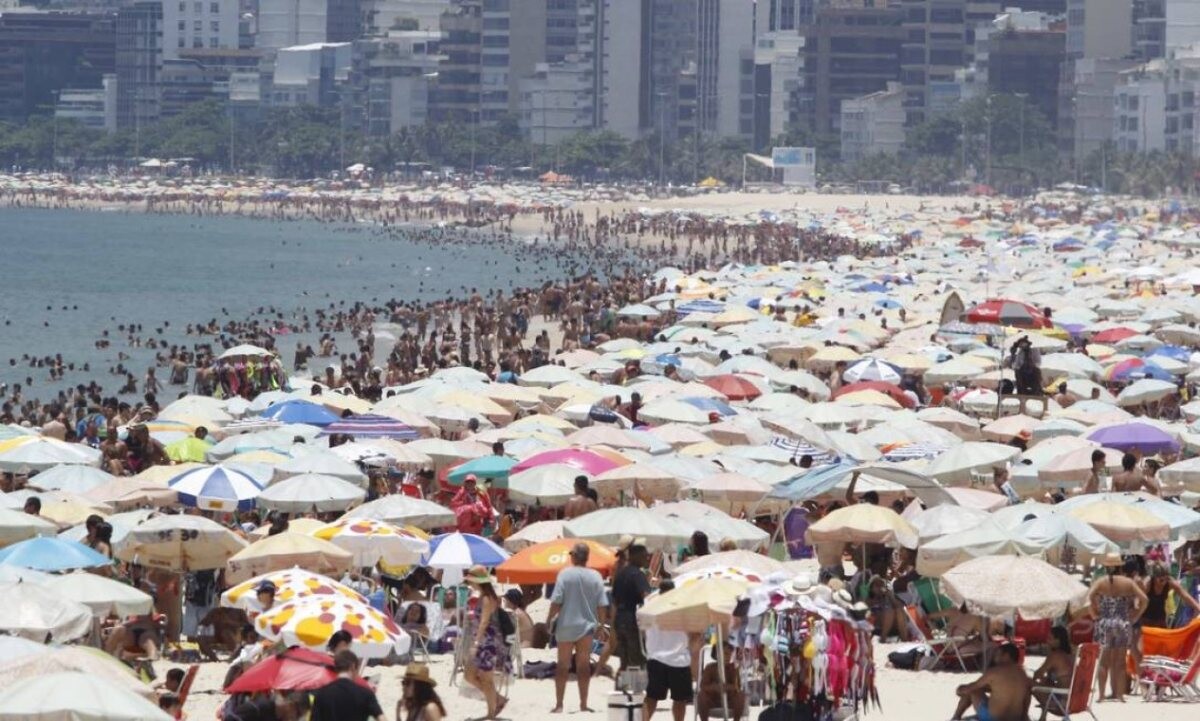
- Most drownings happen in fresh water, not at the beach. About 76% of deaths are in rivers, lakes and reservoirs. Men die about six times as often as women.
- Lightning kills about 110 people a year, according to INPE’s ELAT group. Most victims are men, often working outdoors in rural areas.
- Floods, landslides and dam collapses cause the big death tolls. The 2011 mountain-region disaster in Rio killed 918 people, the Brumadinho dam collapse 270, and the 2024 Rio Grande do Sul floods at least 180.
What the numbers show
Drowning is Brazil’s most common non-road accidental killer that is tracked year by year. The SOBRASA 2025 bulletin, built on Ministry of Health (DATASUS) mortality data, counts 5,883 drowning deaths in 2023, a rate of 2.8 per 100,000. That rate was 5.42 in 1979 and 3.45 in 2010. About 76% of deaths happen in rivers, lakes and reservoirs, about 13.6% on sea beaches and about 5% in pools. Men die about six times as often as women. Drowning is the second leading cause of death for children aged 1–4, and about four children drown every day. Lightning adds a smaller but steady toll: INPE’s ELAT group puts it at about 110 deaths and more than 200 injuries a year, with men making up 82% of victims in 2018–2022. Between 2000 and 2014, 1,789 people were killed by lightning. For falls, the Ministry of Health says they are the second leading cause of accidental death among older people, and the SUS records about 60,000 hospital admissions a year of people aged 60 and over after a fall.
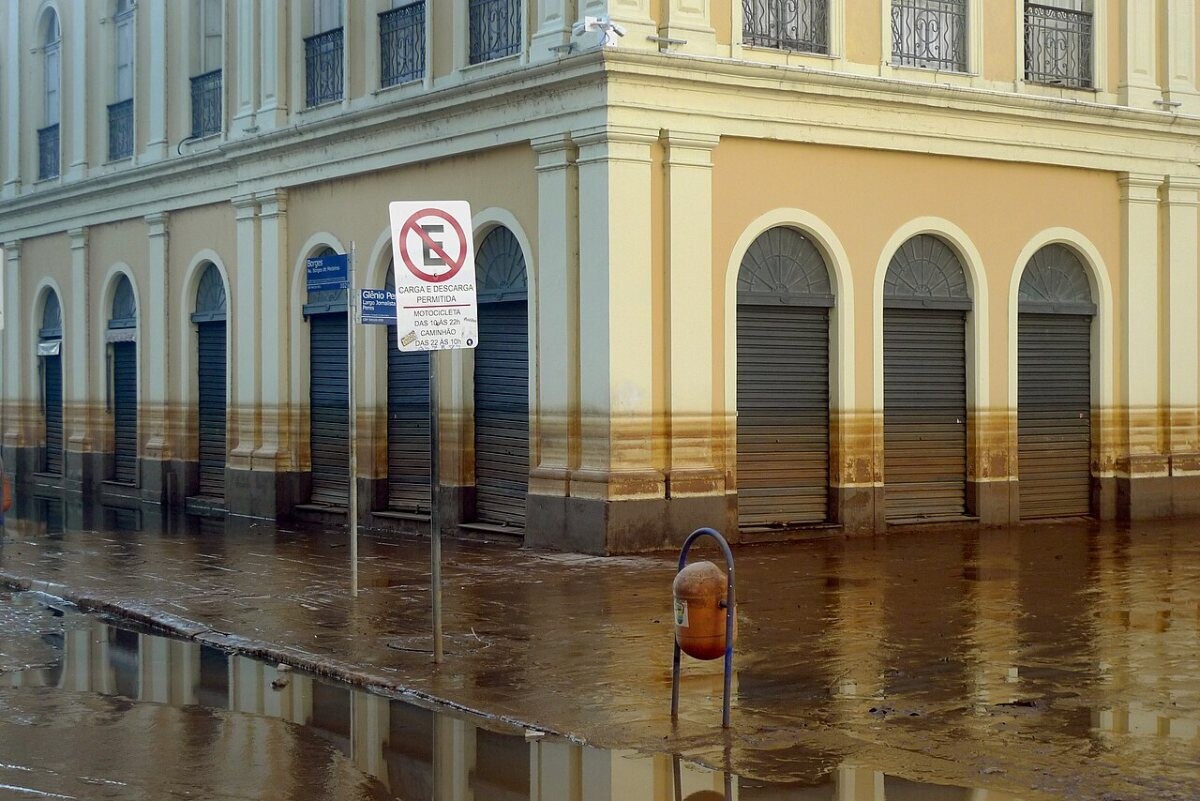
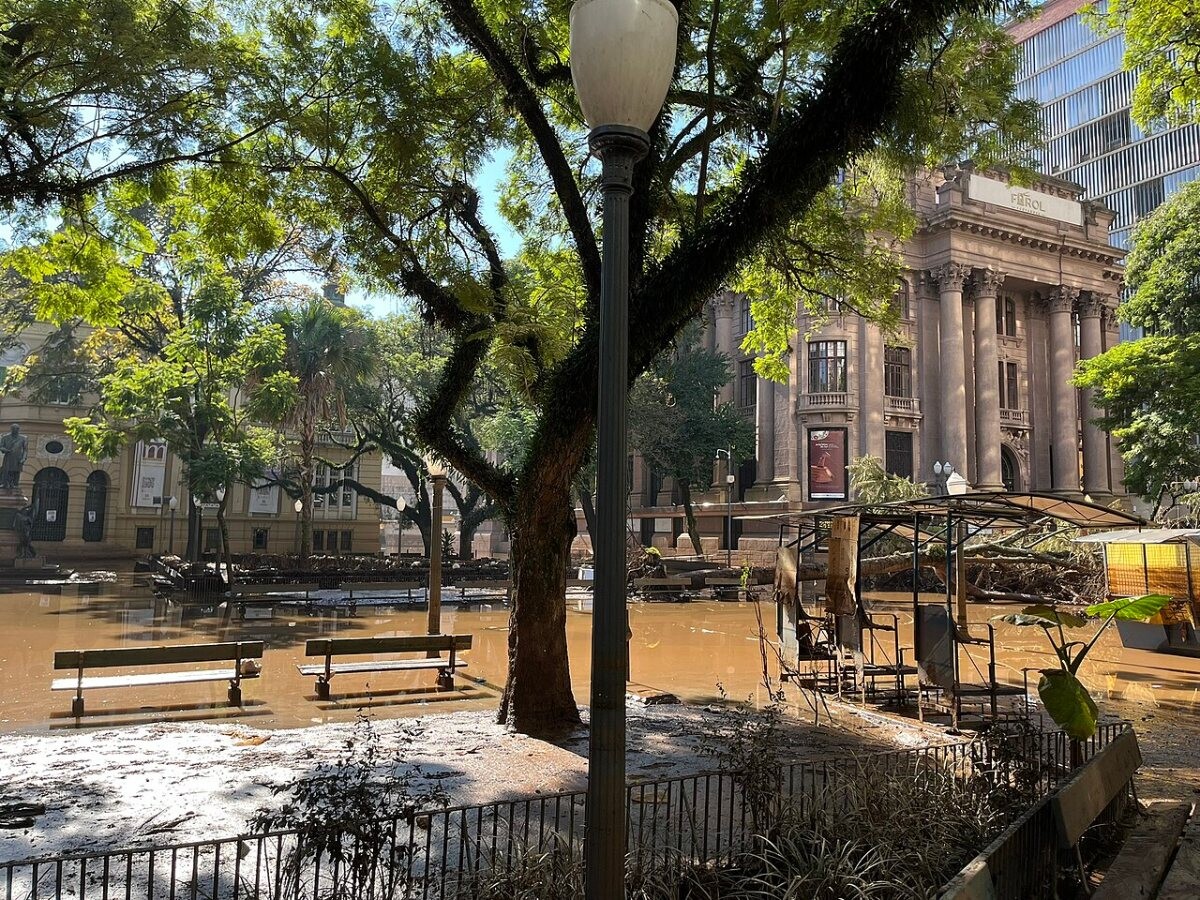
Natural hazards cause the largest single death tolls. The January 2011 floods and landslides in Rio de Janeiro’s mountain region killed 918 people, officially, and left about 30,000 homeless. Petrópolis lost 241 people in February 2022. In February 2023, Bertioga on the São Paulo coast recorded 682 mm of rain, the largest total ever recorded in Brazil, and São Sebastião’s death toll passed 48 within days. The 2024 Rio Grande do Sul floods killed 180 people, with 32 still missing and 2.3 million affected across 478 municipalities. Two mining dam failures in Minas Gerais killed 19 people at Mariana in 2015 and 270 at Brumadinho in 2019. Relatives count 272 at Brumadinho, because two of the women killed were pregnant. Across 1995–2019, the Senate puts disaster deaths at 4,065, with losses of R$330 billion.
What is driving it
Most drownings happen in unguarded rivers and reservoirs, where there are no lifeguards. Lightning deaths follow outdoor work: 26% of incidents happen during rural activities and 21% inside homes, and Amazonas and Pará get the most strikes. Disaster deaths come from homes built on steep slopes and floodplains, hit by very heavy rain. In Nova Friburgo alone, about 24,000 people still lived in high-risk areas five years after 2011. CEMADEN logged 1,493 disaster events in 2025, mostly floods, and seven heatwaves. It sent 2,505 alerts to 1,133 monitored municipalities.
The policy response has moved towards early warning. The National Civil Protection and Defence Policy was signed into law in April 2012. Law 14.750/2023 now requires municipalities to monitor risk areas in real time and issue early warnings. For dams, official inquiries blamed engineering failures, not natural causes. A prosecutors’ report traced Mariana to works on the Fundão dam. A university study linked Brumadinho to drilling that triggered liquefaction. The 2024 Mariana settlement totals R$170 billion, by Vale’s count, including R$100 billion in new money.
Recent cases
- 14 October 2026: Heavy rain flooded central São Paulo, with at least 17 flooding points and three building collapses. One resident died in a collapse in Brasilândia, in the north zone (Agência Brasil).
- 25 February 2026: Rains in Minas Gerais’s Zona da Mata killed 46 people, 40 in Juiz de Fora and 6 in Ubá, with at least 21 missing. The federal government recognised a state of public calamity in Juiz de Fora (Agência Brasil).
- February 2026: CEMADEN’s report on 2025 recorded 1,493 disaster events, 336,656 people directly affected and about R$2.9 billion in material damage. It also counted seven heatwaves (CEMADEN).
Press releases and official reports, 2023–2026
Up to five key releases a year for the last four years, newest first. Most come from federal ministries and agencies such as the Ministry of Health, INPE, the Federal Highway Police, CENIPA and the Central Bank, from Agência Brasil, the public news agency, and from the Senate and Chamber news services and state governments; a few news reports are included where they are the clearest public record of an event. Headlines are our English translations of the Portuguese originals. Releases from 2007–2022 are in the expandable list after 2023.
2026
- 14 Oct 2026Agência BrasilRain floods downtown streets and leaves one dead in São Paulo's north zone
- 24 Jun 2026INTO (Ministry of Health)World Falls Prevention Day
- 25 Feb 2026Agência BrasilDeath toll from rains in Minas Gerais's Zona da Mata reaches 46
- Feb 2026CEMADENState of the climate, climate extremes and disasters in Brazil in 2025
- 5 Feb 2026SOBRASADrowning – epidemiological bulletin for Brazil, 2026 (2024 data)
2025
- 3 Nov 2025Agência Brasil'Caminhos da Reportagem' returns to Mariana ten years after the disaster
- 7 Feb 2025Agência BrasilBrumadinho disaster victim identified after six years
- 31 Jan 2025SOBRASADrowning – epidemiological bulletin for Brazil, 2025 (2023 data)
2024
- 14 Nov 2024Agência BrasilMAB and federal prosecutors to appeal acquittal of defendants in the Samarco case
- 26 Oct 2024Agência BrasilSamarco case: agreement winds up the Renova Foundation and sets new governance
- 3 Jul 2024Agência BrasilFlood deaths in Rio Grande do Sul rise to 180; 32 still missing
- 17 May 2024Senate News AgencyEmergency decrees for climate disasters reveal a 'map of tragedies'
- 12 May 2024Agência BrasilAmazonas and Pará are the states with the most lightning in the country
2023
- 19 Dec 2023Senate RadioNew Civil Defence policy comes into force
- 2 Aug 2023SOBRASADrowning – epidemiological bulletin for Brazil, 2023 (2021 data)
- 29 Jul 2023Agência BrasilDrowning causes 5,700 deaths a year in Brazil
- 23 Feb 2023Agência BrasilDeath toll on São Paulo's north coast rises to 49
- 20 Feb 2023Agência BrasilSão Paulo coast had the highest rainfall ever recorded in Brazil
View 20 years of major Brazilian injury press releases (2007–2026)66 more from 2007–2022, up to five a year, newest first
2022
- 22 Jul 2022SOBRASADrowning – epidemiological bulletin for Brazil, 2022 (2020 data and others)
- 14 Apr 2022Agência Brasil (Radioagência Nacional)Falls are the 3rd cause of death for people over 65 in Brazil
- 11 Mar 2022Senate News AgencyFloods, flash floods and landslides can be solved. Here's how
- 22 Feb 2022Agência BrasilWomen are the majority of rain deaths in Petrópolis
- 15 Feb 2022Agência BrasilStorm floods Petrópolis streets and shocks residents
2021
- 4 Oct 2021Agência BrasilDrilling led to the Brumadinho disaster, says Catalan university
- 2 Jul 2021Agência BrasilFirefighters find locomotive used by Vale in Brumadinho
- 28 May 2021Agência BrasilVale disaster victim identified; ten still missing
- 3 May 2021Presidency (Planalto)Decree 10,692 creating the National Register of Municipalities with Areas Susceptible to High-Impact Landslides, Flash Floods or related processes
- 10 Jan 2021Agência BrasilTen years after the tragedy, the mountain region hosts Rio's government for 3 days
2020
- 24 Dec 2020Presidency (Planalto)Decree 10,593: organisation and operation of the National Civil Protection and Defence System, the National Plan and the National Disaster Information System
- 30 Sep 2020Presidency (Planalto)Law 14,066 amending the National Dam Safety Policy (Law 12,334/2010)
- 21 Jan 2020Agência BrasilProsecutors charge 16 people with intentional homicide over the Brumadinho disaster
2019
- 29 Sep 2019Agência BrasilFirefighters find another body of a Brumadinho disaster victim
- 15 Apr 2019Agência BrasilNumber of identified dead in the Brumadinho disaster reaches 228
- 17 Feb 2019Agência BrasilDeath toll in Brumadinho rises to 169
- 26 Jan 2019Agência BrasilFirefighters confirm 34 deaths in Brumadinho
2018
- 5 Nov 2018Agência BrasilMariana disaster turns 3; see the timeline
- 5 Nov 2018Agência BrasilCriminal case over the Mariana disaster is still hearing witnesses
- 21 Sep 2018Agência BrasilExperts warn of high lightning incidence during spring
2017
- 27 Sep 2017Agência Brasil (Radioagência Nacional)Lightning strikes 300 people a year in Brazil; most deaths could be avoided
- 7 Aug 2017Agência BrasilJudge suspends criminal case against those responsible for the Mariana accident
- 31 Jul 2017Agência BrasilExercises will simulate disaster response in Petrópolis
2016
- 24 Dec 2016Agência BrasilLightning deaths fall below the historical average in 2016
- 30 Aug 2016Agência BrasilStudy commissioned by Samarco shows the failure that caused the Mariana disaster
- 24 Jun 2016Agência BrasilMariana disaster was caused by works on Samarco's dam, says prosecutors' office
- 12 Jan 2016Agência Brasil (Radioagência Nacional)Nova Friburgo firefighter recalls the 2011 tragedy in Rio
- 11 Jan 2016Agência BrasilFive years after the tragedy, Nova Friburgo residents try to get past the pain
2015
- 19 Nov 2015Agência BrasilDam collapse is Brazil's biggest environmental catastrophe, says minister
- 5 Nov 2015Agência BrasilHospital confirms first death from dam collapse in Minas Gerais
- 23 Oct 2015Agência BrasilINPE: lightning deaths rise in the North region because of global warming
- 20 Feb 2015Agência BrasilRio Civil Defence strengthens community protection system against rains
- 30 Jan 2015Agência BrasilINPE records 98 lightning deaths in 2014
2014
- 30 Dec 2014Agência BrasilINPE: 1,672 people in Brazil were killed by lightning between 2000 and 2013
- 25 Jul 2014Chamber News AgencyBill simplifies use of FGTS savings in the event of a natural disaster
- 3 Jul 2014Chamber News AgencyBills seek to prevent disasters caused by droughts and floods
- 28 Jun 2014Agência BrasilNova Friburgo cable car reopens to the public
- 5 May 2014Chamber News AgencyBill makes subdividing land in risk areas an environmental crime
2013
- 16 Apr 2013Chamber News AgencyHearing debates disaster prevention in Rio's mountain region
- 22 Mar 2013Chamber News AgencyIn Santa Catarina, homes were rebuilt but dams are still on paper
- 22 Mar 2013Chamber News AgencyFall in the number of deaths reflects investment, says government
- 18 Mar 2013TV CâmaraFirst report in the special 'Floods' series goes to Rio de Janeiro's mountain region
- 2 Mar 2013Chamber RadioFloods – Brazil is the world's 6th most affected country by climate catastrophes
2012
- 19 Dec 2012Chamber News AgencyInvestigation into funds for Rio municipalities hit by rains concluded
- 18 Apr 2012Chamber News AgencyChamber approves provisional measure allocating R$533 million to civil defence actions
- 11 Apr 2012Senate News AgencyNational Civil Protection and Defence Policy signed into law
- 14 Mar 2012Chamber News AgencyUrban Development committee approves flood-prevention measures
- 6 Mar 2012Chamber News AgencyChamber approves National Civil Protection and Defence Policy
2011
- 8 Nov 2011Chamber News AgencySpecial committee rapporteur proposes a Civil Protection Statute
- 10 Aug 2011Chamber News AgencySpecial committee will propose a legal framework for Civil Defence
- 21 Jun 2011Chamber News AgencyForest Code change could worsen disasters, says expert
- 4 Jun 2011Agência BrasilNatural disasters grow in intensity and frequency in Brazil with climate change
- 23 May 2011Chamber News AgencyTowns in Rio's mountain region live with landslide risk
2010
- 10 Nov 2010Chamber News AgencyPlenary approves R$1.97 billion to support flood victims
- 6 Jul 2010Senate News AgencyFloods hit states in the North, Northeast and Santa Catarina
- 9 Apr 2010Gazeta do PovoDeaths in Rio de Janeiro state reach 186
- 8 Apr 2010Congresso em FocoCivil Defence says 200 people buried in Niterói
- 1 Jan 2010Jornal do BrasilTen people rescued from landslides in Angra dos Reis
2009
- 25 Sep 2009Chamber News AgencyBill would forgive debts of farmers hit by floods
- 18 Aug 2009Chamber News AgencyJoint committee: Santa Catarina may get a meteorological research centre
- 16 Jun 2009Chamber News AgencyChamber approves R$1.2 billion for flood areas and the fight against influenza A
- 31 Mar 2009Chamber News AgencyGeneral session calls for a fund to prevent natural disasters
- 9 Mar 2009Chamber News AgencyLack of structure leaves civil defence missing out on funds
2008
- 25 Nov 2008AFP (via Space Daily)84 killed, 54,000 evacuated in Brazil flooding
- 23 Nov 2008Congresso em FocoSanta Catarina records 20 deaths and 15,000 homeless
- 23 Nov 2008Congresso em FocoRain: Santa Catarina has 7,000 homeless and three towns cut off
Many years list fewer than five items, and some have none yet. Older federal releases and the 2007–2013 Agência Brasil archive are hard to reach at their original addresses, and we only list items we could open and check. We are still adding to these lists. Where a page shows no date, the date comes from the release address or the publisher’s own index.
Photo list
How this page is built. Figures come from the official statistical releases linked above; where agencies publish provisional numbers we say so, because they are revised. Brazil’s national death data come from the Ministry of Health mortality system (SIM/DATASUS) and are usually final about two years later, and some topics, such as fires, have no single national count, so we say which year and source each figure covers. Money is given in reais (R$). Headlines and quotes are our translations from Portuguese. Photos are public-domain or Creative Commons images credited in each caption; file photos are illustrative and are not from the events described unless the caption says so. This page tracks trends and is not personal safety, medical, legal or financial advice.