
Trend summary
- Accidents of everyday life (accidents de la vie courante: falls, choking, drowning, poisoning and fires at home, at play and in sport) killed 24,211 people in France in 2016, about 10% more than in 2012.
- Falls are the big killer. They cause nearly half of these deaths, and Santé publique France says more than 20,000 people aged 65 and over died in connection with a fall in 2024, with about 175,000 hospitalised.
- Heat is the fastest-growing risk. About 33,000 deaths were attributed to heat in the summers of 2014–2022. In 2026 a single June heatwave brought at least 5,764 excess deaths, on provisional figures.
- Summer drownings rose to 409 deaths in 2025 (16% more than in 2024), and workplace accidents killed 764 employees in 2024. Floods and storms add sudden peaks: Xynthia killed 47 people in 2010 and Storm Alex 18 in 2020.
What the numbers show
France counts deaths from accidents of everyday life using death certificates coded by Inserm’s CépiDc. The national totals were 18,549 in 2006, 19,061 in 2007 and 19,703 in 2008 in metropolitan France (BEH 2011), then 21,470 in 2012 (BEH 2017). The latest national analysis counts 24,211 deaths in 2016, up about 10% since 2012 (BEH 2021). Most of these deaths are in older people. In 2012, two-thirds were aged 75 or over. Falls led at 12 deaths per 100,000, ahead of choking and suffocation (3.8), poisoning (2.8), drowning (1.4) and fire (0.6). The age-adjusted death rate fell by about 2.2% a year between 2000 and 2012, even as the number of deaths grew (Santé publique France). In 2013, the health ministry put the yearly toll at 10 to 12 million accidents, 4.5 million emergency visits, 500,000 hospital stays and about 20,000 deaths (Senate).
Falls in older people dominate. The 2022 national fall-prevention plan counted about 2 million falls a year among over-65s, more than 130,000 hospital stays, around 10,000 deaths and a cost of about €2 billion (Plan antichute). Santé publique France now reports more than 20,000 over-65s who died “in connection with” a fall in 2024, and about 175,000 hospitalised (Santé publique France). This wider definition explains the gap with the 10,000 figure. Drowning is surveyed each summer. The NOYADES surveys counted 401 deaths in 2006 (BEH), 497 in 2012 (report), 436 in 2015 (BEH), 361 in 2023 (SpF), and 350 in 2024 and 409 in 2025 (SpF). Across the whole year, about 1,000 people drown accidentally (SpF).
Heat is counted separately. In August 2003, France saw about 15,000 excess deaths in 20 days (Fouillet et al., 2006). Later heatwaves were smaller but frequent: 1,435 excess deaths in June–July 2019 (SpF), 1,924 in summer 2020 (SpF) and 2,816 during the 2022 heatwaves (SpF). Over the whole summer, more than 5,000 deaths were attributed to heat in 2023 (SpF), about 3,700 in 2024 (SpF) and over 5,700 in 2025 (SpF). Workplace accidents killed 764 employees in the general scheme in 2024, against about 550 a year in 2011–2018 (National Assembly).
What is driving it
An ageing population is the main reason the number of deaths keeps rising while the age-adjusted rate falls. Researchers at the national public health agency linked the rise from 2006 to 2008 to ageing (Barry, Lasbeur and Thélot, BEH 2011). A 2022 study of 2012–2016 found that 79% of deaths were in older people. Deaths among the elderly rose by 13% while child deaths fell by 10% (Ung et al., Injury Prevention 2022). The 2004 public health law aimed to cut falls among over-65s by 25%, but the 2022 plan admitted that goal was not reached and set a new 20% target (Banque des Territoires).
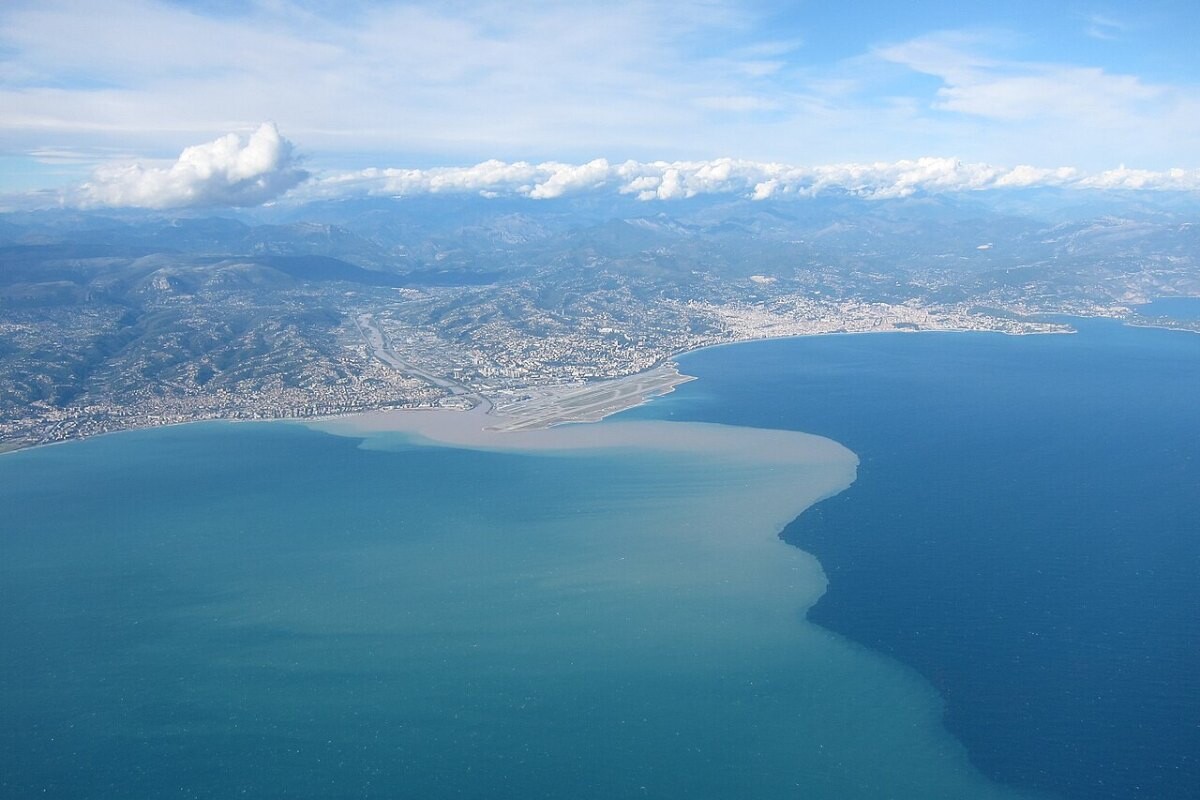
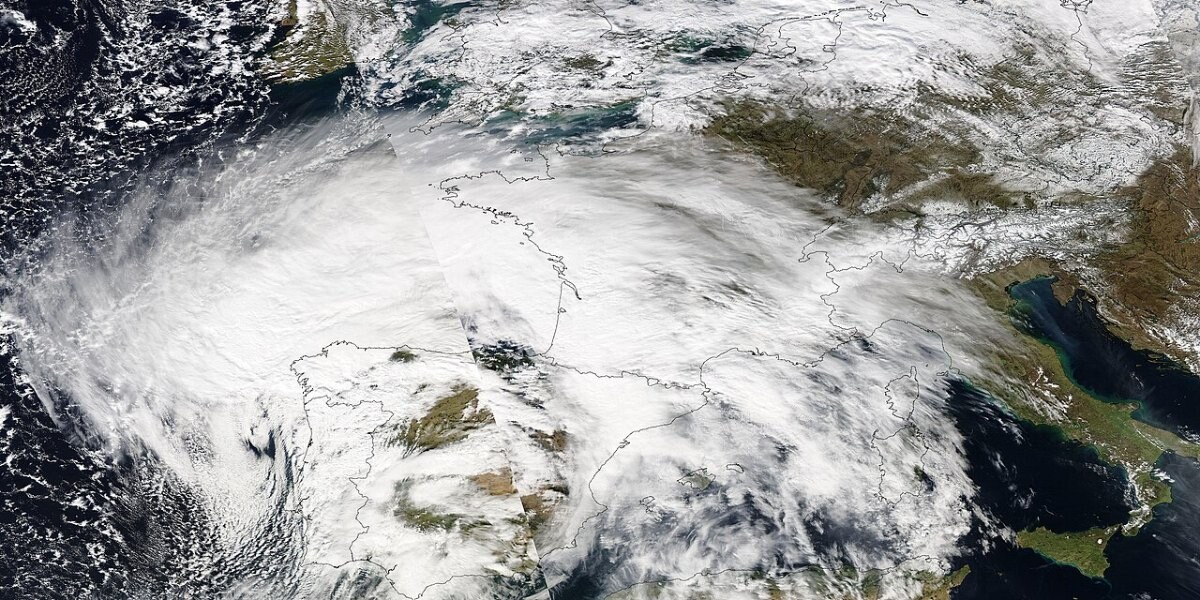
Climate is the second driver. Santé publique France says heat killed between 1,000 and 7,000 people a year in 2014–2022. Heatwaves made up only 6% of summer days but caused 28% of heat deaths (SpF). Heat also drives other risks. In the 19 June–8 July 2025 heatwave, drownings were up 135% on the same period of 2024 (SpF). Nine fatal work accidents in summer 2025 were possibly linked to heat (SpF). Extreme rain is the third risk. Storm Xynthia (28 February 2010) killed 47 people in France, mostly in Vendée and Charente-Maritime, and flash floods in the Var killed 25 that June (Senate report). Storm Alex (2–3 October 2020) killed 18 in the Alpes-Maritimes and caused close to €1 billion of damage (National Assembly). In the overseas departments, Cyclone Chido killed 39 people in Mayotte on 14 December 2024 and injured 4,466 (Senate).
Recent cases
- 16 September 2026: Santé publique France counted at least 817 excess deaths during the 27 July–20 August 2026 heatwave, which matched the longest on record. That brings the summer’s provisional heatwave toll to more than 7,800 (Santé publique France).
- 22 July 2026: The agency reported at least 5,764 excess deaths (+36%) during the 17 June–2 July 2026 heatwave, after the hottest days ever recorded in France. Nearly 2,000 of these deaths were in Île-de-France (Santé publique France).
- 5 May 2026: The summer 2025 drowning survey counted 1,418 drownings and 409 deaths between June and September, up 16% on 2024. Most adult deaths were at sea, and most child deaths in private pools (Santé publique France).
How France compares with the EU
France’s overall accidental death rate is about 14% higher than the EU average. Falls are the biggest single cause, but France’s fall death rate is level with the EU’s. Transport deaths, by contrast, are well below the EU rate. All accidents: France 39.6 vs EU 34.7.
| Cause | France 2013 | France 2023 | EU-27 2023 |
|---|---|---|---|
| All accidents | 38.3 | 39.6 | 34.7 |
| Falls | 10.0 | 13.5 | 13.6 |
| Transport accidents | 5.1 | 3.7 | 4.9 |
| Accidental poisoning | 3.1 | 2.0 | 2.4 |
| Accidental drowning | 1.6 | 1.1 | 1.0 |
Age-standardised death rates per 100,000 people, which remove the effect of different age structures. Latest Eurostat year is 2023. Source: Eurostat, causes of death, standardised death rate (hlth_cd_asdr2), accessed through the EU open data API on 21 October 2026.
Press releases and official reports, 2023–2026
Five key releases a year for the last four years, newest first. Most come from national bodies such as ONISR, the Ministry of the Interior, Santé publique France, the BEA and BEAmer investigation bureaus and the Banque de France, from the Senate and National Assembly, and from research journals; a few news reports are included where they are the clearest public record of an event. Headlines are our English translations of the French originals. Releases from 2007–2022 are in the expandable list after 2023.
2026
- 16 Sep 2026Santé publique FranceHeatwave and health: excess mortality during the heatwave of 27 July to 20 August 2026
- 22 Jul 2026Santé publique France5,764 excess deaths in France during the heatwave of 17 June to 2 July
- 5 May 2026Santé publique FranceDrowning in France: summer 2025 surveillance review
- 3 Mar 2026National AssemblyWritten question no. 10291: Assurance Maladie analyses of occupational risks and deaths at work, with the government's answer
- 26 Feb 2026Santé publique FranceHeat and health: summer 2025 review
2025
- 11 Dec 2025Santé publique FranceFalls, accidents and head injuries: descriptive analyses. Santé publique France Barometer, 2024 results
- 26 Nov 2025Pourquoi DocteurIn 2024, “764 deaths recognised following a workplace accident”
- 30 Sep 2025Santé publique FranceRisk factors for severity in accidental drowning and victim characteristics: analysis of the NOYADES 2018 and 2021 surveys in France
- 22 Aug 2025Santé publique FranceDrowning surveillance during summer 2025: bulletin of 22 August 2025
- 11 Mar 2025Santé publique FranceHeat and health: summer 2024 review
2024
- 20 Nov 2024Santé publique FranceImpact of the first COVID-19 lockdown on domestic accidents in children in France
- 9 Aug 2024Santé publique FranceDrowning surveillance during summer 2024: update at 9 August 2024
- 12 Jul 2024Santé publique FranceDrowning surveillance during summer 2024: update at 12 July 2024
- 22 May 2024Santé publique FranceMore than 1,300 drownings recorded during summer 2023
- 8 Feb 2024Santé publique FranceHeatwave and health review: summer 2023 marked by four heatwaves with a major health impact
2023
- 25 Aug 2023Santé publique FranceSurveillance of drownings followed by death at the scene during summer 2023: situation at 25 August 2023
- 17 Aug 2023Santé publique FranceHeatwave and health: excess mortality, update at 17 August 2023
- 23 Jun 2023Santé publique FranceExtreme heat and heatwaves: a major impact on mortality calling for stronger prevention and adaptation to climate change
- 23 Jun 2023Santé publique FranceEstimating the share of mortality attributable to heat exposure in metropolitan France, summers 2014–2022
- 14 Jun 2023National AssemblyFlash mission on reconstruction of the Roya, Tinée and Vésubie valleys after Storm Alex: communication
View 20 years of major French injury press releases (2007–2026)78 more from 2007–2022, up to five a year, newest first
2022
- 11 Dec 2022Gendarmerie nationale“Winter is coming” for the gendarmerie's specialist mountain rescue units
- 22 Nov 2022Santé publique FranceHeatwave public health bulletin: summer 2022 review
- 17 Aug 2022Santé publique FranceHeatwave and health alert system: national update at 16 August 2022
- 21 Jun 2022Santé publique FranceEpidemiological surveillance of drownings: results of the NOYADES 2021 survey
- 22 Feb 2022Banque des TerritoiresAgeing: launch of an action plan to prevent falls among older people
2021
- 7 Dec 2021Santé publique FranceHeatwave public health bulletin: summer 2021 review
- 26 Oct 2021Santé publique France (BEH)Analysis of mortality from accidents of everyday life in France, 2012–2016
- 10 Sep 2021Santé publique FranceEpidemiological surveillance of drownings: NOYADES 2021 survey, 1 June–31 August 2021
- 13 Jul 2021Santé publique FranceFirst results of the NOYADES survey call on everyone to be more vigilant
- 15 Jun 2021Santé publique FranceLaunch of the NOYADES 2021 survey: for better prevention
2020
- 27 Nov 2020Santé publique FranceSurveillance of the impact of heatwaves on workers' health, 2018–2019
- 28 Oct 2020Santé publique FranceFalls among older people at home: characteristics of fallers and fall circumstances (hospitalisation component of the ChuPADom survey)
- 20 Oct 2020Santé publique FranceHeatwave public health bulletin: summer 2020 review
- 5 Oct 2020Public SénatStorm Alex: “We need the State to release emergency funds”, warns Dominique Estrosi-Sassone
- 20 Feb 2020Parliamentary Office for Scientific and Technological Assessment (OPECST)The scientific and technological issues of preventing and managing accidental risks
2019
- 8 Sep 2019Santé publique FranceHeatwave and health alert system: mortality review of the June and July 2019 heat episodes
- 11 Jun 2019Santé publique FranceDrowning prevention: Agnès Buzyn and Roxana Maracineanu take action ahead of summer
- 11 Jun 2019Santé publique France (BEH)Main results of the NOYADES survey conducted in summer 2018 in France
- 5 Apr 2019Santé publique FranceHead injuries: two new Santé publique France publications
- 1 Apr 2019Santé publique FranceAssessment of excess mortality during the heatwaves of summers 2006 and 2015 in metropolitan France
2018
- 5 Sep 2018Santé publique FranceFourth results of the NOYADES 2018 survey in France
- 16 Aug 2018Santé publique FranceThird results of the NOYADES 2018 survey in France
- 1 Aug 2018Santé publique FranceSecond results of the NOYADES 2018 survey in France
- 12 Jul 2018Santé publique FranceFirst results of the NOYADES 2018 survey in France: more drownings but fewer deaths
- 1 Jun 2018Santé publique FranceLaunch of the NOYADES 2018 survey, 1 June to 30 September 2018
2017
- 19 Dec 2017Santé publique FranceAccidents of everyday life in metropolitan France according to the 2012 Health and Social Protection Survey
- 18 Jul 2017Santé publique FranceSwimming ability of 15–75-year-olds in metropolitan France: analysis of the 2010 and 2016 Health Barometers
- 7 Jul 2017Santé publique FranceSummer risks: a few precautions to take
- 18 Apr 2017Santé publique France (BEH)Summer drownings, from epidemiological surveillance to prevention: results of the NOYADES 2015 survey
- 10 Jan 2017Santé publique France (BEH)Mortality from accidents of everyday life in metropolitan France, 2000–2012
2016
- 3 Nov 2016Santé publique FranceReview of surveillance of heatwave and hot-weather episodes in summer 2016
- 28 Jul 2016Santé publique FranceSummer risks: be vigilant!
- 27 Jul 2016Santé publique FranceReview of health surveillance of the heatwave and hot periods of June and July 2016
- 13 Jul 2016Santé publique FranceAt every age and in every place, drowning remains a danger: adopt the right behaviour!
- 2016Santé publique FranceMortality from accidents of everyday life among children in metropolitan France, 2000–2012 (conference paper)
2015
- 9 Oct 2015Institut de veille sanitaire (now Santé publique France)Review of the heatwave episodes of summer 2015: epidemiological update at 9 October 2015
- 6 Oct 2015Institut de veille sanitaire (now Santé publique France)Epidemiology of injuries in sport in France
- 3 Jul 2015Institut de veille sanitaire (now Santé publique France)Effective interventions to prevent accidents of everyday life in children: a literature review
- 3 Mar 2015Institut de veille sanitaire (now Santé publique France)Communication campaigns targeting young people: an example of action
- 2015Institut de veille sanitaire (now Santé publique France)Accidents among final-year nursery school pupils in metropolitan France in 2012–2013: school-based survey
2014
- 3 Nov 2014Institut de veille sanitaire (now Santé publique France)Setting up epidemiological surveillance of injury deaths among children under 15 in metropolitan France
- 5 May 2014Institut de veille sanitaire (now Santé publique France)Epidemiology of accidents of everyday life among babies under one year old
- 5 May 2014Institut de veille sanitaire (now Santé publique France)Accidents among Year 10 (troisième) pupils: trends 2004–2009
- 4 Feb 2014Institut de veille sanitaire (now Santé publique France)Estimates of home and leisure injuries treated in emergency departments in the adult population living in metropolitan France: a model-assisted approach
- 2014Institut de veille sanitaire (now Santé publique France)Developing national surveillance indicators for work-related road accidents
2013
- 5 Dec 2013SenateWritten question no. 06009 on accidents of everyday life, with the government's answer
- Jun 2013Institut de veille sanitaire (now Santé publique France)Accidents in France: trends and associated factors
- 9 Apr 2013Institut de veille sanitaire (now Santé publique France)First estimates of the impact of the 2010, 2011 and 2012 heatwaves on mortality in metropolitan France
- Mar 2013Institut de veille sanitaire (now Santé publique France)Epidemiological surveillance of drownings: NOYADES 2012 survey, 1 June–30 September 2012
- 2013Institut de veille sanitaire (now Santé publique France)Descriptive epidemiology of falls treated in emergency departments: horses, ladders, stairs, bicycles (EPAC network, metropolitan France)
2012
- Dec 2012Institut de veille sanitaire (now Santé publique France)Mortality from accidents of everyday life among children under 15 (MAC-15): feasibility study in three French regions in 2009
- Mar 2012Institut de veille sanitaire (now Santé publique France)The heatwave and health warning system: principles, foundations and evaluation
- Feb 2012Institut de veille sanitaire (now Santé publique France)The impact of heat islands on mortality in Paris during the August 2003 heatwave
- 2012Institut de veille sanitaire (now Santé publique France)Accidents of everyday life in emergency departments in metropolitan France in 2010, according to the EPAC survey (conference paper)
2011
- Sep 2011Institut de veille sanitaire (now Santé publique France)Occupational health indicators: fatal work-related accidents in France
- 19 Jul 2011Institut de veille sanitaire (BEH)Mortality from accidents of everyday life in metropolitan France, 2000–2008
- May 2011Institut de veille sanitaire (now Santé publique France)Accidents of everyday life among children in their last year of primary school (CM2) in 2004–2005
- Mar 2011Institut de veille sanitaire (now Santé publique France)Climate change and heatwaves in urban areas: the contribution of remote sensing to anticipating and managing health impacts
- 2011Institut de veille sanitaire (now Santé publique France)The heatwave and health warning system: integrated surveillance from local to national level
2010
- 7 Jul 2010SenateInformation report no. 647 on the consequences of Storm Xynthia, volume I
- 16 Jun 2010SenateThe joint information mission on Storm Xynthia presents its interim report
- Jun 2010Institut de veille sanitaire (now Santé publique France)Epidemiology of accidents of everyday life in children
- 6 May 2010SenatePress release of 6 May 2010: first findings and proposals of the Storm Xynthia information mission
- 2 Mar 2010Institut de veille sanitaire (BEH)Mortality from accidents of everyday life in metropolitan France, 2000–2006
2009
- 8 Dec 2009Institut de veille sanitaire (now Santé publique France)Mortality from accidents of everyday life, Réunion island, 2000–2004
- 22 Jun 2009European ParliamentEU Solidarity Fund: mobilisation for France following storm Klaus in 2009
- May 2009Institut de veille sanitaire (now Santé publique France)Health impacts of climate change in France: cost elements, with the examples of heatwaves and floods
- 20 Jan 2009National AssemblyWritten question no. 30478 on mountain safety, with the government's answer
2008
- Dec 2008Institut de veille sanitaire (now Santé publique France)Accidents of everyday life in metropolitan France: 2004 Health and Social Protection Survey
- 13 May 2008Institut de veille sanitaire (BEH)The heavy toll of accidental drownings: 401 deaths in France in summer 2006
- 2008Institut de veille sanitaire (now Santé publique France)Epidemiological surveillance of drownings: NOYADES 2006 survey, 1 June–30 September 2006
- 2008Institut de veille sanitaire (now Santé publique France)Accidents of everyday life according to the 2002–2003 Decennial Health Survey: first results
- 2008Institut de veille sanitaire (now Santé publique France)Incidence and epidemiology of hand injuries from accidents of everyday life: EPAC 2004–2005 (conference paper)
2007
- Nov 2007Institut de veille sanitaire (now Santé publique France)Accidental falls of children from height in Île-de-France, Nord-Pas-de-Calais and Provence-Alpes-Côte d'Azur, 15 March – 15 October 2006
- 2 Oct 2007Institut de veille sanitaire (BEH)Several hundred thousand falls among older people every year in France
- 2 Oct 2007Institut de veille sanitaire (BEH)Mortality from accidents of everyday life in metropolitan France, 2000–2004
- 2 Oct 2007Institut de veille sanitaire (BEH)Deaths from falls in Europe: the situation in 2003 and prospects offered by the Anamort project
- 2007Institut de veille sanitaire (now Santé publique France)Risk of death from accidents of everyday life in Europe, 1994–2003 (conference paper, Journées de veille sanitaire)
Many years list fewer than five items, and some have none yet. Several official archives (Légifrance, older ministry pages and PDFs) could not be opened when we compiled this list, and we only list items we could open and check. We are still adding to these lists. Where a page shows no date, the date comes from the publisher’s own index; annual reports with no printed date are listed under the year they cover or were released.
Photo list
How this page is built. Figures come from the official statistical releases and research linked above; where agencies publish provisional numbers we say so, because they are revised. National death data come from Inserm’s cause-of-death centre (CépiDc) and take two to three years to finalise, and some figures cover metropolitan France only while others include the overseas departments, so we say which year, area and source each figure covers. Money is given in euros. Headlines and quotes are our translations from French. Photos are public-domain or Creative Commons images credited in each caption; file photos are illustrative and are not from the events described unless the caption says so. This page tracks trends and is not personal safety, medical, legal or financial advice.