
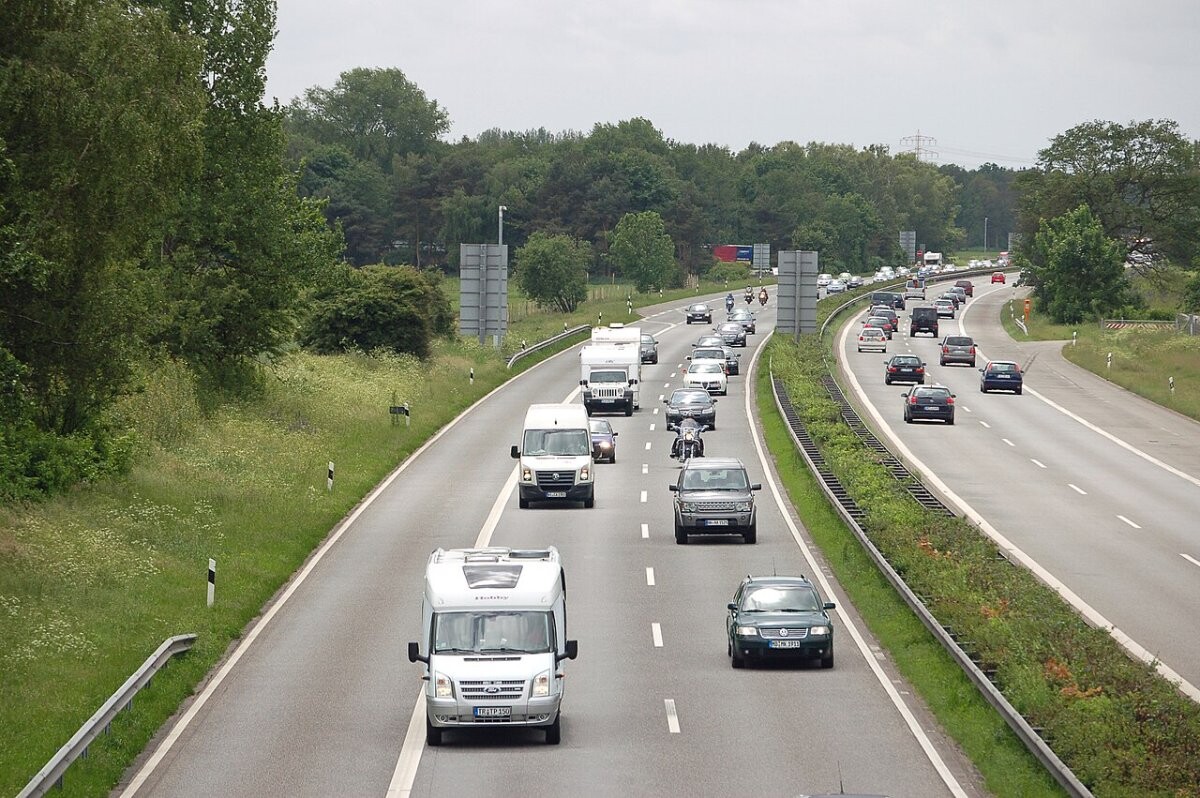
Trend summary
- German roads are far safer than a generation ago, but progress has stalled: road deaths have hovered around 2,800 a year since 2022, well above the path needed for the national goal of 40% fewer deaths by 2030.
- 2,832 people died on German roads in 2025, 62 more than in 2024, while the number seriously injured fell to 49,200, the lowest since 1991 (Destatis, final figures).
- The first half of 2026 looks better: 1,233 deaths from January to June, 9% fewer than a year earlier (provisional).
- The growth is on two wheels: 462 cyclists were killed in 2025, 217 of them on pedelecs (e-bikes), and e-scooter accidents with casualties rose 38.1%.
What the numbers show
The Federal Statistical Office (Statistisches Bundesamt, or Destatis) counts every road accident recorded by the police in Germany. Its final figures for 2025 (in German) show 2,832 deaths, up from 2,770 in 2024 and about the same as the 2,839 of 2023. That is eight deaths a day. Around 371,000 people were injured, 49,200 of them seriously, and the police recorded 2.52 million accidents, most of which caused only damage. The long-run fall is large: about 9,500 people were killed in 1995, and the toll reached a record low of 2,562 in 2021, when the pandemic kept traffic down. Since then it has climbed back and stayed near 2,800.
The first half of 2026 (in German) brought 1,233 deaths, 122 fewer than in the same period of 2025, with fewer pedestrians (150), cyclists (211), car occupants (531) and motorcyclists (216) killed. E-scooters were the exception: 28 riders died, up from 15. These figures are provisional, and Destatis now publishes road accident press releases only for half-year and full-year results; the monthly numbers stay on its website. Where people die differs sharply from where crashes happen: three in four accidents are in towns, but 56% of deaths in 2025 were on rural roads (Landstraßen), 34% in built-up areas and 10% on motorways (Autobahnen).
What is driving it
Speed is still the leading cause of fatal crashes. In 2025, 812 people, 29% of all road deaths, died in crashes where a driver exceeded the limit or drove too fast for the conditions; on motorways the share was 42%. Alcohol was involved in about 34,800 accidents, one every 15 minutes, and 170 deaths. Rural roads combine high speeds with oncoming traffic, poor overtaking and roadside trees, which is why the federal transport ministry made them the focus of its second national road safety conference in April 2026, and why the German Road Safety Council (Deutscher Verkehrssicherheitsrat, DVR) warns (in German) that the 40% reduction target of the federal road safety programme 2021–2030, Germany’s Vision Zero plan, is now hard to reach.
The other shift is who is dying. Destatis reports that one in six road deaths in 2025 was a cyclist (in German): 462 people, 20.6% more than in 2015, while total road deaths fell 18.4% over the same period. The rise comes from pedelecs, whose rider deaths grew from 36 in 2015 to 217 in 2025. Older riders are most at risk: 61.5% of cyclists killed, and 67.3% of pedelec riders killed, were 65 or older. E-scooters are a smaller but fast-growing problem; police recorded 16,496 e-scooter accidents with casualties (in German) in 2025, and 38 people died in them, more than half of the injured riders being under 25. Child casualties also rose: 74 children under 15 were killed (in German) in 2025, up from 53.
Recent cases
- 27 September 2026: a coach carrying 33 passengers to the Oktoberfest overturns on the A96 motorway in Landsberg district, Bavaria, killing two people and seriously injuring eight; police are investigating the driver for negligent homicide (BR24, in German).
- 24 September 2026: Destatis reports 1,233 road deaths in the first half of 2026, 9% fewer than a year earlier, but more e-scooter riders killed and more children and teenagers injured (Destatis, in German).
- 12 September 2026: after three motorcyclists die within days on the B500 Black Forest High Road in Baden-Württemberg, where four of 23 motorcycle crashes this year were fatal, police step up speed checks and local mayors call for new safety measures (SWR, in German).
Press releases and official reports, 2023–2026
Five key releases a year for the last four years, newest first. Most come from German federal and state government agencies, regulators, accident investigators and national statistics; a few news reports are included where they are the clearest public record of an event. Many official releases are published only in German; for those we give an English translation of the title and mark the link (in German). Releases from 2007–2022 are in the expandable list after 2023.
2026
- 24 Sep 2026DestatisRoad traffic accidents in the first half of 2026: more accidents, but fewer road deaths (in German)
- 16 Jul 2026Destatis38.1% more e-scooter accidents with casualties in 2025 (in German)
- 7 Jul 2026Destatis8 deaths and more than 1,000 injured a day in road traffic accidents in 2025 (in German)
- 27 Apr 2026DestatisOne in six people killed on the roads in 2025 was on a bicycle (in German)
- 25 Feb 2026DestatisRoad accident review 2025: 44 more road deaths than the year before (in German)
2025
- 10 Dec 2025BAStTotal number of road traffic accidents in Germany unchanged (in German)
- 9 Dec 2025DVRDestatis projection: more road deaths call for greater effort at every level (in German)
- 13 Nov 2025DVRWorld Day of Remembrance: 2,770 road deaths in Germany, time for decisive action by federal, state and local government (in German)
- 9 Jul 2025DestatisAn average of 8 deaths and almost 1,000 injured a day in road traffic accidents in 2024 (in German)
- 28 Feb 2025DestatisRoad accident review 2024: 59 fewer road deaths than the year before (in German)
2024
- 13 Dec 2024BAStNumber of road accidents constant despite more kilometres driven (in German)
- 12 Dec 2024DestatisRoad deaths in 2024 expected to be almost unchanged on the previous year (in German)
- 5 Jul 2024DestatisAn average of 8 deaths and 1,004 injured a day on the roads in 2023 (in German)
- 5 Jul 2024DVRAccident figures 2023: 437 pedestrians killed (in German)
- 27 Feb 2024DVRRoad accident review 2023: an 80 km/h limit on rural roads would save lives (in German)
2023
- 14 Dec 2023BAStFewer people seriously injured and killed on the roads (in German)
- 11 Dec 2023DestatisRoad deaths expected to fall slightly to 2,750 in 2023 (in German)
- 21 Sep 2023BAStGermany’s e-scooter regulation (Elektrokleinstfahrzeuge-Verordnung) evaluated (in German)
- 2 Mar 2023DestatisCORRECTION: Older people have fewer traffic accidents
- 24 Feb 2023DestatisTraffic accidents in 2022: 220 more fatalities than in the previous year
View 20 years of major German road crash press releases (2007–2026)73 more from 2007–2022, up to five a year, newest first
2022
- 9 Dec 2022BAStPositive trend continues: accidents still falling (in German)
- 23 Sep 2022Destatis44 traffic accident fatalities more in July 2022 than in the same month a year earlier
- 7 Jul 2022DestatisTraffic accidents, 2021: all-time low for accident fatalities and people injured
- 5 Apr 2022BAStFewer serious road accidents involving children (in German)
- 25 Feb 2022DestatisTraffic accidents in 2021: number of fatalities down by 150 compared with a year earlier
2021
- 21 Dec 2021BAStRoad traffic accidents in 2021: number killed and injured continues to fall (in German)
- 16 Nov 2021DestatisRoad traffic accidents involving older people, 2020 (in German)
- 20 May 2021BAStCycle helmets are becoming ever more popular (in German)
- 22 Apr 2021DestatisNew record low of 128 traffic accident fatalities in February 2021
- 25 Feb 2021DestatisTraffic accident fatalities down 10.6% in 2020
2020
- 17 Dec 2020BAStFewer accidents and deaths on the roads (in German)
- 15 Dec 2020BAStAlcohol ban for novice drivers: fewer accidents, high acceptance (in German)
- 14 Jul 2020DestatisRoad traffic accidents in 2019: number of fatalities at a record low
- 19 Jun 2020DestatisNumber of road traffic accidents down 35% in April 2020 year on year
- 27 Feb 2020DestatisTraffic accident fatalities down 6.6% in 2019
2019
- 10 Dec 2019DestatisNumber of traffic accident fatalities expected to fall to a new record low in 2019
- 9 Sep 2019DestatisRoad traffic accidents involving older people, 2018 (in German)
- 30 Aug 2019DestatisChild road traffic accidents, 2018 (in German)
- 21 Jun 2019DestatisAccident fatalities in April 2019: number of fatalities down by 44 on the same month of the previous year
2018
- 21 Dec 2018DestatisTraffic accident fatalities up by roughly 13% in October 2018 year on year
- 17 Sep 2018DestatisRoad traffic accidents involving older people, 2017 (in German)
- 29 Aug 2018DestatisChild road traffic accidents, 2017 (in German)
- 12 Jul 2018Destatis“Road accident trends on German roads 2017”: press conference briefing material (in German)
- 22 Jan 2018Destatis247 traffic accident fatalities in November 2017
2017
- 7 Dec 2017DestatisNumber of traffic accident fatalities again expected to decline in 2017, by roughly 1%
- 11 Sep 2017DestatisRoad traffic accidents involving older people, 2016 (in German)
- 16 Aug 2017DestatisChild road traffic accidents, 2016 (in German)
- 28 Mar 2017DestatisChild road traffic accidents, 2015 (in German)
2016
- 12 Oct 2016DestatisRoad traffic accidents, annual results 2015 (Fachserie 8 Reihe 7) (in German)
- 31 Aug 2016DestatisRoad traffic accidents involving older people, 2015 (in German)
- 12 Jul 2016DestatisRoad accident review 2015: more accidents and more road deaths (in German)
- 12 Jul 2016DestatisRoad accident trends on German roads 2015 (press conference report) (in German)
- 25 Feb 2016DestatisNumber of traffic accident fatalities up 2.9% in 2015
2015
- 2 Oct 2015DestatisTwo-wheeler road traffic accidents, 2014 (in German)
- Aug 2015DestatisChild road traffic accidents, 2014 (in German)
- 29 Jul 2015DestatisRoad traffic accidents involving older people, 2014 (in German)
2014
- 22 Dec 2014DestatisRoad traffic accidents, annual results 2013 (Fachserie 8 Reihe 7) (in German)
- 19 Nov 2014DestatisTwo-wheeler road traffic accidents, 2013 (in German)
- 29 Sep 2014DestatisRoad traffic accidents involving older people, 2013 (in German)
- 18 Aug 2014DestatisChild road traffic accidents, 2013 (in German)
2013
- 19 Sep 2013DestatisRoad traffic accidents involving older people, 2012 (in German)
- 3 Sep 2013DestatisTwo-wheeler road traffic accidents, 2012 (in German)
- 16 Aug 2013DestatisChild road traffic accidents, 2012 (in German)
- 24 Jul 2013DestatisTwo-wheeler road traffic accidents, 2011 (in German)
- 10 Jul 2013DestatisRoad accident trends on German roads 2012 (press conference report) (in German)
2012
- 25 Oct 2012DestatisRoad traffic accidents involving older people, 2011 (in German)
- 28 Aug 2012DestatisChild road traffic accidents, 2011 (in German)
- 6 Jul 2012DestatisRoad traffic accidents, annual results 2011 (Fachserie 8 Reihe 7) (in German)
- 11 Apr 2012DestatisTwo-wheeler road traffic accidents, 2010 (in German)
2011
- 24 Oct 2011DestatisAlcohol-related road traffic accidents, 2010 (in German)
- 30 Sep 2011DestatisRoad traffic accidents involving older people, 2010 (in German)
- 31 Aug 2011DestatisChild road traffic accidents, 2010 (in German)
- 6 Jul 2011DestatisRoad accident trends on German roads 2010 (press conference report) (in German)
- 6 Jul 2011DestatisRoad traffic accidents, annual results 2010 (Fachserie 8 Reihe 7) (in German)
2010
- 29 Oct 2010DestatisAlcohol-related road traffic accidents, 2009 (in German)
- 20 Oct 2010DestatisRoad traffic accidents involving older people, 2009 (in German)
- 16 Sep 2010DestatisChild road traffic accidents, 2009 (in German)
- 15 Jul 2010DestatisRoad accident trends in road traffic 2009 (in German)
- 10 Jun 2010DestatisTwo-wheeler road traffic accidents, 2008 (in German)
2009
- 7 Dec 2009DestatisAlcohol-related road traffic accidents, 2008 (in German)
- 14 Sep 2009DestatisChild road traffic accidents, 2008 (in German)
- 8 Jul 2009DestatisRoad accident trends on German roads 2008 (press conference report) (in German)
- 8 Jul 2009DestatisRoad traffic accidents, annual results 2008 (Fachserie 8 Reihe 7) (in German)
- 5 Jan 2009DestatisTwo-wheeler road traffic accidents, 2007 (in German)
2008
- 17 Dec 2008DestatisRoad traffic accidents involving older people, 2007 (in German)
- 8 Dec 2008DestatisChild road traffic accidents, 2007 (in German)
- 4 Dec 2008DestatisAlcohol-related road traffic accidents, 2007 (in German)
- 30 Oct 2008DestatisRoad traffic accidents, annual results 2007 (Fachserie 8 Reihe 7) (in German)
2007
- 21 Dec 2007DestatisTwo-wheeler road traffic accidents, 2006 (in German)
- 14 Nov 2007DestatisRoad traffic accidents, annual results 2006 (Fachserie 8 Reihe 7) (in German)
- 9 Nov 2007DestatisRoad traffic accidents involving older people, 2006 (in German)
- 5 Nov 2007DestatisAlcohol-related road traffic accidents, 2006 (in German)
- 14 Sep 2007DestatisChild road traffic accidents, 2006 (in German)
Some early years list fewer than five items. Many older German government releases are no longer online at their original addresses, and we only list items we could find and check.
Photo list
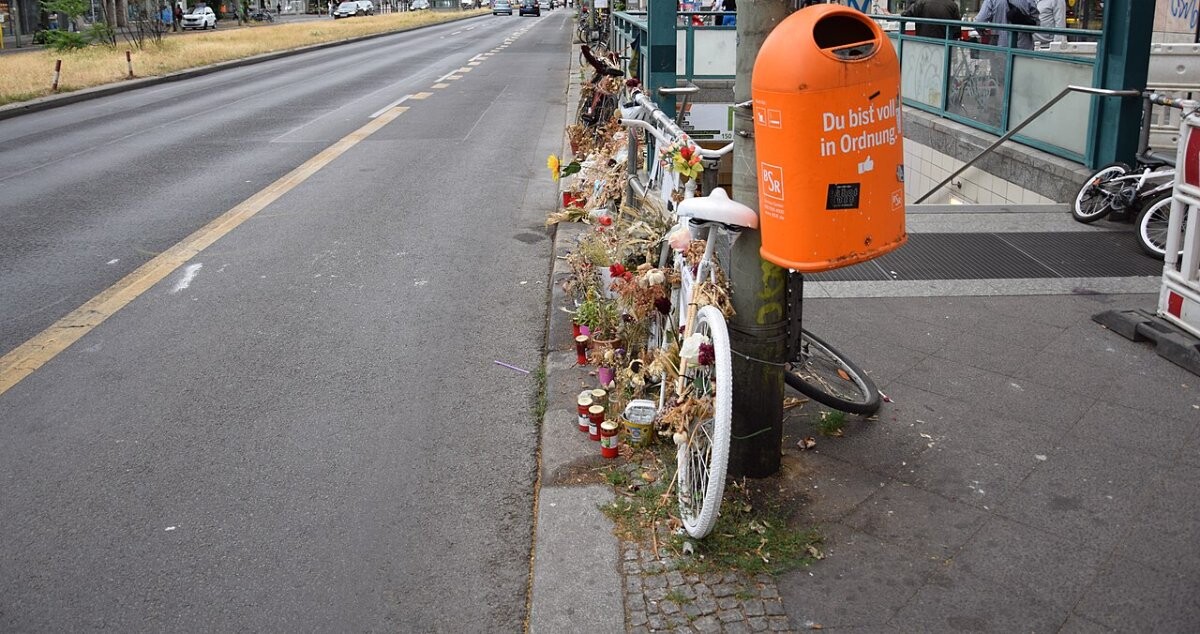
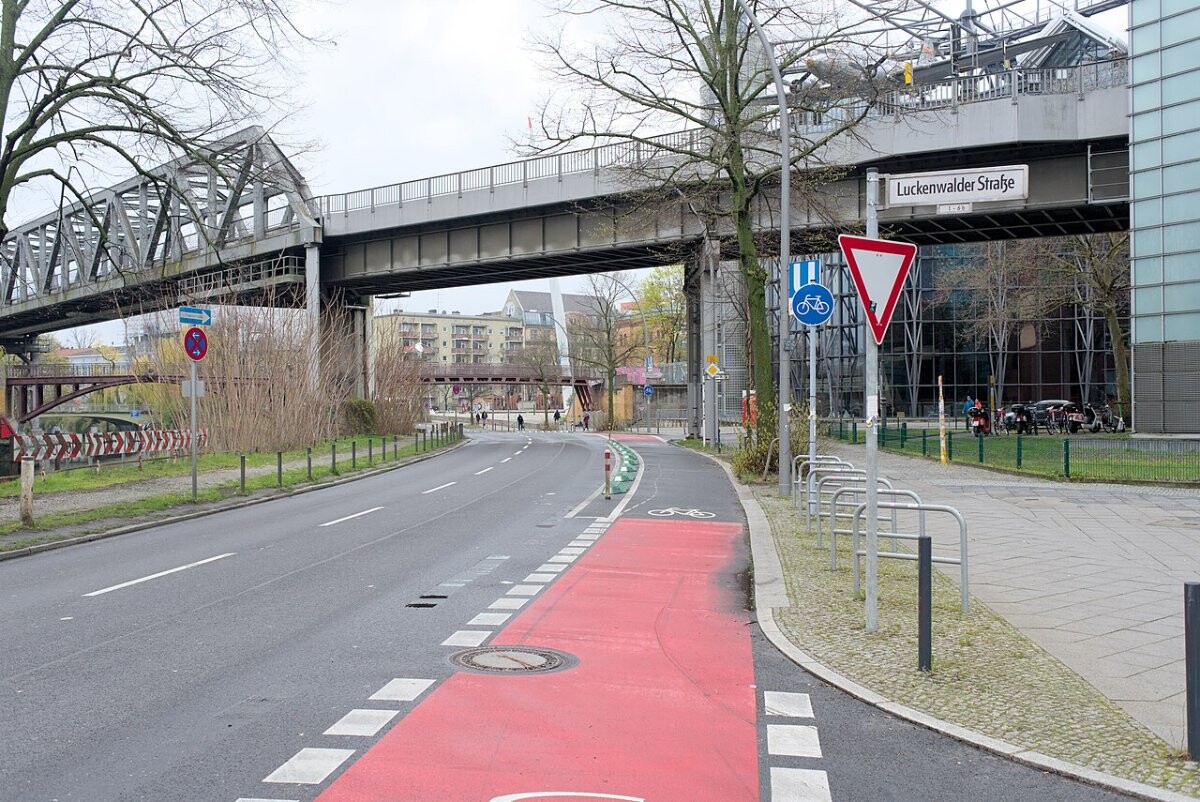
How this page is built. Figures come from the official statistical releases linked above; where agencies publish provisional numbers we say so, because they are revised. German statistics are often published separately by each federal state (Land) and some only in German, so we say which area and period each figure covers and translate titles. Photos are public-domain or Creative Commons images credited in each caption; file photos are illustrative and are not from the events described unless the caption says so. This page tracks trends and is not personal safety, medical, legal or financial advice.