
Trend summary
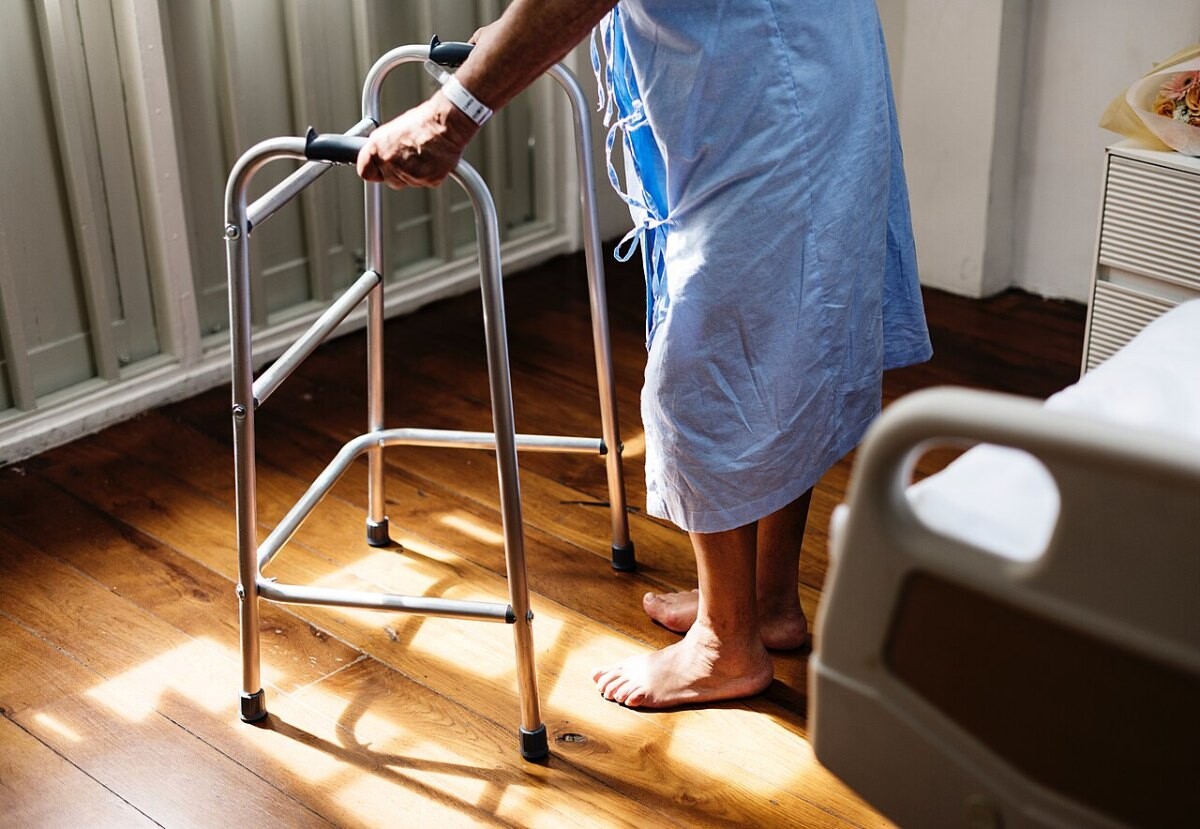
- Work has never been safer in Britain. Home has become more dangerous, mainly for older people.
- 23,270 people died in accidents in the UK in 2023, an 8% rise per head in a year. Accidental death rates rose 42% between 2013 and 2022.
- Falls caused 11,110 of those deaths, up 12% in one year. Drug poisoning deaths in England and Wales reached a record 5,565 in 2024.
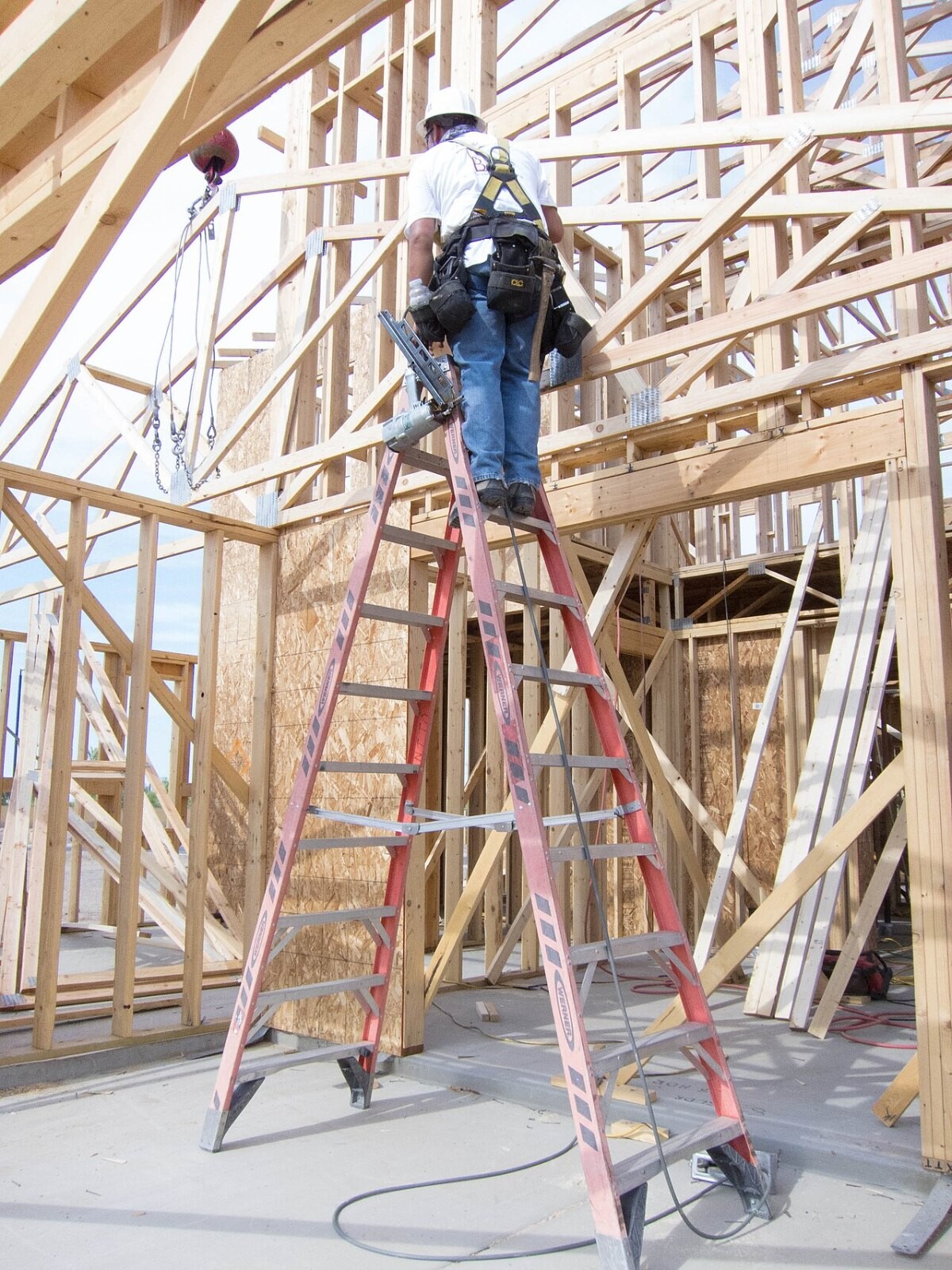
- At work, 126 people were killed in Great Britain in 2025-26, provisionally the lowest number on record.
What the numbers show
The RoSPA Annual Review of Accidents 2026, which pulls together death registrations from all four nations, counts 23,270 accidental deaths in 2023 (this total includes road deaths, which have their own page). Falls killed 11,110 people and caused 532,628 of 896,723 accident-related hospital admissions in 2023-24. ONS recorded 5,565 drug poisoning deaths in England and Wales in 2024, the highest since records began in 1993, and Scotland recorded 1,133 drug deaths in 2025, up 11%.
Work tells the opposite story. HSE counts 126 worker deaths in 2025-26, against 217 in 2005-06 and 495 in 1981. Falls from height still caused 31 of them. An estimated 680,000 workers had a non-fatal injury at work in 2024-25.
What is driving it
Age is the main driver. People aged 75 and over have an accidental death rate of 191 per 100,000, and their falls death rate rose 11% in a year (RoSPA). A peer-reviewed study of 527 coroners’ reports on falls deaths (Age and Ageing, 2023) found repeated failures in falls risk assessment and handover between services. Drug deaths are rising because an older group of long-term users is ageing, cocaine deaths are up and potent synthetic opioids called nitazenes have appeared. Deprivation cuts across all of it: the poorest 10% are 85% more likely to die in an accident than the richest 10%.
Recent cases
- 23 September 2026: National Records of Scotland reports 1,133 drug deaths in 2025, up 11%, with nitazenes involved in 22% (NRS).
- 1 July 2026: HSE reports 126 worker deaths in 2025-26, the lowest on record; falls from height remain the top cause (HSE).
- 27 May 2026: the National Water Safety Forum reports 202 accidental drownings in the UK in 2025, mostly at inland waters (NWSF).
Press releases and official reports, 2023–2026
Five key releases a year for the last four years, newest first. Most come from UK government departments, regulators, accident investigators and national statistics; a few news reports are included where they are the clearest public record of an event. Releases from 2007–2022 are in the expandable list after 2023.
2026
- 1 Oct 2026OPSSSafety alert issued for baby sleeping bags
- 23 Sep 2026NRSDrug-related deaths in Scotland, 2025
- 1 Jul 2026HSELatest annual work-related fatalities published
- 27 May 2026NWSF202 accidental water-related fatalities in 2025 – inland locations like rivers, lakes and reservoirs account for majority of deaths
- Apr 2026RoSPAAnnual Review of Accidents 2026: Rising deaths, deepening divides
2025
- 20 Nov 2025HSEHSE publishes annual workplace health and safety statistics
- 17 Oct 2025ONSDeaths related to drug poisoning in England and Wales: 2024 registrations
- 2 Sep 2025NRSDrug-related deaths in Scotland, 2024
- 28 May 2025NWSF193 accidental water-related fatalities in 2024 – with more warm weather ahead, public urged to Respect the Water
- 7 Apr 2025RoSPAPreventable accidents in the UK are rising and deaths reach an all-time high, warns new report
2024
- 20 Nov 2024HSEHealth and Safety statistics: 2023 to 2024 annual release
- 23 Oct 2024ONSDeaths related to drug poisoning in England and Wales: 2023 registrations
- 19 Sep 2024OPSSOPSS issues Safety Alert to warn of the risks of water beads
- 20 Aug 2024NRSDrug-related deaths in Scotland in 2023
- 30 May 2024NWSF236 ACCIDENTAL WATER RELATED FATALITIES IN 2023
2023
- 19 Dec 2023ONSDeaths related to drug poisoning in England and Wales: 2022 registrations
- 22 Nov 2023HSEHealth and Safety statistics: 2022 to 2023 annual release
- 16 Aug 2023OPSSOPSS warns of magnetic reusable water balloons danger
- 6 Jul 2023HSEWork-related fatal injuries in Great Britain, April 2022 to March 2023
- 18 May 2023NWSFPUBLIC URGED TO 'RESPECT THE WATER' AS LATEST STATISTICS SHOW 226 ACCIDENTAL DROWNINGS IN 2022, WITH MORE DYING AT INLAND WATER THAN AT THE COAST
View 20 years of major UK injury press releases (2007–2026)80 more from 2007–2022, five a year, newest first
2022
- 30 Nov 2022OPSSUrgent Safety Alert issued for baby self-feeding pillows
- 23 Nov 2022HSEHealth and Safety statistics: 2021 to 2022 annual release
- 3 Aug 2022ONSDeaths related to drug poisoning in England and Wales: 2021 registrations
- 25 Jul 2022NWSF50 UK organisations unite to launch UK's largest ever drowning prevention campaign
- 6 Jul 2022HSEFatal injuries in the workplace in Great Britain 2021 to 2022 (year end March): annual release
2021
- 16 Dec 2021HSEHealth and Safety statistics: 2020 to 2021 annual release
- 6 Dec 2021Home OfficeFrom harm to hope: A 10-year drugs plan to cut crime and save lives
- 27 Sep 2021OPSSOPSS raises awareness on magnets safety
- 3 Aug 2021ONSDeaths related to drug poisoning in England and Wales: 2020 registrations
- 7 Jul 2021HSEFatal injuries in the workplace in Great Britain 2020 to 2021 (year end March): annual release
2020
- 4 Nov 2020HSEHealth and Safety Statistics: 2019 to 2020 annual release
- 14 Oct 2020ONSDeaths related to drug poisoning in England and Wales: 2019 registrations
- 1 Jul 2020HSEFatal injuries in the workplace in Great Britain 2019 to 2020 (year end March): annual release
- 10 Jun 2020NWSFAccidental drowning deaths continue to fall across the UK: 2019 WAID report
- 27 Feb 2020Home OfficeReview of drugs: phase one report
2019
- 30 Oct 2019HSEHealth and safety statistics: 2018 to 2019 annual release
- 7 Oct 2019OPSSCheck your blind cords and keep your home safe
- 15 Aug 2019ONSDeaths related to drug poisoning in England and Wales: 2018 registrations
- 27 Jun 2019OPSSButton batteries campaign: how to stay safe
- 1 May 2019NWSF2018 UK Water Related Fatalities Published
2018
- 3 Dec 2018OPSSLaser pointers are not toys
- 31 Oct 2018HSEHealth and safety statistics: 2017/18 annual release
- 6 Aug 2018ONSDeaths related to drug poisoning in England and Wales: 2017 registrations
- 4 Jul 2018HSEFatal injuries arising from accidents at work in Great Britain, 2017 to 2018
- 4 May 2018NWSF255 people lost their lives in accidental drownings in the UK in 2017
2017
- 1 Nov 2017HSEHealth and safety statistics: 2016/17 annual release
- 2 Aug 2017ONSDeaths related to drug poisoning in England and Wales: 2016 registrations
- 14 Jul 2017Home OfficeDrug strategy 2017
- 5 Jul 2017HSEFatal injuries in the workplace in Great Britain to March 2017: annual release
- 25 Jan 2017PHEFalls and fractures: consensus statement and resources pack
2016
- 12 Dec 2016ACMDReducing opioid-related deaths in the UK
- 2 Nov 2016HSEHealth and safety statistics: 2015/16 annual release
- 9 Sep 2016ONSDeaths related to drug poisoning in England and Wales: 2015 registrations
- 6 Jul 2016HSEFatal injuries in the workplace in Great Britain to March 2016: annual release
- 28 Jan 2016legislation.gov.ukPsychoactive Substances Act 2016
2015
- 27 Oct 2015HSEHealth and safety statistics: 2014/15 annual release
- 3 Sep 2015ONSDeaths Related to Drug Poisoning in England and Wales: 2014 registrations
- 1 Jul 2015HSEFatal injuries in the workplace in Great Britain to March 2015
- 12 Mar 2015ACMDACMD publishes major cocaine report
- 22 Jan 2015legislation.gov.ukThe Construction (Design and Management) Regulations 2015
2014
- 14 Nov 2014ACMDACMD recommends ban for two legal highs linked to deaths
- 30 Oct 2014Home OfficeNew psychoactive substances review: report of the expert panel
- 29 Oct 2014HSEHealth and safety statistics, 2013 to 14
- 3 Sep 2014ONSDeaths Related to Drug Poisoning in England and Wales: 2013
- 2 Jul 2014HSEFatal injuries in the workplace: 1 Mar 2013 to 30 Apr 2014
2013
- 28 Nov 2013ACMDACMD recommends permanent ban on two "legal highs"
- 28 Aug 2013ONSDeaths Related to Drug Poisoning in England and Wales: 2012
- 12 Jun 2013legislation.gov.ukThe Reporting of Injuries, Diseases and Dangerous Occurrences Regulations 2013
- 12 Jun 2013NICEFalls in older people: assessing risk and prevention
- 13 Feb 2013ACMDACMD advice on tramadol
2012
- 18 Oct 2012ACMDACMD: further consideration of the synthetic cannabinoids
- 29 Aug 2012ONSDeaths Related to Drug Poisoning in England and Wales: 2011
- 25 Jun 2012legislation.gov.ukThe Health and Safety (Fees) Regulations 2012
- 27 Mar 2012ACMDStatement of evidence: methoxetamine
- 26 Jan 2012legislation.gov.ukThe Reporting of Injuries, Diseases and Dangerous Occurrences (Amendment) Regulations 2012
2011
- 20 Dec 2011ACMDACMD: consideration of the use of foil as an intervention, to reduce the harms of heroin and cocaine (December 2011)
- 28 Nov 2011DWPReclaiming health and safety for all (Löfstedt report)
- 25 Oct 2011ACMDNovel psychoactive substances report (2011)
- 24 Jul 2011legislation.gov.ukThe Toys (Safety) Regulations 2011
- 20 Jul 2011ACMDACMD advice on phenazepam
2010
- 8 Dec 2010Home OfficeDrug strategy 2010
- 2 Nov 2010ACMDACMD advice on 'Ivory Wave'
- 15 Oct 2010Cabinet OfficeCommon sense, common safety: a report by Lord Young of Graffham
- 12 Apr 2010legislation.gov.ukThe Misuse of Drugs Act 1971 (Amendment) Order 2010
- 13 Jan 2010ACMDACMD letter to Home Secretary: Mephedrone (and related cathinones)
2009
- 9 Dec 2009legislation.gov.ukThe Misuse of Drugs Act 1971 (Amendment) Order 2009
- 12 Nov 2009legislation.gov.ukCoroners and Justice Act 2009
- 25 Aug 2009ACMDACMD letter to the Home Secretary on the government's consultation on GBL and 1,4-butanediol
- 12 Aug 2009ACMDACMD report on the major cannabinoid agonists
- 21 May 2009ACMDACMD 1-benzylpiperazine (BZP) Report (2008)
2008
- 16 Oct 2008legislation.gov.ukHealth and Safety (Offences) Act 2008
- 16 Sep 2008ACMDACMD letter to the Home Office: MDMA review, 2008
- 6 Aug 2008ACMDACMD advice on steroids to ministers
- 19 Jun 2008legislation.gov.ukThe Supply of Machinery (Safety) Regulations 2008
- 18 Jan 2008MAIBSafety lessons: dangers of hazardous cargo and enclosed spaces on ships
2007
- 15 Nov 2007MAIBSafety lessons: checking a vessel for watertight integrity
- 4 Sep 2007MAIBSafety lessons: operating a vessel in heavy weather conditions
- 26 Jul 2007legislation.gov.ukCorporate Manslaughter and Corporate Homicide Act 2007
- 7 Feb 2007legislation.gov.ukThe Construction (Design and Management) Regulations 2007
- 23 Jan 2007legislation.gov.ukThe Work at Height (Amendment) Regulations 2007
Photo list
How this page is built. Figures come from the official statistical releases linked above; where agencies publish provisional numbers we say so, because they are revised. UK statistics are often published separately for England, Wales, Scotland and Northern Ireland, so we say which area each figure covers. Photos are public-domain, Creative Commons or Open Government Licence images credited in each caption; file photos are illustrative and are not from the events described unless the caption says so. This page tracks trends and is not personal safety, medical, legal or financial advice.