

Trend summary
- Heart disease, diabetes and cancer are Mexico’s three biggest killers. In 2024 they caused 400,203 of 819,672 registered deaths, close to half, according to INEGI.
- Preliminary 2025 figures show deaths easing: 177,673 from heart disease, 106,874 from diabetes and 92,006 from cancer. Diabetes deaths peaked at 151,019 in 2020, during Covid.
- The 2022 national health survey (ENSANUT) found 18.3% of adults have diabetes, nearly a third of them undiagnosed. Almost half have high blood pressure, and 36.9% are obese.
- Mexico taxed sugary drinks from 2014, put black warning labels on food from 2020, banned junk food sales in schools from March 2025 and outlawed the sale of vapes in January 2026. The drinks tax rose to MX$3.08 a litre in 2026.
What the numbers show
INEGI publishes causes of death from death certificates each year: a preliminary count in the summer and final figures in the autumn. In 2024, final figures show 819,672 registered deaths. Heart disease caused 192,518, diabetes 112,577 and malignant tumours (cancer) 95,108. Liver disease (40,645), cerebrovascular disease (34,784), chronic obstructive pulmonary disease (19,136) and kidney failure (17,352) were also in the top ten (INEGI, Nov 2025). Preliminary data for 2025 show 762,494 deaths, with 177,673 from heart disease, 106,874 from diabetes and 92,006 from cancer (INEGI, Aug 2026). The longer view: in 2019 heart disease killed 156,041 people, diabetes 104,354 and cancer 88,680 (INEGI). Covid pushed diabetes deaths to 151,019 in 2020, about 14% of all deaths (INEGI). In 2021 heart disease deaths reached 225,449 and diabetes 140,729; by 2022 they were down to 200,023 and 115,025 (INEGI), and in 2023 to 189,210 and 110,059 (INEGI). In the first quarter of 2026, INEGI counted 49,252 heart disease deaths, against 51,382 a year earlier (INEGI; INEGI).
The national health and nutrition survey, ENSANUT, measures risk factors with blood tests and blood pressure readings. In 2022, 18.3% of adults aged 20 and over had diabetes: 12.6% knew it and 5.8% did not. Another 22.1% had prediabetes (Basto-Abreu et al., Salud Pública de México, 2023). About 47.8% had high blood pressure under the current US cardiology definition, and roughly 65% of them had never been told so (Campos-Nonato et al., 2023). Adult obesity was 36.9% (41.0% of women, 32.3% of men), and 75.2% were overweight or obese (Campos-Nonato et al., 2023). Diagnosed diabetes rose from 9.2% of adults in 2012 to 10.3% in 2018 (ENSANUT 2018). Obesity among children aged 5 to 11 rose from 9% in 1999 to 18.6% in 2021 (ENSANUT 2022 editorial). Kidney disease follows diabetes: an analysis of Global Burden of Disease data put chronic kidney disease prevalence at 9,184.9 per 100,000 people in 2021, with diabetes the most common cause (Argaiz et al., Gaceta Médica de México, 2024).
What is driving it
Diet is the main target. In January 2014 Mexico added an excise tax of one peso per litre to sugar-sweetened drinks, through a reform of the special production and services tax law published on 11 December 2013 (IEPS law). Using household shopping data, researchers found purchases of taxed drinks fell by an average of 6% in the first year (Colchero et al., BMJ, 2016), and by 9.7% in 2015, with the largest falls in the poorest households (Colchero et al., Health Affairs, 2017). A later review by INSP researchers estimated purchases of sugary drinks fell 7.6% and of taxed high-calorie snack foods 7.4%, and modelled that this could prevent 189,000 cases of diabetes and 20,000 cardiovascular deaths (Barrientos-Gutiérrez et al., 2018). The rate was MX$1.64 a litre in 2025 (Expansión). A reform published on 7 November 2025 set it at MX$3.0818 a litre from 2026 and, for the first time, taxed drinks with non-caloric sweeteners at MX$1.50 a litre (IEPS law).
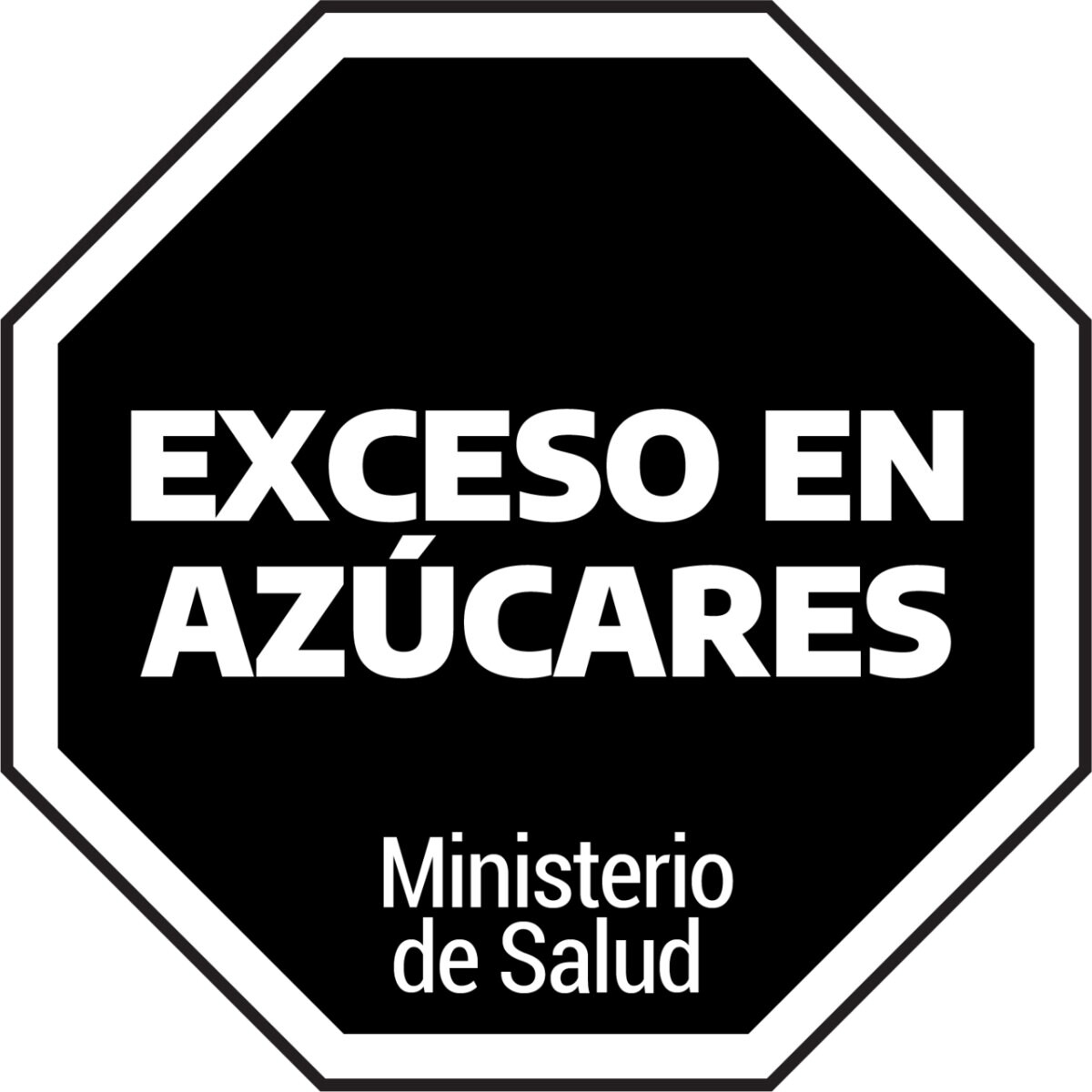
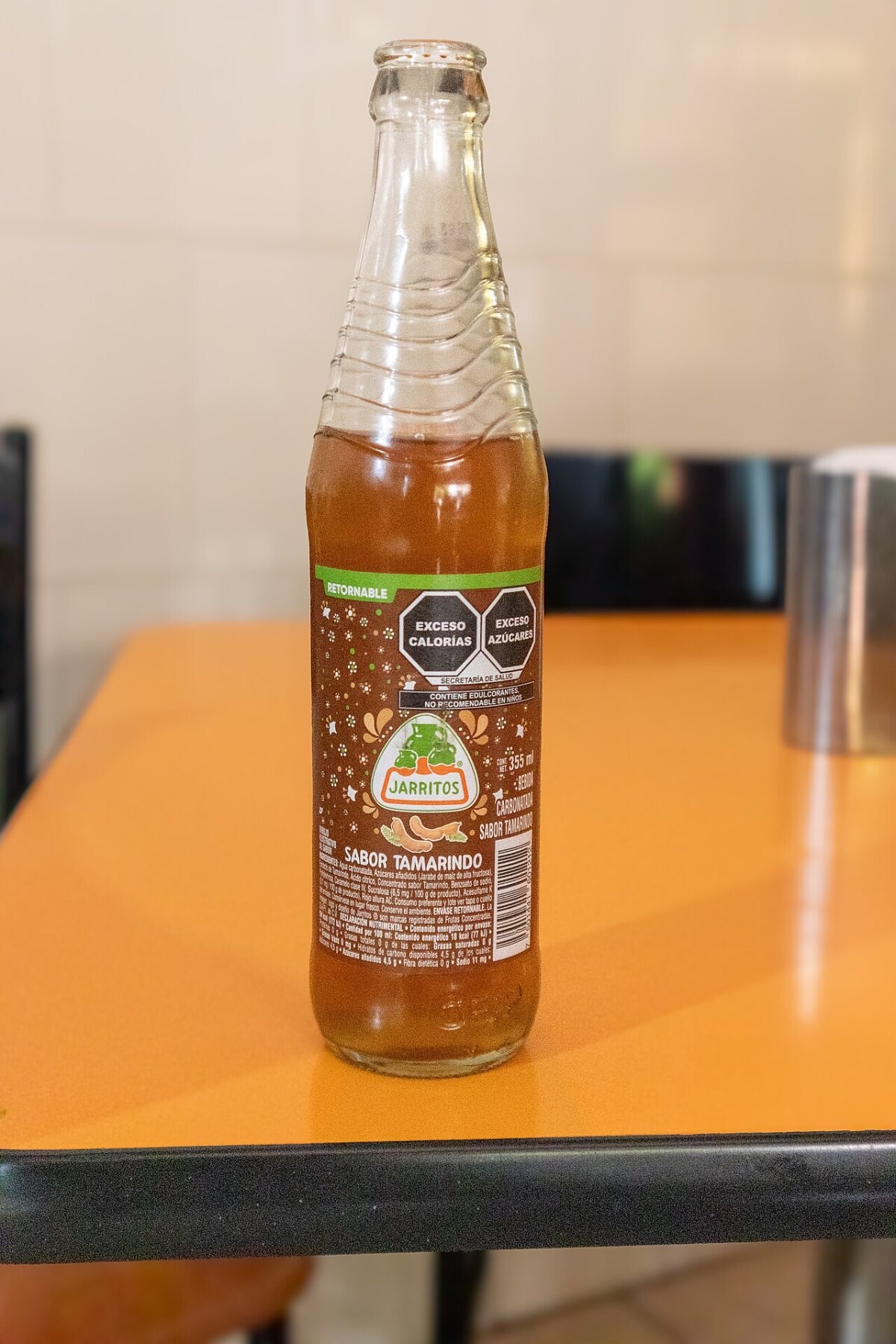
Other rules followed. Black octagon warning labels (for example, “excess sugars”) came with a change to food-labelling standard NOM-051, published in the Official Gazette on 27 March 2020 (DOF). Education and health ministries published school food guidelines on 30 September 2024, banning the sale of products carrying warning labels in schools from 29 March 2025. A survey of 10,000 schools had found 98% sold junk food (Expansión). On tobacco, the 2008 tobacco control law made enclosed public places and workplaces 100% smoke-free (LGCT). A constitutional reform published on 17 January 2025 banned e-cigarettes and vapes (El Imparcial), and a health law reform in force from 16 January 2026 bans their production, import, distribution and sale (El Imparcial).
Recent cases
- 18 September 2026: INEGI’s preliminary figures for January to March 2026 counted 207,599 deaths. Heart disease caused 49,252, diabetes 30,779 and cancer 24,095 (INEGI).
- 7 August 2026: INEGI published preliminary 2025 figures: 762,494 registered deaths, 57,178 fewer than in 2024. Heart disease (177,673), diabetes (106,874) and cancer (92,006) remained the top three causes (INEGI).
- 16 January 2026: A reform of the General Health Law banning the production, import, distribution and sale of vapes and e-cigarettes came into force, a day after publication in the Official Gazette (El Imparcial). The Senate had passed it by 76 votes to 36; selling or transporting vapes carries one to eight years in prison, but personal use is not an offence (Expansión).
Press releases and official reports, 2023–2026
Five key releases a year for the last four years, newest first. Most come from national bodies such as INEGI, the Ministry of Health, CENAPRED, the National Seismological Service, CONAFOR, the Navy, CONDUSEF and the Official Gazette, from Congress, from international agencies such as PAHO and WHO, and from research journals. Key events, especially in earlier years where official archives are missing, come from Mexican news outlets such as La Jornada, El Universal, Excélsior, El Financiero, Animal Político and Mexico News Daily. Headlines are our English translations of the Spanish originals. Releases from 2007–2022 are in the expandable list after 2023.
2026
- 18 Sep 2026INEGIRegistered deaths statistics (EDR), January to March 2026 (preliminary)
- 7 Aug 2026INEGIRegistered deaths statistics (EDR) 2025 (preliminary)
- 30 Jan 2026INEGIStatistics for World Cancer Day (4 February)
- 22 Jan 2026INEGIRegistered deaths statistics (EDR), January to June 2025 (preliminary)
- 16 Jan 2026El ImparcialBan on vapes and e-cigarettes comes into force in Mexico from today
2025
- 11 Dec 2025ExpansiónSenate approves reform banning the production and sale of vapes
- 10 Nov 2025INEGIRegistered deaths statistics (EDR): 819,672 deaths registered in 2024
- 14 Oct 2025ExpansiónDeputies approve in committee the IEPS tax on oral rehydration drinks with sugar and sweeteners
- 5 Sep 2025INEGIRegistered deaths statistics (EDR), January to March 2025 (preliminary)
- 18 Jan 2025El ImparcialIt's official: DOF publishes reform banning vapes in Mexico
2024
- 8 Nov 2024INEGIRegistered deaths statistics (EDR) 2023 (final)
- 21 Oct 2024ExpansiónVida Saludable: the new plan to ban junk food in schools
- 8 Aug 2024INEGIRegistered deaths statistics (EDR) 2023 (preliminary)
- 14 Jun 2024International Journal of Behavioral Nutrition and Physical ActivitySelf-reported decreases in the purchases of selected unhealthy foods resulting from the implementation of warning labels in Mexican youth and adult population
- 22 Feb 2024Gaceta Médica de MéxicoThe burden of chronic kidney disease in Mexico: data analysis based on the Global Burden of Disease 2021 study
2023
- 31 Oct 2023INEGIRegistered deaths statistics (EDR) 2022
- 26 Jul 2023INEGIRegistered deaths statistics (EDR) 2022 (preliminary)
- 24 Jan 2023INEGIRegistered deaths statistics, January to June 2022 (preliminary)
- 2023National Institute of Public Health (INSP)Prevalence of prediabetes and diabetes in Mexico: ENSANUT 2022
- 2023National Institute of Public Health (INSP)Prevalence, treatment and control of high blood pressure in Mexican adults: ENSANUT 2022 results
View 20 years of major Mexican chronic disease press releases (2007–2026)55 more from 2007–2022, up to five a year, newest first
2022
- 17 Dec 2022La JornadaNew law on tobacco and vape use published in the Official Gazette (DOF)
- 14 Nov 2022La Jornada14 million Mexicans have type 2 diabetes; the number could double in two decades
- 10 Nov 2022INEGIStatistics for World Diabetes Day (14 November)
- 26 Oct 2022INEGIRegistered deaths statistics (EDR) 2021
- 2 Feb 2022INEGIStatistics for World Cancer Day (4 February)
2021
- 14 Nov 2021La JornadaOne in three Mexicans with diabetes does not know they have the disease
- 14 Nov 2021La JornadaCall to say no to the 'lethal kiss' of sugary drinks
- 12 Nov 2021INEGIStatistics for World Diabetes Day
- 28 Oct 2021INEGICharacteristics of deaths registered in Mexico in 2020
- 4 Feb 2021INEGIStatistics for World Cancer Day (4 February)
2020
- 11 Nov 2020INEGIStatistics for World Obesity Day (12 November)
- 29 Oct 2020INEGICharacteristics of deaths registered in Mexico in 2019
- 2 Oct 2020La JornadaNew labelling exposes products that are not healthy
- 27 Mar 2020Official Gazette (DOF)Amendment to Mexican Official Standard NOM-051-SCFI/SSA1-2010, general labelling specifications for prepackaged food and non-alcoholic drinks
2019
- 9 Dec 2019INEGIENSANUT 2018 gives a picture of the health and nutrition of Mexico's population
- 31 Oct 2019INEGICharacteristics of deaths registered in Mexico in 2018
- 23 Oct 2019La JornadaSenate approves front-of-pack warning labels on sugary foods
- 23 Oct 2019La JornadaState failures behind the rise in childhood obesity: CNDH
- 21 Apr 2019Health Promotion InternationalNon-communicable disease prevention in Mexico: policies, programs and regulations
2018
- 14 Dec 2018Public Health NutritionDid high sugar-sweetened beverage purchasers respond differently to the excise tax on sugar-sweetened beverages in Mexico?
- 31 Oct 2018INEGICharacteristics of deaths registered in Mexico in 2017
- 7 Sep 2018Salud Pública de MéxicoPosition paper on taxes on non-basic energy-dense foods and sugar-sweetened beverages
- 4 Sep 2018ExcélsiorDiabetes causes 100,000 deaths and 70,000 amputations a year in Mexico
- 2 Feb 2018INEGIStatistics for World Cancer Day (4 February)
2017
- 14 Nov 2017ExcélsiorObesity and diabetes, diseases that can be prevented: UNAM
- 22 Feb 2017Health AffairsIn Mexico, evidence of sustained consumer response two years after implementing a sugar-sweetened beverage tax
- 1 Feb 2017INEGIStatistics for World Cancer Day (4 February)
2016
- 15 Nov 2016La JornadaEmergency declared over an epidemic of three diseases
- 9 Oct 2016The LancetDissonant health transition in the states of Mexico, 1990–2013: a systematic analysis for the Global Burden of Disease Study 2013
- 13 Feb 2016La JornadaConflict of interest detected in studies of the soft-drink tax
- 2 Feb 2016INEGIStatistics for World Cancer Day (4 February)
- 6 Jan 2016BMJBeverage purchases from stores in Mexico under the excise tax on sugar sweetened beverages: observational study
2015
- 13 Nov 2015La JornadaHealth Ministry to centralise purchases of diabetes tests
- 1 Apr 2015INEGIStatistics for World Health Day (7 April)
- 30 Jan 2015INEGIStatistics for World Cancer Day (4 February)
2014
- 14 Nov 2014La JornadaNumber of people with diabetes doubled in 12 years
- 14 Nov 2014La JornadaChronic obstructive pulmonary disease is the fourth cause of death in the country: INER
- 7 Apr 2014INEGIStatistics for World Health Day (7 April)
- 31 Jan 2014INEGIStatistics for World Cancer Day (4 February)
2013
- 11 Dec 2013Official Gazette (DOF)Law on the Special Tax on Production and Services: reform adding the tax on flavoured drinks with added sugar (consolidated text, Chamber of Deputies)
- 1 Nov 2013La JornadaJunk food was taxed to prevent harm to health, says Peña
- 2 Feb 2013Globalization and HealthDiabetes in Mexico: cost and management of diabetes and its complications and challenges for health policy
- 1 Feb 2013La Jornada30% of the country's disease burden is linked to soft-drink consumption
- 2013Salud Pública de MéxicoDiabetes mellitus in Mexico: status of the epidemic
2012
- 14 Nov 2012La JornadaLung cancer gets little public attention despite how common it is: INER
- 2012National Institute of Public Health (INSP)National Health and Nutrition Survey 2012: national results
2011
- 11 Jan 2011La JornadaEl Poder del Consumidor calls for monitoring the sale of these foods [in schools]
2010
- 26 Jan 2010La JornadaGovernment seeks to curb obesity by repeating strategies
- 26 Jan 2010La JornadaPatients protest shortcomings in haemodialysis services
2009
- 30 May 2009La JornadaHealth Ministry is obstructing the regulations of the anti-smoking law, NGOs say
2008
- 1 Jun 2008PLoS MedicineCharacterizing the epidemiological transition in Mexico: national and subnational burden of diseases, injuries, and risk factors
- 30 May 2008Official Gazette (DOF)General Law for Tobacco Control (consolidated text, Chamber of Deputies)
- 27 Feb 2008La JornadaLawmakers approve the anti-smoking law with 44 votes in favour
2007
- 14 Nov 2007La JornadaTobacco Control Law will be approved by December at the latest
- 14 Nov 2007La JornadaCaring for people with diabetes costs 60 billion pesos
Many years list fewer than five items, and some have none yet. Several official archives (parts of gob.mx, the Official Gazette and older agency pages) could not be opened when we compiled this list, and we only list items we could open and check. We are still adding to these lists. Where a page shows no date, the date comes from the publisher’s own index; annual reports with no printed date are listed under the year they were released.
Photo list
How this page is built. Figures come from the official statistical releases and research linked above; where agencies publish provisional numbers we say so, because they are revised. National death data come from INEGI’s death registrations, which are finalised the year after; preliminary figures are labelled. Some figures come from news reports quoting officials, and we name the outlet. Money is given in Mexican pesos (MX$). Headlines and quotes are our translations from Spanish. Photos are public-domain or Creative Commons images credited in each caption; file photos are illustrative and are not from the events described unless the caption says so. This page tracks trends and is not personal safety, medical, legal or financial advice.