
Trend summary
- The Kiss nightclub fire in Santa Maria (January 2013) killed 242 people and led to Brazil’s first national fire-safety law for public venues, Lei 13.425/2017.
- Instituto Sprinkler Brasil counted a record 2,453 news reports of structural fires in 2024, up 10.4% on 2023 and almost double the 2020 figure. It is a media count, not an official fire register.
- Big losses keep coming from old or badly maintained buildings: the Museu Nacional (2018), the Wilton Paes de Almeida tower in São Paulo (2018), Hospital Badim and Flamengo’s Ninho do Urubu (both 2019), and a Porto Alegre hostel that killed 11 in 2024.
- Courts move slowly. The Kiss convictions were annulled in 2022 and restored by the Supreme Court in 2024–25. In 2025 a Rio court acquitted all seven defendants in the Ninho do Urubu case, and prosecutors appealed.
What the numbers show
Brazil has no single national register of building fires, so the most-quoted series comes from the Instituto Sprinkler Brasil (ISB), which monitors press reports of structural fires. Its count went from 1,244 in 2020 to 2,301 in 2021, 2,044 in 2022 and 2,222 in 2023, an 8.9% rise that year (ISB via Legismap). In 2024 it reached 2,453, the highest in the series and 10.4% above 2023 (ISB via Legismap). In an Ipsos survey of 300 companies cited by the ISB, only 36% said they had sprinklers, and just 14% had them in every unit.
The death tolls come from a handful of disasters. The Kiss nightclub fire killed 242 people and injured more than 600 (Agência Brasil). The 2019 fire at Flamengo’s training centre killed 10 boys aged 14 to 16 who were sleeping in container dormitories (Agência Brasil). The death toll from the Hospital Badim fire in Rio rose to 19 (Agência Brasil). The Pousada Garoa fire in Porto Alegre in April 2024 killed 11 and injured 15 (Agência Brasil).
What is driving it
The same causes keep coming up: electrical faults in old buildings, missing permits and slow inspection. Federal Police found that the Museu Nacional fire started in an overloaded air-conditioning unit, with three units wired to one breaker that did not trip (Agência Brasil). Forensic experts traced the Badim fire to a generator (Agência Brasil), and police said witnesses pointed to a short circuit on the fifth floor of the Wilton Paes de Almeida tower before it collapsed on 1 May 2018 (Agência Brasil). The Porto Alegre hostel had no operating licence and no fire-prevention plan (PPCI), and it had one spiral staircase and a single exit.
The rules are mostly made by the states, through each Corpo de Bombeiros, and the national law is thin. When Lei 13.425/2017 (the “Lei Kiss”) was signed, 12 provisions were vetoed. These included mandatory annual inspections, a criminal penalty for venue owners, and liability for mayors and fire officers who miss permit deadlines (Senate News Agency). Some of the rise in the ISB count may simply reflect more media coverage, so read the trend with care.
Recent cases
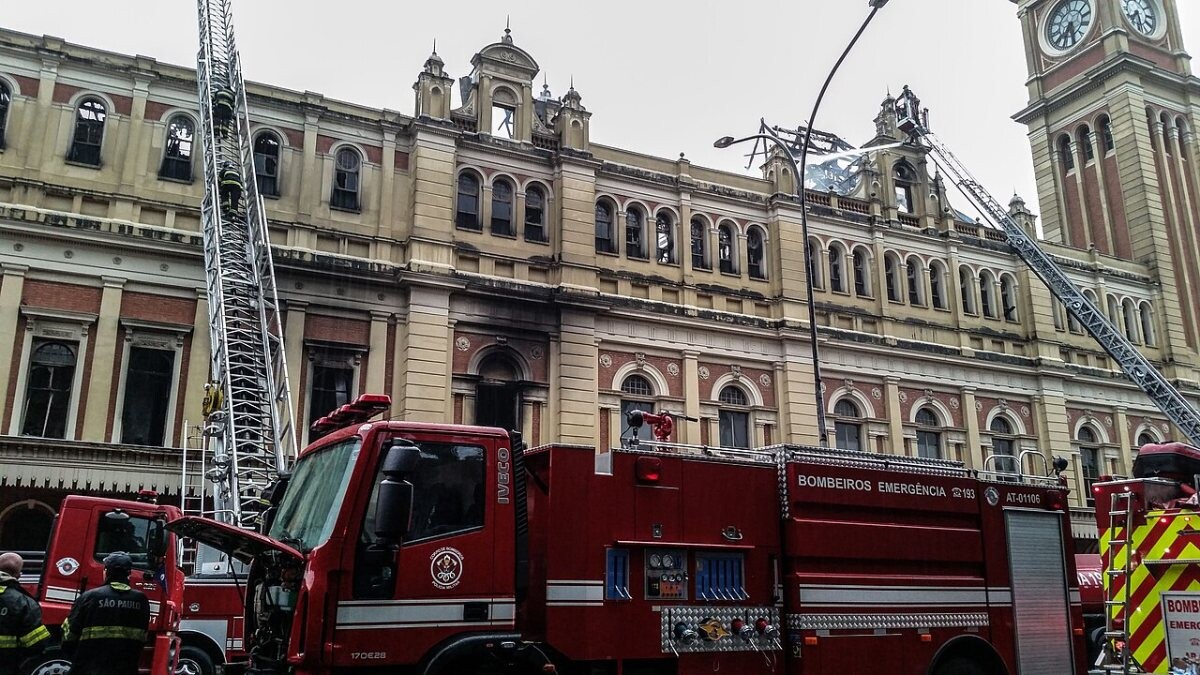
- 27 February 2026: A fire broke out late at night on the third floor of the University of São Paulo law school on Largo São Francisco, a listed heritage complex. Nobody was hurt, and investigators are working to find the cause (Agência Brasil).
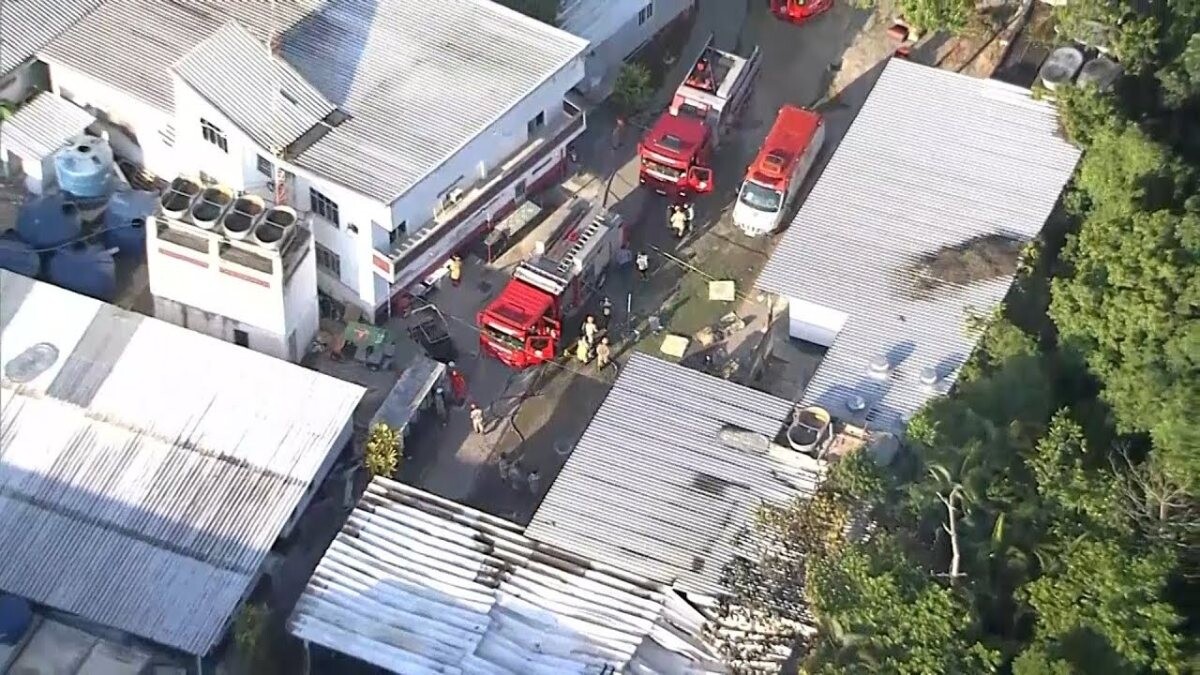
- 22 October 2025: A Rio de Janeiro criminal court acquitted all seven defendants in the 2019 Ninho do Urubu fire, citing insufficient evidence. Families called it a serious failure of justice, and state prosecutors said they would appeal (Agência Brasil).
- 27 June 2025: A Porto Alegre city council inquiry approved, by 7 votes to 4, a report blaming the owner’s “serious negligence” for the 2024 hostel fire that killed 11. It found no grounds to hold any city official responsible (Agência Brasil).
Press releases and official reports, 2023–2026
Up to five key releases a year for the last four years, newest first. Most come from federal ministries and agencies such as the Ministry of Health, INPE, the Federal Highway Police, CENIPA and the Central Bank, from Agência Brasil, the public news agency, and from the Senate and Chamber news services and state governments; a few news reports are included where they are the clearest public record of an event. Headlines are our English translations of the Portuguese originals. Releases from 2007–2022 are in the expandable list after 2023.
2026
- 8 Oct 2026Rádio Agência NacionalFire at UFPE causes estimated R$100 million in damage
- 19 Mar 2026Senate News AgencySUS to be reimbursed for damage to public health, Social Affairs Committee decides
- 27 Feb 2026Agência BrasilFire hits University of São Paulo law school building
2025
- 22 Oct 2025Agência BrasilNinho do Urubu: families of youths criticise 'serious failure of justice'
- Sep 2025Agência BrasilCourt keeps Flamengo liable in Ninho do Urubu case
- 27 Jun 2025Agência BrasilInquiry into Porto Alegre hostel fire points to negligence
- 11 Apr 2025Agência BrasilSupreme Court majority upholds convictions for Kiss nightclub fire
- 18 Jan 2025Instituto Sprinkler Brasil (via Legismap)Structural fire news reports hit a record in 2024, the highest in the historical series
2024
- Sep 2024Agência BrasilToffoli orders arrest of those convicted over the Kiss nightclub fire
- May 2024Agência BrasilProsecutor-General asks Supreme Court to uphold Kiss convictions
- Apr 2024Agência BrasilFire at Porto Alegre hostel leaves at least 10 dead
- Feb 2024Agência BrasilToffoli suspends new Kiss jury trial scheduled for this month
- 22 Jan 2024Instituto Sprinkler Brasil (via Legismap)Structural fire news reports grow 8.9% in 2023
2023
- Sep 2023Agência BrasilCourt sets new Kiss jury trial after convictions annulled
- 24 Aug 2023Chamber News AgencySeminar calls for conclusion of the Kiss nightclub tragedy trial
- 27 Jan 2023Agência BrasilKiss nightclub: fire prevention is cultural, experts say
- 25 Jan 2023Rádio Senado10 years since the Kiss nightclub fire: preventive legislation was the main consequence
- Jan 2023Agência BrasilKiss nightclub: ten years after the tragedy, no one has been held responsible
View 20 years of major Brazilian building fire press releases (2007–2026)60 more from 2007–2022, up to five a year, newest first
2022
- 11 Aug 2022Rádio SenadoScience committee: fire prevention may get incentives for the use of flame-retardant materials
- 10 Aug 2022Senate News AgencyPeople need to know their cities' civil defence, experts say
- Aug 2022Agência BrasilKiss nightclub: court annuls convictions of four defendants
- Jul 2022Rádio Agência NacionalRio prosecutors charge 8 people over 17 deaths in Hospital Badim fire
2021
- Dec 2021Agência BrasilSentences for Kiss defendants range from 18 to 22 years in prison
- Jul 2021Agência BrasilFire hits Cinemateca Brasileira warehouse in west São Paulo
- Jul 2021Agência BrasilMuseum of the Portuguese Language reopens with authorities present
- May 2021Agência BrasilCourt keeps case against 8 accused over Ninho do Urubu fire
- Mar 2021Agência BrasilIn Rio, Fires Inquiry (CPI) calls for 19 people to be charged
2020
- 28 Jul 2020Senate News AgencySenators disagree over moving the Cinemateca to Brasília
- 23 Jul 2020Senate News AgencyMajor Olimpio presses the government to maintain the São Paulo Cinemateca
- 7 Feb 2020Agência BrasilNinho do Urubu fire marks one year
- Jan 2020Agência BrasilSite of collapsed São Paulo building will get social housing
2019
- Sep 2019Agência BrasilForensic report confirms hospital fire started in generator
- Sep 2019Agência BrasilProsecutors charge six over fire and collapse of São Paulo building
- 17 May 2019Senate News AgencyAthletes in training may get more safety in their lodgings
- 1 May 2019Agência BrasilA year after the collapse, housing shortage is still a reality in São Paulo
- 4 Apr 2019Agência BrasilMuseu Nacional fire started in auditorium air conditioner
2018
- Oct 2018Agência BrasilFire that destroyed 90% of the Museu Nacional marks one month
- Sep 2018Agência BrasilMuseu Nacional had no fire brigade and no insurance for its collection
- Sep 2018Agência BrasilUFRJ: Rio fire is the country's biggest museum tragedy
- 18 May 2018Agência BrasilThree more victims of São Paulo building collapse identified
- 2 May 2018Senate News AgencyCristovam laments São Paulo tragedy and points to the irresponsibility of the country's elites
2017
- 31 Mar 2017Agência BrasilKiss Law signed by Temer with 12 vetoes
- 31 Mar 2017Senate News AgencyLaw on safety in nightclubs signed with vetoes
- Mar 2017Chamber News AgencyLaw on safety in nightclubs signed with vetoes
- 27 Jan 2017Agência BrasilFour years after nightclub tragedy, Kiss Law still awaits approval in the Chamber
- Jan 2017Rádio Agência NacionalHistory Today: Kiss nightclub fire in Santa Maria marks 4 years
2016
- 17 Oct 2016Senate News AgencyPaulo Paim criticises impunity in the Kiss nightclub case
- 7 Apr 2016Senate News AgencyMunicipalities may be allowed to organise volunteer fire brigades
- Jan 2016Agência BrasilKiss nightclub tragedy marks three years with no one jailed and no compensation for families
2015
- Dec 2015Agência BrasilFire brigade member dies after museum fire; collection preserved
- 30 Sep 2015Congresso em FocoKiss nightclub: Senate approves fire-prevention bill
- 2 Sep 2015Senate News AgencyStricter fire prevention passes the Justice Committee and goes to the floor
- 30 Jun 2015Senate News AgencyNightclubs may be barred from exposing customers to risk in order to collect payment
- Jan 2015Agência BrasilKiss nightclub fire that killed 242 people marks two years
2014
- 10 Dec 2014Senate News AgencySenate approves special aid for dependents of military personnel killed in Antarctica
- 11 Apr 2014Senate News AgencySenate to examine stricter safety rules for nightclubs
- 10 Apr 2014Congresso em FocoChamber approves rules for the operation of nightclubs
- 12 Mar 2014Senate News AgencyPaim calls for medicines for survivors of the Kiss nightclub fire
- Jan 2014Agência BrasilKiss nightclub: deputy prosecutor-general says criticism stems from lack of information
2013
- 27 Feb 2013Portal VermelhoOne month on, Santa Maria pays tribute to the victims of the tragedy
- 20 Feb 2013Senate News AgencySenate to set up temporary committee on fire prevention
- 1 Feb 2013ExameDetention of those investigated over the nightclub fire is extended
- 29 Jan 2013ExameFire leaves 245 dead in nightclub in Rio Grande do Sul
- 28 Jan 2013Senate News AgencyIn joint statement, Rio Grande do Sul senators express solidarity with families of Santa Maria fire victims
2012
- 27 Jun 2012Senate News AgencyFunds approved for station destroyed by fire in Antarctica
- 6 Mar 2012Senate News AgencyBrazilian servicemen killed in Antarctica fire honoured in the Senate
- 6 Mar 2012Senate News AgencyForensic investigation into Antarctica fire due to be completed on 10 March
- 28 Feb 2012Senate News AgencyPaulo Davim laments fire that destroyed Antarctic base
- 27 Feb 2012Senate News AgencyAna Amélia calls for swift government investigation into Antarctica fire
2011
- 31 Aug 2011Senate News AgencyBill distinguishing 'firefighter' from 'private fire brigade member' may go to the floor
- 25 Apr 2011Senate News AgencyBill distinguishes 'firefighter' from 'private fire brigade member'
2010
- 19 May 2010Senate News AgencyCompensation approved for UNE over 1964 fire at its headquarters
- 7 Apr 2010Senate News AgencySenate to hold fire drill on Friday
- 25 Mar 2010Senate News AgencyFire brigade holds firefighting exercise in Chamber Annex I
2009
- 2 Jul 2009Senate News AgencyZambiasi commissions study on setting up fire services in municipalities that lack them
- 12 Jan 2009Presidency (Planalto)Law 11,901: provides for the profession of civilian firefighter
2007
- 3 Apr 2007Senate News AgencyEducation Ministry following investigations into attack on Africans at UnB, minister says
- 29 Mar 2007Senate News AgencyCristovam calls for punishment of those behind the fire at UnB
Many years list fewer than five items, and some have none yet. Older federal releases and the 2007–2013 Agência Brasil archive are hard to reach at their original addresses, and we only list items we could open and check. We are still adding to these lists. Where a page shows no date, the date comes from the release address or the publisher’s own index.
Photo list
How this page is built. Figures come from the official statistical releases linked above; where agencies publish provisional numbers we say so, because they are revised. Brazil’s national death data come from the Ministry of Health mortality system (SIM/DATASUS) and are usually final about two years later, and some topics, such as fires, have no single national count, so we say which year and source each figure covers. Money is given in reais (R$). Headlines and quotes are our translations from Portuguese. Photos are public-domain or Creative Commons images credited in each caption; file photos are illustrative and are not from the events described unless the caption says so. This page tracks trends and is not personal safety, medical, legal or financial advice.