
Trend summary
- Mexico registered 39,919 accidental deaths in 2024, the fifth leading cause of death, up slightly from 39,553 in 2023. About 31,000 of them were men, according to INEGI death registrations.
- Outside road crashes, the biggest killers are falls, drowning and other mechanical injuries. Global Burden of Disease estimates put non-transport accidental deaths at 21,549 in 2017, down from 24,719 in 1990.
- Extreme heat is a fast-growing risk: the Ministry of Health counted 421 heat deaths in the 2023 season, mostly heat stroke, with Sonora and Nuevo León worst hit.
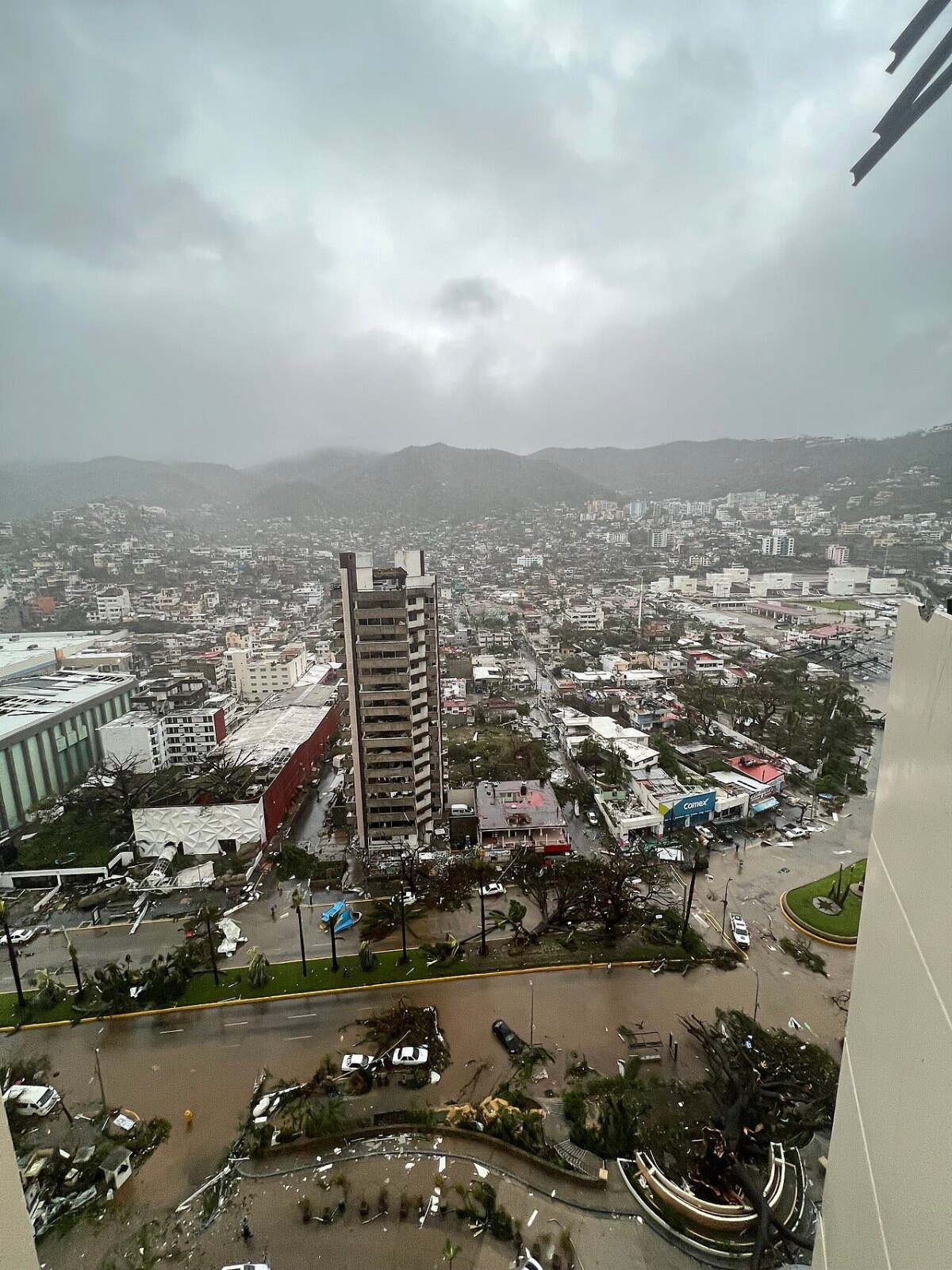
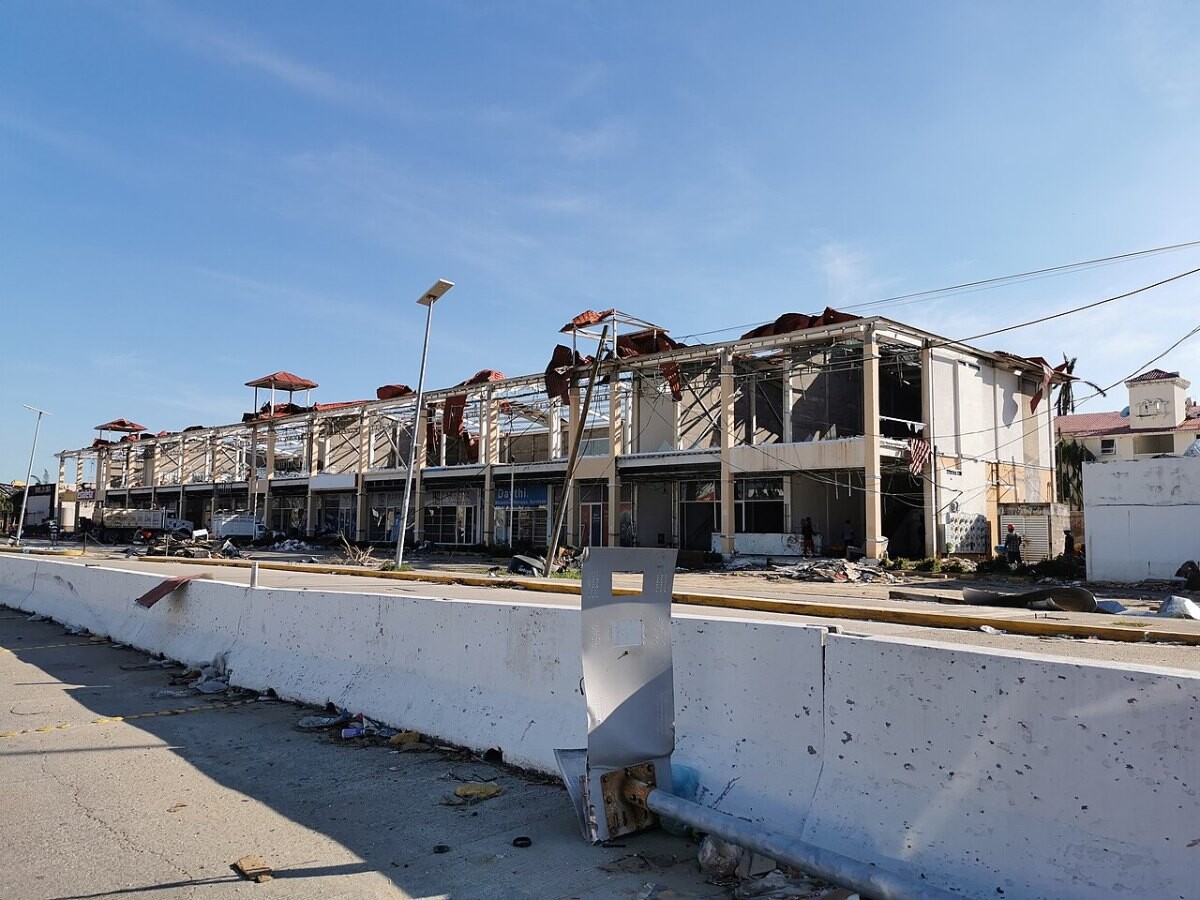
- Big one-off events still dominate the headlines: Hurricane Otis (50 dead, 2023), the October 2025 floods (80 dead in four states), the Metro Line 12 collapse (26 dead, 2021) and two coal mine disasters in Coahuila.
What the numbers show
INEGI’s death registrations class every death by presumed intent. In 2024 Mexico registered 819,672 deaths in all; 39,919 were accidents (31,051 men and 8,828 women), making accidents the fifth cause of death overall, the fourth for men and the eighth for women. External causes (accidents, homicides and suicides) made up 10.4% of all deaths (INEGI, November 2025). In 2023 the figure was 39,553 accidental deaths, 47.5% of the 83,341 deaths from external causes (INEGI, August 2024). These totals include road deaths, which have their own page. INEGI’s press releases do not split the rest by type, so the best national breakdown comes from research: the Global Burden of Disease study estimated 42,702 unintentional injury deaths in Mexico in 2017, of which 21,549 were not transport-related, down from 24,719 in 1990. Age-standardised rates fell by about half, and falls, drowning, foreign bodies and exposure to mechanical forces had the highest death rates (Híjar et al., Injury Prevention, 2020).
Heat is now tracked every season. From mid-March to the first week of October 2023 the Ministry of Health counted 4,306 heat-related illnesses and 421 deaths: 393 from heat stroke and 28 from dehydration. Sonora (117), Nuevo León (102), Baja California (54), Tamaulipas (32) and Veracruz (31) had the most (Ministry of Health, SE 40 2023). The 2024 season was milder in Sonora, with 48 deaths against 121 in 2023, while national cases reached 3,986 by late September (Sonora Ministry of Health). Natural disasters add sudden spikes: Hurricane Otis killed 50 people in Guerrero in October 2023, with 30 missing (CNN en Español); Hurricane John killed 29 in Guerrero, Oaxaca and Michoacán in September 2024 (Meganoticias/EFE); and the October 2025 rains killed 80 people in Veracruz (35), Puebla (22), Hidalgo (22) and Querétaro (1), with 18 still missing (N+).
What is driving it
Heat and poverty interact. A study of Mexican death records from 1998 to 2017 found that suboptimal temperatures cause about 3.8% of deaths, roughly 26,000 a year, but most of these are linked to cold days, and temperatures are twice as likely to kill people in the poorer half of the population (Cohen and Dechezleprêtre, AEJ: Economic Policy, 2022). A newer study using humid-heat (wet-bulb) data found that people under 35 account for 75% of recent heat-related deaths in Mexico and 87% of heat-related years of life lost, and that climate change will shift the burden further towards the young (Wilson et al., Science Advances, 2024).
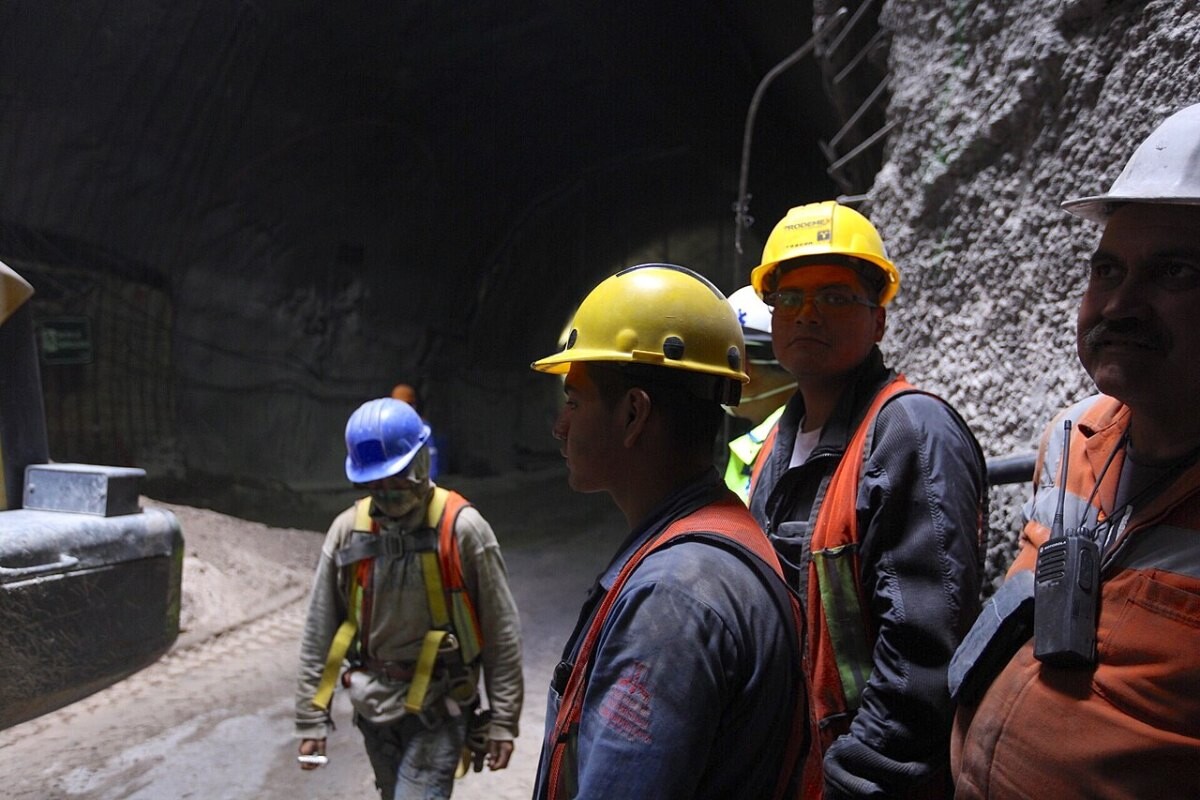
Infrastructure and industrial failures are a second theme. Mexico City’s prosecutors found that the Metro Line 12 overpass that fell on 3 May 2021, killing 26 and injuring 98, failed mainly because of construction errors, including too few and badly placed shear studs and poor welds (Mexico City Attorney General, October 2021). Coahuila’s small coal mines remain dangerous: ten miners died when El Pinabete flooded on 3 August 2022, and the last body was recovered only in February 2025 (Zeta Tijuana); at Pasta de Conchos, where 65 miners died in 2006, 25 bodies had been recovered and 38 were still in the mine in February 2026 (Vanguardia). Fuel theft also creates mass-casualty accidents: the Tlahuelilpan pipeline fire in Hidalgo in January 2019 killed 91 people within three days (Milenio).
Recent cases
- 20 February 2026: President Claudia Sheinbaum presented a justice plan for Pasta de Conchos and said recovery work would continue until the end of her term; 25 miners have been recovered and 38 remain in the mine (Vanguardia).
- 10 November 2025: INEGI’s final 2024 death figures showed 39,919 accidental deaths, the fifth cause of death nationally, out of 819,672 registered deaths (INEGI).
- 16 October 2025: The federal government raised the death toll from heavy rains linked to tropical disturbance 90-E to 80, in Veracruz, Puebla, Hidalgo and Querétaro, with 18 people missing (N+).
Press releases and official reports, 2023–2026
Up to five key releases a year for the last four years, newest first. Most come from national bodies such as INEGI, the Ministry of Health, CENAPRED, the National Seismological Service, CONAFOR, the Navy, CONDUSEF and the Official Gazette, from Congress, from international agencies such as PAHO and WHO, and from research journals. Key events, especially in earlier years where official archives are missing, come from Mexican news outlets such as La Jornada, El Universal, Excélsior, El Financiero, Animal Político and Mexico News Daily. Headlines are our English translations of the Spanish originals. Releases from 2007–2022 are in the expandable list after 2023.
2026
- 20 Feb 2026VanguardiaPasta de Conchos rescue will continue until the end of the term: Claudia Sheinbaum
2025
- 10 Nov 2025INEGIRegistered deaths statistics (EDR) 2024: press release 142/25
- 16 Oct 2025N+Death toll from October 2025 rains rises to 80, Government of Mexico reports
- 17 Feb 2025N+Rescue of miners trapped in El Pinabete, Coahuila, concludes
- 15 Feb 2025Zeta TijuanaFederal government recovers the body of the last miner from El Pinabete
- 5 Feb 2025VanguardiaCoahuila: search for the tenth miner trapped in El Pinabete is about to end, authorities confirm
2024
- Oct 2024Sonora Ministry of HealthEpidemiological report on extreme natural temperatures, Sonora 2024, week 40
- 29 Sep 2024MeganoticiasDeath toll from Hurricane John rises to 29
- 29 Sep 2024ExcélsiorRemains of seventh miner recovered at El Pinabete
- 8 Aug 2024INEGIRegistered deaths statistics (EDR) 2023 (preliminary): press release 478/24
- 23 May 2024TV AztecaSamuel García confirms 9 dead and several hospitalised after stage collapse at MC rally in Nuevo León
2023
- 11 Dec 2023La JornadaRecovery of the bodies of 10 miners trapped in the El Pinabete coal mine begins
- 23 Nov 2023CNN en EspañolGovernment of Mexico raises death toll after Hurricane Otis to 50
- 31 Oct 2023INEGIRegistered deaths statistics (EDR) 2022
- Oct 2023Ministry of HealthEpidemiological surveillance of extreme natural temperatures: 2023 heat season, week 40 report
View 20 years of major Mexican injury press releases (2007–2026)25 more from 2007–2022, up to five a year, newest first
2022
- 26 Oct 2022INEGIRegistered deaths statistics (EDR) 2021
- 4 Aug 2022La JornadaCollapse in coal pit leaves 10 miners trapped in Coahuila
2021
- 28 Oct 2021INEGICharacteristics of deaths registered in Mexico in 2020
- 14 Oct 2021Mexico City Attorney GeneralStatement to the media by the Attorney General on the Line 12 collapse investigation (CS2021-1046)
- 16 Jun 2021ExpansiónLine 12 collapse was caused by a structural failure in the works, report warns
- 5 Jun 2021La JornadaCoal mine floods in Múzquiz; 7 workers trapped
- 19 Feb 2021La JornadaRescue work has begun at Pasta de Conchos: AMLO
2020
- 29 Oct 2020INEGICharacteristics of deaths registered in Mexico in 2019
- 2020El UniversalMexico will resume search for bodies of miners who died in tragic Pasta de Conchos accident
2019
- 31 Oct 2019INEGICharacteristics of deaths registered in Mexico in 2018
- 20 Feb 2019La JornadaAMLO will request analysis of a rescue at Pasta de Conchos
- 21 Jan 2019MilenioTlahuelilpan explosion death toll rises to 91: Omar Fayad
2018
- 31 Oct 2018INEGICharacteristics of deaths registered in Mexico in 2017
2017
- 20 Feb 2017La JornadaPasta de Conchos relatives warn they will not give up their demand for justice
2016
2015
- 4 Apr 2015La JornadaThe 63 miners of Pasta de Conchos are remembered
2014
- 20 Feb 2014La JornadaLasting measures demanded to prevent more deaths in small coal pits (pocitos)
2012
- 4 Aug 2012La JornadaSix workers die after collapse in a coal mine in Coahuila
2011
- 27 Aug 2011La JornadaCollapse in Coahuila coal mine leaves four dead
- 8 May 2011La JornadaLast body of the 14 miners trapped in Sabinas located
- 4 May 2011La JornadaExplosion in Coahuila mine; 3 workers dead and 11 trapped
2010
- 19 Jun 2010La JornadaEconomy Ministry ordered the closure of the Pasta de Conchos mine
2009
- 8 Jun 2009La JornadaWork advances to find the remains of 20 miners at Pasta de Conchos
2008
- 20 Feb 2008La JornadaSTPS: "conditions do not exist" to recover bodies at Pasta de Conchos
2007
- 19 Oct 2007La JornadaSerious safety deficiencies at Pasta de Conchos before the accident confirmed
Many years list fewer than five items, and some have none yet. Several official archives (parts of gob.mx, the Official Gazette and older agency pages) could not be opened when we compiled this list, and we only list items we could open and check. We are still adding to these lists. Where a page shows no date, the date comes from the publisher’s own index; annual reports with no printed date are listed under the year they were released.
Photo list
How this page is built. Figures come from the official statistical releases and research linked above; where agencies publish provisional numbers we say so, because they are revised. National death data come from INEGI’s death registrations, which are finalised the year after; preliminary figures are labelled. Some figures come from news reports quoting officials, and we name the outlet. Money is given in Mexican pesos (MX$). Headlines and quotes are our translations from Spanish. Photos are public-domain or Creative Commons images credited in each caption; file photos are illustrative and are not from the events described unless the caption says so. This page tracks trends and is not personal safety, medical, legal or financial advice.