
Trend summary
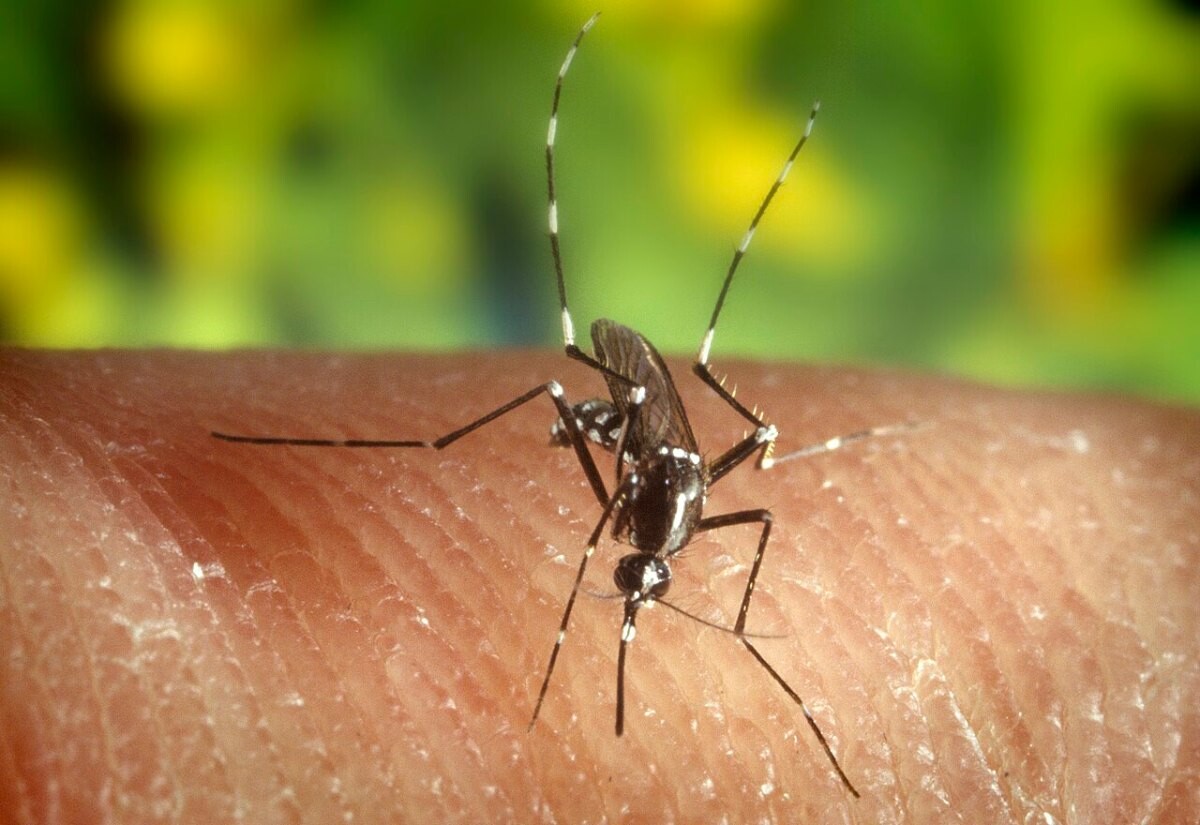
- Mosquito-borne disease has arrived in mainland France. In 2025 Santé publique France counted 809 locally acquired chikungunya cases and 30 dengue cases, far above the previous record of 84 local cases in 2024. The tiger mosquito now lives in 81 of 96 mainland departments.
- Measles is back. After almost 24,000 cases in 2008–2012, France fell to 16 cases in 2021, then rose to 117 in 2023 and 483 in 2024. In the first five months of 2025 alone there were 658 cases and two deaths.
- Whooping cough had its worst year in decades in 2024: 46 deaths, including 21 babies under one, and about 500 infants in hospital. Since 2018, eleven childhood vaccines have been compulsory, up from three.
- Flu and COVID-19 still cause the most deaths. The 2024–25 flu season was linked to about 4,925 deaths (provisional). COVID-19 was the third-biggest cause of death in 2020 and 2021. Tuberculosis rose to 4,866 cases in 2023, and about 5,100 people were diagnosed with HIV in 2024.
What the numbers show
Respiratory viruses cause the largest toll. Santé publique France’s bulletin of 16 April 2025 described the 2024–25 flu season as early, long and severe, with about 4,925 deaths (provisional), more than 29,100 hospital admissions after an emergency visit and an estimated 2.7 million GP consultations (Le Quotidien du Médecin, citing Santé publique France). Death certificates coded by Inserm-CépiDc show about 69,249 COVID-19 deaths in 2020 and 60,895 in 2021 (9.2% of all deaths), the third-largest cause both years; a provisional count for 2022 is about 41,000 (DREES). Only 57% of people aged 65 and over had a flu jab in 2025 and 17% a COVID-19 jab (Santé publique France).
Vaccine-preventable diseases have come back. Measles caused 22,686 notified cases, almost 5,000 hospital stays and 10 deaths in 2008–2011 (Antona et al., Emerging Infectious Diseases 2013); Santé publique France puts the 2008–2012 total at nearly 24,000 (Santé publique France). Cases then fell to 2,636 in 2019, 240 in 2020 and 16 in 2021 (Santé publique France), but rose to 117 in 2023 (Santé publique France) and 483 in 2024; 658 cases and two deaths were reported from January to May 2025 (AFP via Vidal). Whooping cough peaked in 2024, with an estimated 162,612 GP-diagnosed cases, about 500 infants in hospital and 46 deaths. Seventeen patients carried a strain resistant to macrolide antibiotics, against one case before 2024 (Santé publique France). Tuberculosis rose to 4,866 cases in 2023 (7.1 per 100,000), the first rise since the pandemic. Rates were highest in French Guiana (24.0), Île-de-France (14.2) and Mayotte (12.8) (Santé publique France). About 5,100 people learned they had HIV in 2024, stable after a rise in 2020–2023, and 43% were diagnosed late (Santé publique France).
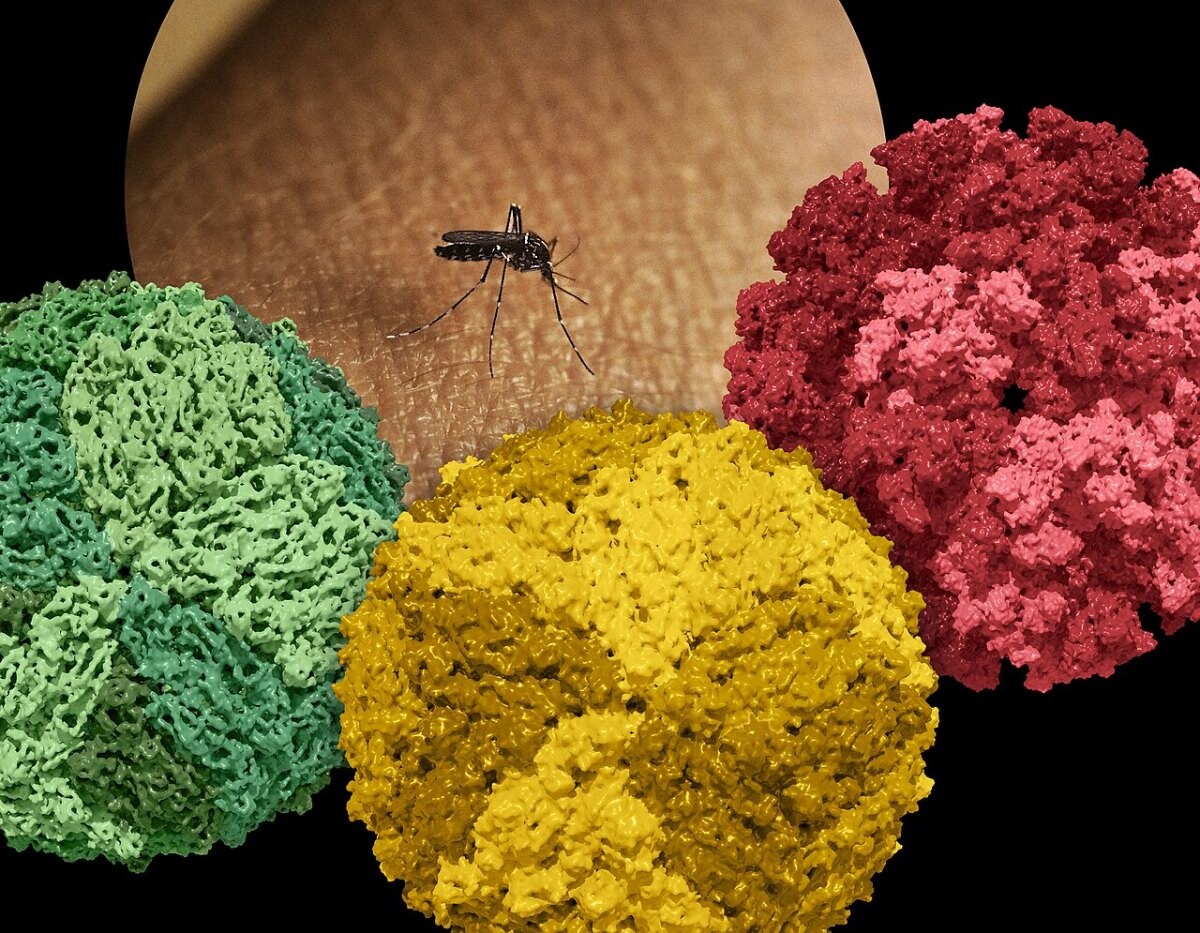
Mosquito-borne infections are the fastest-moving trend. Local dengue was first confirmed in mainland France in Nice in September 2010 (Eurosurveillance), and chikungunya caused a 12-case cluster in Montpellier in 2014 (Eurosurveillance). By 2022 there had been 114 local dengue cases since 2010, 66 of them in 2022 (Santé publique France). The previous record was 84 local cases in 2024. In 2025 there were 809 local chikungunya cases in 79 episodes and 30 local dengue cases, plus 2,398 imported chikungunya and 2,389 imported dengue cases (Santé publique France bulletin). Overseas, La Réunion had more than 33,000 confirmed chikungunya cases between January and early April 2025 (Santé publique France). Figures here cover mainland France unless an overseas department is named.
What is driving it
Gaps in vaccination are the main reason old diseases return. Measles needs about 95% two-dose coverage; in 2018 infant coverage was 79% (Santé publique France). Public health experts said low coverage, avoidable deaths and growing vaccine hesitancy led parliament to make eleven vaccines compulsory for children born from 1 January 2018 (Lévy-Bruhl et al., Eurosurveillance 2018). The Conseil d’État upheld the rule in May 2019 (Conseil d’État). Early surveys found infant coverage for the newly compulsory meningococcal C vaccine rose by 31 points (Cohen et al., 2019). However, a national study of 2.1 million children found that MMR jabs for 33% of the 2019 birth cohort were still dispensed late, and later still for low-income families (Scronias et al., Eurosurveillance 2025). Whooping cough also comes in cycles. Earlier peaks were in 2012–2013 and 2017, and cases fell almost to zero during the COVID-19 restrictions of 2020–2021 (Santé publique France).
For dengue and chikungunya, the tiger mosquito (Aedes albopictus) and travel are the drivers. The mosquito was established in 78 departments in April 2024 (Santé publique France) and in 81 of 96 in 2026 (Santé publique France). Big outbreaks in the French Caribbean and the Indian Ocean bring infected travellers home during the mosquito season. The record 2025 season followed La Réunion’s epidemic, which Santé publique France says was caused by a strain well adapted to the tiger mosquito. For the first time there were local cases in Nouvelle-Aquitaine, Grand Est and Bourgogne-Franche-Comté (Santé publique France).
Recent cases
- 8 October 2026: Santé publique France said flu vaccination among over-65s reached 57% in 2025, up 3 points but below the WHO target of 75%. Whooping cough vaccination in pregnancy rose to 71% (Santé publique France).
- 3 September 2026: West Nile virus caused 18 confirmed local human cases in Provence-Alpes-Côte d’Azur by 31 August, 9 of them hospitalised. Health officials described 2026 circulation as particularly intense (Santé publique France).
- 25 August 2026: The first local dengue case of 2026 in Provence-Alpes-Côte d’Azur was confirmed in Marseille’s 12th arrondissement, prompting mosquito control and door-to-door case searches (Santé publique France).
How France compares with the EU
France has lower death rates than the EU average from infectious diseases and pneumonia, but its recorded influenza death rate is higher. COVID-19 deaths (virus identified) peaked at 76.2 per 100,000 in France in 2021, against 113.0 across the EU; by 2023 they were 16.7 and 19.5.
| Cause | France 2013 | France 2023 | EU-27 2023 |
|---|---|---|---|
| Infectious and parasitic diseases | 16.7 | 15.6 | 17.8 |
| Pneumonia | 18.0 | 17.9 | 25.0 |
| Influenza | 1.1 | 2.4 | 1.8 |
Age-standardised death rates per 100,000 people, which remove the effect of different age structures. Latest Eurostat year is 2023. Source: Eurostat, causes of death, standardised death rate (hlth_cd_asdr2), accessed through the EU open data API on 21 October 2026.
Press releases and official reports, 2023–2026
Five key releases a year for the last four years, newest first. Most come from national bodies such as ONISR, the Ministry of the Interior, Santé publique France, the BEA and BEAmer investigation bureaus and the Banque de France, from the Senate and National Assembly, and from research journals; a few news reports are included where they are the clearest public record of an event. Headlines are our English translations of the French originals. Releases from 2007–2022 are in the expandable list after 2023.
2026
- 8 Oct 2026Santé publique FranceSeniors, pregnant women, nursing-home staff: where does their vaccination stand in France in 2025?
- 3 Sep 2026Santé publique FranceWest Nile virus circulating in Provence-Alpes-Côte d'Azur
- 25 Aug 2026Santé publique FranceA first case of dengue detected in Provence-Alpes-Côte d'Azur
- 14 Aug 2026Santé publique FranceArboviruses in 2026: mosquito-borne diseases continue to spread this summer
- 6 May 2026Santé publique FranceChikungunya, dengue and Zika in mainland France: 2025 report
2025
- 1 Dec 2025Santé publique FranceWorld AIDS Day 2025: promoting prevention to fight HIV and STI transmission
- 13 Oct 2025Santé publique FranceWhooping cough: 2024, a year marked by a very large resurgence of cases
- 17 Sep 2025Santé publique FranceRise in chikungunya and other mosquito-borne disease cases: stay vigilant, the season is not over
- 16 Apr 2025Santé publique FranceChikungunya in La Réunion: an epidemic still under way that calls for everyone's vigilance
- 20 Mar 2025Santé publique FranceMeasles: call for heightened vigilance as cases rise in France and Europe
2024
- 28 Oct 2024Santé publique FrancePoliovirus circulating in wastewater in French Guiana
- 9 Aug 2024Santé publique FranceLocal cases detected: mosquito-borne diseases confirm their spread in mainland France
- 7 Jun 2024Santé publique FranceResurgence of whooping cough in France: prevention is essential to avoid severe cases and deaths in infants
- 17 May 2024Santé publique FranceCholera epidemic in Mayotte: Santé publique France is mobilised and calls for volunteer health professionals
- 23 Apr 2024Santé publique FranceSurge in imported dengue cases in mainland France: call for vigilance as the tiger mosquito season approaches
2023
- 30 Nov 2023Santé publique FranceRise in Mycoplasma pneumoniae infections in France
- 24 Oct 2023Santé publique FranceCrimean-Congo haemorrhagic fever: virus detected for the first time in ticks collected on farms in southern France
- 28 Aug 2023Santé publique FranceLeptospirosis becomes a notifiable disease
- 23 Aug 2023Santé publique FranceDengue epidemic declared in Martinique and Guadeloupe: protect yourself!
- 4 Jul 2023Santé publique FranceCOVID-19 surveillance since 1 July 2023
View 20 years of major French infectious disease press releases (2007–2026)80 more from 2007–2022, five a year, newest first
2022
- 29 Dec 2022Santé publique FranceRise in C. diphtheriae diphtheria cases in France in 2022
- 7 Dec 2022Santé publique FranceWhooping cough in France: 2020–2021 data
- 6 Dec 2022Santé publique FranceInvasive group A streptococcal infection: situation update, 6 December 2022
- 10 Aug 2022Santé publique FranceMonkeypox cases: situation update, 9 August 2022
- 28 Apr 2022Santé publique FranceMeasles in France: 2021 annual data
2021
- 4 Nov 2021Santé publique FranceLyme borreliosis: 2020 epidemiological data
- 20 Oct 2021Santé publique FranceWinter epidemics: 2021–2022 season
- 29 Apr 2021Santé publique FranceUpdate on the SARS-CoV-2 variant B.1.617
- 28 Apr 2021Santé publique FrancePneumococcal infections: 2019 annual data
- 17 Feb 2021Santé publique FranceTetanus in France: 2020 epidemiological data
2020
- 17 Aug 2020Santé publique FranceCOVID-19 and children: the role of schools in transmitting the virus
- 26 May 2020Santé publique FranceEpiCOV and Sapris surveys: what are the biological issues?
- 20 May 2020Santé publique FranceCOVID-19 in children: state of knowledge ahead of schools reopening
- 28 Feb 2020Santé publique FranceCharacteristics of hospital stays with a flu diagnosis, France, flu seasons 2012–2013 to 2016–2017
- 10 Feb 2020Santé publique FranceCoronavirus COVID-19: Santé publique France's health reserve mobilised
2019
- 26 Nov 2019Santé publique FranceZika virus transmission in Europe, southern France, August 2019
- 6 May 2019Conseil d'ÉtatDecision no. 419242: challenge to the decree of 25 January 2018 on compulsory vaccination rejected
- 27 Mar 2019Santé publique France24 March: World Tuberculosis Day
- 3 Mar 2019VidalA decree suspends the occupational requirement for BCG vaccination against tuberculosis
- 13 Feb 2019Santé publique FranceMeasles outbreak in Val Thorens (Savoie)
2018
- 26 Jul 2018Eurosurveillance (ECDC)Measles outbreak linked to insufficient vaccination coverage in Nouvelle-Aquitaine Region, France, October 2017 to July 2018
- 22 Jun 2018Santé publique FranceDengue epidemic in La Réunion: more than 5,000 confirmed cases in the north, west and south of the island since 1 January 2018
- 26 Apr 2018Eurosurveillance (ECDC)Extension of French vaccination mandates: from the recommendation of the Steering Committee of the Citizen Consultation on Vaccination to the law
- 18 Apr 2018Santé publique FranceMeasles in France: more than 1,700 cases and 76 departments affected since 1 January 2018
- 25 Jan 2018Health Ministry decree (AP-HP legal database)Decree no. 2018-42 of 25 January 2018 on compulsory vaccination
2017
- 28 Jul 2017Santé publique FranceContext and social perceptions of blood donation among donors found to be HIV-positive in France
- 18 Jul 2017Santé publique FrancePREVAGAY 2015 study: first results on HIV
- 14 Mar 2017Santé publique FranceRise in measles cases in France and Europe: 17 deaths in Romania
- 15 Feb 2017Santé publique FranceFlu: the epidemic is coming to an end
- 1 Feb 2017Santé publique FranceFlu: the epidemic is slowing and the national peak is imminent
2016
- 24 Oct 2016Santé publique FranceColistin: emergence in humans of a new mechanism of resistance to the antibiotic
- 7 Oct 2016Santé publique FranceLaunch of the seasonal flu vaccination campaign
- 29 Sep 2016Santé publique FranceLyme borreliosis: 33,200 people affected in France in 2015
- 26 May 2016Eurosurveillance (ECDC)Autochthonous dengue outbreak in Nîmes, South of France, July to September 2015
- 3 May 2016Santé publique FranceVaccination-info-service.fr, a new website for the public
2015
- 19 Nov 2015Eurosurveillance (ECDC)Intensive care unit surveillance of influenza infection in France: the 2009/10 pandemic and the three subsequent seasons
- 13 Aug 2015Eurosurveillance (ECDC)Incidence of gonococcal and chlamydial infections and coverage of two laboratory surveillance networks, France, 2012
- 15 Jun 2015SenateBetter preventing and managing crises linked to emerging infectious diseases (Senate information report)
- 30 Apr 2015Eurosurveillance (ECDC)Chikungunya outbreak in Montpellier, France, September to October 2014
- 29 Jan 2015Parliamentary Office for Scientific and Technological Assessment (OPECST)Vaccine adjuvants: a controversial question
2014
- 13 Nov 2014Eurosurveillance (ECDC)10 years of surveillance of human tularaemia in France
- 24 Jul 2014Eurosurveillance (ECDC)Surveillance for outbreaks of gastroenteritis in elderly long-term care facilities in France, November 2010 to May 2012
- 17 Jul 2014Eurosurveillance (ECDC)Large number of imported chikungunya cases in mainland France, 2014: a challenge for surveillance and response
- 17 Jul 2014Eurosurveillance (ECDC)Spread of chikungunya from the Caribbean to mainland Central and South America: a greater risk of spillover in Europe?
- 3 Apr 2014Eurosurveillance (ECDC)Emergence of chikungunya fever on the French side of Saint Martin island, October to December 2013
2013
- Nov 2013Emerging Infectious Diseases (US CDC)Capture–recapture method for estimating annual incidence of imported dengue, France, 2007–2010
- 18 Jul 2013Eurosurveillance (ECDC)Surveillance of leishmaniases in France, 1999 to 2012
- 13 Jun 2013Eurosurveillance (ECDC)First cases of Middle East Respiratory Syndrome Coronavirus (MERS-CoV) infections in France: investigations and implications for the prevention of human-to-human transmission, France, May 2013
- Mar 2013Emerging Infectious Diseases (US CDC)Measles elimination efforts and 2008–2011 outbreak, France
- 13 Feb 2013SenateInformation report on the Court of Audit's study of France's vaccination policy (Senate Social Affairs Committee)
2012
- 6 Sep 2012Eurosurveillance (ECDC)A report on the large measles outbreak in Lyon, France, 2010 to 2011
- 23 Aug 2012Eurosurveillance (ECDC)A cluster of meningococcal disease caused by rifampicin-resistant C meningococci in France, April 2012
- 5 Jul 2012SenateThe new threats of emerging infectious diseases (Senate Foresight Delegation information report)
- 7 Jun 2012Eurosurveillance (ECDC)A large outbreak of conjunctivitis on Mayotte Island, France, February to May 2012
- 24 May 2012Eurosurveillance (ECDC)W135 invasive meningococcal infections imported from Sub-Saharan Africa to France, January to April 2012
2011
- 30 Jun 2011Institut de veille sanitaire (now Santé publique France)Insufficient measles vaccination coverage among health students
- 3 Feb 2011Eurosurveillance (ECDC)Pertussis incidence among adolescents and adults surveyed in general practices in the Paris area, France, May 2008 to March 2009
- 1 Feb 2011SenateManaging a health crisis: the influenza A (H1N1) pandemic (Senate Social Affairs Committee information report)
- 27 Jan 2011Eurosurveillance (ECDC)Pandemic influenza A(H1N1)2009: molecular characterisation and duration of viral shedding in intensive care patients in Bordeaux, south-west France, May 2009 to January 2010
- 2011Institut de veille sanitaire (now Santé publique France)The measles epidemic: the situation in Brittany, strengths and limits of case notification
2010
- 30 Sep 2010Eurosurveillance (ECDC)First two autochthonous dengue virus infections in metropolitan France, September 2010
- 9 Sep 2010Eurosurveillance (ECDC)Spotlight on measles 2010: update on the ongoing measles outbreak in France, 2008–2010
- 29 Jul 2010SenateInfluenza A(H1N1)v: looking back at 'the first pandemic of the 21st century' (report no. 685, 2009–2010)
- 24 Jun 2010Eurosurveillance (ECDC)2009 pandemic influenza A(H1N1) outbreak in a complex of schools in Paris, France, June 2009
- 19 Feb 2010Parliamentary Office for Scientific and Technological Assessment (OPECST)Virus mutation and pandemic management: the example of the A (H1N1) virus (interim report)
2009
- 23 Jul 2009Eurosurveillance (ECDC)Modified surveillance of influenza A(H1N1)v virus infections in France
- 9 Jul 2009Eurosurveillance (ECDC)Outbreak of influenza A(H1N1)v without travel history in a school in the Toulouse district, France, June 2009
- 28 May 2009Eurosurveillance (ECDC)New influenza A(H1N1) virus infections in France, April – May 2009
- 6 May 2009SenateChronicle of a pandemic foretold: EPRUS's management of the national health stockpile (Senate Finance Committee information report)
- 12 Feb 2009Eurosurveillance (ECDC)Measles resurgence in France in 2008, a preliminary report
2008
- 4 Sep 2008Eurosurveillance (ECDC)Four years of surveillance of recent HIV infections at country level, France, mid 2003–2006: experience and perspectives
- 28 Aug 2008Eurosurveillance (ECDC)Outbreak of measles in two private religious schools in Bourgogne and Nord-Pas-de-Calais regions of France, May–July 2008 (preliminary results)
- 13 Aug 2008Ministry of Health (DGS circular, AP-HP legal database)Circular DGS/RI1 no. 2008-275 of 13 August 2008 on applying the BCG vaccination recommendation for children and adolescents exposed to tuberculosis
- Apr 2008Institut de veille sanitaire (now Santé publique France)Electronic transmission of epidemiological data and surveillance of the chikungunya epidemic in Réunion in 2006
- 27 Mar 2008Eurosurveillance (ECDC)An outbreak of measles in Reims, eastern France, January–March 2008: a preliminary report
2007
- 1 Nov 2007Eurosurveillance (ECDC)Nosocomial infections and community clusters of pertussis in France, 2000–2005
- 6 Sep 2007Institut de veille sanitaire (now Santé publique France)Outbreak of chikungunya in the French territories, 2006: lessons learned
- 14 Aug 2007Ministry of Health (DGS circular, AP-HP legal database)Circular DGS/RI1 no. 2007-318 of 14 August 2007 on the suspension of compulsory BCG vaccination for children and adolescents
- 2007Institut de veille sanitaire (now Santé publique France)A major epidemic of chikungunya virus infection on Réunion Island, France, 2005–2006
- 2007Institut de veille sanitaire (now Santé publique France)Active surveillance of emerging hospital forms of chikungunya, Réunion, April 2005 – March 2006: detailed report
Photo list
How this page is built. Figures come from the official statistical releases and research linked above; where agencies publish provisional numbers we say so, because they are revised. National death data come from Inserm’s cause-of-death centre (CépiDc) and take two to three years to finalise, and some figures cover metropolitan France only while others include the overseas departments, so we say which year, area and source each figure covers. Money is given in euros. Headlines and quotes are our translations from French. Photos are public-domain or Creative Commons images credited in each caption; file photos are illustrative and are not from the events described unless the caption says so. This page tracks trends and is not personal safety, medical, legal or financial advice.