
Leveraged ETFs: What the Evidence Shows
How the daily reset makes leveraged ETFs drift from their multiple, what studies of real investors found, the case for them, and the new SEC and Korean rules.
Investment loss, market and interest-rate moves, currency and inflation, falling income, unemployment and dismissal, rising debt, damaged credit, failure of a bank, insurer or landlord, falling property prices, tax, pension and insurance risk.
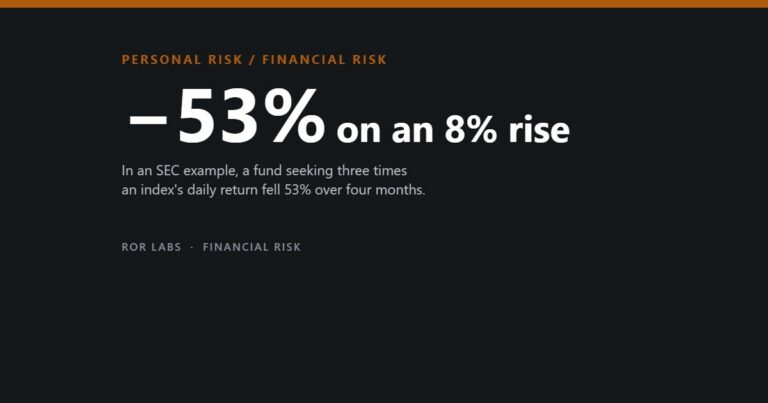
How the daily reset makes leveraged ETFs drift from their multiple, what studies of real investors found, the case for them, and the new SEC and Korean rules.
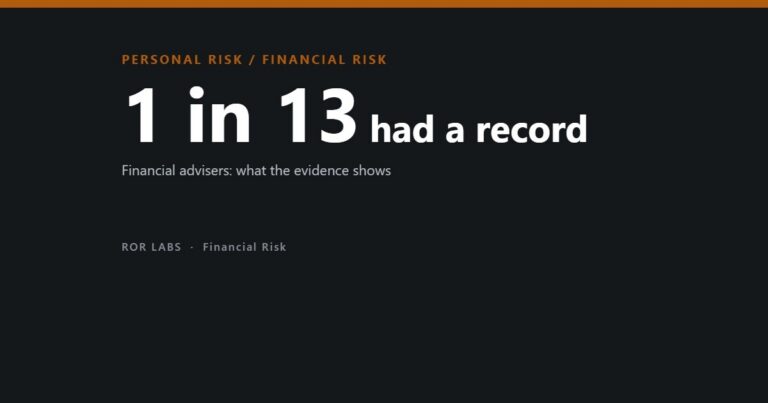
About one US adviser in 13 has a misconduct record, and many keep working. What research shows about adviser misconduct, conflicts, fees and when advice still helps.
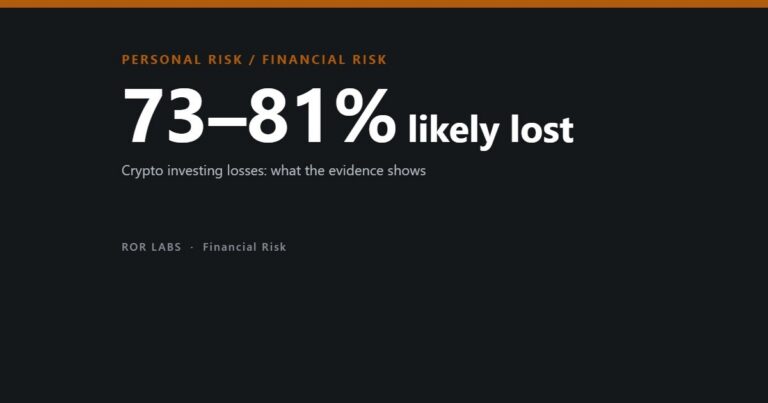
A BIS study estimated that 73% to 81% of retail bitcoin investors had likely lost money on their first purchase. What the evidence shows about timing, failed coins, fraud and leverage, and what it cannot show.
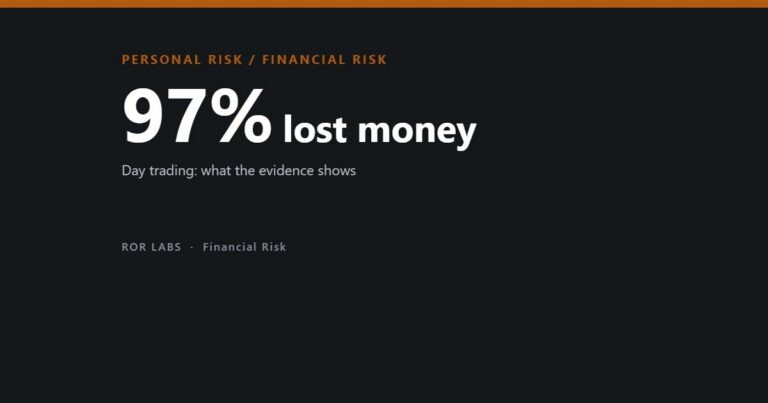
The households that traded most earned 11.4% a year against 17.9% for the market, and fewer than 1% of day traders profit reliably. What 25 years of trading records show, including the case for retail traders.
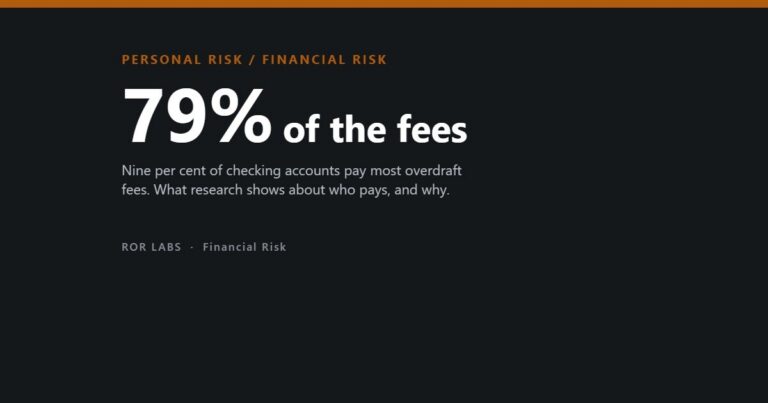
9% of US checking accounts pay 79% of overdraft fees. What research shows about who pays, why alerts help only a little, and what happened to the CFPB fee cap.
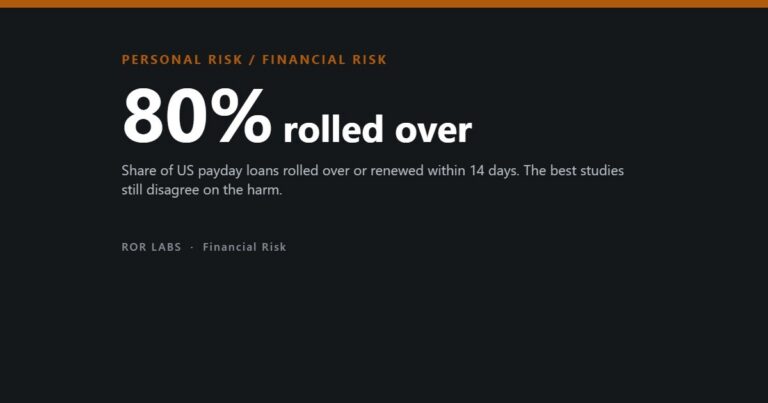
More than 80% of US payday loans are rolled over within 14 days. But careful studies disagree on the harm, and bans push borrowers elsewhere. What the evidence shows.
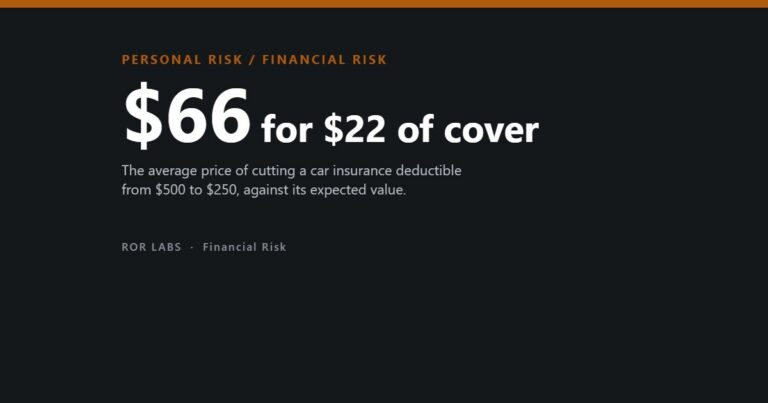
Most households pay far more to lower their insurance deductible than the extra cover is worth. When that is a mistake, and when it is not.
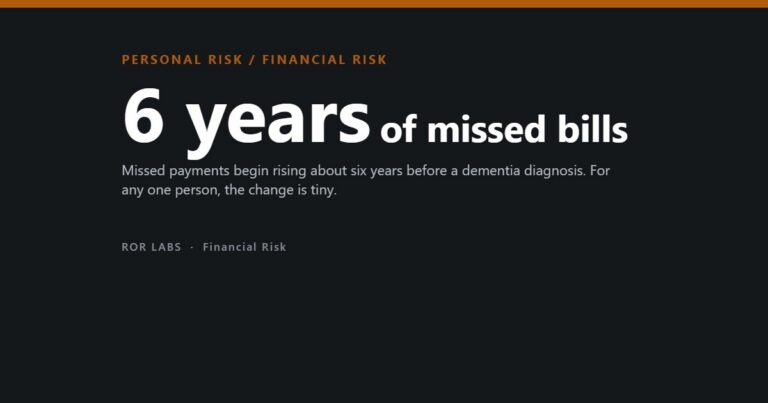
Missed payments begin rising about six years before a dementia diagnosis, and confidence in managing money does not fall as ability does. What the evidence shows.
In This Series: Personal Finance & Investing Why Most Stock Investors Lose Money: What the Evidence Actually Shows Options and Futures: Where Retail Money Actually Goes Two Retirees, the Same Returns, Only One Runs Out. The Difference Is the Order. Deposit Insurance Stops at $250,000. Since 2008, Uninsured Depositors Have Actually Lost Money in Six…
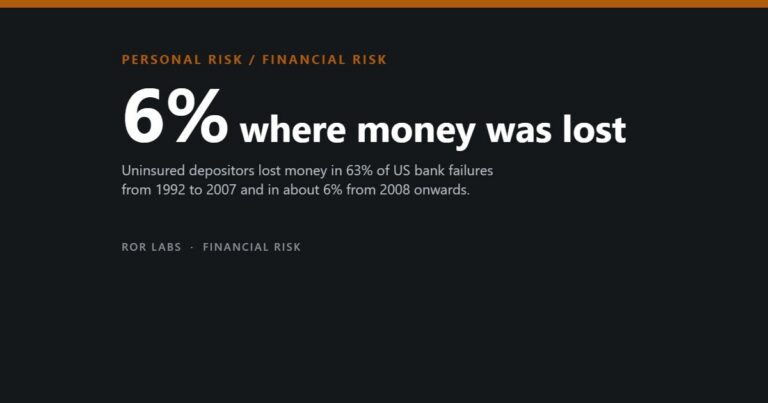
The limit is per depositor, per insured bank, per ownership category — and it is triggered only by a bank failing. Uninsured depositors lost money in 63% of US failures from 1992 to 2007 and in about 6% since. That was a change in practice, not in law.