
Trend summary
- Most fatal injuries in Germany do not happen on the roads or at work. They happen at home, to older people, and the main cause is a fall.
- Falls killed 21,176 people in 2024, up from 12,868 in 2015, and three in four of them were aged 80 or over (Destatis). Provisional figures for 2025 show 22,208.
- Work is getting safer: the statutory accident insurers recorded 299 fatal work accidents in 2025 and 19.9 reportable accidents per 1,000 full-time workers, down 3.2% (DGUV).
- Drowning and drug deaths remain high: the DLRG counted 393 drownings in 2025 and a June 2026 toll not seen since 2003, and 2,150 people died from drug use in 2025.
What the numbers show
The fullest picture comes from the cause-of-death statistics (Todesursachenstatistik) of the Federal Statistical Office, Destatis. Its final report for 2024 (in German) counts 34,060 accidental deaths. Almost half, 16,617, were home accidents (häusliche Unfälle), against 3,000 traffic accidents and 283 accidents at work or school. Falls alone caused 21,176 deaths, and 15,936 of the people who died were aged 80 or over. The number has risen almost every year: Destatis reported 12,868 fall deaths for 2015, 17,211 for 2020, 20,311 for 2022 and 20,800 for 2023. Its monthly figures (in German) show a provisional 22,208 for 2025 (as of 15 July 2026). These are still being revised.
Other injuries are moving in different directions. The German Social Accident Insurance (DGUV), the umbrella body of the statutory accident insurers, reported (in German) 689,922 reportable work accidents in 2025, 3.1% fewer than in 2024. 299 insured people died in work accidents and 231 in accidents on the way to or from work. Falls from height were the second most common cause of fatal work accidents, after losing control of a vehicle. The Federal Institute for Occupational Safety and Health (BAuA) uses a wider count. Its national report put fatal work accidents at 440 in 2024, down from 499 (in German), the lowest on record. Drowning deaths go up and down with the weather. The German Life Saving Association (DLRG) counted 393 in 2025 (in German), 18 fewer than in 2024, compared with 537 in 2016.
What is driving it
The main driver is age. Germany has more people in their 80s and 90s every year, and at that age a fall at home often leads to death. In 2024, 1,647 people died after falling on stairs and 862 after slipping or tripping on level ground. Heat adds to the toll among older people. The Robert Koch Institute (RKI) estimates about 2,500 heat-related deaths in summer 2025 (in German), close to the median of 2,900 for 2016–2025, with most of them among people over 75. Death certificates rarely name heat as the cause: Destatis counted an average of only 21 such deaths a year in 2004–2024. The DGUV also found that work accidents rise by about 7% on days of 30 °C or more (DGUV, August 2025, in German).
Younger people face different risks. The DLRG says most drowning victims are men, and in 2026 it recorded more deaths among people aged 11 to 30, linking them to risk-taking, overconfidence and weak swimming skills. The Federal Government Commissioner for Addiction and Drug Issues (Bundesdrogenbeauftragter) reports that drug deaths have stayed close to record levels: 2,227 in 2023, 2,137 in 2024 and 2,150 in 2025. More than four in five of those who died in 2025 had taken several substances, and deaths among people under 30 have risen by more than half since 2021.
Recent cases
- 23 September 2026: the DLRG says at least 320 people have drowned in Germany so far in 2026, slightly fewer than at this point in 2025. However, 248 died in the bathing season from May to mid-September, 12 more than a year earlier, and 88 of this year’s victims were aged 11 to 30 (DLRG, in German).
- 22 September 2026: the DGUV publishes its 2025 figures. Work accident risk fell again, but commuting and school accidents rose slightly, and 530 insured people died at work or on the way to or from work (DGUV, in German).
- 12 July 2026: after a June heatwave, the DLRG counts at least 99 drowning deaths in the month, the highest June toll since the hot summer of 2003. More than 90% of the victims were male (DLRG, in German).
Press releases and official reports, 2023–2026
Five key releases a year for the last four years, newest first. Most come from German federal and state government agencies, regulators, accident investigators and national statistics; a few news reports are included where they are the clearest public record of an event. Many official releases are published only in German; for those we give an English translation of the title and mark the link (in German). Releases from 2007–2022 are in the expandable list after 2023.
2026
- 23 Sep 2026DLRGMore drownings in the bathing season: DLRG warns of risks at open water (in German)
- 22 Sep 2026DGUVRisk of accidents at work fell again in 2025 (in German)
- 7 Jul 2026Drug CommissionerOne in four drug deaths is under 30 (in German)
- 2 Jul 2026DestatisDeaths in heatwave weeks of recent years at times more than 20% above the reference value of earlier years (in German)
- 16 Mar 2026BAuAFalls from height at work: construction particularly affected (in German)
2025
- 10 Dec 2025BAuANumber of work accidents lower than ever (in German)
- 7 Aug 2025DGUVRisk of accidents at work fell again in 2024 (in German)
- 7 Jul 2025Drug CommissionerAct now and prevent a drug crisis (in German)
- 7 May 2025RKIHeat-related mortality in Germany 2023 and 2024 (Epidemiologisches Bulletin 19/2025) (in German)
- 13 Mar 2025DLRGDLRG statistics 2024: at least 411 people drowned in Germany (in German)
2024
- 11 Dec 2024BAuAFatal work and commuting accidents at a record low (in German)
- 30 Sep 2024DestatisCause-of-death statistics 2023: number of deaths down 3.6% in 2023 (in German)
- 19 Sep 2024DLRGDLRG end-of-summer review: significantly more people drowned than last year (in German)
- 18 Jun 2024DGUVFewer people killed at work than ever before (in German)
- 29 May 2024Drug CommissionerNumber of drug deaths in Germany rises further (in German)
2023
- 15 Nov 2023DestatisCauses of death 2022: share of COVID-19 deaths falling (in German)
- 13 Sep 2023DLRGDLRG: more than 260 people drowned by the end of summer (in German)
- 8 Sep 2023DGUVPreventing fatal falls through roofs (in German)
- 11 May 2023Drug CommissionerAnother rise in the number of drug deaths in 2022 (in German)
- 12 Apr 2023BAuAFatal falls from height mostly on construction sites (in German)
View 20 years of major German injury press releases (2007–2026)40 more from 2007–2022, up to five a year, newest first
2022
- 16 Dec 2022DestatisCause-of-death statistics 2021: 7% of all deaths directly due to COVID-19 (in German)
- 4 Oct 2022DGUVMore accidents at school and on the way to school again (in German)
- 14 Sep 2022DGUVWatch out! Zero tripping, slipping and falling (in German)
- 6 Jul 2022DGUVRisk of accidents at work rose in 2021 but stayed below the 2019 level (in German)
- 16 May 2022Drug Commissioner1,826 men and women in Germany died from illegal drugs in 2021: number up again (in German)
2021
- 4 Nov 2021DestatisCause-of-death statistics 2020: number of deaths up 4.9% (in German)
- 28 Sep 2021DGUVNot everyone is equal in the face of Corona: 2020 work accident figures show how differently sectors were affected (in German)
- Aug 2021DGUVStatistics: work accidents in 2020 (in German)
- 15 Jun 2021DGUVCorona brings an all-time low in work accidents (in German)
- 9 Mar 2021DLRGDLRG statistics 2020: at least 378 deaths by drowning (in German)
2020
- Sep 2020DGUVStatistics: work accidents in 2019 (in German)
- 5 Mar 2020DLRGDLRG barometer: at least 417 deaths by drowning (in German)
- 2020BAuASafety and Health at Work, reporting year 2019 (in German)
2019
- Nov 2019DGUVStatistics: work accidents in 2018 (in German)
- 21 Feb 2019DLRGDLRG barometer: at least 504 deaths by drowning, many more in the long summer (in German)
2018
- 2018BAuASafety and Health at Work, reporting year 2017 (in German)
- 27 Feb 2018DLRGDLRG barometer: at least 404 deaths by drowning (in German)
2017
- 2017BAuASafety and Health at Work, reporting year 2016 (in German)
- 7 Apr 2017DestatisAccidents, violence and self-harm among children and young people: official injury statistics for 2014 (in German)
- 2017DLRGFor the first time in ten years, more than 500 people drowned (in German)
- 19 Jan 2017DestatisNumber of deaths up 6.5% in 2015 (in German)
2016
- Dec 2016DGUVStatistics: work accidents in 2015 (in German)
- 2016BAuASafety and Health at Work 2015: accident prevention report (in German)
- Mar 2016DLRGAlmost 500 people drowned in Germany in 2015, including 27 refugees (in German)
- 2016BAuASafety and Health at Work 2014: accident prevention report (in German)
2015
- Mar 2015DLRGDLRG barometer 2014: 392 people drowned (in German)
2014
- 2014BAuASafety and Health at Work 2013: accident prevention report (in German)
- 2014BAuASafety and Health at Work 2012: accident prevention report (in German)
- 13 Mar 2014DLRGDLRG barometer 2013: 446 people drowned in Germany (in German)
- Jan 2014DGUVStatistics: work accidents in 2012 (in German)
2013
- 21 Mar 2013DLRGRecord low for a century: only 383 people drowned in 2012 (in German)
- 2013BAuASafety and Health at Work 2011: accident prevention report (in German)
2012
- 2012BAuASafety and Health at Work 2010: accident prevention report (in German)
2011
- 3 Mar 2011DLRGDLRG barometer: 438 deaths by drowning (in German)
- 2011BAuASafety and Health at Work 2009: accident prevention report (in German)
2010
- 11 Mar 2010DLRGDLRG: many people drowned in German waters (at least 474 in 2009) (in German)
2009
- Mar 2009DLRGDLRG review 2008: at least 475 people drowned in German waters (in German)
- 2009BAuASafety and Health at Work 2007: accident prevention report (in German)
2008
- 2008BAuASafety and Health at Work 2006: accident prevention report (in German)
2007
- 2007BAuASafety and Health at Work 2005: accident prevention report (in German)
Some early years list fewer than five items. Many older German government releases are no longer online at their original addresses, and we only list items we could find and check.
Photo list
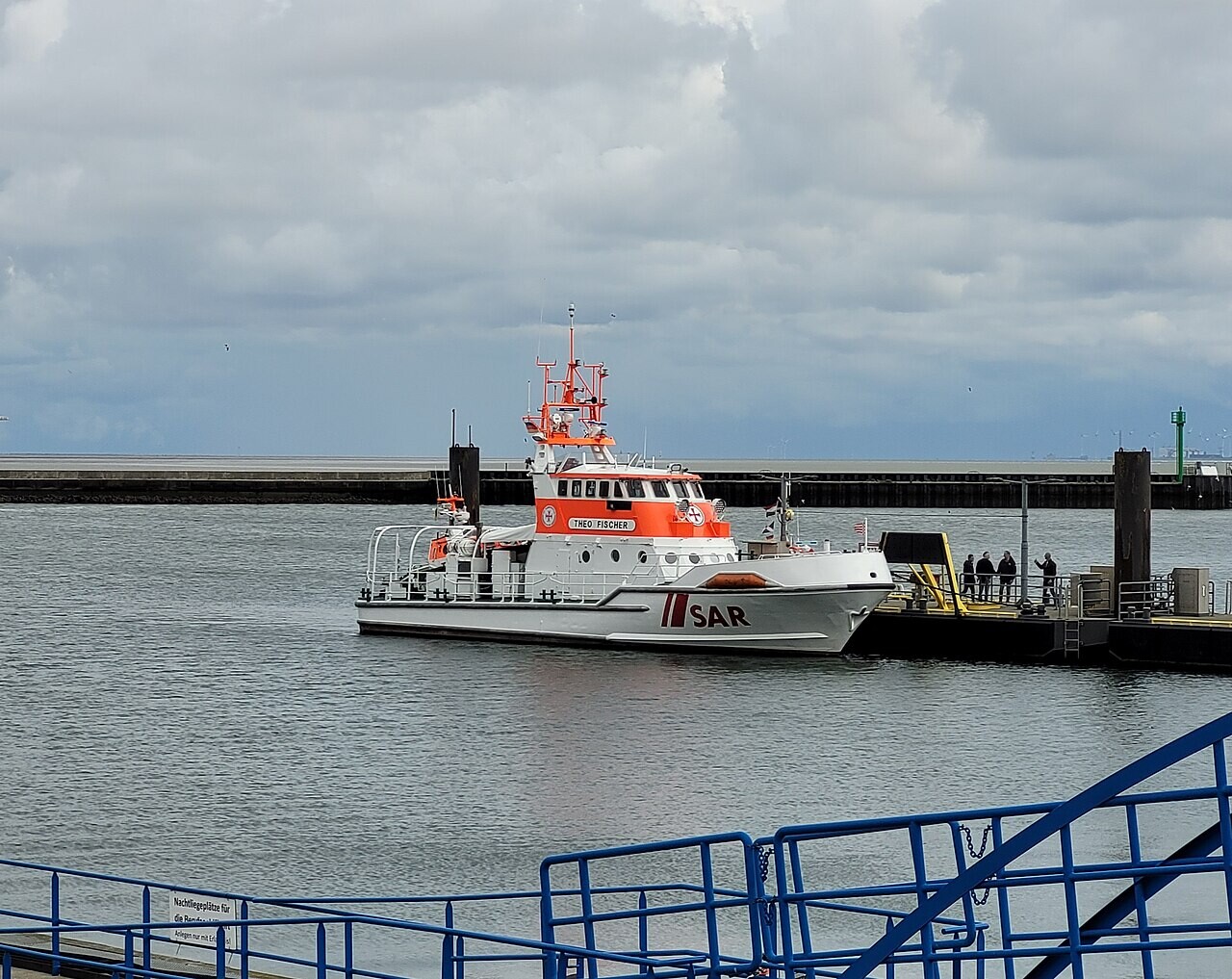

How this page is built. Figures come from the official statistical releases linked above; where agencies publish provisional numbers we say so, because they are revised. German statistics are often published separately by each federal state (Land) and some only in German, so we say which area and period each figure covers and translate titles. Photos are public-domain or Creative Commons images credited in each caption; file photos are illustrative and are not from the events described unless the caption says so. This page tracks trends and is not personal safety, medical, legal or financial advice.