
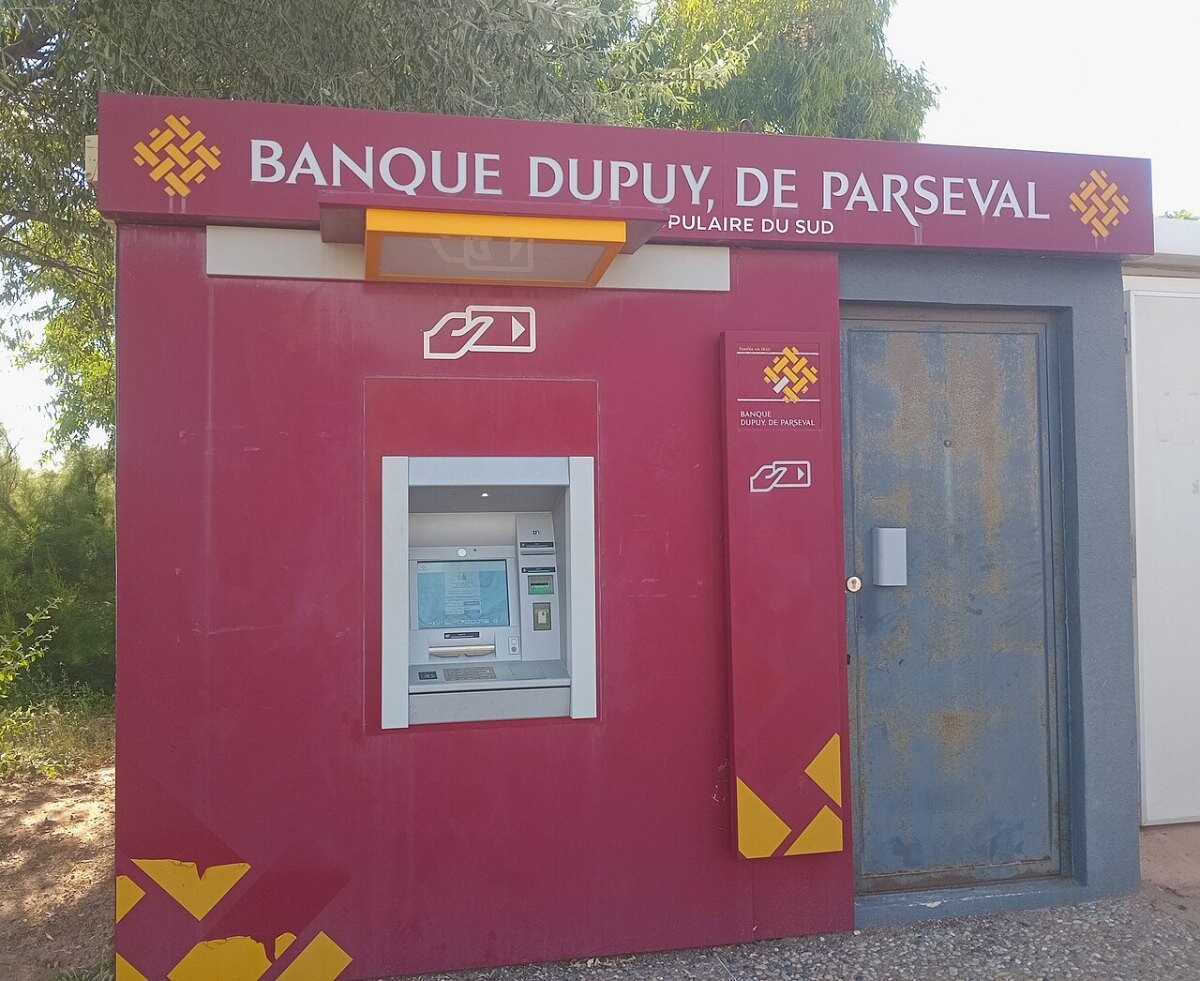
Trend summary
- Payment fraud in France reached €1.24 billion in 2025, up 3.8%, even though the number of fraudulent transactions fell 7.6% to 7.2 million, according to the Banque de France’s payment-security observatory (OSMP).
- Manipulation fraud, where victims are tricked into paying (fake bank advisers, CEO fraud, IBAN swaps), jumped 34% to €516 million. It is now 41.6% of all payment fraud, double its share four years earlier.
- Card fraud fell 8.6% to €475 million, its lowest rate on record (47 euros per €100,000 paid). Transfer fraud rose about 37% to €485 million; cheque fraud fell 16% to €229 million.
- Police and gendarmes recorded 448,300 victims of scams and payment fraud in 2025, up 7%. A November 2025 law created a national file of suspect bank accounts run by the Banque de France.
What the numbers show
The Banque de France’s Observatory for the Security of Payment Means counts fraud on cards, transfers, cheques, direct debits and other non-cash payments. In 2025 it recorded €1,241 million of fraud: €485 million on transfers, €475 million on cards, €229 million on cheques, €33 million on direct debits and €19.3 million on bills of exchange (OSMP 2025 report; Banque de France). Total fraud was about €800 million in 2016 (AFP via Médias24), €744 million in 2017 (Meilleurtaux), just over €1 billion in 2018 (UFC-Que Choisir) and stayed just under €1.2 billion a year from 2022 to 2024 (Banque de France). Card fraud alone grew from €252.6 million in 2006 (Banque de France) to €450.7 million in 2012 (Banque de France); the observatory’s current series shows €436 million in 2015, a peak of €519 million in 2024 and €475 million in 2025. Cheques were the weak spot for years: cheque fraud rose from €296 million in 2017 to €453 million in 2018 (La finance pour tous) and reached €538 million in 2020 (Banque de France), before falling to €229 million in 2025.
The fastest-growing type is manipulation fraud: €269 million in 2021, €340 million in 2022, €379 million in 2023, about €384 million in 2024 and €516 million in 2025; of the 2025 total, €376 million went out by bank transfer (Banque de France press release; OSMP 2025 report). Police data show the same rise. Recorded victims of scams and payment fraud went from 250,900 in 2016 to 411,700 in 2023, about 7.3% a year (SSMSI), and to 448,300 in 2025, up 7%; 53% of these offences were linked to digital use, against 31% in 2016, and only 8% of cases recorded in 2024 were solved within a year (SSMSI). Cybermalveillance.gouv.fr assisted more than 500,000 victims in 2025, with requests about fake bank advisers up 159%, transfer fraud up 170% and fake investments up 277% among individuals (Cybermalveillance.gouv.fr). The AMF and ACPR added 1,351 names to their blacklists of unauthorised investment and credit sites in 2025, bringing the total to 9,269 (MoneyVox; AMF).
What is driving it
Better security has pushed criminals from stealing card data to tricking people. Card fraud rates fell after strong authentication and earlier liability shifts on remote sales (from October 2008, National Assembly); the internet card fraud rate has halved since 2020 (Banque de France). So fraudsters now call victims while posing as their bank’s anti-fraud team, often spoofing the bank’s real number, and talk them into approving a transfer or a card payment themselves. Research on this ‘authorised push payment’ fraud shows why it is hard to stop: the bank sees a genuine customer making a valid payment, and in most countries the victim has little legal route to a refund (Braithwaite, Journal of Financial Regulation, 2024). A behavioural experiment found that redesigning the in-app steps a customer must take before paying cut fraud success far more than standard warnings (Akesson, Gathergood and Quispe-Torreblanca, 2023). Instant transfers add pressure: they were 17% of transfers in 2025 and their annual value roughly doubled in a year (Banque de France).
France has answered with laws and joint work across sectors. Law No. 2020-901 of 24 July 2020 required telecom operators to authenticate caller numbers and block calls that fail (Official Journal text); the system went live for fixed lines in October 2024 (La finance pour tous). Law No. 2025-1058 of 6 November 2025 created a national file of suspect accounts run by the Banque de France and tightened cheque checks (Senate). In September 2026 the observatory called for single anti-fraud phone numbers, takedowns by social networks and messaging apps, per-client spending limits and payee verification, and repeated that a bank never asks a customer to act to block a payment (Banque de France). Victims can report card fraud online through Perceval, opened in June 2018 (Ministry of the Interior).
Recent cases
- 9 September 2026: The Banque de France’s payment-security observatory reported €1.24 billion of payment fraud in 2025, with manipulation scams up 34% to €516 million, or 41.6% of the total (Banque de France).
- 9 July 2026: The Interior Ministry’s statistics service counted 448,300 victims of scams and payment fraud in 2025, up 7%, with 53% of cases linked to digital use (SSMSI).
- 24 June 2026: The AMF–ACPR joint unit said more than 1,300 new unauthorised sites or firms were added to the regulators’ blacklists in 2025, many offering fake savings accounts, loans and investments (AMF).
How France compares with the EU
Eurostat’s household ICT survey asked people which online security problems they had faced in the previous year. In 2019, the last wave with this question, French respondents were more than twice as likely as the EU average to report fraudulent card use.
| Share of people | France | EU-27 |
|---|---|---|
| Fraudulent card use, 2019 | 5.4% | 2.2% |
| Phishing messages received, 2019 | 39.1% | 24.7% |
| Online identity theft, 2019 | 1.1% | 0.9% |
| Lost money to card fraud, 2015 | 2.4% | 0.9% |
Percentage of all individuals aged 16–74. The survey stopped asking this in 2019, so it predates the shift to authorised push-payment and phone scams. Source: Eurostat, security problems experienced when using the internet (isoc_cisci_pb), accessed through the EU open data API on 21 October 2026.
Press releases and official reports, 2023–2026
Five key releases a year for the last four years, newest first. Most come from national bodies such as ONISR, the Ministry of the Interior, Santé publique France, the BEA and BEAmer investigation bureaus and the Banque de France, from the Senate and National Assembly, and from research journals; a few news reports are included where they are the clearest public record of an event. Headlines are our English translations of the French originals. Releases from 2007–2022 are in the expandable list after 2023.
2026
- 9 Sep 2026Banque de FranceReport of the Observatory for the Security of Payment Means 2025
- 9 Jul 2026SSMSI (Ministry of the Interior)Insecurity and crime in 2025: statistical review and departmental atlas
- 24 Jun 2026AMFThe AMF–ACPR Joint Unit publishes its 2025 annual report
- 26 Mar 2026Cybermalveillance.gouv.frCybermalveillance.gouv.fr reveals the trends of the cyber threat in France
- 29 Jan 2026Ministry of the InteriorInsecurity and crime in 2025: a first snapshot
2025
- 6 Nov 2025SenateStrengthening the fight against bank fraud: legislative file, enacted as Law No. 2025-1058 of 6 November 2025
- 9 Sep 2025Banque de FranceReport of the Observatory for the Security of Payment Means 2024
- 10 Jul 2025SSMSI (Ministry of the Interior)Insecurity and crime in 2024: statistical review and departmental atlas
- 31 Mar 2025National AssemblyBill to strengthen the fight against bank fraud, adopted at first reading
- 27 Mar 2025Cybermalveillance.gouv.frCybermalveillance.gouv.fr reveals the trends of the cyber threat in France [2024 activity report]
2024
- 12 Sep 2024La finance pour tous (IEFP)Scams: towards the end of 'spoofing'
- 10 Sep 2024Banque de FranceReport of the Observatory for the Security of Payment Means 2023
- 18 Jul 2024SSMSI (Ministry of the Interior)Insecurity and crime in 2023: statistical review and departmental atlas
- 18 Jul 2024La finance pour tous (IEFP)Payment fraud and scams up 64% between 2016 and 2023
- 10 Jul 2024SSMSI (Ministry of the Interior)Scams recorded by the security services between 2016 and 2023 – Interstats Analyse No. 68
2023
- 28 Sep 2023SSMSI (Ministry of the Interior)Insecurity and crime in 2022: full statistical review
- 14 Sep 2023La finance pour tous (IEFP)Bank scam: fake adviser and fake courier!
- 11 Jul 2023Banque de FranceReport of the Observatory for the Security of Payment Means 2022
- 26 May 2023La finance pour tous (IEFP)Payment fraud: the Banque de France issues a series of recommendations
- 23 Mar 2023Cybermalveillance.gouv.frFigures and trends of cyber threats: Cybermalveillance.gouv.fr publishes its 2022 activity report
View 20 years of major French fraud press releases (2007–2026)79 more from 2007–2022, up to five a year, newest first
2022
- 22 Jul 2022Banque de FranceAnnual report of the Observatory for the Security of Payment Means 2021
- 30 Jun 2022SSMSI (Ministry of the Interior)Insecurity and crime in 2021: statistical review
- 21 Jun 2022La finance pour tous (IEFP)Scams, financial products, sustainable finance: the actions of the ACPR–AMF Joint Unit
- 8 Mar 2022Cybermalveillance.gouv.frCybermalveillance.gouv.fr unveils its 2021 activity report
- 28 Jan 2022La finance pour tous (IEFP)Financial scams: more than 1,200 fraudulent sites in 2021
2021
- 16 Dec 2021La finance pour tous (IEFP)Financial scams: a large-scale campaign against fraud
- 18 Oct 2021Banque de FranceAnnual report of the Observatory for the Security of Payment Means 2020
- 29 Apr 2021SSMSI (Ministry of the Interior)Insecurity and crime in 2020: statistical review
- 15 Apr 2021Cybermalveillance.gouv.frFigures and trends of cyber threats: Cybermalveillance.gouv.fr unveils its 2020 activity report
- 28 Jan 2021SSMSI (Ministry of the Interior)Insecurity and crime in 2020: a first snapshot – Interstats Analyse No. 32
2020
- 9 Aug 2020Gendarmerie nationalePerceval tracks down bank-card fraudsters
- 24 Jul 2020Official Journal (text hosted by Arcep)Law No. 2020-901 of 24 July 2020 to regulate telephone cold-calling and combat fraudulent calls
- 10 Jun 2020SenateMonitoring the cyber threat during the health crisis: information report No. 502 (2019-2020)
- 29 Jan 2020Cybermalveillance.gouv.frFigures and trends of cyber threats: Cybermalveillance.gouv.fr unveils its first activity report, 2019
- 16 Jan 2020SSMSI (Ministry of the Interior)Insecurity and crime in 2019: a first snapshot – Interstats Analyse No. 24
2019
- 10 Dec 2019National AssemblyInternet and telephone scams: written question No. 22556 and answer from the Justice Ministry
- 17 Oct 2019Cybermalveillance.gouv.frMore than 9 in 10 French people have already faced an act of cyber-malice
- 22 Jul 2019La finance pour tous (IEFP)Cheques: fraud up 52% in one year
- 9 Jul 2019UFC-Que ChoisirPayment security: more than €1 billion of fraud in 2018!
- 7 May 2019National AssemblyInternet scams: written question No. 16842 and answer
2018
- 27 Nov 2018La finance pour tous (IEFP)Bank-card fraud: adopt the right reflexes!
- 20 Nov 2018National AssemblyResources deployed to fight bank scams: written question No. 8419 and answer
- Jul 2018Meilleurtaux (news)Fraud on the various payment means is falling… except for cheques!
- 8 Jun 2018La finance pour tous (IEFP)Bank card: report a fraudulent online purchase on Perceval
- 6 Jun 2018Ministry of the Interior (via Calvados prefecture)Opening of the Percev@l platform for reporting bank-card fraud
2017
- 11 Dec 2017La finance pour tous (IEFP)Bank scams on the rise
- 8 Nov 2017SSMSI (Ministry of the Interior)Info rapide No. 8: offences against households' homes, cars and bank accounts cause at least €3.5 billion of harm each year
- 26 Jul 2017La finance pour tous (IEFP)800 million in fraud on cards, cheques and transfers in France in 2016
- 18 Jul 2017AFP (via Médias24)Payment means: €800 million of fraud in France in 2016
- 18 Jan 2017SSMSI (Ministry of the Interior)Insecurity and crime in 2016: first statistical review
2016
- 9 Dec 2016La finance pour tous (IEFP)Bank-card fraud rising sharply
- 30 Aug 2016National AssemblyBank cards: written question No. 78009 and answer on card fraud rates
- 5 Jul 2016Banque de France2015 annual report: fall in fraud confirmed in 2015 for card payments made in France
- 2016Banque de France (OSCP)2015 annual report of the Observatory for the Security of Payment Cards
2015
- 6 Oct 2015SSMSI (Ministry of the Interior)Info rapide No. 3: victims of bank fraud
- 8 Sep 2015National AssemblyBank cards (fraudulent debits and bank scams): written question No. 87940 and answer
- 3 Sep 2015La finance pour tous (IEFP)Bank fraud: 240 euros on average
- 16 Jul 2015SenateInternet scams: written question No. 17359 and answer
- 9 Jul 2015Banque de France2014 annual report: the fraud rate on transactions in France falls for the first time since 2003
2014
- 23 Sep 2014National AssemblyPayment methods (bank-card fraud and identity theft): written question No. 64643 and answer
- 16 Sep 2014National AssemblyBank cards (card fraud and identity theft): written question No. 64144 and answer
- 18 Jul 2014Le Monde du DroitActivity report of the Observatory for the Security of Payment Cards [2013]
- 16 Jul 2014La finance pour tous (IEFP)Bank-card fraud: 470 million euros in 2013
- 15 Jul 2014Banque de FranceThe Observatory for the Security of Payment Cards publishes its 2013 annual report
2013
- 3 Sep 2013National AssemblyE-commerce: written question No. 28736 and answer on online card fraud
- 16 Jul 2013Le Monde du DroitPayment cards: annual report of the Security Observatory [2012]
- 2 Jul 2013Banque de FranceThe Observatory for the Security of Payment Cards publishes its 2012 annual report
- 25 Apr 2013SenateFraudulent emails: written question No. 06025 and answer
- 11 Jan 2013La finance pour tous (IEFP)A 30% rise in fraudulent debits on bank accounts
2012
- 6 Sep 2012SenateRise in internet bank-card fraud: written question No. 01748 and answer
- 12 Jul 2012SenateFighting bank-card fraud: written question No. 00324 and answer
- 2 Jul 2012Banque de FranceThe Observatory for the Security of Payment Cards publishes its 2011 annual report
- 31 May 2012SenateInternet bank-card fraud: written question No. 23582 and answer
- 26 Jan 2012La finance pour tous (IEFP)Card payments: fraud rising on the internet
2011
- 19 Oct 2011SenateProtection of identity: second-reading report No. 39 (2011-2012) of the Law Committee
- 11 Jul 2011Banque de FranceThe Observatory for the Security of Payment Cards publishes its 2010 annual report
- 29 Jun 2011National AssemblyProtection of identity: report No. 3599 of the Law Committee (Philippe Goujon)
- 12 May 2011SenateFighting fraudulent emails: written question No. 18540 and answer
- 13 Apr 2011SenateBill on the protection of identity: report No. 432 (2010-2011) of the Law Committee
2010
- 31 Aug 2010National AssemblyPayment methods (internet bank-card fraud): written question No. 87042 and answer
- 27 Jul 2010SenateBill on the protection of identity (against identity fraud), No. 682 (2009-2010), tabled by Jean-René Lecerf and Michel Houel
- 13 Jul 2010Banque de FranceThe Observatory for the Security of Payment Cards publishes its 2009 annual report
- 2 Jun 2010SenateBill on internal security (LOPPSI 2), incl. creation of an identity-theft offence and cybercrime measures: report No. 517 (2009-2010) of the Law Committee
- 9 Mar 2010National AssemblyBank cards (internet card fraud): written question No. 73608 and answer
2009
- 11 Jul 2009UFC-Que ChoisirPayment cards: more fraud
- 9 Jul 2009Banque de FranceThe Observatory for the Security of Payment Cards publishes its 2008 annual report
- 27 May 2009National AssemblyBill on internal security (LOPPSI 2), incl. a new digital identity-theft offence: bill No. 1697 tabled by the Minister of the Interior
- 10 Mar 2009National AssemblyBank cards: written question No. 39084 and answer
- 8 Jan 2009SenatePlan to fight scams: question to the government
2008
- 9 Dec 2008National AssemblyBank cards: written question No. 28019 and answer
- 6 Nov 2008SenateBill to criminalise digital identity theft (No. 86, 2008-2009)
- 11 Jul 2008Banque de FranceThe Observatory for the Security of Payment Cards publishes its 2007 annual report
- 3 Jun 2008National AssemblyBank-card fraud using skimming: written question No. 6211 and answer
- 2008Banque de France (OSCP)2007 annual report of the Observatory for the Security of Payment Cards
2007
- 14 Aug 2007National AssemblyBank cards (card fraud): written question No. 3265 and answer
- 10 Jul 2007Banque de FranceThe Observatory for the Security of Payment Cards publishes its 2006 annual report
- 10 Apr 2007National AssemblyInternet banking fraud (phishing): written question No. 113116 and answer
- 14 Mar 2007Le Monde InformatiqueLull in phishing attacks
- 2007Banque de France (OSCP)2006 annual report of the Observatory for the Security of Payment Cards
Many years list fewer than five items, and some have none yet. Several official archives (Légifrance, older ministry pages and PDFs) could not be opened when we compiled this list, and we only list items we could open and check. We are still adding to these lists. Where a page shows no date, the date comes from the publisher’s own index; annual reports with no printed date are listed under the year they cover or were released.
Photo list
How this page is built. Figures come from the official statistical releases and research linked above; where agencies publish provisional numbers we say so, because they are revised. National death data come from Inserm’s cause-of-death centre (CépiDc) and take two to three years to finalise, and some figures cover metropolitan France only while others include the overseas departments, so we say which year, area and source each figure covers. Money is given in euros. Headlines and quotes are our translations from French. Photos are public-domain or Creative Commons images credited in each caption; file photos are illustrative and are not from the events described unless the caption says so. This page tracks trends and is not personal safety, medical, legal or financial advice.