

Trend summary
- Death certificates recorded 423 deaths from fire and smoke in 2016 across France, including the overseas departments. That is about 2% of all home and leisure injury deaths, and the number was broadly stable over 2012–2016.
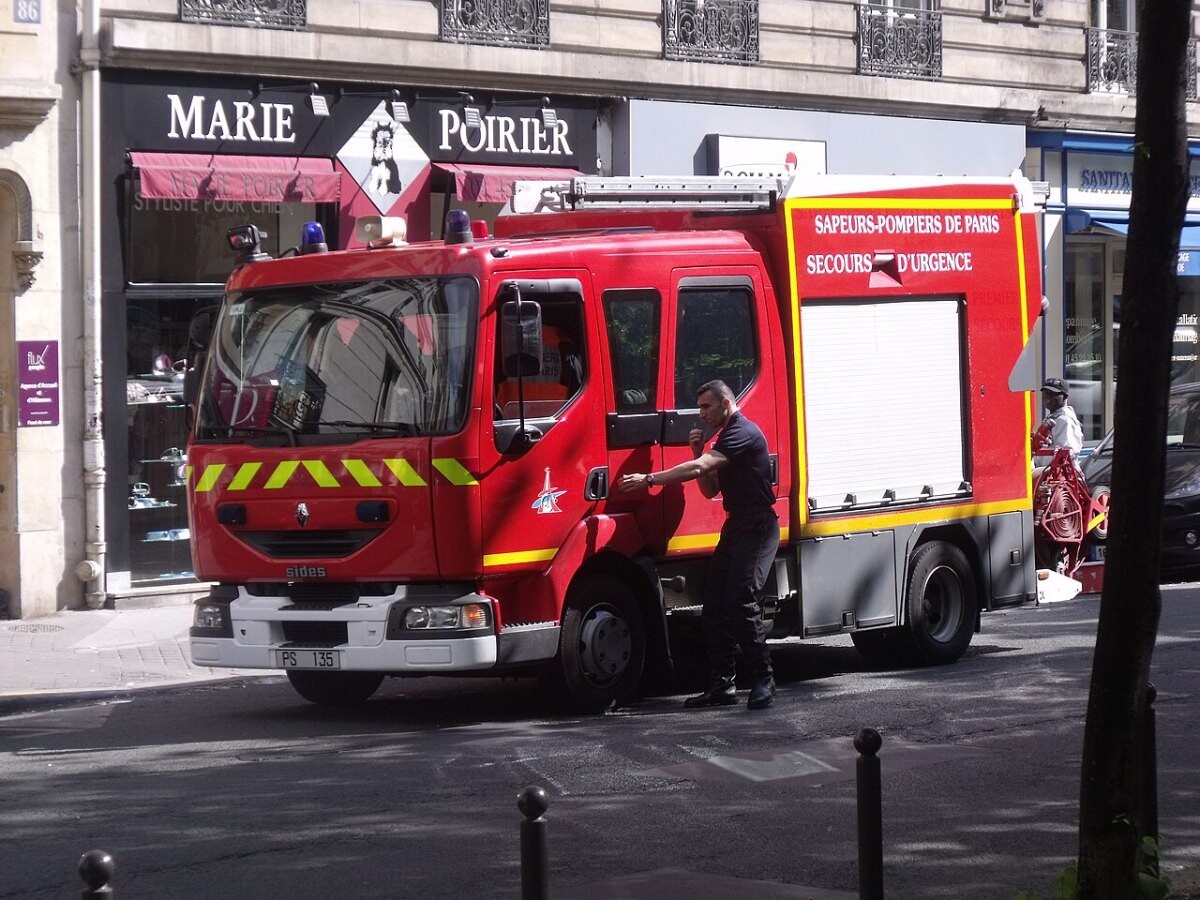
- Fire and rescue services attended 234,702 fires in 2024, 15% fewer than in 2023, out of 4.75 million call-outs. The national summaries no longer publish a separate count of home fires.
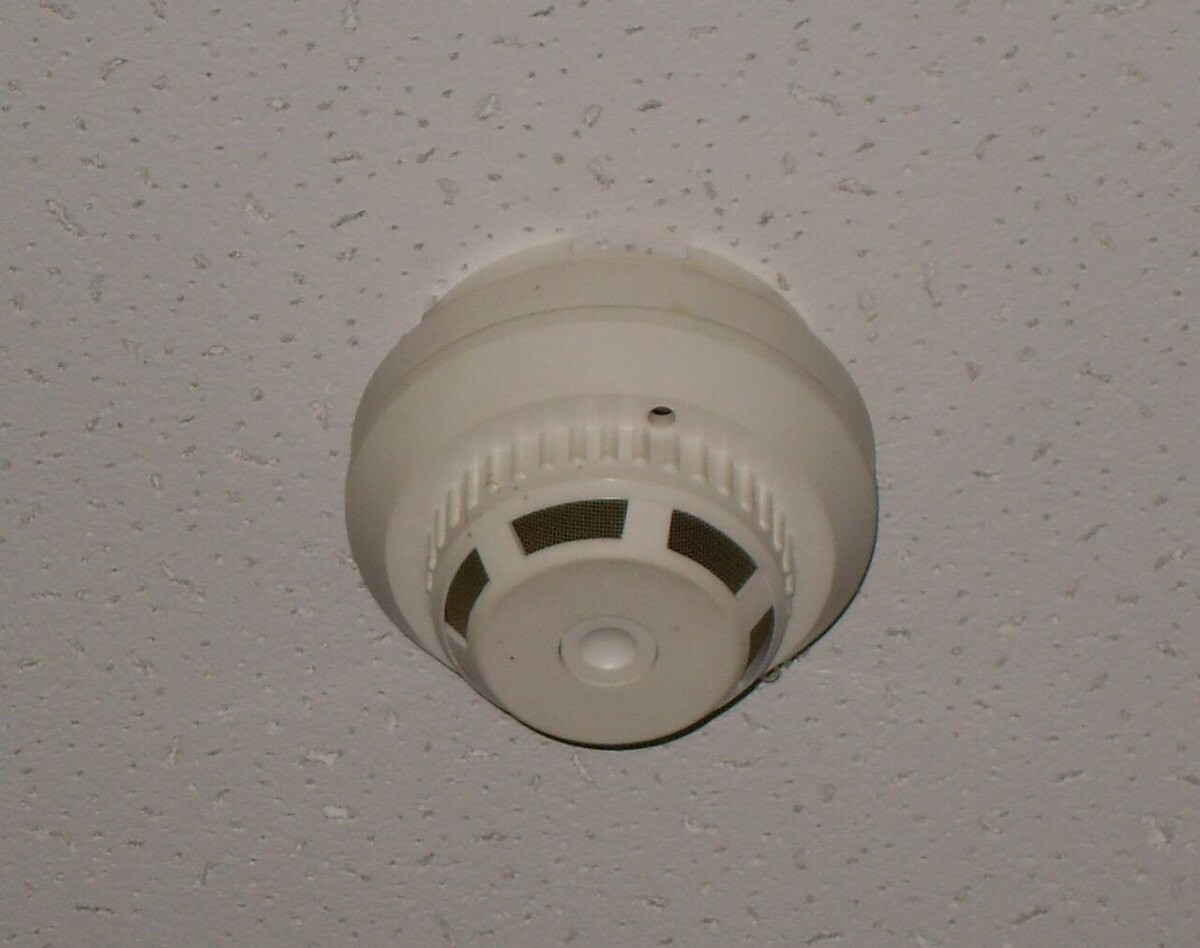
- A smoke alarm has been compulsory in every home since 8 March 2015, under a law of 9 March 2010. In 2008 fewer than 1% of homes had one; by 2015 a poll cited by the government found 55% of people said they were equipped.
- Newer risks include lithium-ion batteries in e-scooters and e-bikes. A scooter fire killed four people in a Reims tower block in June 2025. Deadly flat fires in Aubervilliers (2018), Paris (2019), Vaulx-en-Velin (2022) and Nice (2024) also exposed problems in older and run-down buildings.
What the numbers show
The most complete count of fire deaths comes from death certificates coded by Inserm’s CépiDc. Santé publique France counted 423 deaths from exposure to smoke, fire and flames in 2016, a standardised rate of 0.6 per 100,000, with overseas departments included. People aged 85 and over made up 82 of them (19%), and fire caused 10% of deaths among children aged 1–4 (Santé publique France, BEH 2021; full text). A peer-reviewed study put the age-adjusted death rate for fire accidents at 0.7 per 100,000 in 2006 (Lasbeur et al., Injury Prevention 2010). Counts differ by source: for 2008, death certificates showed 476 accidental fire deaths, while fire-service reports showed 378 (Santé publique France).
Fire-service figures tell a similar story. A 2006 Senate report said fire services recorded about 6,264 home-fire victims in 2005, including 295 deaths and 728 seriously injured, from about 90,571 home-fire call-outs (Senate report No. 116); the rapporteur later quoted 257 deaths for 2006 (Senate debate, July 2008). For all types of fire, the Interior Ministry’s DGSCGC counted 300,700 fires in 2015, 316,100 in 2019, 282,800 in 2020, 286,600 in 2022, 277,100 in 2023 and 234,702 in 2024 (2015; 2019; 2020; 2022; 2023; 2024). The full 2024 edition reports 291 deaths among 24,909 fire victims in 2023, covering all fires, not only homes.
What is driving it
Most home-fire deaths are caused by smoke, not flames. The government’s 2015 campaign said a fire starts in France about every two minutes and that around 80% of deaths come from smoke inhalation (Ministry campaign release, Jan 2015). A 2006 Senate report found that about 70% of fires happen in the daytime but about 70% of deaths come from night fires, when people are asleep (Senate). In 2008 fewer than 1% of French homes had a smoke alarm, against more than 80% in the US, Canada and the UK (National Assembly report No. 953). The law of 9 March 2010 followed a bill first tabled in 2005 (Senate bill file). Since 8 March 2015 every home must have at least one alarm meeting standard NF EN 14604. The owner installs it and the occupant maintains it. Insurers cannot refuse a fire claim because there was no alarm, but they can reduce the payout (Service-Public.fr). In 2015 the government cited a BVA poll in which 55% of people said they had an alarm (National Assembly), and about 75,000 faulty alarms were withdrawn and recalled after checks in 2013–2014 (National Assembly). Researchers expected the law to cut fire deaths over time, as smoke alarms did in English-speaking countries (Lasbeur and Thélot, 2014).
Two newer factors stand out. The first is lithium-ion batteries. The consumer-protection agency DGCCRF counted more than fifty accidents or fires linked mainly to e-scooter and e-bike batteries (DGCCRF, Nov 2024). In June 2025 a scooter caught fire in a fourth-floor flat in Reims and four people died (Europe 1). In 2026 the government said DGCCRF checks had found five dangerous charger models (National Assembly). The second is building condition. Many of the deadliest recent fires were in large housing blocks, where smoke spread through stairwells and shared areas: Aubervilliers in 2018 (Le Courrier de l’Atlas), Paris rue Erlanger in 2019 (Europe 1), Vaulx-en-Velin in 2022 (Europe 1) and Nice in 2024 (L’Avenir). Carbon monoxide poisoning from heaters is a separate winter risk and is not covered on this page.
Recent cases
- 21 September 2026: Prosecutors asked for the manager of the holiday lodge in Wintzenheim, Alsace, to stand trial over the August 2023 fire that killed eleven people, ten of them adults with learning disabilities. They say a candle started the fire and that the building did not meet safety rules (Handicap.fr / AFP).
- 3 February 2026: Answering an MP’s question about fires caused by charging e-scooters indoors, the government said DGCCRF checks had found five dangerous charger models, two of them also with an explosion risk, and led to three criminal reports (National Assembly).
- 3 December 2025: The Interior Ministry’s DGSCGC published its 2024 statistics: 4,754,800 fire and rescue call-outs and 234,702 fires, 15% fewer than in 2023 (Ministry of the Interior).
Press releases and official reports, 2023–2026
Up to five key releases a year for the last four years, newest first. Most come from national bodies such as ONISR, the Ministry of the Interior, Santé publique France, the BEA and BEAmer investigation bureaus and the Banque de France, from the Senate and National Assembly, and from research journals; a few news reports are included where they are the clearest public record of an event. Headlines are our English translations of the French originals. Releases from 2007–2022 are in the expandable list after 2023.
2026
- 21 Sep 2026Handicap.fr (AFP)Wintzenheim fire: towards a trial for the manager
- 3 Feb 2026National AssemblyWritten question No. 10324: fires linked to charging electric scooters indoors, with the government's answer
2025
- 3 Dec 2025Ministry of the Interior2024 statistics – DGSCGC
- 26 Nov 2025Santé publique FranceCarbon monoxide poisoning: adopting the right habits can save lives
- 7 Jun 2025Europe 1Electric scooters: tips to follow to avoid any risk of fire at home
- 7 Jun 2025Europe 1Fatal fire in a social housing block in Reims: the fire was started by an electric scooter
- 3 Mar 2025Ministry of the InteriorCivil protection statistics 2023: fire and rescue services, 2024 edition
2024
- 20 Nov 2024DGCCRF (Ministry of the Economy)The nine golden rules of lithium battery safety
- 14 Nov 2024Santé publique FranceCarbon monoxide poisoning can affect any of us and have dramatic consequences: adopting the right habits reduces the risks
- 18 Jul 2024L'Avenir (Belga)France: seven dead, including three children, in a probably criminal fire in a building in Nice
- 10 Jun 2024UFC-Que ChoisirElectric bikes: battery safety in question
- 30 Jan 2024National AssemblyWritten question No. 14753: request for a report on the law making smoke detectors compulsory
2023
- 29 Dec 2023Ministry of the Interior2022 statistics – DGSCGC
- 9 Aug 2023Gendarmerie nationaleHaut-Rhin: 75 gendarmes deployed after the fire at the Wintzenheim holiday lodge
View 20 years of major French home fire press releases (2007–2026)68 more from 2007–2022, up to five a year, newest first
2022
- 16 Dec 2022Europe 1Vaulx-en-Velin: what we know about the fire that killed 10 people
- 16 Dec 2022Métropole de LyonFire in Vaulx-en-Velin: rehousing families, support for victims and tribute to firefighters (press release)
- 12 Dec 2022Santé publique FranceCarbon monoxide poisoning can affect any of us: adopt the right habits to reduce the risks
- 21 Nov 2022Ministry of the Interior2021 statistics – DGSCGC
- 20 May 2022Santé publique FranceThe burden of injury in Central, Eastern, and Western European sub-region: a systematic analysis from the Global Burden of Disease 2019 Study
2021
- 2 Nov 2021Ministry of Health / Ministry of the Interior (DGS, DGSCGC)Carbon monoxide poisoning can affect any of us: adopt the right habits to reduce the risks (joint press release)
- 26 Oct 2021Santé publique FranceAnalysis of mortality from home and leisure injuries in France, 2012–2016 (BEH)
- 2 Sep 2021Ministry of the Interior2020 statistics – DGSCGC
- 3 Jun 2021SenateApplication of the law making smoke detectors compulsory in all dwellings (oral question No. 1598S, answered in the chamber 3 Jun 2021)
2020
- 24 Nov 2020Santé publique FranceCarbon monoxide poisoning can affect any of us: adopt the right habits to reduce the risks
- 24 Sep 2020Ministry of the Interior2019 statistics – DGSCGC
- 22 Jul 2020Santé publique FranceSurveillance of home and leisure injuries during the Covid-19 lockdown period
- 3 Jan 2020Ministry of the Interior2018 statistics – DGSCGC
2019
- 10 Oct 2019SenateApplication of Law No. 2010-238 of 9 March 2010 on smoke detectors: why the required evaluation report has not been produced (written question No. 12511, asked 10 Oct 2019)
- 28 Jun 2019Santé publique FranceHow are people exposed to carbon monoxide?
- 5 Mar 2019Europe 1Paris: a month after the rue Erlanger fire, residents are still waiting to be rehoused
- 5 Feb 2019Europe 1Building fire in Paris: death toll rises to 10, a woman arrested
2018
- 7 Dec 2018Ministry of the Interior2017 statistics – DGSCGC
- 20 Aug 2018Public SénatFire in Aubervilliers: the mayor criticises the government, which defends itself
- 27 Jul 2018Le Courrier de l'AtlasFour dead, including three children, in a building fire in Aubervilliers
- 1 Jun 2018Santé publique FranceBurn victims hospitalised in metropolitan France in 2014 and trends since 2009
- 14 Feb 2018Ministry of the InteriorCivil protection statistics 2016
2017
- 27 Jul 2017SenateUntimely triggering of smoke detectors (written question No. 00652, asked 27 Jul 2017)
- 20 Jun 2017Ministry of the InteriorCivil protection statistics 2015: first trends from DGSCGC
2016
- 13 Sep 2016National AssemblyWritten question No. 75570 on smoke detectors in rented homes, with the government's answer
- 16 Mar 2016Ministry of the InteriorCivil protection statistics 2014: summary of the survey of the 98 fire and rescue services
- 16 Mar 2016Ministry of the InteriorCivil protection statistics 2013: summary of the DGSCGC survey of the 98 fire and rescue services
2015
- 10 Nov 2015National AssemblyWritten question No. 74103 on the reliability of smoke detectors, with the government's answer
- 21 Apr 2015National AssemblyWritten question No. 58071 on smoke detectors in homes, with the government's answer
- 21 Apr 2015National AssemblyWritten question No. 73661 on smoke detector safety, with the government's answer
- 28 Jan 2015Prefecture of Saint-Pierre-et-MiquelonCompulsory installation of a smoke detector in every home from 8 March 2015 (national campaign release)
- 20 Jan 2015Ministry of the InteriorFire and rescue service statistics (2012 data)
2014
- 31 Oct 2014PAP.frSafety: the French shun smoke detectors
- 23 Oct 2014SenateCompulsory fire alarms for deaf and hard-of-hearing people (written question No. 13416, asked 23 Oct 2014)
- Aug 2014Revue d'Épidémiologie et de Santé PubliqueTrends in home and leisure injury mortality in metropolitan France 2000–2010: focus on fires (Lasbeur and Thélot)
2013
- 10 Sep 2013National AssemblyWritten question No. 29070 on smoke detectors in housing, with the government's answer
- 31 Jan 2013SenatePreventing carbon monoxide poisoning (written question No. 02840), with the government's answer
- 29 Jan 2013National AssemblyWritten question No. 8404 on smoke detectors in co-owned buildings, with the government's answer
2012
- 1 Nov 2012Santé publique France (InVS)Applying the capture-recapture method to fire victims who died after transfer to hospital, metropolitan France, 2007
- 11 Oct 2012SenateApplication of Law No. 2010-238 of 9 March 2010 making smoke detectors compulsory (written question No. 02440, asked 11 Oct 2012)
- 24 Jul 2012Ministry of the InteriorFire and rescue service statistics: 2012 edition (2011 data)
- 13 Mar 2012National AssemblyWritten question No. 121050 on smoke detector equipment, with the government's answer
- Mar 2012Santé publique France (InVS)Epidemiology of hospitalised burn victims from PMSI hospital data
2011
- 6 Dec 2011National AssemblyWritten question No. 117734 on enforcing the smoke detector law and a domestic fire awareness campaign, with the government's answer
- 6 Dec 2011National AssemblyWritten question No. 117315 on the 2010 law making smoke detectors compulsory in all homes, with the government's answer
- Aug 2011Santé publique France (InVS)Hospitalisations for burns from PMSI data, metropolitan France, 2009: summary
- 31 May 2011National AssemblyWritten question No. 94566 on smoke detectors, with the government's answer
- 13 Jan 2011SenateInstalling smoke detectors in dwellings (written question No. 15540, answered 13 Jan 2011)
2010
- 28 Dec 2010National AssemblyWritten question No. 88922 on smoke detectors in common areas, with the government's answer
- Dec 2010Santé publique France (InVS)Hospitalisations for burns from PMSI data, metropolitan France, 2008
- Sep 2010Injury Prevention (BMJ)Fatal home and leisure injuries in France, 2000–2006
- 25 Feb 2010SenateSmoke detectors: bill making smoke detectors compulsory in all dwellings, definitively adopted
- 13 Jan 2010SenateJoint committee report No. 202 on the bill making smoke detectors compulsory in all dwellings
2009
- 29 Dec 2009National AssemblyWritten question No. 68006 on the compulsory installation of smoke detectors in homes
- 10 Nov 2009National AssemblyReliability of smoke detectors (written question No. 63032, asked 10 Nov 2009)
- 28 Jul 2009National AssemblyWritten question No. 56177 on fire safety in homes: smoke detectors and extinguishers
- 17 Feb 2009National AssemblyWritten question No. 42229 on encouraging smoke and carbon monoxide detectors in homes
- 2009Ministry of the InteriorFire and rescue service statistics (2009 edition)
2008
- 10 Jul 2008SenateInstalling smoke detectors in all dwellings (second reading), debate summary
- 17 Jun 2008National AssemblyFull record of the sitting of 17 June 2008, including the smoke detector bill at second reading
- 17 Jun 2008SenateBill No. 399 to make smoke detectors compulsory in all dwellings, as amended by the National Assembly
- 11 Jun 2008National AssemblyReport No. 953 on the bill to make smoke detectors compulsory in all dwellings
- 2008Ministry of the InteriorFire and rescue service statistics (2008 edition)
2007
- 4 Jul 2007National AssemblyBill No. 56, amended by the Senate, to make smoke detectors compulsory in all dwellings
- 25 Jan 2007SenateSmoke detectors: text No. 59 adopted by the Senate at first reading
- 25 Jan 2007SenateBill to make smoke detectors compulsory in all dwellings: summary of the first-reading debate
- 25 Jan 2007SenateBill to make smoke detectors compulsory in all dwellings: full record of the first-reading debate
- 2007Ministry of the InteriorFire and rescue service statistics 2007
Many years list fewer than five items, and some have none yet. Several official archives (Légifrance, older ministry pages and PDFs) could not be opened when we compiled this list, and we only list items we could open and check. We are still adding to these lists. Where a page shows no date, the date comes from the publisher’s own index; annual reports with no printed date are listed under the year they cover or were released.
Photo list
How this page is built. Figures come from the official statistical releases and research linked above; where agencies publish provisional numbers we say so, because they are revised. National death data come from Inserm’s cause-of-death centre (CépiDc) and take two to three years to finalise, and some figures cover metropolitan France only while others include the overseas departments, so we say which year, area and source each figure covers. Money is given in euros. Headlines and quotes are our translations from French. Photos are public-domain or Creative Commons images credited in each caption; file photos are illustrative and are not from the events described unless the caption says so. This page tracks trends and is not personal safety, medical, legal or financial advice.