
Trend summary
- Burn death rates in Mexico fell from 2.32 per 100,000 in 1979 to 0.72 in 2007, then edged up again. A national health fact sheet counted 627 burn deaths in 2018, 223 of them at home; most were coded to smoke, fire or flames.
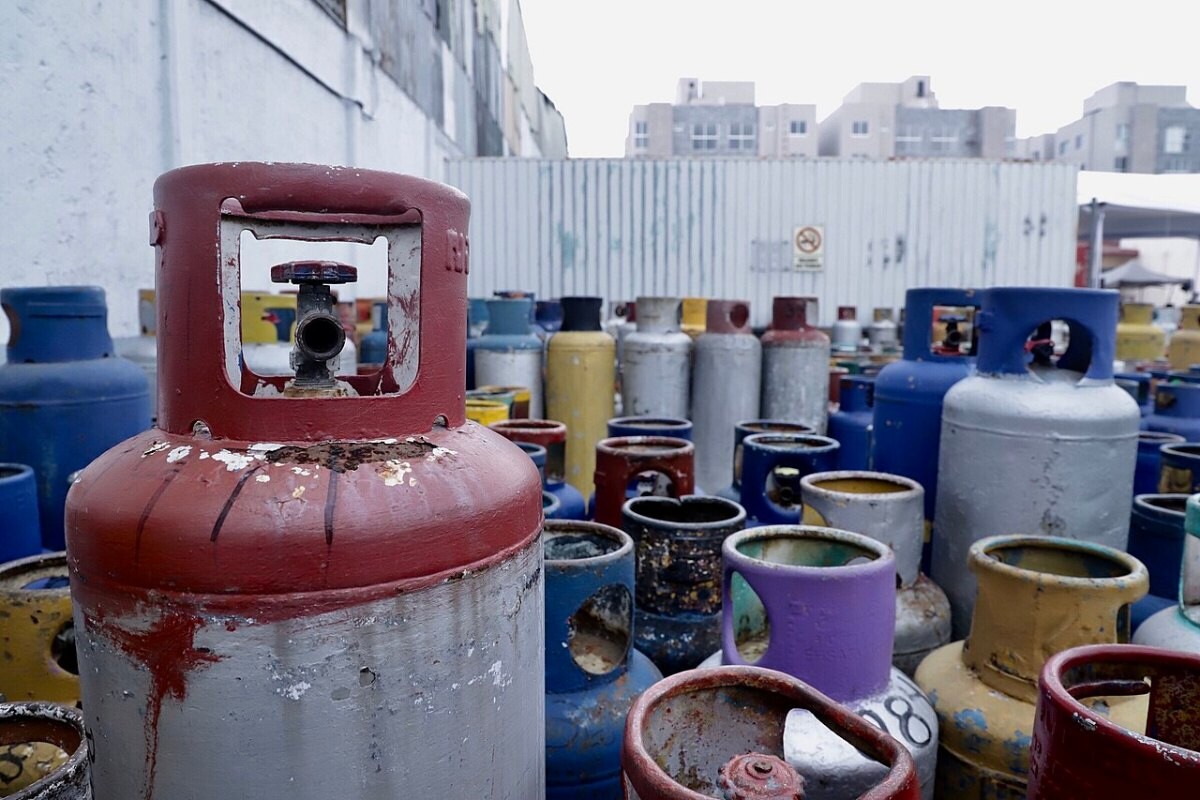
- In Mexico City, LP gas leaks are the fire service’s number one emergency: about 30 calls a day, with roughly one in ten ending in a flash fire or explosion, the fire chief said in September 2026.
- Firefighters attended 1,164 home fires in the capital from January to late November 2025, down 20.8% on the same period of 2024 (1,439). Iztapalapa had the most.
- Children are the most exposed. Most child burn admissions in public hospitals are in under-fives, mostly scalds, and fireworks cause the deadliest burns. One IMSS burn unit saw child admissions rise from 217 in 2024 to 322 in 2025.
What the numbers show
Mexico has no single public series for home fire deaths. INEGI’s annual death statistics report accidents only as a whole: 39,553 accident deaths in 2023 (preliminary; INEGI), 39,919 in 2024 (INEGI) and 38,166 in 2025 (preliminary; INEGI), the fifth leading cause of death. A national burns fact sheet built on INEGI and Ministry of Health data counted 627 burn deaths in 2018 (0.5 per 100,000): 454 men and 171 women. People aged 60 and over had the highest rate, 1.3 per 100,000. Of the 627, 517 were coded to unspecified smoke, fire or flames and 39 to uncontrolled fire in a building; 223 happened at home, though for 196 the place was unknown. Jalisco (70), Nuevo León (53) and Baja California (52) had the most (Ministry of Health fact sheet). Over the long run, the burn death rate fell from 2.32 per 100,000 in 1979 to 0.72 in 2007, with 33,333 deaths over 1979–2009 and a slight rise in 2008 and 2009. Men’s risk was twice women’s, and the north-west (Baja California, Chihuahua, Baja California Sur, Sonora and Durango) had the highest rates (Orozco-Valerio et al., Revista Médica del IMSS, 2012).
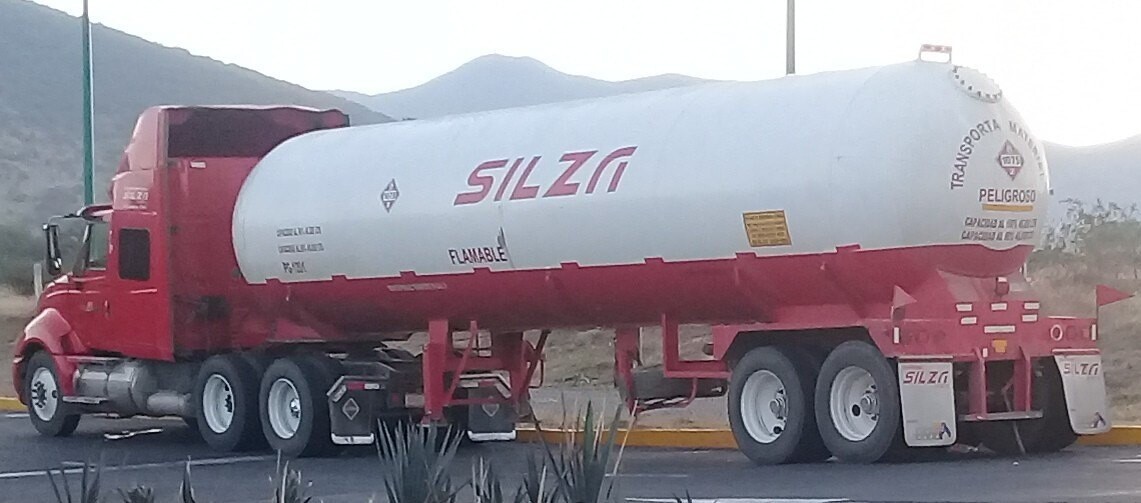
City data show where the risk sits now. Mexico City’s Heroic Fire Brigade (Heroico Cuerpo de Bomberos) says gas leaks are its most common emergency, about 30 a day and sometimes more than 40, with roughly 10% involving a flash fire or deflagration (La Silla Rota). Brigade records for January 2025 to 23 August 2026 show 7,465 incidents linked to household LP gas leaks; Iztapalapa had 1,560 (20%), Gustavo A. Madero 998 and Cuauhtémoc 869 (La Jornada). Home fires fell to 1,164 between January and 27 November 2025, from 1,439 in the same period of 2024, and peak from November to February (MGM Noticias). Burns among children are rising at one major unit: the IMSS burn unit at Magdalena de las Salinas admitted 322 children and adolescents in 2025, up from 217 in 2024. IMSS says 90% of burns in under-fives happen at home, mainly in the kitchen and bathroom (IMSS).
What is driving it
Most home burns come from everyday sources: hot liquids, open flames and bottled LP gas. A study of 11,080 children hospitalised with burns in public hospitals in 2016, 2018 and 2020 found most were aged five or under and scalds were the most common cause; fireworks burns had the highest death rate of any cause, and admissions in the December–January holidays stayed longer (Garcia Garcia et al., BMJ Global Health, 2025). Among 447 young Mexican children with large burns treated at a US paediatric burn hospital, flame burns came mostly from propane tank explosions, gas line leaks and house fires (Patel et al., Burns, 2016). At Mexico’s national burn referral centre, fire was the leading cause among 2,121 patients treated in 2011–2023, followed by scalds, and inhalation injury was a strong predictor of death (Chávez-Heres et al., Burns Open, 2026). Indoor heaters add a quieter risk: in 64 homes in Ciudad Juárez, 67% of those with gas heaters exceeded a WHO carbon monoxide standard at some point (Montoya et al., 2007).
Old cylinders and informal fittings are a recurring problem. Mexico City’s fire service advises leak tests on LP cylinders every five years, yet used cylinders are sold online for MX$500 to MX$1,400 (La Jornada). The brigade’s “Bomberos en Casa” home-inspection programme had handled 10,689 requests by September 2026 (La Silla Rota), and in December 2025 it pushed to update about eight official standards (NOMs) on LP gas, natural gas and electrical installations, aiming to cut home fire emergencies by up to 30% (MGM Noticias). Fireworks are the other seasonal driver. In Tultepec, State of Mexico, the explosion at the San Pablito fireworks market on 20 December 2016 sent dozens of injured people to IMSS hospitals; a State of Mexico count at one point put the dead at 32 (Milenio; IMSS). Tabasco’s health ministry, citing the national communications centre CENACOM, says fireworks are the second cause of burn accidents nationally (Tabasco Ministry of Health).
Recent cases
- 21 September 2026: Mexico City fire brigade records showed 7,465 incidents linked to household LP gas leaks between January 2025 and 23 August 2026, led by Iztapalapa with 1,560. Preventive home inspections in 2026 had already reached 6,911, against 3,771 in all of 2025 (La Jornada).
- 15 September 2026: After a gas explosion in the Alta Tensión neighbourhood of Álvaro Obregón killed two people and sent seven to hospital, the city’s fire chief said gas leaks were the brigade’s top emergency, at about 30 a day (La Silla Rota).
- 21 May 2026: IMSS urged families to prevent child burns after admissions at its Magdalena de las Salinas burn unit rose from 217 in 2024 to 322 in 2025, an increase of nearly 50%. It says up to 95% of these burns are preventable (IMSS).
Press releases and official reports, 2023–2026
Up to five key releases a year for the last four years, newest first. Most come from national bodies such as INEGI, the Ministry of Health, CENAPRED, the National Seismological Service, CONAFOR, the Navy, CONDUSEF and the Official Gazette, from Congress, from international agencies such as PAHO and WHO, and from research journals. Key events, especially in earlier years where official archives are missing, come from Mexican news outlets such as La Jornada, El Universal, Excélsior, El Financiero, Animal Político and Mexico News Daily. Headlines are our English translations of the Spanish originals. Releases from 2007–2022 are in the expandable list after 2023.
2026
- 21 Sep 2026La JornadaIztapalapa leads in fires from household gas leaks over 19 months
- 15 Sep 2026La Silla RotaGas leaks are Mexico City firefighters' number one emergency; they attend 30 calls a day
- 7 Aug 2026INEGIRegistered deaths statistics (EDR) 2025, preliminary
- 21 May 2026IMSSIMSS calls for stronger prevention of burns in children and adolescents as specialised care cases rise
- 20 Mar 2026La JornadaExplosion in Coacalco leaves 8 people injured and 4 homes affected
2025
- 27 Dec 2025IMSSIMSS calls for accident prevention and responsible use of emergency services in the holiday season
- 26 Dec 2025MGM NoticiasMexico City firefighters push reform of gas and electricity standards to reduce home fires
- 24 Dec 2025Tabasco Ministry of HealthUse of fireworks by minors can cause serious injury and permanent disability: Health
- 10 Nov 2025INEGIRegistered deaths statistics (EDR) 2024, final
- 18 May 2025La JornadaThree children and four adults die after fire and explosion in a Coahuila home
2024
- 28 Dec 2024La JornadaIztapalapa urges residents not to use fireworks because of fires
- 17 Dec 2024IMSSIMSS recommends enjoying the holiday season without neglecting health and preventing accidents
- 8 Aug 2024INEGIRegistered deaths statistics (EDR) 2023, preliminary
- 27 Apr 2024IMSSIMSS 'Dr. Victorio de la Fuente Narváez' Trauma and Orthopaedics Hospital has special beds and a surgical microscope to treat burn patients
- 16 Apr 2024Mexico News DailyGas explosion in Tlalpan causes building collapse, injuring at least 15
2023
- 30 Dec 2023IMSSIMSS calls on the public to raise awareness and prevent accidents during New Year celebrations
- 27 Apr 2023La JornadaHouse collapses in Iztapalapa after gas explosion
View 20 years of major Mexican home fire press releases (2007–2026)25 more from 2007–2022, up to five a year, newest first
2022
- 30 Dec 2022IMSSIMSS recommends watching over minors to avoid burns from hot liquids or fireworks at year's end
- 17 Sep 2022La JornadaWarning over rise in burns from fireworks use among children aged 10 to 14
- 28 Mar 2022La JornadaSix children die in house fire in Oaxaca
- 8 Mar 2022IMSSInterior Ministry and IMSS report on the ABC Daycare case
- 14 Jan 2022La JornadaExplosion in Ecatepec leaves six injured
2021
- 27 Dec 2021IMSSIMSS calls for awareness on fireworks use to prevent serious injuries in children
- 17 Oct 2021IMSSIMSS burn unit at Magdalena de las Salinas offers comprehensive treatment for patients who need skin grafts
- 17 Aug 2021Mexico News DailyGas leak blamed for explosion in Mexico City apartment building
2018
- 31 Dec 2018La JornadaSeven children who died in fire are bid farewell with music, flowers, balloons and rockets; prosecutors rule out arson
- 15 Aug 2018ExcélsiorAbout a thousand gas-leak incidents a month attended in Mexico City
2017
- Dec 2017IMSSChildren's accidents at home rise by up to 30% during the holidays
- 11 Apr 2017La JornadaBurns, third leading cause of death among children in Mexico
- 13 Jan 2017La JornadaEvery year in Mexico 200,000 people suffer burns
2016
- 29 Dec 2016IMSSChild injured in the Tultepec explosion discharged from the CMN Siglo XXI Paediatric Hospital
- 24 Dec 2016IMSSIMSS Director General and State of Mexico Governor visit those injured in the Tultepec explosion
- 23 Dec 2016IMSSChild injured in the Tultepec explosion transferred to the CMN Siglo XXI Paediatric Hospital
- 22 Dec 2016IMSSIMSS reports on the condition of those injured in the Tultepec explosion
- 21 Dec 2016IMSSIMSS hospitals treat those injured in the Tultepec explosion
2015
- 29 Jan 2015IMSSStatement on the accident this morning at the Cuajimalpa Maternity and Children's Hospital
2013
- 15 Aug 2013ExcélsiorExpired gas tanks destroyed to prevent accidents
- 4 Aug 2013La JornadaGuadalajara: two children die in fires
2011
- 30 Dec 2011La JornadaThree die in Tijuana fire
2009
- 17 Sep 2009La JornadaNine family members die in Zapopan fire
2008
- 23 Dec 2008El UniversalFind out: recommendations to avoid gas leaks
2007
- 29 Dec 2007La JornadaGas tank explodes in Atizapán; four members of one family die
Many years list fewer than five items, and some have none yet. Several official archives (parts of gob.mx, the Official Gazette and older agency pages) could not be opened when we compiled this list, and we only list items we could open and check. We are still adding to these lists. Where a page shows no date, the date comes from the publisher’s own index; annual reports with no printed date are listed under the year they were released.
Photo list
How this page is built. Figures come from the official statistical releases and research linked above; where agencies publish provisional numbers we say so, because they are revised. National death data come from INEGI’s death registrations, which are finalised the year after; preliminary figures are labelled. Some figures come from news reports quoting officials, and we name the outlet. Money is given in Mexican pesos (MX$). Headlines and quotes are our translations from Spanish. Photos are public-domain or Creative Commons images credited in each caption; file photos are illustrative and are not from the events described unless the caption says so. This page tracks trends and is not personal safety, medical, legal or financial advice.