
Daylight Saving Time: What the Evidence Shows
What studies show about sleep loss, heart attacks, road crashes and errors after the clocks change, why countries disagree, and the fight over permanent time.
Changes in law, regulation, tax, welfare, data and AI rules, and financial regulation.
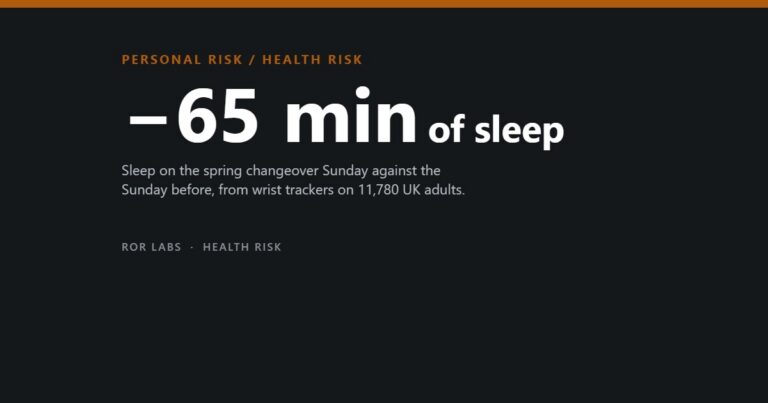
What studies show about sleep loss, heart attacks, road crashes and errors after the clocks change, why countries disagree, and the fight over permanent time.
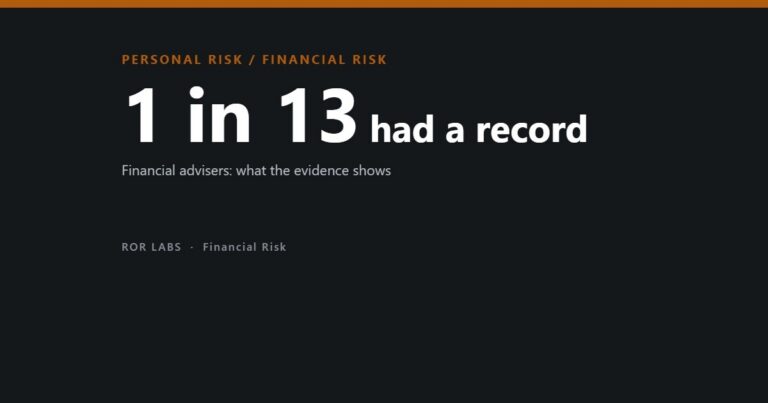
About one US adviser in 13 has a misconduct record, and many keep working. What research shows about adviser misconduct, conflicts, fees and when advice still helps.
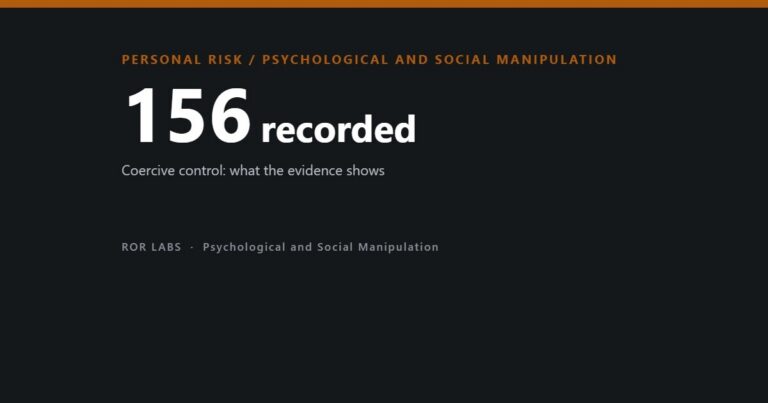
Coercive control is a pattern of domination, not a single incident. What research shows about how common it is, its link to homicide, the laws that criminalise it, and the warning signs.
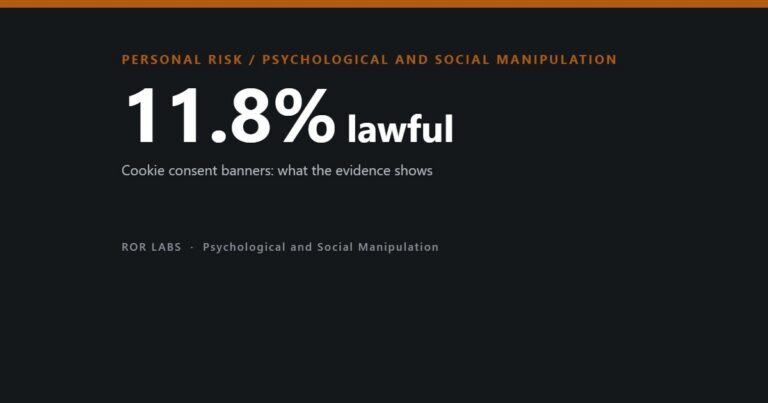
Only 11.8% of banners on top UK sites met minimal legal requirements in one study. How banner design steers choices, what the law requires and how to protect your privacy.
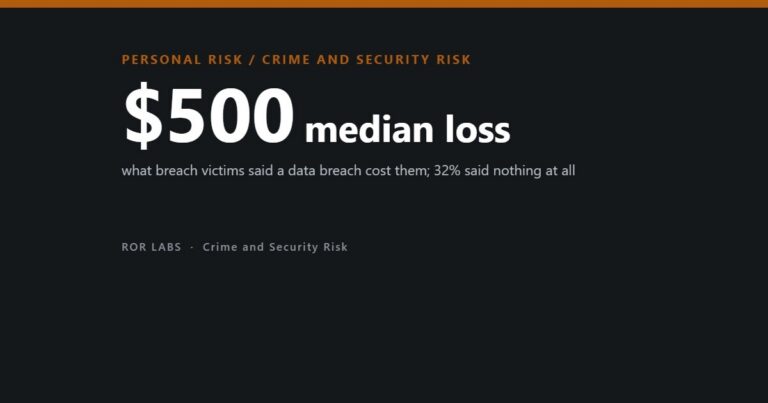
Most data breach victims report little loss, but just under 6% report $10,000 or more. What research shows about breaches, fraud and what protects you.
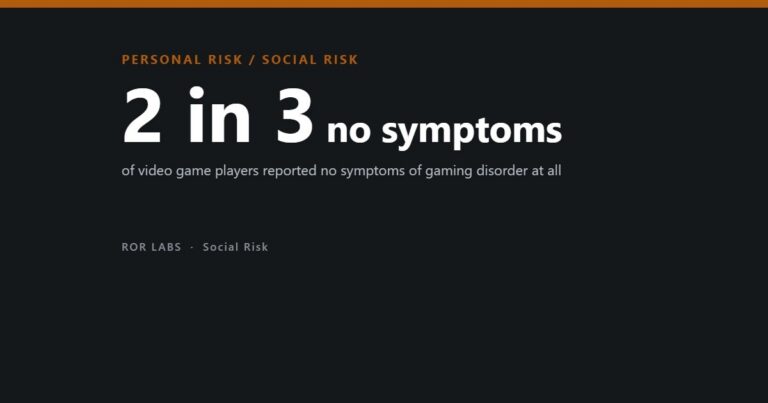
Estimates of gaming disorder range from 0.3% to 10%. What research shows about the WHO diagnosis, who is affected, and whether time limits work.
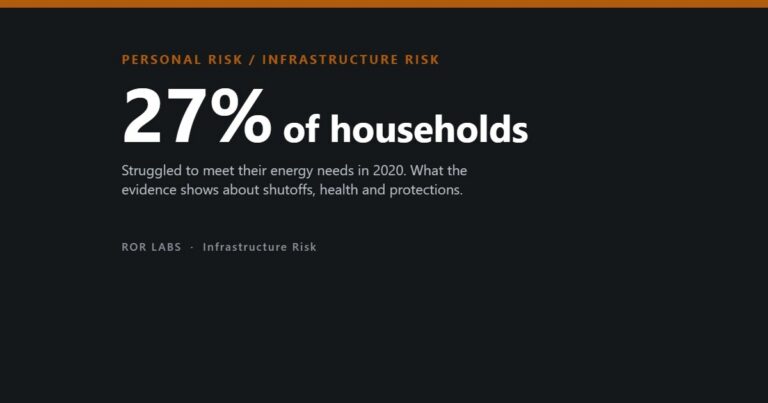
27% of US households struggled to meet their energy needs in 2020. What research shows about utility shutoffs, health, and whether protections work.
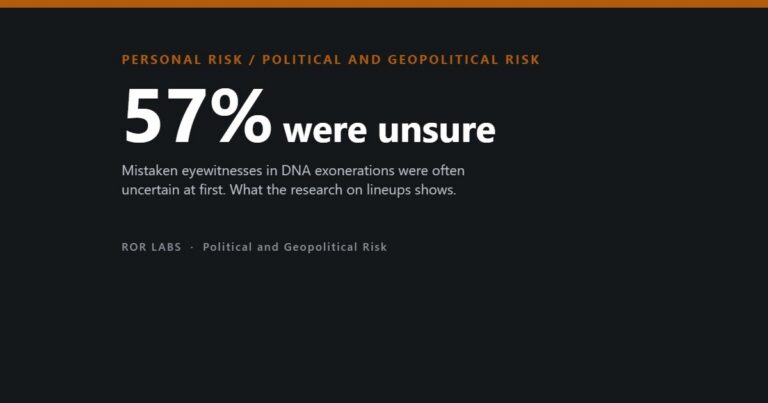
Mistaken eyewitnesses played a role in 76% of the first 250 US DNA exonerations. What research shows about confidence, lineups and wrongful convictions.
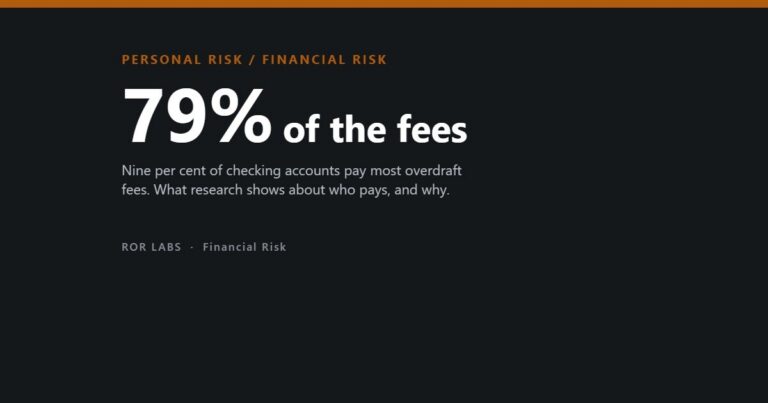
9% of US checking accounts pay 79% of overdraft fees. What research shows about who pays, why alerts help only a little, and what happened to the CFPB fee cap.
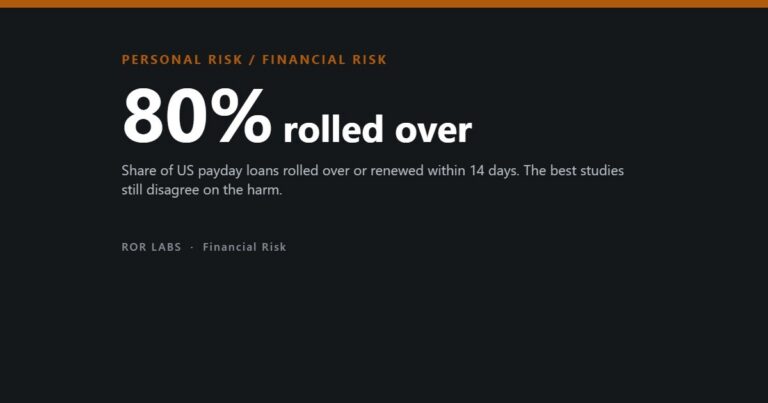
More than 80% of US payday loans are rolled over within 14 days. But careful studies disagree on the harm, and bans push borrowers elsewhere. What the evidence shows.