
Gaming Disorder: What the Evidence Shows
Estimates of gaming disorder range from 0.3% to 10%. What research shows about the WHO diagnosis, who is affected, and whether time limits work.
Changes in law, regulation, tax, welfare, data and AI rules, and financial regulation.

Estimates of gaming disorder range from 0.3% to 10%. What research shows about the WHO diagnosis, who is affected, and whether time limits work.

27% of US households struggled to meet their energy needs in 2020. What research shows about utility shutoffs, health, and whether protections work.
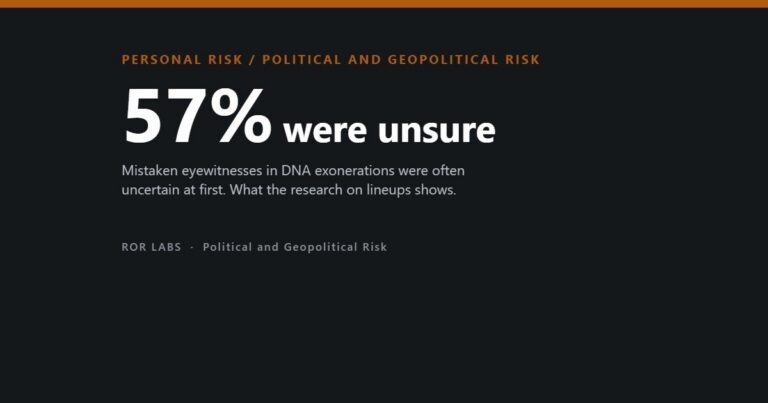
Mistaken eyewitnesses played a role in 76% of the first 250 US DNA exonerations. What research shows about confidence, lineups and wrongful convictions.
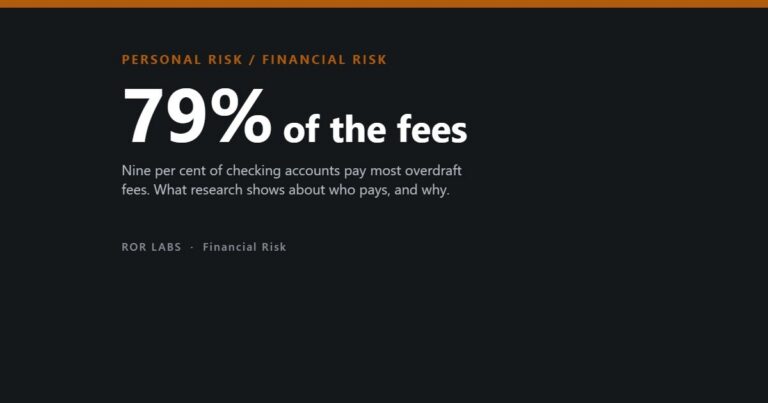
9% of US checking accounts pay 79% of overdraft fees. What research shows about who pays, why alerts help only a little, and what happened to the CFPB fee cap.

More than 80% of US payday loans are rolled over within 14 days. But careful studies disagree on the harm, and bans push borrowers elsewhere. What the evidence shows.
In This Series: Personal Finance & Investing Why Most Stock Investors Lose Money: What the Evidence Actually Shows Options and Futures: Where Retail Money Actually Goes Two Retirees, the Same Returns, Only One Runs Out. The Difference Is the Order. Deposit Insurance Stops at $250,000. Since 2008, Uninsured Depositors Have Actually Lost Money in Six…
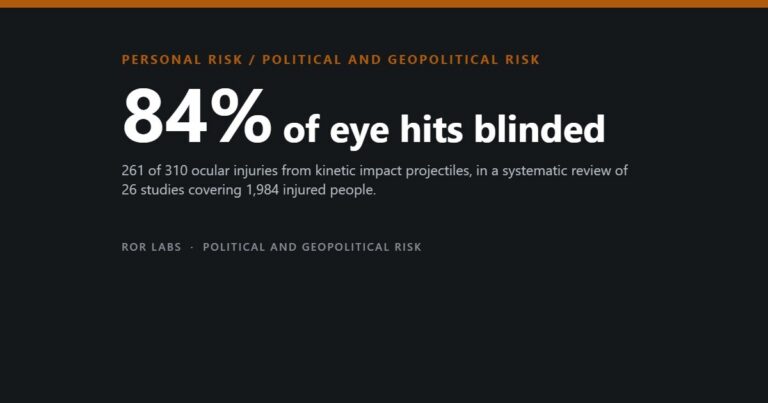
A systematic review of 26 studies found 1,984 people struck by kinetic impact projectiles: 53 died and 300 were permanently disabled. Neither that review nor its companion on tear gas can give you a rate, and both say so.
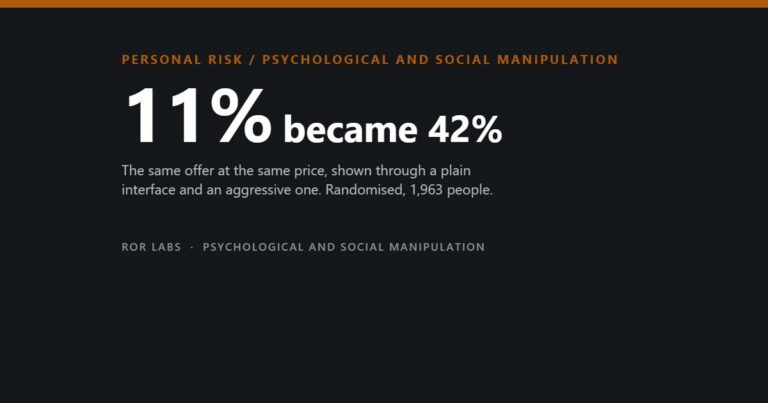
Randomised experiments show manipulative interface design nearly quadrupling acceptance of an unchanged offer, while raising its price fourfold changed nothing. What works, what is overstated, and why enforcement rather than vigilance is what altered the interfaces.

European regulators found 74-89% of retail CFD accounts losing money; India found over 91% of derivatives traders losing. What the regulatory records and trade-level research show about how leverage, expiry and spreads take money from retail traders – including the study arguing the losses are overstated.

The composition and expiry rules came from one 2003 appendix, and its author regrets it. What actually takes over accounts is reuse, infostealers and phishable codes.