
Leveraged ETFs: What the Evidence Shows
How the daily reset makes leveraged ETFs drift from their multiple, what studies of real investors found, the case for them, and the new SEC and Korean rules.
AI, robotics, automation, biotech, digital finance and new technology reshaping risk.
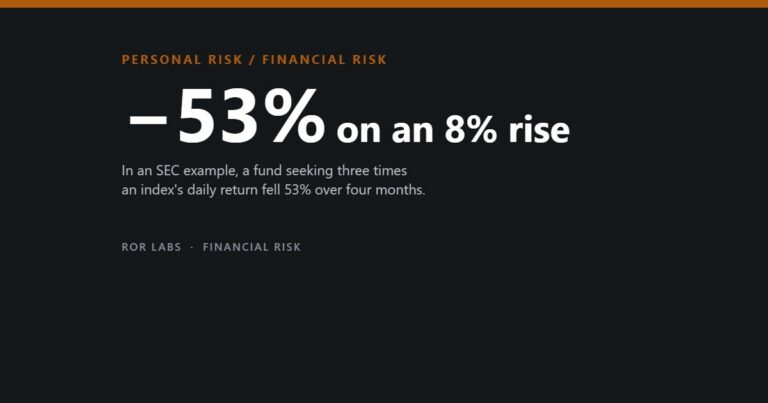
How the daily reset makes leveraged ETFs drift from their multiple, what studies of real investors found, the case for them, and the new SEC and Korean rules.
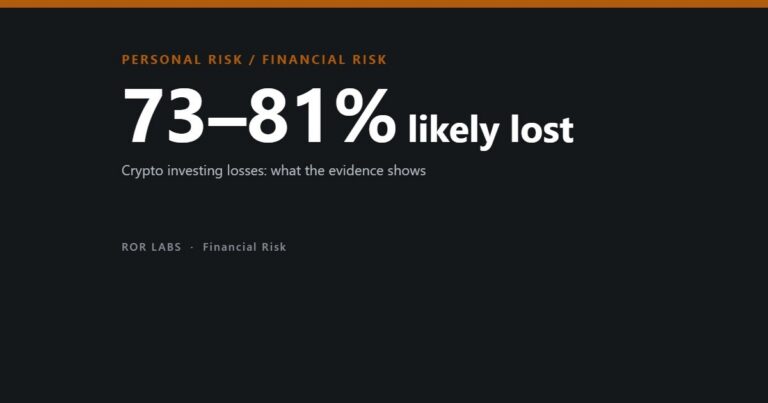
A BIS study estimated that 73% to 81% of retail bitcoin investors had likely lost money on their first purchase. What the evidence shows about timing, failed coins, fraud and leverage, and what it cannot show.
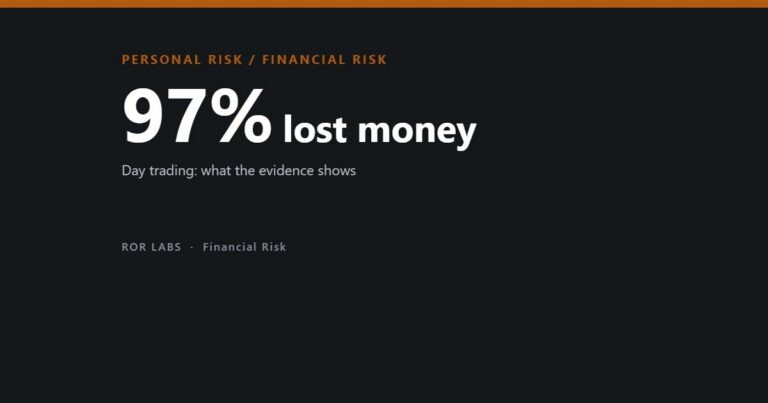
The households that traded most earned 11.4% a year against 17.9% for the market, and fewer than 1% of day traders profit reliably. What 25 years of trading records show, including the case for retail traders.
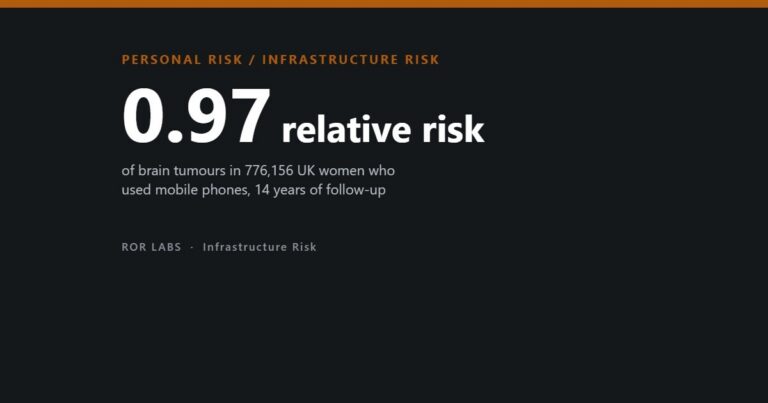
In 776,156 UK women followed for 14 years, phone users had no higher brain tumour risk. What the research shows about mobile phones and cancer.
Estimates of gaming disorder range from 0.3% to 10%. What research shows about the WHO diagnosis, who is affected, and whether time limits work.
A third of 14,733 employees clicked a test phishing email, and training pages made some click more. What large field studies show about phishing training.
File photo: a smartphone display. Photo: Skitterphoto, via Wikimedia Commons, CC0. In the news · August 2026 An experiment with 165 participants showed Instagram-style posts that were either new or repeated, with high or low like counts. Repeated statements were again judged more true than new ones, and like counts did not change that effect….
File photo: a dispatch room at the Redding Interagency Command Center, California. Photo: Region 5 Photography, via Wikimedia Commons, public domain. In the news · July 2026 The FCC published a Next Generation 911 reliability and interoperability rule in the Federal Register, effective 10 August 2026. It requires covered providers to make location facilities reliable,…
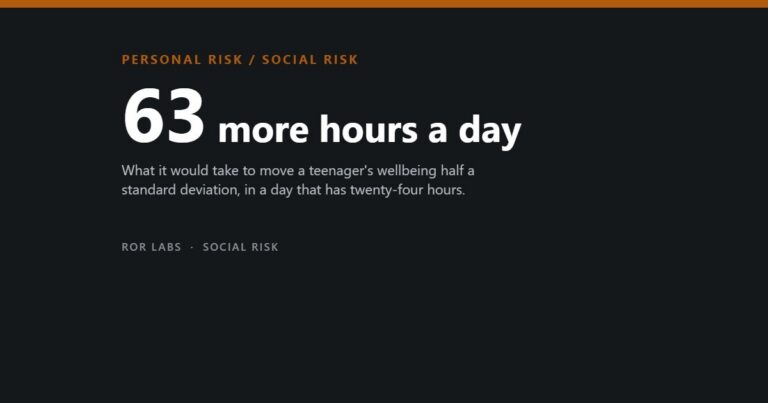
File photo: a teenager texting on a smartphone. Photo: Summer Skyes 11, via Wikimedia Commons, CC BY 2.0. In the news · June 2026 A Eurobarometer survey of 26,297 teenagers and 12,750 parents across the EU, carried out in March and April 2026, found that 25% of teens exceed six hours of daily screen time…
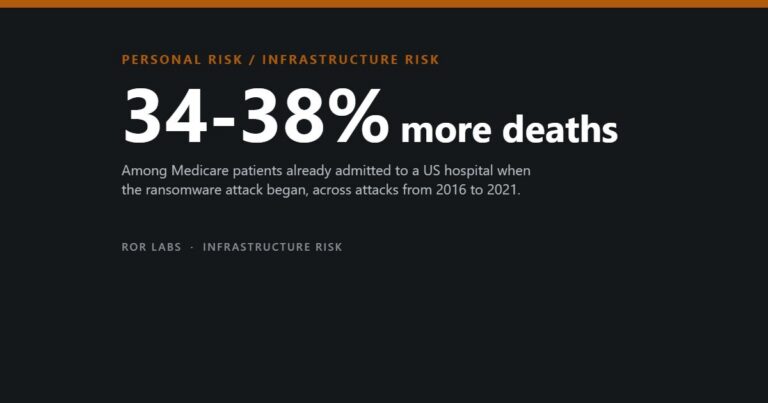
Among Medicare patients already admitted when a ransomware attack began, in-hospital mortality rose 34 to 38 per cent. The harm also spreads to hospitals that were never attacked — and the security remediation that follows a breach has a measurable cost of its own.