
Coercive Control: What the Evidence Shows
Coercive control is a pattern of domination, not a single incident. What research shows about how common it is, its link to homicide, the laws that criminalise it, and the warning signs.
Risk landing on a spouse, children, parents, family ties, personal relationships and caring duties.
Coercive control is a pattern of domination, not a single incident. What research shows about how common it is, its link to homicide, the laws that criminalise it, and the warning signs.
Death rates rise about 41% in the six months after losing a spouse. What meta-analyses show about the widowhood effect, who is most at risk, and why.
Missed payments begin rising about six years before a dementia diagnosis, and confidence in managing money does not fall as ability does. What the evidence shows.
US measles cases went from 285 in 2024 to 3,471 by September 2026. How contagious measles is, how well the vaccine works, what immune amnesia is, and where the famous numbers are firmer or softer than they sound.
File photo: silhouettes of a group of people at sunset. Photo: Sue Huan (Unsplash), via Wikimedia Commons, CC0. In the news · July 2026 A Victorian parliamentary inquiry made 39 recommendations after reviewing 317 submissions and hearing from survivors of groups such as the Two by Twos and Geelong Revival Centre. It proposes outlawing group-based…
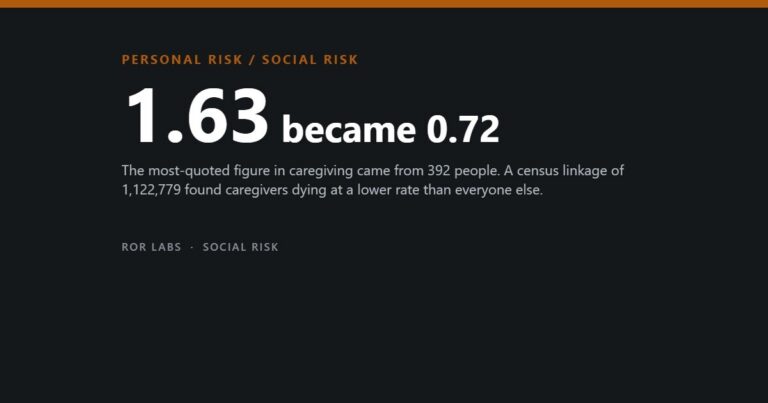
The famous figure came from 392 people, applied only to strained spouses, with a confidence interval starting at 1.00. Larger studies found the reverse — and inside them, strain still predicts death.
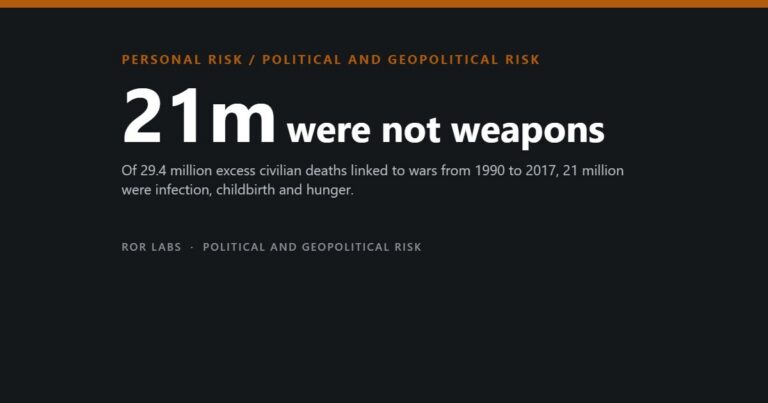
Key takeaways · 12 min read In the largest global analysis, wars between 1990 and 2017 were associated with 29.4 million excess civilian deaths after battle deaths had been removed from the data. 21.0 million of those were communicable, maternal, neonatal and nutritional; 6.0 million were non-communicable disease; 2.4 million were injuries other than combat,…
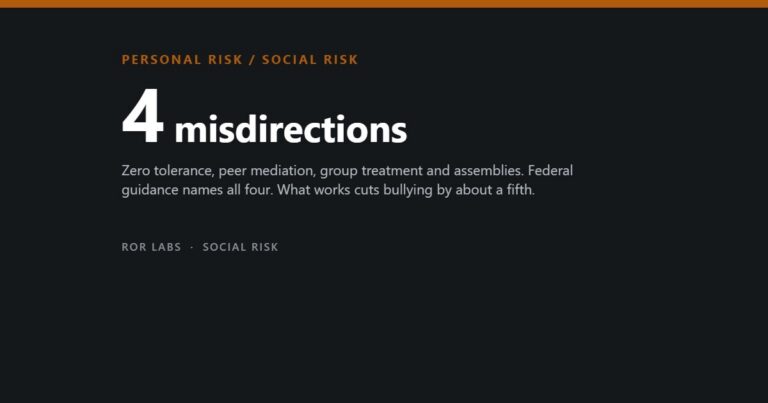
Zero tolerance, peer mediation, group treatment and assemblies are all identified as misdirections — and one of them can leave the bullied child worse. What works cuts bullying by about a fifth, and that figure needs a caveat.
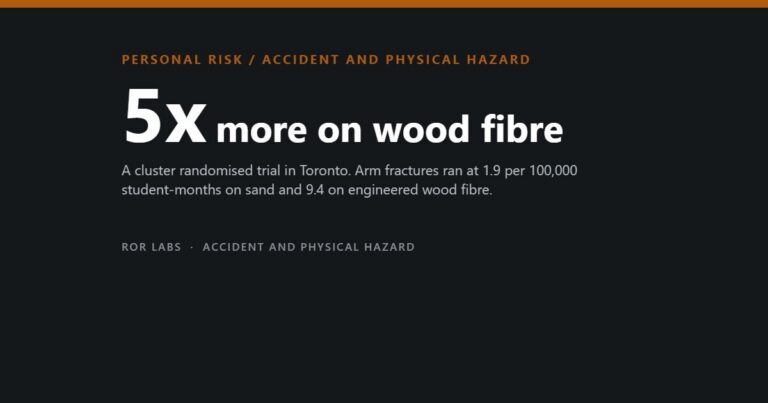
213,000 children a year, three quarters of them from falls, and mostly broken arms. The one randomised trial of playground surfacing found the certified material came off worse — and one piece of safety equipment has killed children on climbing frames.
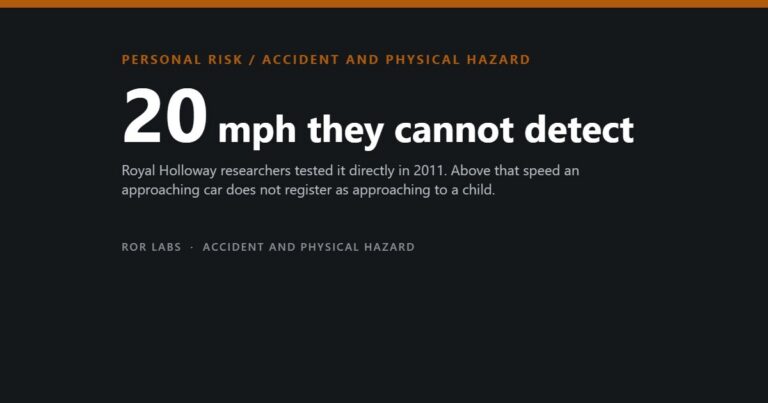
Children cannot reliably detect a vehicle approaching above 20 mph – a developmental limit, not carelessness. What that means for the school run, the 44% injury reduction Safe Routes to School produced in New York, and why nearly two thirds of school-bus-related child deaths happen outside the bus.