
Leveraged ETFs: What the Evidence Shows
How the daily reset makes leveraged ETFs drift from their multiple, what studies of real investors found, the case for them, and the new SEC and Korean rules.
Exposure online: the internet, social media, communities, shopping, online finance and digital services.
How the daily reset makes leveraged ETFs drift from their multiple, what studies of real investors found, the case for them, and the new SEC and Korean rules.
A BIS study estimated that 73% to 81% of retail bitcoin investors had likely lost money on their first purchase. What the evidence shows about timing, failed coins, fraud and leverage, and what it cannot show.
The households that traded most earned 11.4% a year against 17.9% for the market, and fewer than 1% of day traders profit reliably. What 25 years of trading records show, including the case for retail traders.
Only 11.8% of banners on top UK sites met minimal legal requirements in one study. How banner design steers choices, what the law requires and how to protect your privacy.
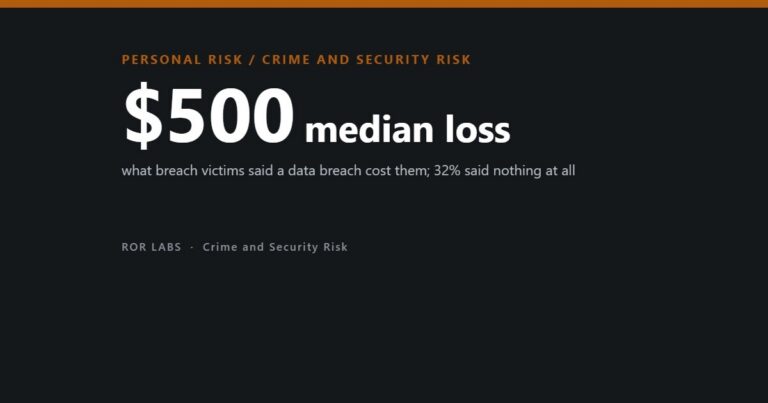
Most data breach victims report little loss, but just under 6% report $10,000 or more. What research shows about breaches, fraud and what protects you.
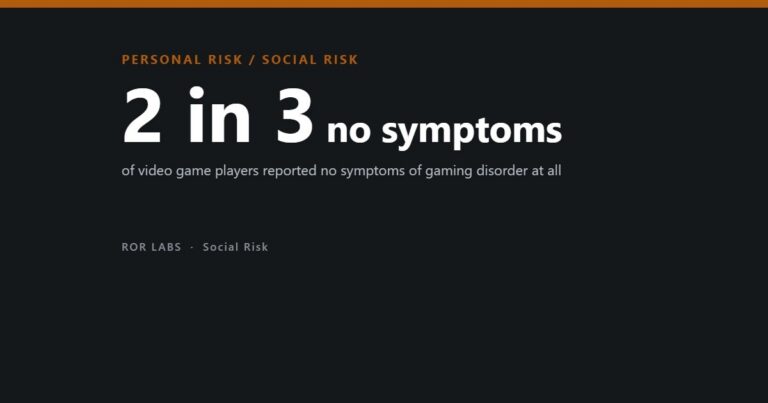
Estimates of gaming disorder range from 0.3% to 10%. What research shows about the WHO diagnosis, who is affected, and whether time limits work.
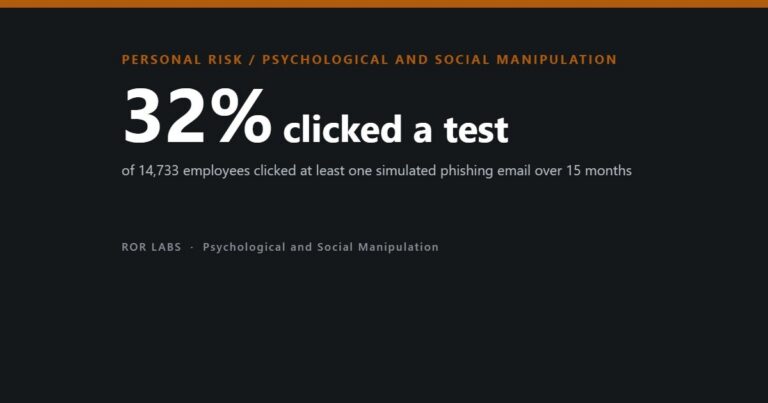
A third of 14,733 employees clicked a test phishing email, and training pages made some click more. What large field studies show about phishing training.
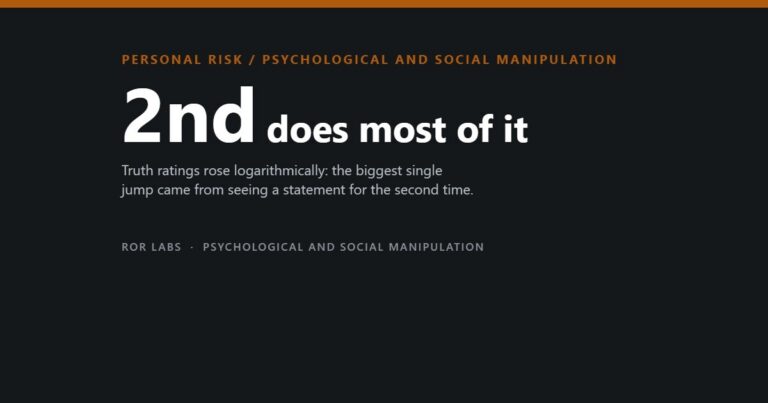
File photo: a smartphone display. Photo: Skitterphoto, via Wikimedia Commons, CC0. In the news · August 2026 An experiment with 165 participants showed Instagram-style posts that were either new or repeated, with high or low like counts. Repeated statements were again judged more true than new ones, and like counts did not change that effect….
File photo: a teenager texting on a smartphone. Photo: Summer Skyes 11, via Wikimedia Commons, CC BY 2.0. In the news · June 2026 A Eurobarometer survey of 26,297 teenagers and 12,750 parents across the EU, carried out in March and April 2026, found that 25% of teens exceed six hours of daily screen time…
Key takeaways · 12 min read The backfire effect comes from a 2010 paper whose own second experiment failed to reproduce it at the group level. The largest test since — five experiments, more than 10,000 people, 52 corrected claims — found it zero times. Across the literature, 81% of reported backfires used a single-question…