The Mould Is Not the Problem. The Water Is.
In This Series: Home Hazards & Indoor Environment
- The Safe Level of Air Pollution Keeps Moving Down
- Nine Million Homes Still Drink Through a Lead Pipe
- It Looks Exactly Like Flu, Except for the Fever
- Lithium-Ion Battery Fires at Home: What the Research Actually Shows
- The Leading Cause of House Fires Is a Pan Nobody Is Watching
- Your Gas Stove and the Air in Your Kitchen: What the Measurements Found
- Power Outages Are Getting Longer. The Generator Is the Dangerous Part.
Disclosure: this article contains affiliate links, marked (paid link). If you buy through one we may earn a commission, at no extra cost to you. As an Amazon Associate I earn from qualifying purchases. It costs you nothing and it does not change what we recommend.
Key takeaways · 9 min read
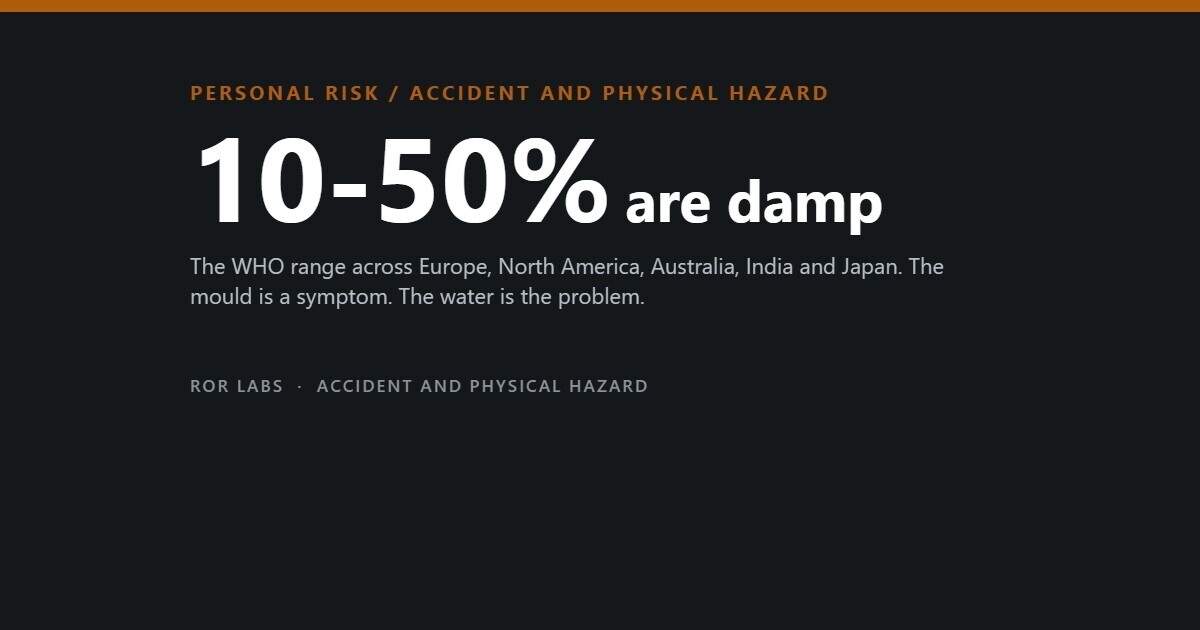
- Dampness affects an estimated 10–50% of homes in developed countries.
- There is sufficient evidence linking damp and mouldy buildings to respiratory symptoms, respiratory infections and worsening asthma.
- Claims of systemic “toxic mould” illness are not supported by that evidence base.
- WHO set no safe threshold, which is why air testing cannot tell you that you are now fine.
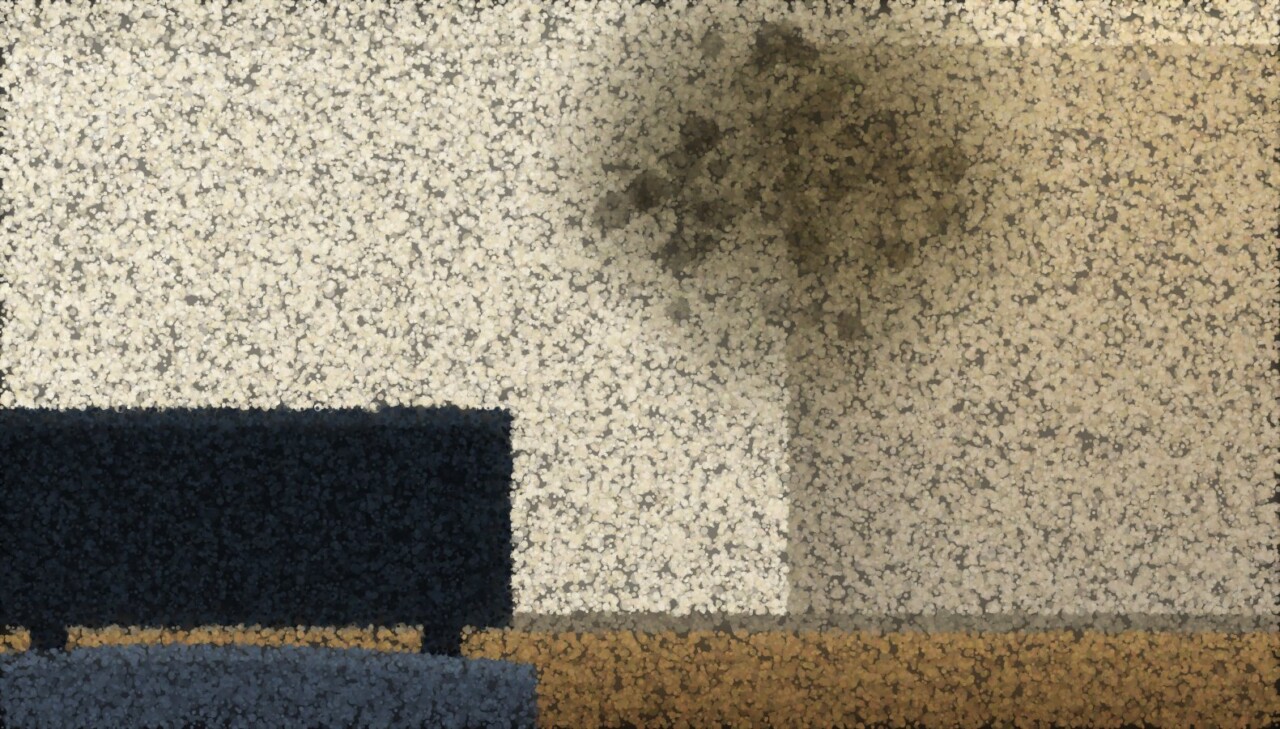
Mould is the rare household hazard where almost everyone attacks the wrong target. The black patch on the wall is not the problem. It is a symptom, in the same way a cough is a symptom, and scrubbing it off is treating the cough.
The problem is water. Mould is a living thing that requires moisture to grow, and it will keep coming back for exactly as long as the moisture does. Every serious guideline on this subject says the same thing in different words, and the products that sell best say the opposite.
How common this is, and what it does
Homes affected by indoor dampness
WHO estimate across Europe, North America, Australia, India and Japan.
Source: World Health Organization, WHO Guidelines for Indoor Air Quality: Dampness and Mould (2009).
The WHO review found sufficient epidemiological evidence linking damp or mouldy buildings to respiratory symptoms, respiratory infections and the worsening of asthma, with further evidence pointing toward allergic rhinitis and asthma development.
What the evidence does and does not establish
Worth separating, because this is a topic with a great deal of exaggeration attached to it.
Source: WHO Guidelines for Indoor Air Quality: Dampness and Mould (2009), executive summary and evaluation of human health risks.
That second column matters for your wallet as much as your health. Because no threshold exists, nobody can test your air and tell you it is now safe. Mould testing services often produce a number with no interpretation attached to it, and the honest position — which the EPA takes — is that if you can see mould or smell damp, you already have your answer and testing adds nothing to what you do next.
Find the water, not the mould
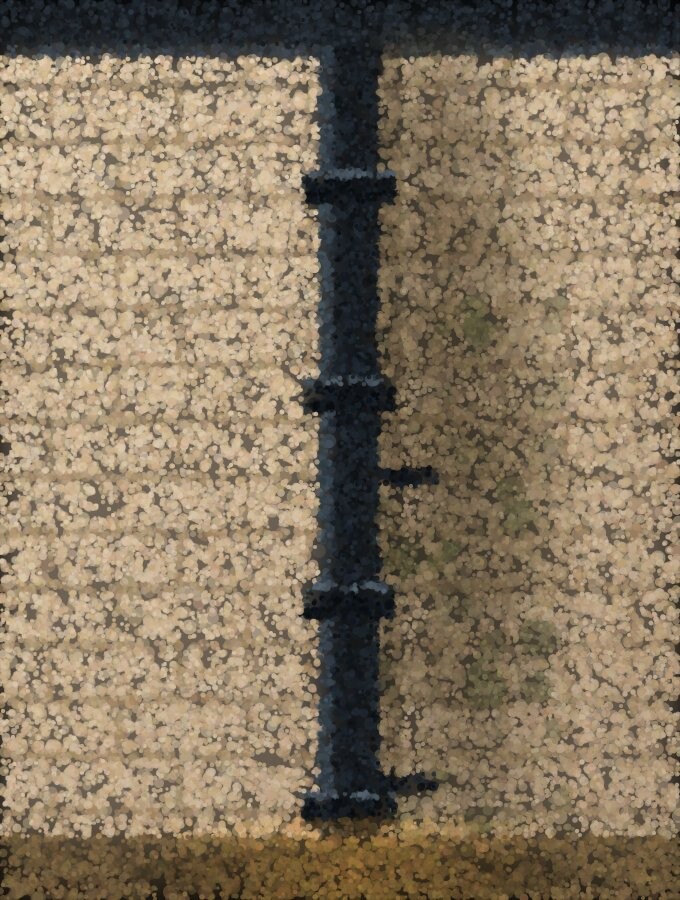
Damp arrives by a small number of routes, and they need completely different fixes. Working out which one you have is the entire diagnostic task, and most people skip it.
Three kinds of damp, and how to tell them apart
The pattern on the wall tells you which one you are dealing with.
| Type | What it looks like | What actually fixes it |
|---|---|---|
| Condensation | Worst on cold outside walls, behind furniture, in corners and around windows. Seasonal — bad in winter, better in summer. | Ventilation and heat. This is the most common type in homes and the only one you can usually fix yourself. |
| A leak | A defined patch that does not match the room’s cold spots. Often near plumbing, a roof line, or below a bathroom. | Find and repair the leak. Nothing else works, and drying alone will not hold. |
| Rising damp | A tide line low on ground-floor walls, often with salt deposits. Uncommon and heavily over-diagnosed by firms selling the treatment. | A building professional — and a second opinion from someone not selling the remedy. |
Sources: WHO Guidelines for Indoor Air Quality: Dampness and Mould (2009); U.S. Environmental Protection Agency mould and moisture guidance.
Condensation is worth understanding because it is the one most households have. Warm air holds more water than cold air. A family cooking, showering, drying laundry and simply breathing releases many litres of water vapour a day into the house. That air meets the coldest surface available — a window, an outside wall, the wall behind a wardrobe — and drops its load there.
Where condensation lands
Warm wet air meets the coldest surface in the room.
Source: condensation mechanism as described in WHO indoor air quality guidance on dampness (2009).
Cleaning it up, and when to stop
The EPA’s guidance is refreshingly plain. Scrub mould off hard surfaces with detergent and water, and dry completely. Not bleach, not a specialist spray — detergent and water, followed by drying, because the drying is the part that matters.
Where the line is
EPA threshold for doing it yourself.
Source: U.S. Environmental Protection Agency, “Mold Cleanup in Your Home.”
What actually works, in order
Every item is about water. That is the entire subject.
Sources: WHO Guidelines for Indoor Air Quality: Dampness and Mould (2009); EPA mould and moisture control guidance.
The two things worth buying (paid link)
Measure first, then remove water. In that order.
Browse on Amazon →
Browse on Amazon →
We are not linking mould sprays, “anti-mould” paints or home mould test kits. Sprays remove the visible patch and leave the water, so it returns. Anti-mould paint applied over a damp wall traps moisture behind it. And test kits produce spore counts with no health threshold to compare them against — WHO declined to set one precisely because the science does not support it. If you can see it or smell it, you already know; the money is better spent on the leak.
Questions people ask
Is black mould especially dangerous?
The species people mean is Stachybotrys chartarum, and it has attracted far more alarm than the evidence carries. WHO’s position is that health risk relates to dampness and microbial growth generally, not to identifying a particular species — which is also why they set no threshold. Practically, the response is the same whatever colour it is: find the water, remove the growth, dry it out.
I rent and my landlord says it is my lifestyle. Who is right?
Often both, partly, which is why the argument goes nowhere. Occupant behaviour genuinely produces moisture; building fabric genuinely determines whether that moisture condenses. The useful move is to document it — photographs with dates, and hygrometer readings over a few weeks — because a written record of humidity and where the patches sit converts an argument about lifestyle into evidence about the building. Housing standards for damp vary by country and are worth looking up for your own.
Does a HEPA air purifier fix mould?
It captures spores already airborne, which can reduce symptoms, and it does nothing about the colony on the wall or the water feeding it. Same category error as running a purifier while a source keeps emitting — useful alongside the fix, useless instead of it.
Should I open windows in winter? It seems wasteful.
Short and sharp beats long and slow. Opening windows wide for five to ten minutes exchanges the air without cooling the walls and furniture much, whereas a window cracked open all day chills the surfaces and makes condensation worse. The heat is stored in the fabric of the room, not in the air.
The short version
- Dampness affects an estimated 10–50% of homes in developed countries.
- There is sufficient evidence linking damp and mouldy buildings to respiratory symptoms, respiratory infections and worsening asthma.
- Claims of systemic “toxic mould” illness are not supported by that evidence base.
- WHO set no safe threshold, which is why air testing cannot tell you that you are now fine.
- The mould is the symptom. Water is the problem. Identify condensation, a leak, or rising damp — they need different fixes.
- EPA: clean small areas with detergent and water, then dry. Over 10 square feet, get help.
- Porous materials that stayed wet get replaced, not cleaned.
- Free fixes first: run the extractor longer, stop drying laundry indoors, pull furniture off cold walls.
This article summarises published guidance and is not medical advice. If someone in the home has asthma, a respiratory condition, or a weakened immune system and the damp is persistent, that is worth raising with their doctor as well as with whoever is responsible for the building.
On the links above: some are affiliate links, marked (paid link). If you buy through one we may earn a commission at no additional cost to you. As an Amazon Associate I earn from qualifying purchases. We link to product searches rather than specific items so recommendations do not break as models change, and we say plainly when we are choosing not to link something. Full policy: Affiliate Disclosure.
Sources
- World Health Organization. WHO Guidelines for Indoor Air Quality: Dampness and Mould. WHO Regional Office for Europe, 2009.
- U.S. Environmental Protection Agency. “Mold Cleanup in Your Home” and “A Brief Guide to Mold, Moisture and Your Home.”