
Mobile Phones and Brain Cancer: What the Evidence Shows
In 776,156 UK women followed for 14 years, phone users had no higher brain tumour risk. What the research shows about mobile phones and cancer.
Risk landing on life, body, injury, illness, disability and chronic conditions.
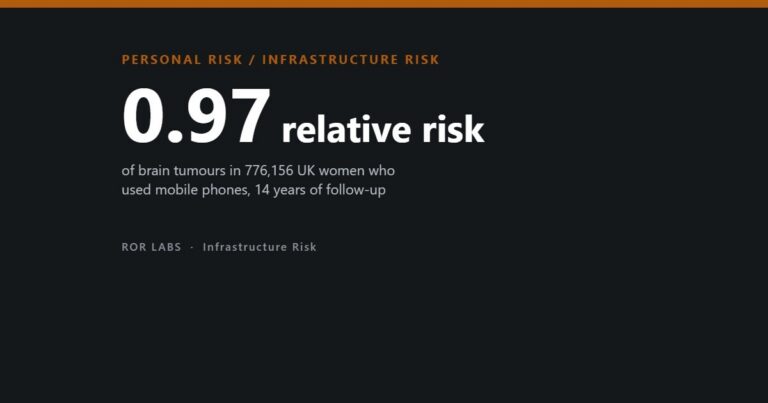
In 776,156 UK women followed for 14 years, phone users had no higher brain tumour risk. What the research shows about mobile phones and cancer.
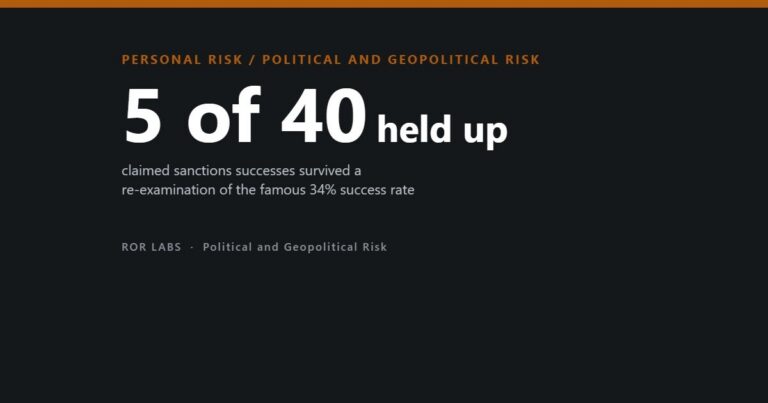
The famous 34% sanctions success rate fell to about 4% on re-examination. What research shows about whether sanctions work and who pays.
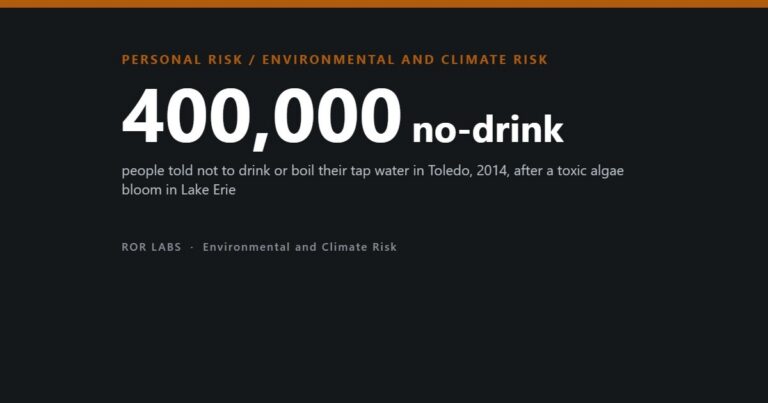
In 2014 about 400,000 people in Toledo were told not to drink their tap water. What research shows about toxic algae in drinking water and how to protect your household.
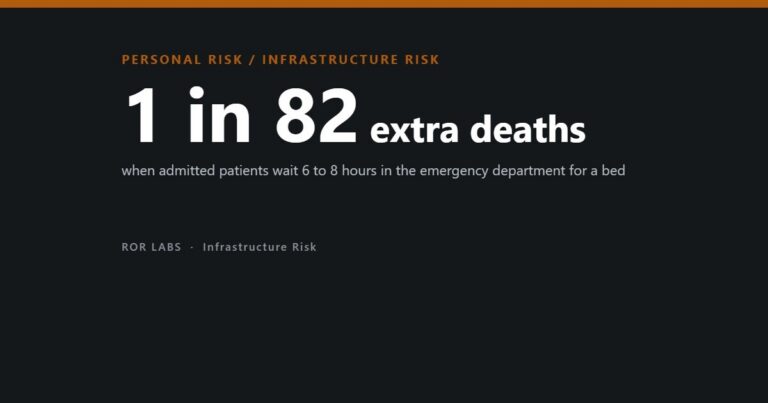
For every 82 admitted patients delayed 6 to 8 hours in the ED, one extra death follows. What research shows about emergency department boarding and what patients can do.
27% of US households struggled to meet their energy needs in 2020. What research shows about utility shutoffs, health, and whether protections work.
Should you resist a robbery? A study of 27,595 crimes found injury came after resistance in only 10% of cases. What victim surveys show, and their limits.
Cold is linked to about 4.6 million deaths a year, far more than heat. What the evidence shows about cold-related deaths and where researchers disagree.
Death rates rise about 41% in the six months after losing a spouse. What meta-analyses show about the widowhood effect, who is most at risk, and why.
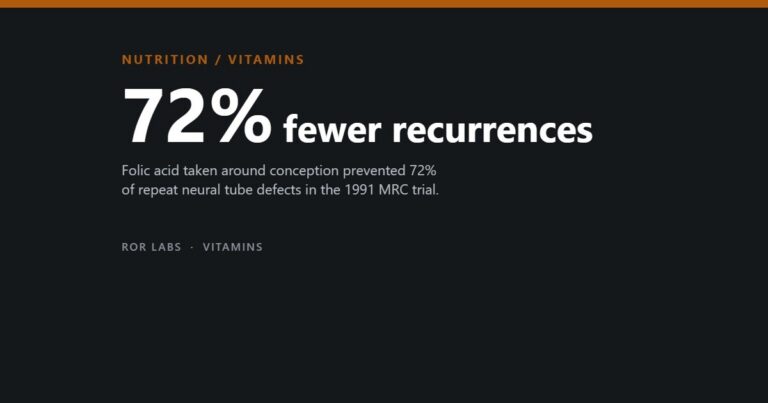
Folate food sources by the spoonful, the MRC trial that cut neural tube defects by 72%, flour fortification, and why the folic acid limit protects B12.
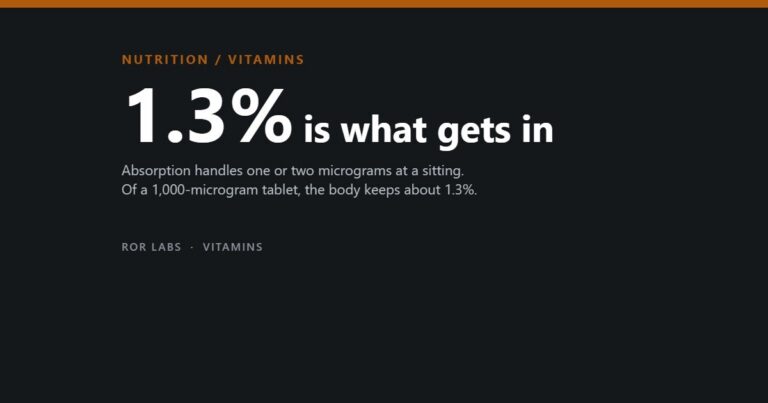
Clams and liver top the tablespoon table, but the gut absorbs B12 a microgram or two at a time. Who runs short, and what 1,000 mcg tablets really do.