
Financial Advisers: What the Evidence Shows
About one US adviser in 13 has a misconduct record, and many keep working. What research shows about adviser misconduct, conflicts, fees and when advice still helps.
Your choices and preparation reduce the risk, but you do not control whether it happens.
About one US adviser in 13 has a misconduct record, and many keep working. What research shows about adviser misconduct, conflicts, fees and when advice still helps.
A BIS study estimated that 73% to 81% of retail bitcoin investors had likely lost money on their first purchase. What the evidence shows about timing, failed coins, fraud and leverage, and what it cannot show.
Coercive control is a pattern of domination, not a single incident. What research shows about how common it is, its link to homicide, the laws that criminalise it, and the warning signs.
A 2026 meta-analysis of 280 studies found loneliness interventions work on average, but not always the ones people expect. What helps, how much, and for whom.
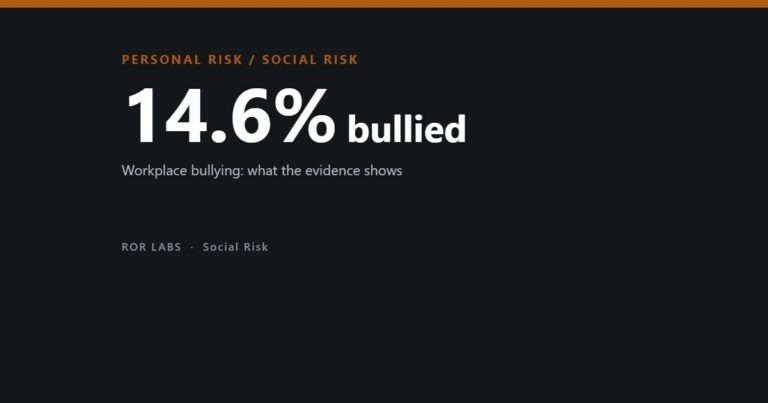
Around one worker in seven reports bullying, depending on how it is measured. What meta-analyses show about prevalence, health effects, who bullies and which interventions work.
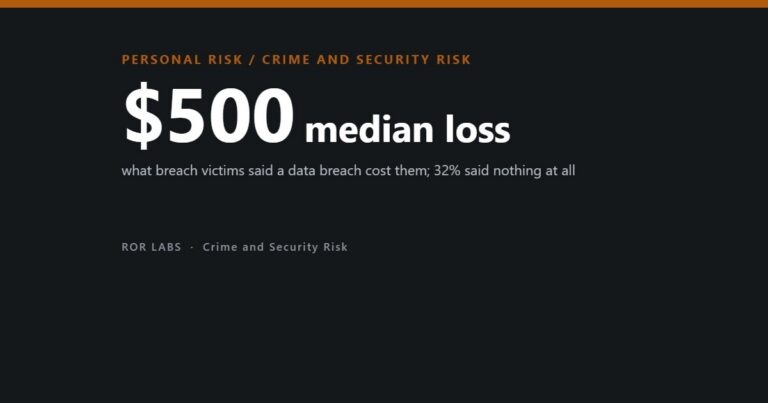
Most data breach victims report little loss, but just under 6% report $10,000 or more. What research shows about breaches, fraud and what protects you.
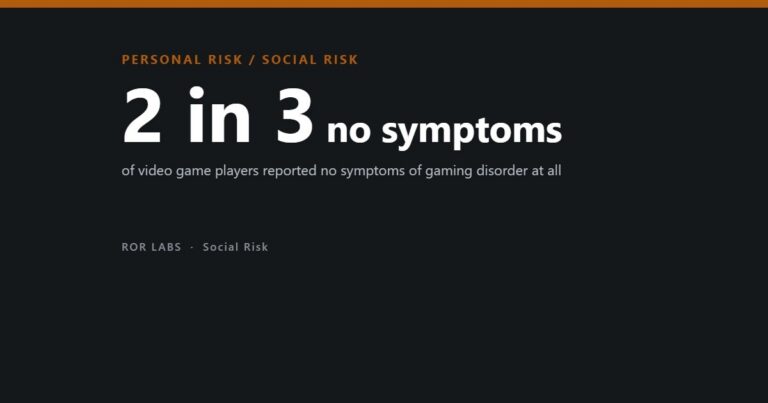
Estimates of gaming disorder range from 0.3% to 10%. What research shows about the WHO diagnosis, who is affected, and whether time limits work.
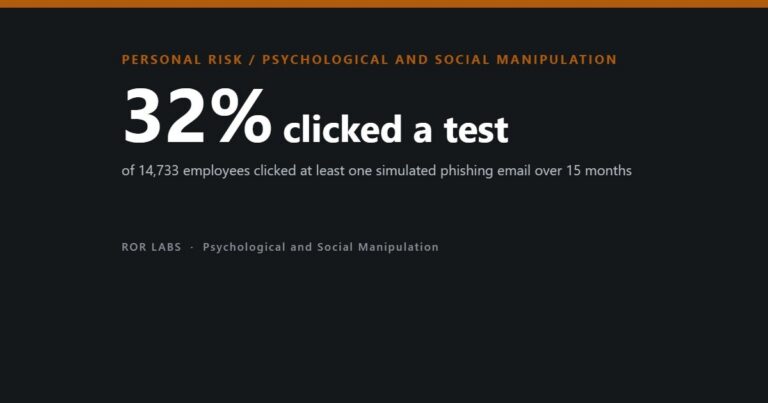
A third of 14,733 employees clicked a test phishing email, and training pages made some click more. What large field studies show about phishing training.
27% of US households struggled to meet their energy needs in 2020. What research shows about utility shutoffs, health, and whether protections work.
47% of US MLM participants lost money and 27% broke even. What surveys, FTC cases and experiments show about multi-level marketing and who pays.