
Leveraged ETFs: What the Evidence Shows
How the daily reset makes leveraged ETFs drift from their multiple, what studies of real investors found, the case for them, and the new SEC and Korean rules.
Your own actions move the odds or the size of the loss substantially.
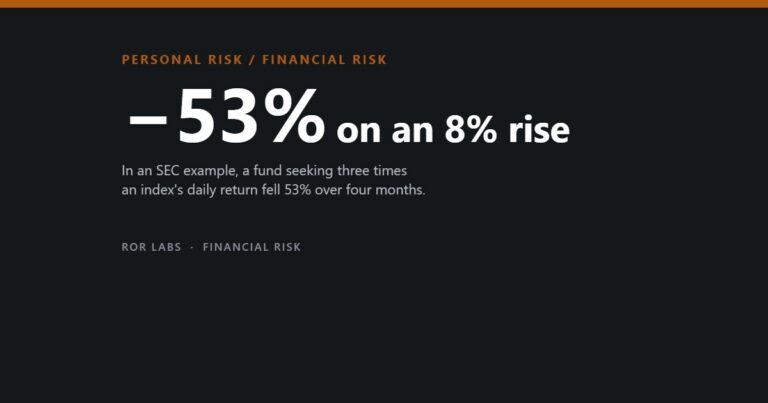
How the daily reset makes leveraged ETFs drift from their multiple, what studies of real investors found, the case for them, and the new SEC and Korean rules.
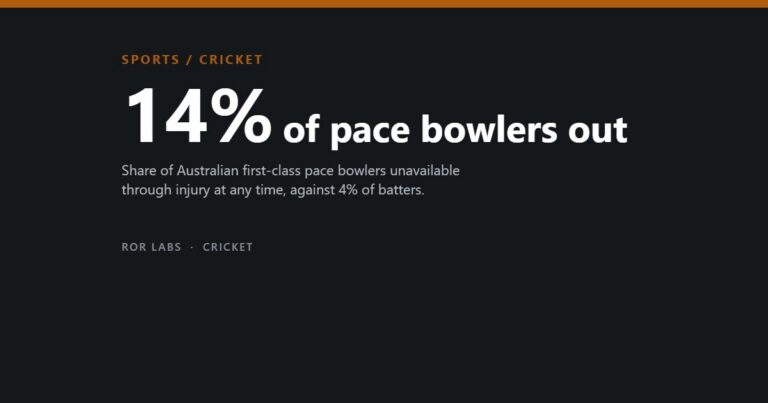
Cricket injury rates by role, the workload patterns behind fast bowlers’ back stress fractures, helmet and neck-guard rules, and why the evidence says play carefully.

Vitamin K food sources by the spoonful, why natto’s K2 is missing from food tables, the newborn injection and refusal data, and what trials found for bones.
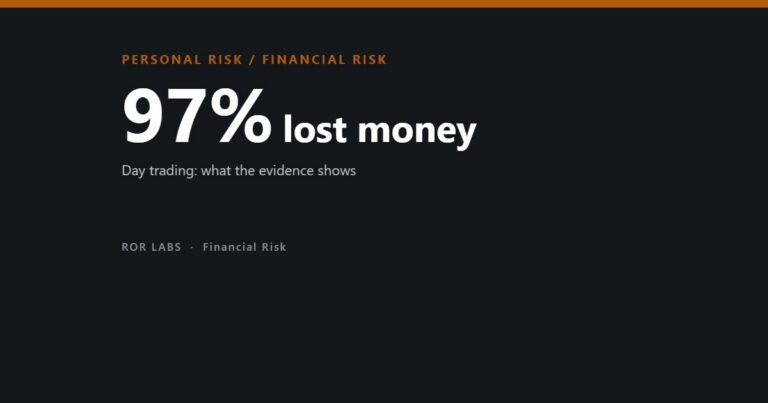
The households that traded most earned 11.4% a year against 17.9% for the market, and fewer than 1% of day traders profit reliably. What 25 years of trading records show, including the case for retail traders.
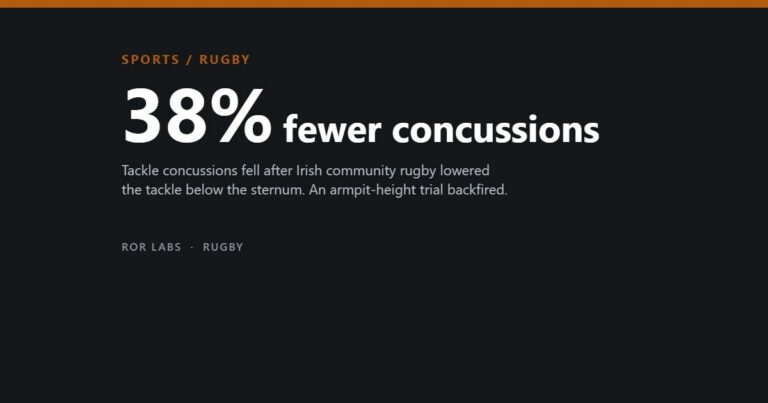
Tackle concussions fell 38% after Irish community rugby lowered the tackle below the sternum. What rugby injury research shows, and how to play safely.
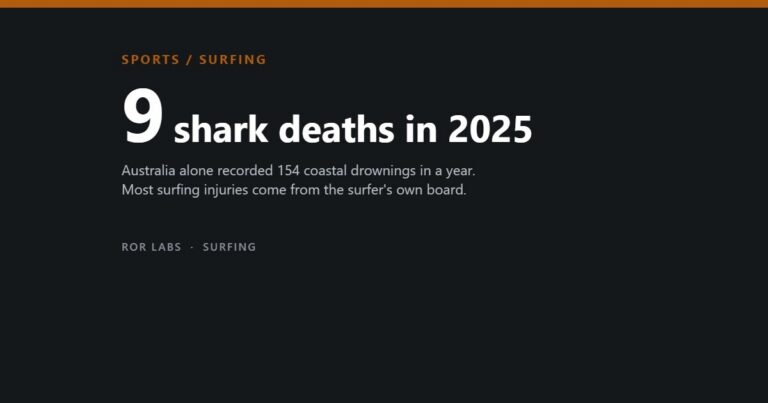
Most surfing injuries come from your own board, not sharks. What research shows about surf injuries, drowning and reefs, and how to surf more safely.

Achilles ruptures in recreational players around 36 and shuttlecock eye injuries: what badminton injury research shows, and how to keep playing safely.
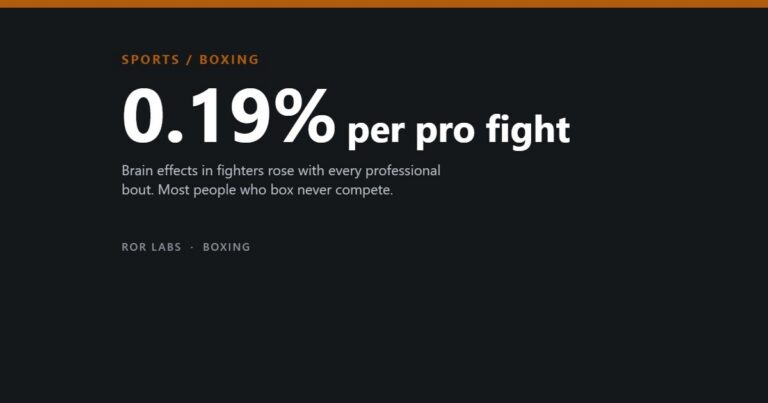
Boxing injuries: cuts, hand fractures and concussion, how brain effects rise with each fight, what headguards do and do not prevent, and non-contact boxing.
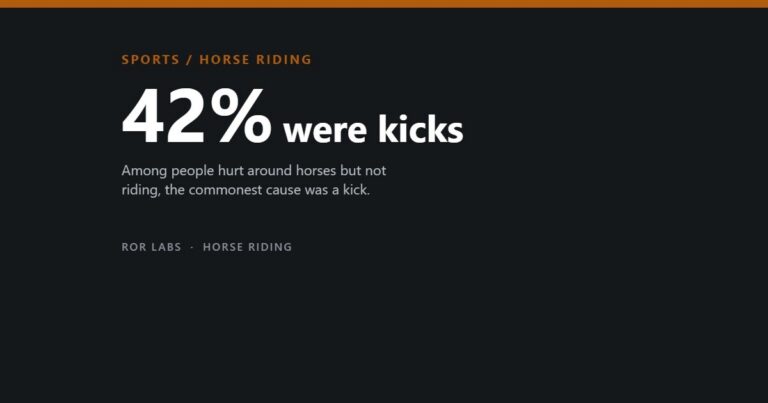
Horse riding injuries: falls in the saddle, kicks on the ground, the motorcycling myth, helmets and air vests, and why riding is still worth doing.
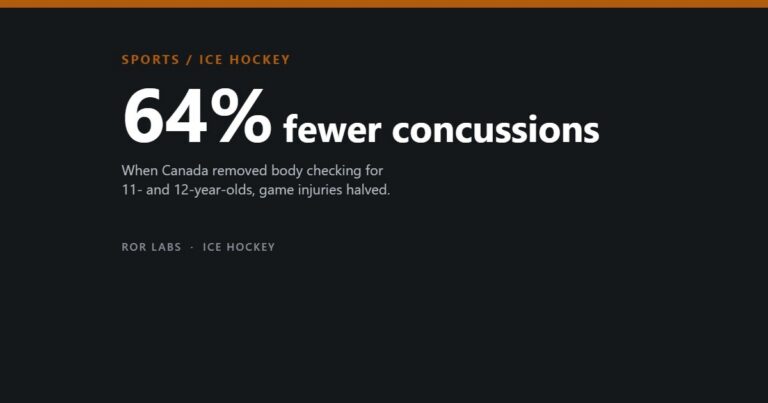
Ice hockey injuries: concussion, faces and necks, and how removing body checking for 11- and 12-year-olds halved injuries in Canadian youth hockey.