
Basketball sudden cardiac arrest, the screening fight and the defibrillator on the wall
Basketball sudden cardiac arrest: why Division I men face the highest rates, what Italy’s 89% screening drop hides, and how AEDs let most athletes survive.
Things worth keeping a reference shelf on, kept apart from the risk categories. Each branch works down from the general to the specific, one entry at a time.
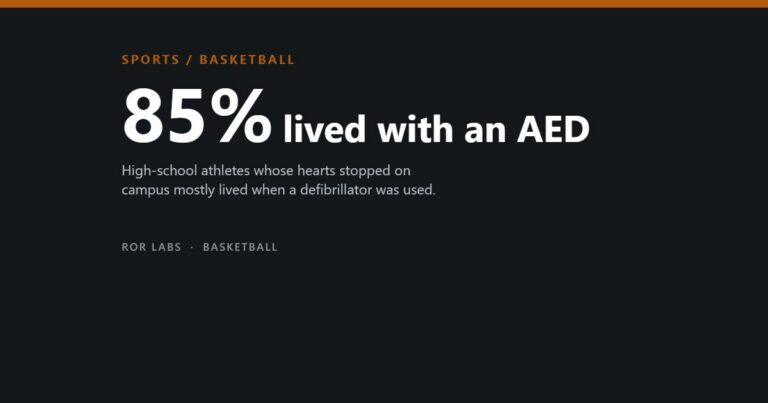
Basketball sudden cardiac arrest: why Division I men face the highest rates, what Italy’s 89% screening drop hides, and how AEDs let most athletes survive.
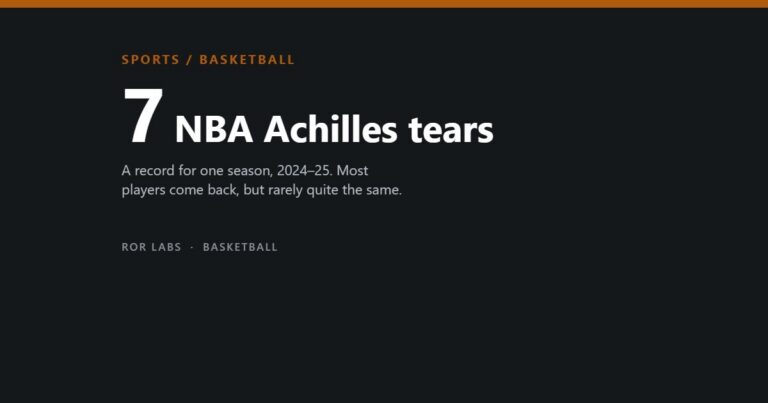
Achilles tendon rupture in basketball: NBA return rates, the record 2025 cluster, why players in their 30s and 40s are most at risk, and what trials show.
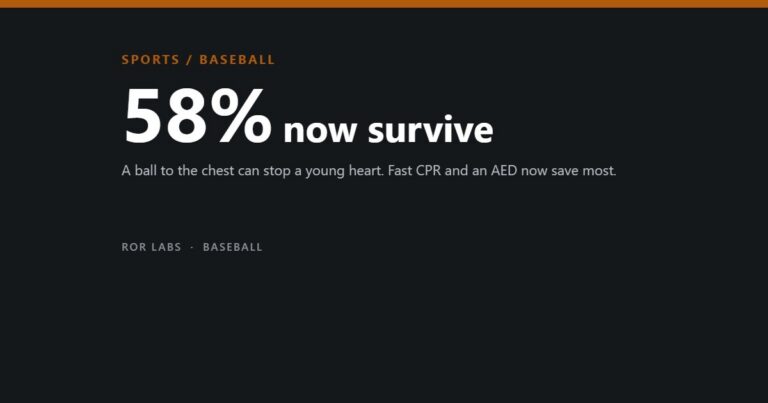
Commotio cordis in baseball: why a ball to the chest can stop a young heart, what chest protectors and softer balls do, and why fast CPR and an AED matter.
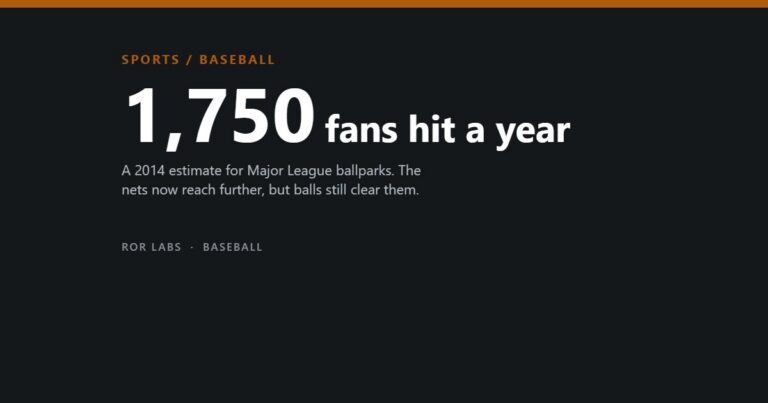
How often foul ball injuries hurt fans, which seats and spectators face most risk, what MLB netting and bat rules changed, and how to pick a safer seat.
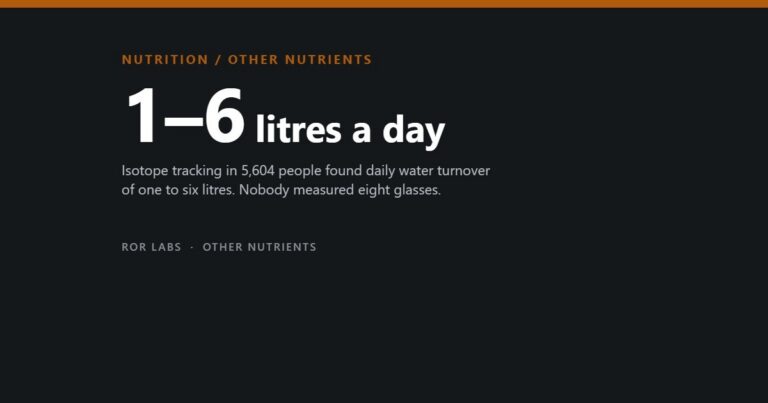
How much water should you drink? Measured turnover runs 1–6 litres a day, food supplies a share, and most trials of drinking more found little benefit.
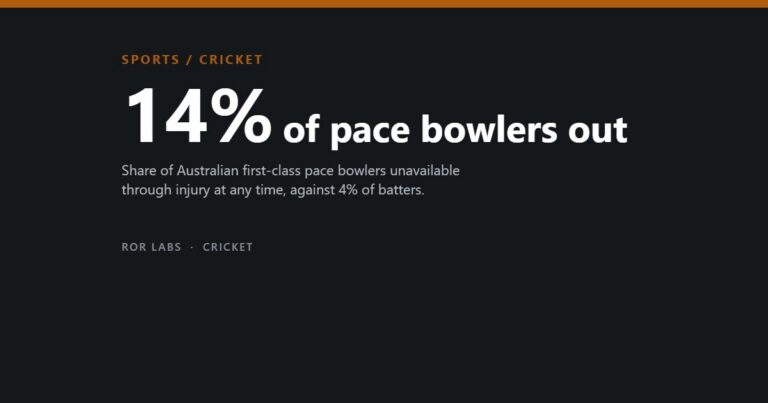
Cricket injury rates by role, the workload patterns behind fast bowlers’ back stress fractures, helmet and neck-guard rules, and why the evidence says play carefully.
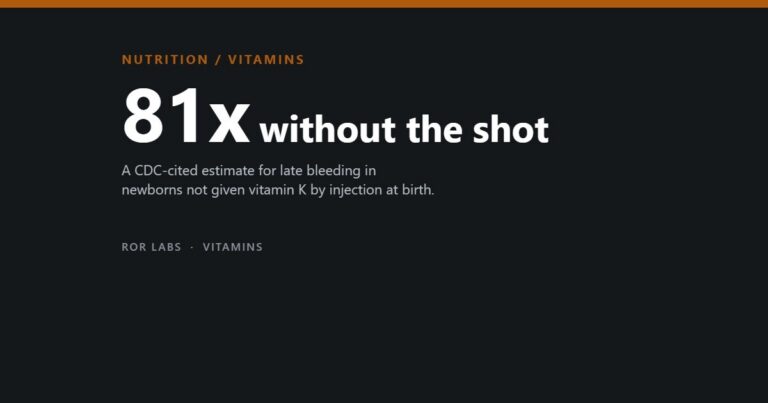
Vitamin K food sources by the spoonful, why natto’s K2 is missing from food tables, the newborn injection and refusal data, and what trials found for bones.
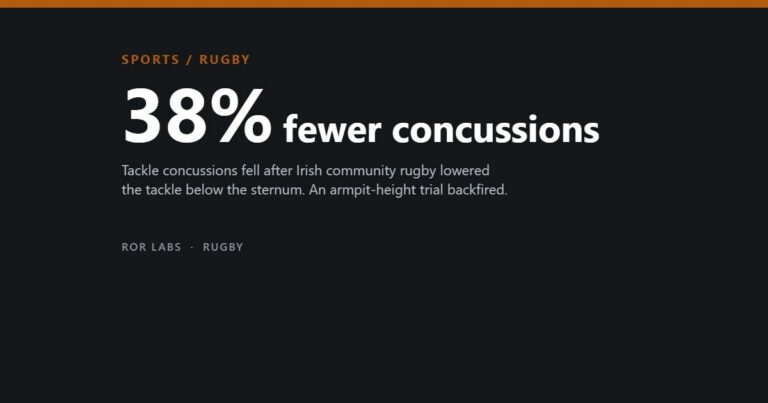
Tackle concussions fell 38% after Irish community rugby lowered the tackle below the sternum. What rugby injury research shows, and how to play safely.
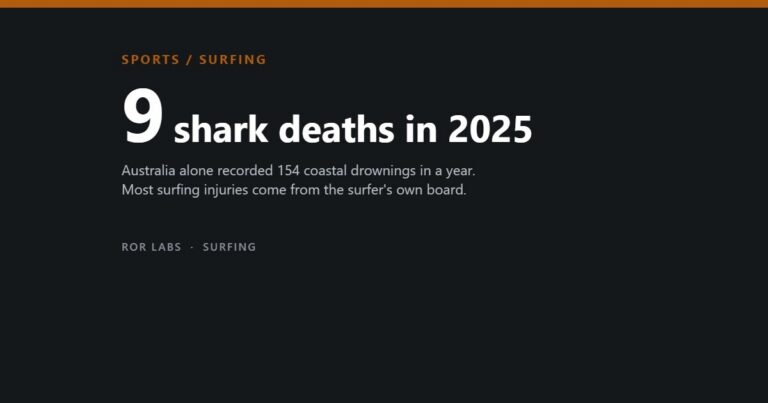
Most surfing injuries come from your own board, not sharks. What research shows about surf injuries, drowning and reefs, and how to surf more safely.
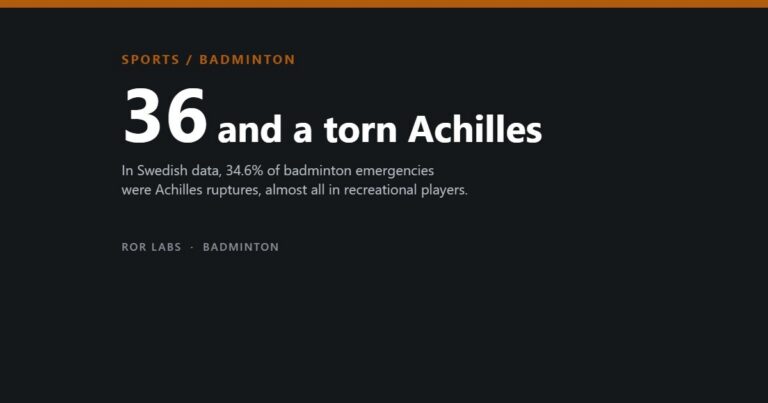
Achilles ruptures in recreational players around 36 and shuttlecock eye injuries: what badminton injury research shows, and how to keep playing safely.