
Trend summary
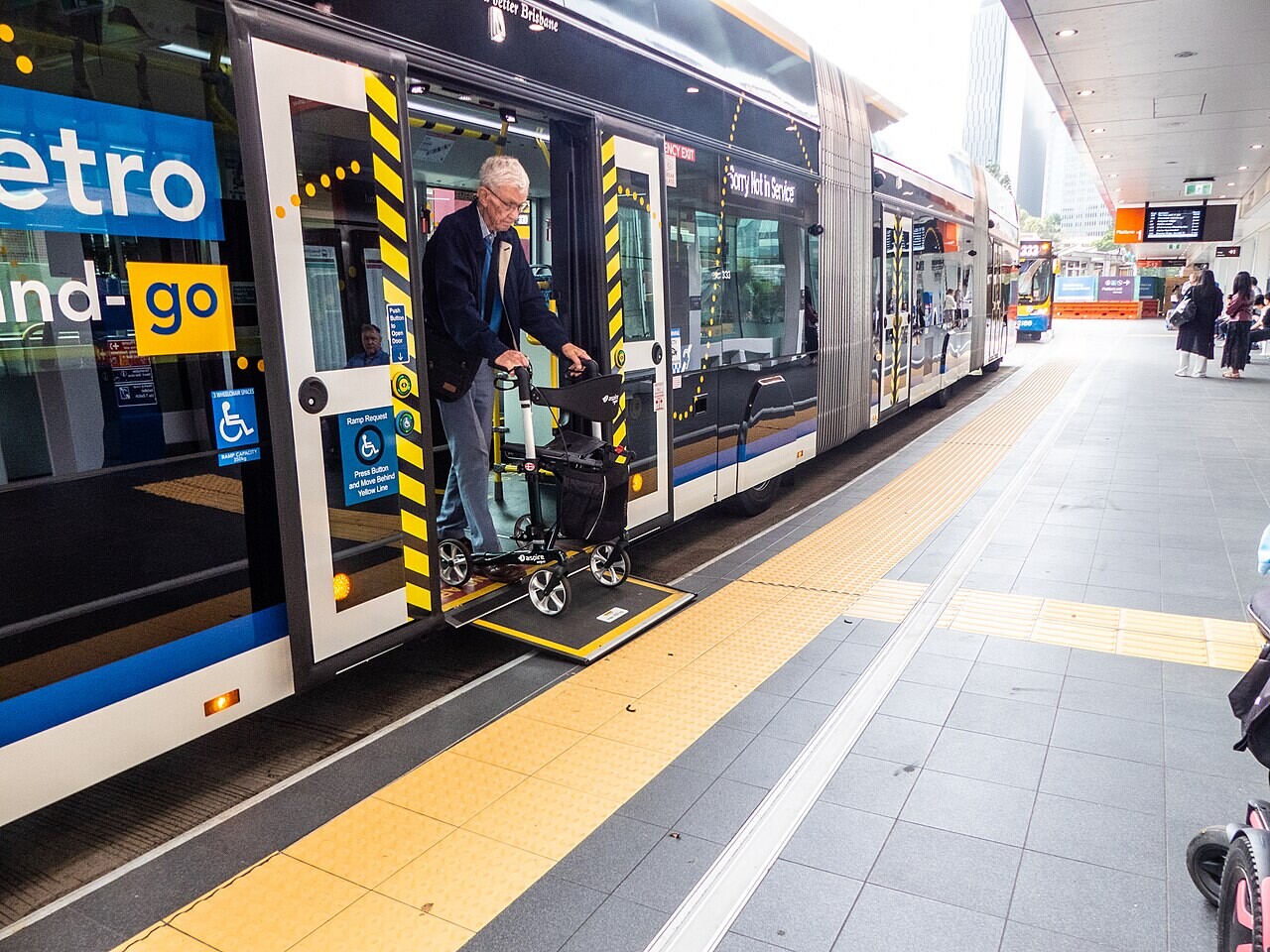
- Most serious injuries in Australia are not dramatic accidents. They are falls, mostly of older people at home, and they are becoming more common as the population ages.
- Falls caused 253,800 hospitalisations in 2024–25, 43% of all injury admissions, and the rate has risen from 849 to 926 per 100,000 over a decade.
- 2,596 people died drug-induced deaths in 2024, the highest on record and about twice the road toll.
- Drownings fell 12% to 313 in 2025–26 after a record 357 the year before, and recorded work deaths fell to 188 in 2024.
What the numbers show
The Australian Institute of Health and Welfare’s Injury in Australia report is the national reference. It counted about 15,800 injury deaths in 2023–24 (59 per 100,000 people). Falls are the leading cause of both injury hospitalisation and injury death: 253,800 admissions in 2024–25 and 6,722 deaths in 2023–24. About 6,400 of those deaths, 95%, were people aged 65 and over, and people aged 85 and over have by far the highest rates. Accidental poisoning is the third leading cause of injury death, with 1,597 deaths in 2023–24 (AIHW).
Other causes are moving in different directions. The National Drowning Report 2026 from Royal Life Saving and Surf Life Saving Australia counted 313 drowning deaths in 2025–26, down from a record 357 but still 10% above the ten-year average; drownings of children under five fell to 11, 39% below average. At work, Safe Work Australia recorded 188 traumatic injury fatalities in 2024 (1.3 per 100,000 workers, below the five-year average), down from 200 in 2023.
What is driving it
Ageing is the main reason fall numbers keep climbing. Most fall admissions come from slips, trips and stumbles on the same level, often causing hip and leg fractures, and the AIHW estimates falls cost the health system about $5.4 billion in 2023–24. Women are admitted for falls more often than men (1,021 against 829 per 100,000 in 2024–25).
Overdose is the other rising cause. Penington Institute found opioids (1,083 deaths), stimulants (843) and benzodiazepines (696) were most often involved in 2024, with record unintentional deaths involving heroin, cocaine and amphetamines. At work, vehicle incidents cause about four in ten deaths and falls from height about one in eight, and agriculture, forestry and fishing has the highest fatality rate.
Policy and budget changes
The main government measures and money figures behind this risk, newest first. Each item links to the official text we checked; where only a news report was available, the source says so.
Main policy changes
- 1 July 2024 Industrial manslaughter offence for Commonwealth workplaces. An industrial manslaughter offence took effect on 1 July 2024 under the Commonwealth work health and safety law, covering businesses and officers in Comcare’s jurisdiction, with maximum penalties of $18 million for bodies corporate and 25 years’ jail for individuals. (Comcare)
- 1 July 2022 Free naloxone without prescription, nationwide. From 1 July 2022 the national Take Home Naloxone program made naloxone, which reverses opioid overdoses, free and available without a prescription at participating pharmacies and other sites across Australia. (Department of Health)
- 22 June 2022 Mandatory safety standards for button batteries. Four mandatory safety and information standards for button and coin batteries, and for products containing them, apply to new and second-hand goods supplied to consumers from 22 June 2022. (Product Safety Australia (ACCC))
- 11 October 2021 Quad bikes must have rollover protection. Under the Consumer Goods (Quad Bikes) Safety Standard 2019, new and imported second-hand general-use quad bikes must have an operator protection device and meet minimum stability requirements from 11 October 2021; the first stage, on testing and rollover warnings, applied from 11 October 2020. (Safe Work Australia)
Budget and costs
- 2025 Falls cost the health system A$5.4 billion. The AIHW estimates that injuries from falls accounted for A$5.4 billion in health system spending in 2023–24, the highest of the individual conditions it lists. (AIHW)
- 2024 A$36 million for water and snow safety. The Australian Government is providing A$36 million over two years from 2024–25 for the Water and Snow Safety Program, which funds Royal Life Saving, Surf Life Saving Australia, AUSTSWIM and two other organisations. (Department of Infrastructure (Office for Sport))
- 1 July 2022 A$19.6 million for free naloxone. The Australian Government is investing A$19.6 million over four years from 2022–23 to run the Take Home Naloxone program nationally. (Department of Health)
Recent cases
- 10 September 2026: the National Drowning Report 2026 counts 313 drowning deaths in 2025–26, 12% fewer than the record year before, with 14 multiple-fatality events, the most in almost a decade (ILSF).
- July 2026: the AIHW reports 819 injury hospitalisations among health care workers in 2024–25, with falls the commonest cause (36%) and assault admissions up from 49 to 126 over a decade (AIHW).
- March 2026: Royal Life Saving reports 81 drowning deaths over the summer of 2025–26 (Royal Life Saving).
Our read: what the numbers add up to
The overall picture is of an injury burden that is growing mainly because the population is older, with a second and quite separate rise in overdoses. Falls caused 253,800 hospitalisations in 2024–25, 43% of injury admissions, and the rate rose from 849 to 926 per 100,000 over a decade. The page does not say whether that rate is adjusted for age, so I would treat the direction as clear and the exact role of ageing as partly open.
The more telling number is the age profile of fall deaths: about 6,400 of the 6,722 in 2023–24, or 95%, were people aged 65 and over. Falls are therefore less an accident problem than a frailty problem, mostly slips and trips on the same level, and they cost the health system about $5.4 billion. Drug-induced deaths are a different story with a different population. At 2,596 in 2024, a record and about twice the road toll, they involve opioids, stimulants and benzodiazepines. Other causes are improving: drownings fell 12% to 313 after a record 357, and work deaths fell to 188 from 200. So the headline that injuries are rising really belongs to two categories, not to injury as a whole.
The data come from different years and sources, which makes neat comparisons risky: hospitalisations are for 2024–25, deaths for 2023–24, overdoses for calendar 2024 and drownings for 2025–26. Drowning numbers in a single year are small, and 313 is still 10% above the ten-year average, so one good year is not yet a trend. What I would watch next is whether the next overdose count sets another record, and whether fall rates keep climbing, given that people aged 85 and over have by far the highest rates. My bottom line: Australians are getting safer at work and probably in the water, but falls among older people and drug overdoses are pushing the injury toll the other way.
Press releases and official reports, 2023–2026
Five key releases a year for the last four years, newest first. Most come from Australian Government agencies, state and territory agencies, regulators, accident investigators and national statistics; a few news reports are included where they are the clearest public record of an event. Releases from 2007–2022 are in the expandable list after 2023.
2026
- 10 Sep 2026ILSFAUSTRALIA: 313 lives lost to drowning as new report highlights persistent risks ahead of summer
- Sep 2026Royal Life Saving229 lives lost in multiple-fatality drowning incidents over the past decade
- Jul 2026AIHWThe injuries sending health care workers to hospital
- Mar 2026Royal Life SavingRoyal Life Saving urges caution this Easter long weekend
- Mar 2026Royal Life Saving81 Lives Lost: Summer Drowning Toll Highlights Drowning Impacts
2025
- 14 Nov 2025ABSCauses of Death, Australia, 2024
- Oct 2025Safe Work AustraliaKey Work Health and Safety Statistics Australia 2025 now available
- Aug 2025Royal Life SavingTragic Surge in Drowning Deaths Prompts Urgent Call for Action Ahead Of Summer
- 1 Jul 2025Penington InstituteOverdose killing ‘plane full’ of Australians every month: new figures
- May 2025AIHWFalls remain the leading cause of injury hospitalisation and death among women in Australia
2024
- 15 Nov 2024ABC NewsFalls, assaults, accidental poisoning among leading causes of injury hospitalisations and deaths in Australia
- Nov 2024AIHWCauses of injury leading to hospitalisation and death over the last decade revealed
- 10 Oct 2024ABSCauses of Death, Australia, 2023
- 17 Sep 2024Safe Work AustraliaKey Work Health and Safety Statistics 2024 – Media Release
- Apr 2024AIHWInjuries in children and adolescents a significant contributor to hospitalisations in Australia
2023
- Nov 2023AIHWOne head injury hospital admission every 4 minutes in Australia
- 28 Sep 2023Safe Work AustraliaStill too many work-related fatalities and injuries
- 27 Sep 2023ABSCauses of Death, Australia, 2022
- 11 Sep 2023ABC NewsOlder men overwhelmingly falling victim to drowning, Royal Life Saving Society Australia report reveals
- Aug 2023Penington InstituteAustralia’s Annual Overdose Report 2023 Reveals Alarming Trends: Urgent Action Needed to Address National Crisis
View 20 years of major Australian injury press releases (2007–2026)39 more from 2007–2022, up to five a year, newest first
2022
- 31 Dec 2022ABC NewsAs Australian drowning deaths increase, one community has an idea to keep people safer
- 15 Nov 2022ABC NewsWhat should you do if you see someone struggling in the ocean? We asked a surf lifesaver
- 19 Oct 2022ABSCauses of Death, Australia, 2021
- Aug 2022Penington InstituteAustralia’s Annual Overdose Report 2022
2021
- 30 Dec 2021ABC NewsSwimming experts are worried about a spike in drownings. Here’s their advice for staying safe
- 29 Sep 2021ABSCauses of Death, Australia, 2020
- 8 Sep 2021ABC NewsLockdown link to 20 per cent spike in drownings, 150 per cent jump in rescues
2020
- 20 Nov 2020Safe Work AustraliaWork-related traumatic injury fatalities Australia 2019
- 23 Oct 2020ABSCauses of Death, Australia, 2019
2019
- 2 Dec 2019ABC NewsVictorian drownings reach 20-year high, including 70pc increase among older people
- 23 Oct 2019ABC NewsWater safety campaign launches to help save ‘wholly preventable’ child drownings, limit adult distractions
- 25 Sep 2019ABSCauses of Death, Australia, 2018
- Sep 2019AIHWMore older Australians hospitalised for fall-related head injuries
2018
- 26 Sep 2018ABSCauses of Death, Australia, 2017
- 12 Sep 2018ABC NewsAmid a big drop in drowning deaths, a spike in toddler drownings has authorities worried
- May 2018AIHWFalls most common cause of hospitalised injury—with numbers rising
2017
- 27 Sep 2017ABSDrug Induced Deaths Increase in 2016 (Media Release)
- 27 Sep 2017ABSCauses of Death, Australia, 2016
- 12 Sep 2017ABC NewsDrowning deaths increase 9pc in Queensland, Royal Life Saving report finds
2016
- Oct 2016Safe Work AustraliaWork-related Traumatic Injury Fatalities, Australia 2015
- 28 Sep 2016ABSCauses of Death, Australia, 2015
- 15 Sep 2016ABC NewsDrownings reach 10-year high in Australian adults aged 25 to 34
- 8 Mar 2016ABSCauses of Death, Australia, 2014
2015
- 21 Sep 2015ABC NewsBarriers and supervision key to preventing rural drowning deaths
- 15 Sep 2015ABC News‘Alarming’ national increase in drowning deaths of children under five, report finds
- Aug 2015AIHWFalls most common cause of injury—with numbers rising
- 31 Mar 2015ABSCauses of Death, Australia, 2013
2014
- 25 Mar 2014ABSCauses of Death, Australia, 2012
- 25 Feb 2014ABC NewsInland drowning blackspots identified as Royal Life Saving Society conducts 10-year review
2013
- 11 Oct 2013ABC NewsRoyal Life Saving Society releases National Drowning Report 2013
- 10 Oct 2013ABC NewsDramatic increase in child drownings in past year, Royal Life Saving report reveals
- 15 Mar 2013ABSCauses of Death, Australia, 2011
2012
- 20 Mar 2012ABSCauses of Death, Australia, 2010
2011
- 21 Sep 2011ABC NewsFloods cause surge in drowning numbers
- 3 May 2011ABSCauses of Death, Australia, 2009
2010
- 31 Mar 2010ABSCauses of Death, Australia, 2008
2009
- 18 Mar 2009ABSCauses of Death, Australia, 2007
2008
- 14 Mar 2008ABSCauses of Death, Australia, 2006
2007
- 14 Mar 2007ABSCauses of Death, Australia, 2005
Some early years list fewer than five items. Many older Australian government releases are no longer online at their original addresses, and we only list items we could find and check.
Photo list

How this page is built. Figures come from the official statistical releases linked above; where agencies publish provisional numbers we say so, because they are revised. Australian statistics are often published separately by each state and territory, and financial years run from July to June, so we say which area and period each figure covers. Photos are public-domain or Creative Commons images credited in each caption; file photos are illustrative and are not from the events described unless the caption says so. This page tracks trends and is not personal safety, medical, legal or financial advice.