
Trend summary
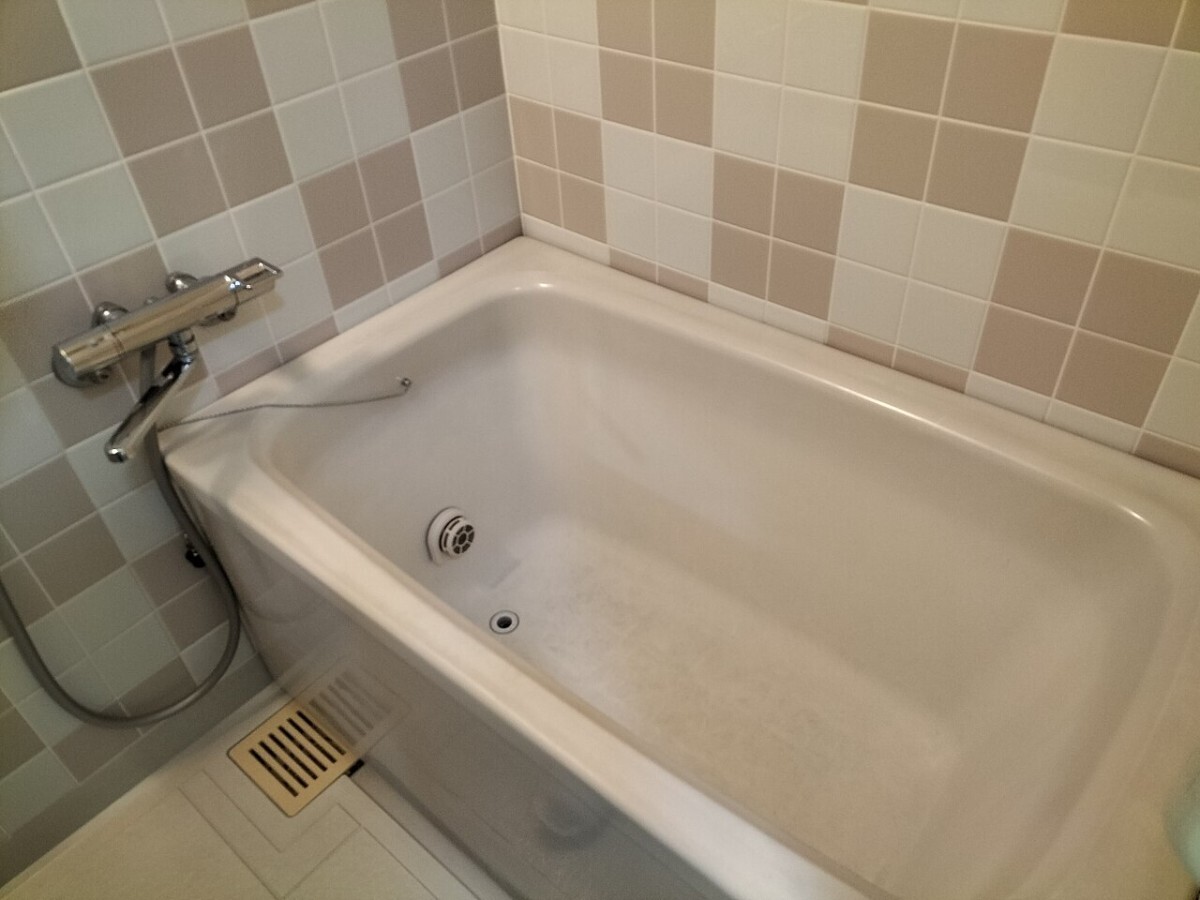
- Most fatal injuries in Japan do not happen on the roads. They happen at home, to older people, through falls, drowning in the bath and choking, and the ageing population keeps these numbers high.
- 45,068 people died in unintentional injuries (不慮の事故, “unforeseen accidents”) in Japan in 2025, slightly fewer than the 45,743 of 2024, according to final vital statistics from the Ministry of Health, Labour and Welfare (MHLW).
- Heat is the fastest-moving risk: ambulances took 100,510 people to hospital with heatstroke from May to September 2025, the most since records began in 2008 and a second record in a row. The 2026 season was lower, at 77,442 to 27 September (provisional).
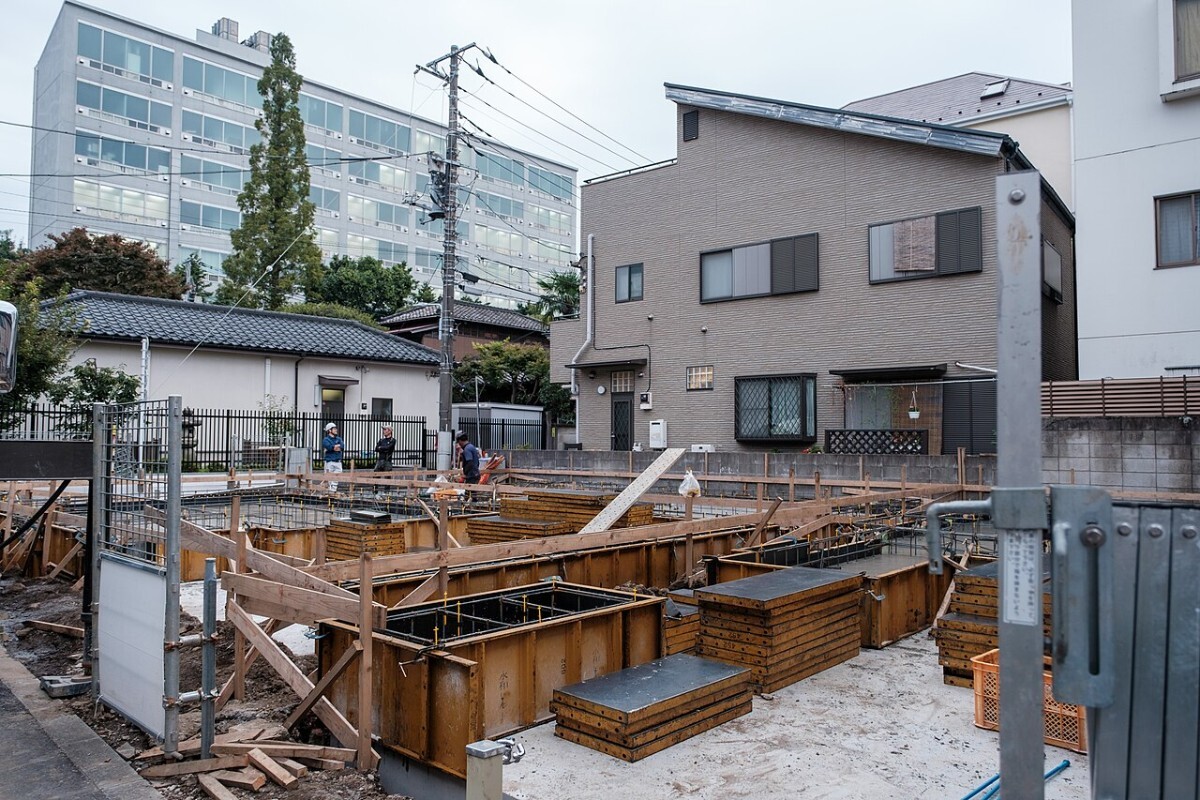
- At work the picture is better: 700 workplace deaths in 2025, the lowest on record, although heatstroke injuries at work hit a record 1,803.
What the numbers show
The national benchmark is the MHLW’s Vital Statistics 2025 (final data) (in Japanese), published on 30 September 2026. Of the 45,068 unintentional injury deaths in calendar year 2025, 11,963 were falls, 10,065 were drowning, 8,059 were choking and 3,348 were road traffic deaths, so falls alone killed more than three times as many people as traffic. Most drowning deaths happen in the bath at home: the Consumer Affairs Agency (in Japanese), citing the 2024 vital statistics, counts 7,776 deaths from drowning in or falling into a bathtub, 95% of them people aged 65 or over, and 4,383 deaths from choking on food, 91% of them older people. Heatstroke deaths were 1,610 in 2025, down from 2,160 in 2024 (MHLW, in Japanese).
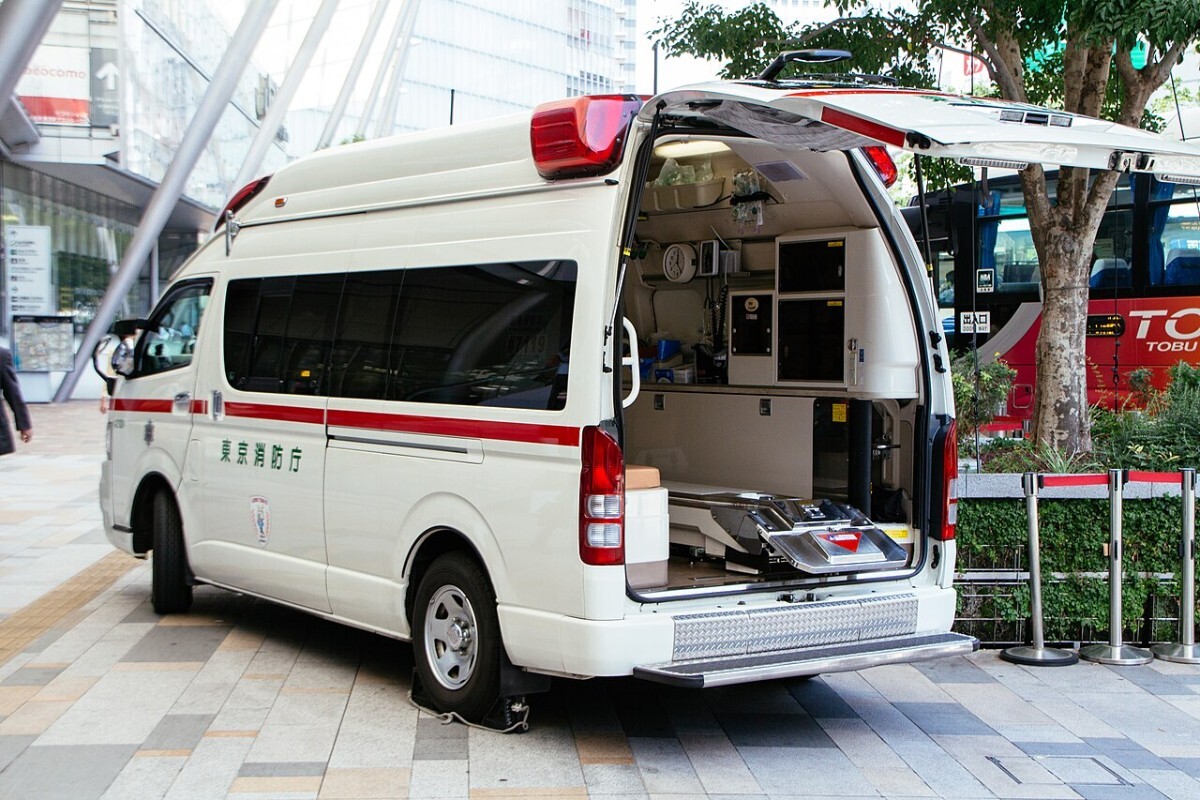
The Fire and Disaster Management Agency (FDMA) counts heatstroke patients taken to hospital by ambulance each summer. Its final figure for May to September 2025 (in Japanese) was 100,510, beating the 97,578 record of 2024; 57% were aged 65 or over and the most common place was the home (about 38%). The 2026 season was lower overall, at 77,442 to 27 September against 100,350 for the same period in 2025 (FDMA, provisional, in Japanese), but July 2026 still had 41,174 transports, the third-highest July since 2008. At work, the MHLW’s 2025 occupational accident figures (in Japanese) show 700 deaths, down 6.2% and the lowest on record, and 135,333 people off work for four days or more. Slips and trips (転倒, tentō) were the biggest single cause of those injuries, at 37,195.
What is driving it
Age is the main driver. Older people are much more likely to die after a fall, to choke on food such as mochi (rice cake) at New Year, and to drown in a hot bath in winter, when the move from a warm room to a cold changing room and bathroom puts strain on the heart and blood pressure. The Consumer Affairs Agency repeats its warnings every winter, most recently in December 2025 (in Japanese), advising people to warm the changing room and bathroom first, drink water before bathing, avoid very hot or long baths, and tell someone in the home before getting in. For children, the agency’s safety investigation board published a report on falls from windows and balconies (in Japanese) in June 2025 and sent a reminder to prefectures in July 2026.
Hotter summers explain the heatstroke rise. The FDMA notes that 2025 had the earliest end to the rainy season on record in many regions, Japan’s hottest summer on record and the most heatstroke alerts ever issued. At work, the MHLW reports that heatstroke injuries rose by about 43% to a record 1,803 in 2025, while heatstroke deaths at work fell from 31 to 19. It credits the fall to a rule that took effect in 2025 and requires employers to set up reporting systems and emergency procedures for work in the heat (MHLW, in Japanese).
The trend, 2015–2025
| Year | Deaths | Change on year before |
|---|---|---|
| 2015 | 38,306 | – |
| 2016 | 38,306 | 0.0% |
| 2017 | 40,329 | +5.3% |
| 2018 | 41,238 | +2.3% |
| 2019 | 39,184 | −5.0% |
| 2020 | 38,133 | −2.7% |
| 2021 | 38,355 | +0.6% |
| 2022 | 43,420 | +13.2% |
| 2023 | 44,440 | +2.3% |
| 2024 | 45,743 | +2.9% |
| 2025 | 45,068 | −1.5% |
Notes: 2015 and 2016 are both exactly 38,306; this is confirmed in three MHLW files. Covers traffic, falls, drowning, choking and other accidents.
Source: MHLW, Vital Statistics final data (2015–2025 editions)
Common questions
Are accidental deaths in Japan going up or down?
In 2025 the figure was 45,068 deaths. That is 17.7% higher than in 2015 (38,306) and 1.5% down on 2024.
Which year was highest and which was lowest?
In this 2015–2025 series the highest year was 2024 (45,743) and the lowest was 2020 (38,133).
Which kinds of accident kill the most people in Japan?
Choking, falls and drowning each kill more people than traffic. In 2016, for example, choking accounted for 9,485 deaths, falls for 8,030, drowning for 7,705 and traffic for 5,278.
Policy and budget changes
The main government measures and money figures behind this risk, newest first. Each item links to the official text we checked; where only a news report was available, the source says so.
Main policy changes
- 1 April 2026 Employers asked to protect older workers from accidents. A provision of the Act Partially Amending the Industrial Safety and Health Act and the Working Environment Measurement Act (promulgated 14 May 2025) came into force, placing a duty on employers to make efforts to adapt work environments and work management to older workers. (Ministry of Health, Labour and Welfare (MHLW))
- 1 June 2025 Heatstroke measures made mandatory at work. An amended Ordinance on Industrial Safety and Health came into force requiring employers to set up reporting systems and emergency procedures, and tell workers about them, for work expected to last over an hour at a stretch or over four hours a day at a WBGT of 28 or more or a temperature of 31°C or more. (MHLW)
- 24 April 2024 Special heatstroke alert begins operating. The Ministry of the Environment began operating the Special Heat Stroke Alert, created by a 2023 amendment to the Climate Change Adaptation Act that took full effect on 1 April 2024, for the most extreme heat. (Ministry of the Environment)
- 27 March 2023 14th Occupational Accident Prevention Plan published. The health ministry published the 14th Occupational Accident Prevention Plan for fiscal 2023–2027. It aims to cut workplace deaths by at least 5% from 2022 and sets targets for preventing falls, the most common cause of work injuries. (Japan Institute for Labour Policy and Training, citing MHLW)
Budget and costs
- December 2025 Worker safety and health budget: ¥30.2bn for FY2026. The Labour Standards Bureau’s FY2026 budget plan (December 2025) allocates ¥30.2 billion to worker safety and health, up from ¥28.8 billion in FY2025; ¥13.8 billion (¥13.1 billion) is for the 14th Occupational Accident Prevention Plan and related measures. (Ministry of Health, Labour and Welfare)
- December 2025 ¥980m to prevent accidents among older workers. The same plan gives ¥980 million (¥760 million in FY2025) to support workplaces in preventing accidents among older workers, adding a new heatstroke prevention course for older workers at high risk. (Ministry of Health, Labour and Welfare)
Recent cases
- 28 October 2026: final figures show 77,638 people were taken to hospital by ambulance for heatstroke from May to September 2026, 22,872 fewer than the record 100,510 in 2025; 120 died at first diagnosis (FDMA, in Japanese).
- 30 September 2026: final 2025 vital statistics show 45,068 unintentional injury deaths and 1,610 heatstroke deaths, both down on 2024; falls (11,963) remain the largest cause (MHLW, in Japanese).
- 22 July 2026: FDMA data show 10,857 people taken to hospital with heatstroke in the week of 13 to 19 July, more than double the same week in 2025 and the first week of 2026 above 10,000; 14 were confirmed dead at their first hospital examination (Japan Times; FDMA, in Japanese).
- 27 May 2026: the MHLW reports a record 1,803 workers killed or injured by heatstroke in 2025, and the lowest-ever total of 700 deaths from all workplace accidents (MHLW, in Japanese).
Our read: what the numbers add up to
The overall injury toll is broadly flat at a high level, and its shape matters more than its direction. Unintentional injury deaths were 45,068 in 2025, slightly below the 45,743 of 2024. What stands out is where they happen: falls killed 11,963 people and road traffic 3,348, so falls alone killed more than three times as many. Add 10,065 drownings, mostly in the bath, and 8,059 choking deaths, and the picture is of older people coming to harm at home, not of a dangerous public realm.
Heat is the part that moves from year to year, and it is easy to misread. Ambulance transports for heatstroke hit a record 100,510 in 2025, while the 2026 season finished lower at 77,638. Yet July 2026 alone had 41,174 transports, the third-highest July since 2008, so a quieter season seems to reflect the later months of the summer rather than a lasting easing of risk. The workplace figures are the most interesting pairing on the page. Heatstroke injuries at work rose to a record 1,803 in 2025, while heatstroke deaths at work fell from 31 to 19, and the MHLW credits a rule requiring reporting systems and emergency procedures. If that holds, it suggests rules can cut deaths even while exposure to heat rises. Workplace deaths overall, at 700, were the lowest on record.
Several caveats apply. The bathtub figure of 7,776 deaths comes from 2024 statistics, not 2025. Ambulance counts measure transports, not every case, and a single year’s fall in heatstroke deaths, from 2,160 to 1,610, could reverse with one hot summer. What I would watch is the 2026 vital statistics on heatstroke deaths, and whether winter bath deaths respond to the repeated warnings. My bottom line: injury deaths in Japan are mainly a story of ageing at home, with heat as the volatile extra that rules and warnings can blunt but not remove.
Press releases and official reports, 2023–2026
Five key releases a year for the last four years, newest first. Most come from Japanese government ministries and agencies, regulators, accident investigators and national statistics; a few news reports are included where they are the clearest public record of an event. Many official releases are published only in Japanese; for those we give an English translation of the title and mark the link (in Japanese). Releases from 2007–2022 are in the expandable list after 2023.
2026
- 30 Sep 2026MHLWVital Statistics 2025 (final data): summary (in Japanese)
- 30 Sep 2026MHLWHeatstroke deaths from the Vital Statistics (final data), 2025 (in Japanese)
- 25 Aug 2026FDMAHeatstroke ambulance transports in July 2026 (in Japanese)
- 27 May 2026MHLWOccupational accidents in 2025 published (in Japanese)
- 27 May 2026MHLWWorkplace heatstroke deaths and injuries in 2025 (final figures) (in Japanese)
2025
- 24 Dec 2025Consumer Affairs AgencyWatch out for accidents among older people over the New Year holidays (in Japanese)
- 29 Oct 2025FDMAHeatstroke ambulance transports, May–September 2025 (in Japanese)
- 16 Sep 2025MHLWHeatstroke deaths from the Vital Statistics (final data), 2024 (in Japanese)
- 24 Jun 2025Consumer Safety Investigation CommissionInvestigation report: children falling from windows and balconies of homes (in Japanese)
- 30 May 2025MHLWOccupational accidents in 2024 published (in Japanese)
2024
- 29 Oct 2024FDMAHeatstroke ambulance transports, May–September 2024 (in Japanese)
- 17 Sep 2024MHLWHeatstroke deaths from the Vital Statistics (final data), 2023 (in Japanese)
- 21 Jun 2024Consumer Safety Investigation CommissionProgress report: children falling from windows and balconies of homes (in Japanese)
- 27 May 2024MHLWOccupational accidents in 2023 published (in Japanese)
- 10 Apr 2024Consumer Affairs AgencySurvey report on accident prevention among older people (in Japanese)
2023
- 22 Dec 2023Consumer Affairs Agency“Just for a moment” can be fatal: preventing snowblower accidents, which have surged in three years (in Japanese)
- 27 Oct 2023FDMAHeatstroke ambulance transports, May–September 2023 (in Japanese)
- 15 Sep 2023MHLWVital Statistics 2022 (final data): summary (in Japanese)
- 15 Sep 2023MHLWHeatstroke deaths from the Vital Statistics (final data), 2022 (in Japanese)
- 23 May 2023MHLWOccupational accidents in 2022 published (in Japanese)
View 20 years of major Japanese injury press releases (2007–2026)75 more from 2007–2022, up to five a year, newest first
2022
- 27 Dec 2022Consumer Affairs AgencyWatch out for accidents among older people, which rise over the New Year: bath drowning, choking on mochi and falls while cleaning or clearing snow (in Japanese)
- 28 Oct 2022FDMAHeatstroke ambulance transports, May–September 2022 (in Japanese)
- 16 Sep 2022MHLWVital Statistics 2021 (final data): summary (in Japanese)
- 20 Jul 2022Consumer Affairs AgencyPrevent children’s water accidents: 25 July is World Drowning Prevention Day (in Japanese)
- 30 May 2022MHLWOccupational accidents in 2021 published (in Japanese)
2021
- 8 Dec 2021Consumer Affairs AgencyAvoid accidents among older people over the New Year: choking on mochi, drowning in the bath and falls while cleaning (in Japanese)
- 29 Oct 2021FDMAHeatstroke ambulance transports, May–September 2021 (in Japanese)
- 10 Sep 2021MHLWHeatstroke deaths from the Vital Statistics (final data), 2020 (in Japanese)
- 8 Jul 2021Consumer Affairs AgencyWatch out for children drowning at home: empty the bath after use and fit baby gates (in Japanese)
- 20 Jan 2021Consumer Affairs AgencyBeware of children choking on food: do not give hard beans or nuts to children aged 5 and under (in Japanese)
2020
- 23 Dec 2020Consumer Affairs AgencyBeware of choking on mochi over the New Year (in Japanese)
- 19 Nov 2020Consumer Affairs AgencyBeware of bathing accidents among older people in winter: accidental drowning in home bathtubs is rising (in Japanese)
- 27 Oct 2020FDMAHeatstroke ambulance transports, June–September 2020 (in Japanese)
- 8 Oct 2020Consumer Affairs Agency10 October is Fall Prevention Day: about half of older people’s falls happen at home (in Japanese)
- 17 Sep 2020MHLWHeatstroke deaths from the Vital Statistics (final data), 2019 (in Japanese)
2019
- 18 Dec 2019Consumer Affairs AgencyLet’s prevent accidents among older people: winter is the season for choking on mochi and drowning in the bath (in Japanese)
- 28 Nov 2019MHLWHeatstroke deaths from the Vital Statistics (final data), 2018 (in Japanese)
- 6 Nov 2019FDMAHeatstroke ambulance transports, May–September 2019 (in Japanese)
- 11 Sep 2019Consumer Affairs AgencyBeware of older people swallowing things by mistake: medicine blister packs, dentures and detergents (in Japanese)
- 17 May 2019MHLWOccupational accidents in 2018 published (in Japanese)
2018
- 26 Dec 2018Consumer Affairs AgencyBeware of choking among older people: watch out for mochi at New Year (in Japanese)
- 21 Nov 2018Consumer Affairs AgencyBeware of bathing accidents, which are frequent in winter (in Japanese)
- 25 Oct 2018FDMAHeatstroke ambulance transports, May–September 2018 (in Japanese)
- 12 Sep 2018Consumer Affairs AgencyAccidents among older people: an analysis of vital statistics and ambulance data (in Japanese)
- 7 Sep 2018MHLWHeatstroke deaths from the Vital Statistics (final data), 2017 (in Japanese)
2017
- 18 Oct 2017FDMAHeatstroke ambulance transports, May–September 2017 (in Japanese)
- 15 Sep 2017MHLWHeatstroke deaths from the Vital Statistics (final data), 2016 (in Japanese)
- 19 May 2017MHLWOccupational accidents in 2016 published (in Japanese)
- 25 Jan 2017Consumer Affairs AgencyBeware of bathing accidents among older people, which are frequent in winter (in Japanese)
- 6 Jan 2017Consumer Affairs AgencyOlder people: take care with mochi, which has caused fatal choking accidents (in Japanese)
2016
- Oct 2016Consumer Affairs AgencyBeware of babies suffocating during sleep (in Japanese)
- 12 Oct 2016FDMAHeatstroke ambulance transports in 2016 (in Japanese)
- 8 Sep 2016MHLWHeatstroke deaths from the Vital Statistics (final data), 2015 (in Japanese)
- 17 May 2016MHLWOccupational accidents in 2015 published (in Japanese)
- 20 Jan 2016Consumer Affairs AgencyBeware of bathing accidents among older people, which are frequent in winter (in Japanese)
2015
- 16 Oct 2015FDMAHeatstroke ambulance transports in 2015 (in Japanese)
- 16 Sep 2015Consumer Affairs AgencyBeware of older people swallowing things by mistake (in Japanese)
- 3 Sep 2015MHLWVital Statistics 2014 (final data): summary (in Japanese)
- 3 Sep 2015MHLWHeatstroke deaths from the Vital Statistics (final data), 1995–2014 (in Japanese)
- 28 Apr 2015MHLWOccupational accidents in 2014 published (in Japanese)
2014
- 22 Dec 2014Consumer Affairs AgencyBeware of falls from stepladders and ladders (in Japanese)
- 15 Oct 2014FDMAHeatstroke ambulance transports in September and summer 2014 (in Japanese)
- 19 Sep 2014FDMAHeatstroke ambulance transports in August 2014 (in Japanese)
- 11 Sep 2014MHLWVital Statistics 2013 (final data): summary (in Japanese)
- 16 May 2014MHLWOccupational accidents in 2013 published (in Japanese)
2013
- 15 Oct 2013FDMAHeatstroke ambulance transports, summer (June–September) 2013: overview (in Japanese)
- 13 Sep 2013FDMAHeatstroke ambulance transports in August 2013 (in Japanese)
- 5 Sep 2013MHLWVital Statistics 2012 (final data): summary (in Japanese)
- 9 Aug 2013FDMAHeatstroke ambulance transports in July 2013 (in Japanese)
- 24 May 2013MHLWOccupational accidents in 2012 published (in Japanese)
2012
- 16 Oct 2012FDMAHeatstroke ambulance transports, summer (July–September) 2012 (in Japanese)
- 18 Sep 2012FDMAHeatstroke ambulance transports in August 2012 (in Japanese)
- 6 Sep 2012MHLWVital Statistics 2011 (final data): summary (in Japanese)
- 17 Aug 2012FDMAHeatstroke ambulance transports in July 2012 (in Japanese)
- 25 May 2012MHLWFatal and serious workplace accidents in 2011 (in Japanese)
2011
- 1 Dec 2011MHLWVital Statistics 2010 (final data): summary (in Japanese)
- 21 Oct 2011FDMAHeatstroke ambulance transports, summer (July–September) 2011 (in Japanese)
- 14 Sep 2011FDMAHeatstroke ambulance transports in August 2011 (in Japanese)
- 10 Aug 2011FDMAHeatstroke ambulance transports in July 2011 (in Japanese)
- 20 May 2011MHLWFatal and serious workplace accidents in 2010 (in Japanese)
2010
- 29 Oct 2010FDMAHeatstroke ambulance transports, summer (July–September) 2010 (in Japanese)
- 16 Sep 2010FDMAHeatstroke ambulance transports in August 2010 (in Japanese)
- 2 Sep 2010MHLWVital Statistics 2009 (final data): summary (in Japanese)
- 20 Aug 2010FDMAHeatstroke ambulance transports in July 2010 (in Japanese)
- 14 May 2010MHLWFatal and serious workplace accidents in 2009 (in Japanese)
2009
- 29 Oct 2009FDMAHeatstroke ambulance transports in September 2009 (in Japanese)
- 2 Oct 2009FDMAHeatstroke ambulance transports in August 2009 (in Japanese)
- 3 Sep 2009MHLWVital Statistics 2008 (final data): summary (in Japanese)
- 26 Aug 2009FDMAHeatstroke ambulance transports in July 2009 (in Japanese)
- 26 May 2009MHLWFatal and serious workplace accidents in 2008: deaths at a record low of 1,268 (in Japanese)
2008
- 21 Oct 2008FDMAHeatstroke ambulance transports in September 2008 (in Japanese)
- 19 Sep 2008FDMAHeatstroke ambulance transports in August 2008 (in Japanese)
- 2 Sep 2008FDMAHeatstroke ambulance transports in July 2008, the first month of national data (in Japanese)
- 22 May 2008MHLWFatal and serious workplace accidents in 2007: deaths at a record low of 1,357 (in Japanese)
2007
- Jun 2007MHLWVital Statistics 2006 (annual estimates from monthly reports): summary (in Japanese)
Some early years list fewer than five items. Many older Japanese government releases are no longer online at their original addresses, and we only list items we could find and check.
Photo list
How this page is built. Figures come from the official statistical releases linked above; where agencies publish provisional numbers we say so, because they are revised. Japanese statistics often use the fiscal year (April to March) and some are published only in Japanese, so we say which period each figure covers and translate titles. Photos are public-domain or Creative Commons images credited in each caption; file photos are illustrative and are not from the events described unless the caption says so. This page tracks trends and is not personal safety, medical, legal or financial advice.