
Trend summary
- Several infections that were once well controlled in Australia have come back strongly since the COVID-19 years, and two of them set national records in 2024 and 2025.
- Australia had its worst flu year on record in 2025: more than 410,000 laboratory-confirmed cases by October, above the previous high of about 365,000 in 2024.
- Whooping cough reached 57,257 cases in 2024, the most since national records began in 1991, and another 25,256 in 2025.
- Syphilis notifications almost doubled in ten years, to 8,993 in 2025, and the Chief Medical Officer declared it a national incident. Measles is still eliminated, but imported cases are rising.
What the numbers show
Notifiable infections are counted by the states and territories and pooled in the National Notifiable Diseases Surveillance System (NNDSS), which since 1 January 2026 is run by the new, independent Australian Centre for Disease Control. For flu, the RACGP reported more than 410,000 lab-confirmed cases in 2025 by October, or about 1,544 per 100,000 people, a rate 10.8% above the 2024 record. The season ran from May into the summer. In 2026 the season has peaked late: 175,960 notifications were recorded in the year to 28 September, 81,796 of them in NSW. These are provisional, and many people with flu are never tested.
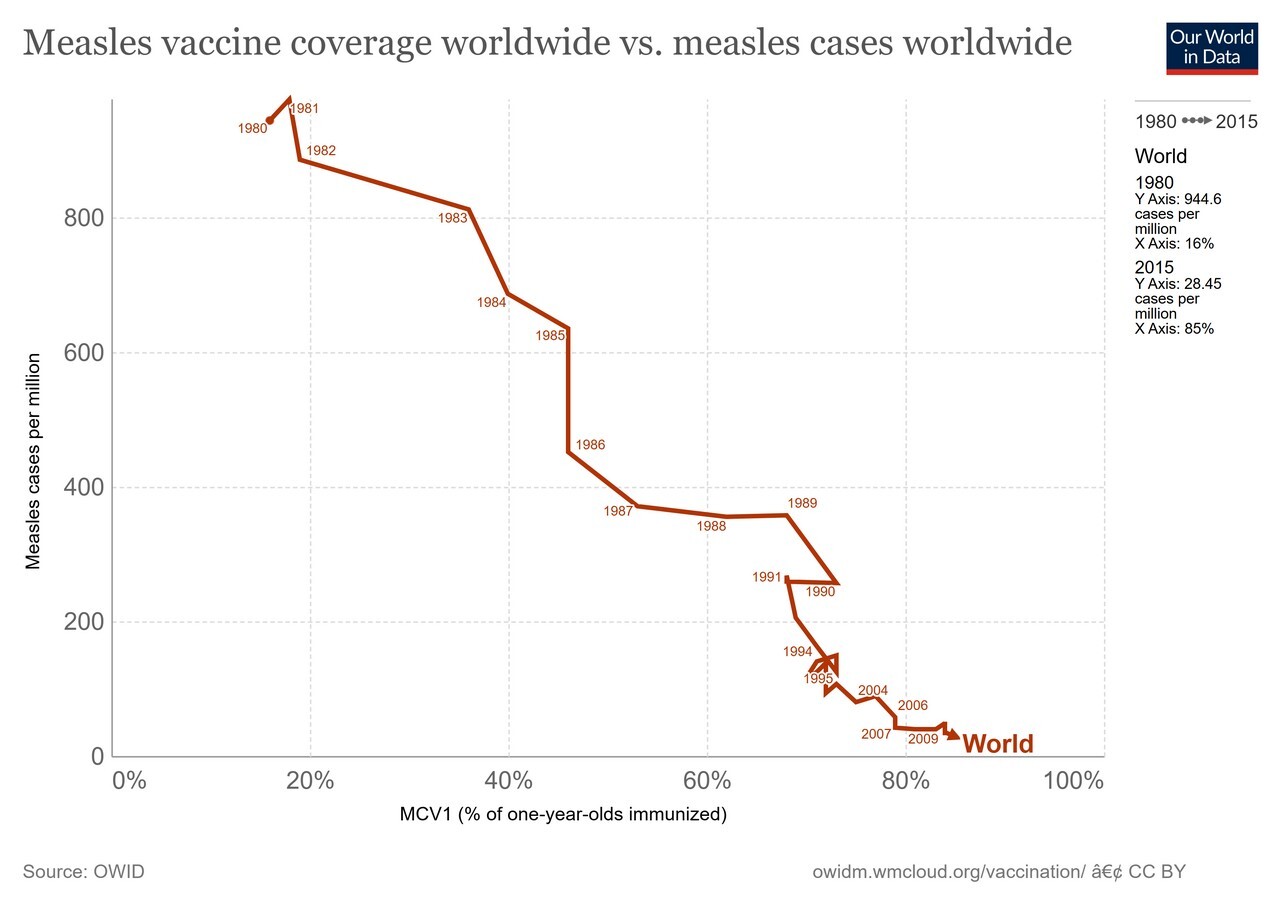
Whooping cough is in its biggest epidemic for decades. The Australian CDC counts 57,257 cases in 2024 and 82,513 across 2024 and 2025. More than half were children aged 5 to 14, and almost 26,000 cases were in NSW. Measles is still officially eliminated, but the CDC reports 181 cases in 2025, and 102 had been reported in 2026 by 24 May (against 78 at the same point in 2025). Syphilis notifications rose from 4,773 in 2015 to 8,993 in 2025, according to ABC News.
What is driving it
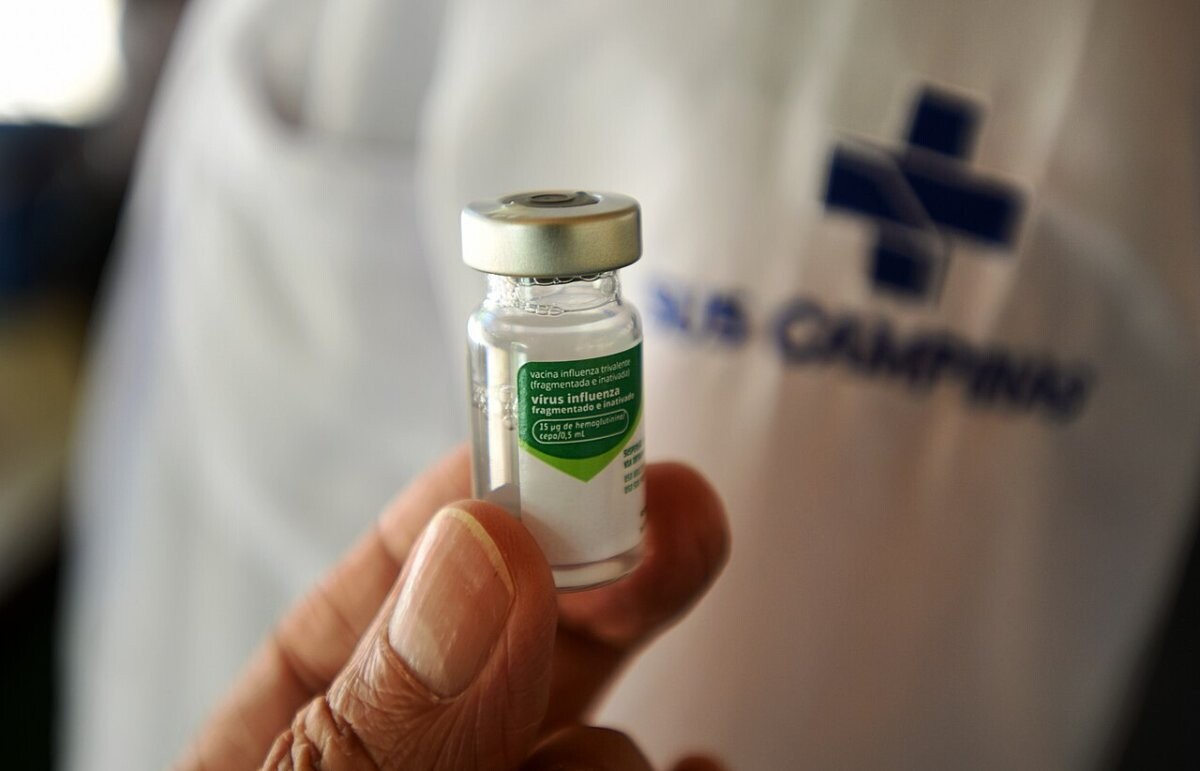
For flu, the main drivers have been a new virus and falling vaccination. A new H3N2 variant, subclade K, was first seen in Australia and New Zealand in August 2025 and kept the season going into summer. Only 25.7% of children aged six months to five years were vaccinated against flu in 2025, and 60.5% of people aged 65 and over, both lower than in recent years. The CDC says whooping cough rose because of its natural three-to-four-year cycle, immunity that fades after vaccination or infection, less exposure to infections during the pandemic, and more testing. Nearly all measles cases are caught overseas or linked to someone who was. Most are adults aged 20 to 49 who are unvaccinated or not sure of their vaccination status.
Some threats come from animals and mosquitoes. Japanese encephalitis keeps returning along the Murray River in wet summers, and NSW has expanded free vaccination for people visiting high-risk areas. H5 bird flu, the strain that has spread around the world in birds, reached Australia in June 2026. The CDC says the risk to people is low and no human infections with this strain have been reported here.
The trend, 2015–2025
| Year | Notifications | Change on year before |
|---|---|---|
| 2015 | 100,723 | – |
| 2016 | 90,813 | −9.8% |
| 2017 | 251,175 | +176.6% |
| 2018 | 58,964 | −76.5% |
| 2019 | 312,862 | +430.6% |
| 2020 | 21,878 | −93.0% |
| 2021 | 760 | −96.5% |
| 2022 | 233,346 | +30,603.4% |
| 2023 | 288,814 | +23.8% |
| 2024 | 365,923 | +26.7% |
| 2025p | 499,805 | +36.6% |
Notes: 2015–2024 are counted from NNDSS case records by week, so years may be off by a few hundred at the year boundaries. 2020–2021 were suppressed by COVID-19 measures. 2025 is preliminary (to 28 December 2025).
Source: Australian CDC, NNDSS public dataset: influenza (laboratory confirmed); Australian Respiratory Surveillance Report, 1–28 December 2025
Common questions
Are flu notifications in Australia going up or down?
In 2025 the figure was 499,805 notifications (provisional). That is 396.2% higher than in 2015 (100,723) and 36.6% up on 2024.
Which year was highest and which was lowest?
In this 2015–2025 series the highest year was 2025 (499,805) and the lowest was 2021 (760).
Was 2025 a record flu year in Australia?
Yes, on notifications: 499,805 laboratory-confirmed cases (preliminary), 37% above the same period of 2024. The figure of 410,000+ quoted during the season was a mid-season count.
Policy and budget changes
The main government measures and money figures behind this risk, newest first. Each item links to the official text we checked; where only a news report was available, the source says so.
Main policy changes
- 19 February 2026 Free RSV vaccine added for older Australians. The RSV vaccine Arexvy was added to the National Immunisation Program as a free single dose for people aged 75 and over and Aboriginal and Torres Strait Islander people aged 60 to 74. (Federal Register of Legislation (explanatory statement, F2026L00113))
- 1 January 2026 Australian Centre for Disease Control starts work. The Australian Centre for Disease Control Act 2025 came into force, creating a permanent national centre to gather and analyse public health information, advise governments and publish guidance. (Federal Register of Legislation (Act No. 61, 2025))
- 4 July 2025 Broader pneumococcal vaccine for children. Prevenar 20 was listed on the National Immunisation Program for children, and the three-dose-plus-booster schedule was extended to all Aboriginal and Torres Strait Islander children. (Federal Register of Legislation (explanatory statement, F2025L00823))
- 18 March 2020 Human biosecurity emergency declared for COVID-19. A human biosecurity emergency was declared under the Biosecurity Act 2015, giving the Health Minister emergency powers to respond to the coronavirus pandemic. (Federal Register of Legislation (F2020L00266))
- 1 January 2016 ‘No Jab, No Pay’ rules take effect. The Social Services Legislation Amendment (No Jab, No Pay) Act 2015 came into force, removing conscientious objection as an exemption so that children must be fully vaccinated for families to receive certain family and child care payments. (Federal Register of Legislation (Act No. 158, 2015))
Budget and costs
- 2026 Budget doubles resourcing for the Australian CDC. The 2026–27 Portfolio Budget Statements give the Australian Centre for Disease Control total resourcing of A$256.8 million in 2026–27, up from A$121.4 million (estimated actual) in 2025–26. (Department of Health, Disability and Ageing (Portfolio Budget Statements))
- 2025 Respiratory infections cost A$3.7 billion in health care. The AIHW estimates health system spending on lower respiratory infections, which include influenza and pneumonia, at A$3.7 billion in 2023–24. (AIHW)
Recent cases
- 28 October 2026: WA Health issues a public alert after a returned overseas traveller with confirmed measles visits Perth venues, including Joondalup Health Campus, while infectious; national flu notifications reach 245,404 for 2026 by 1 November (WA Health).
- 24 September 2026: SA Health reports three measles cases in teenagers in Adelaide, bringing the state’s total for 2026 to eight (SA Health).
- 20 June 2026: CSIRO testing confirms H5 high pathogenicity avian influenza in a brown skua found near Esperance in Western Australia, the first detection of this strain in Australia (Minister for Agriculture).
- 31 March 2026: the Australian CDC reports that almost all measles cases are caught overseas or linked to an overseas case, especially around school holidays, and urges travellers to check that they have had two doses (Australian CDC).
Our read: what the numbers add up to
Read together, these figures point to a genuine resurgence rather than a statistical blip, though it is a resurgence of several separate infections with different causes. Flu set a record in 2025, with more than 410,000 lab-confirmed cases by October and a rate 10.8% above the 2024 record. Whooping cough reached 57,257 cases in 2024, the most since 1991, and syphilis notifications nearly doubled from 4,773 in 2015 to 8,993 in 2025. Measles remains eliminated, but imported cases are climbing.
The common thread is immunity rather than a single new threat. Flu vaccination fell to 25.7% of young children and 60.5% of people aged 65 and over, while a new H3N2 variant kept the 2025 season running into summer. Whooping cough has its own three-to-four-year cycle, but the CDC also points to fading immunity and less exposure during the pandemic, which suggests the COVID years left a larger pool of susceptible people. More testing is part of the story too, and that matters: a record count is partly a record in looking. Measles shows the same gap from another angle, with most cases among adults aged 20 to 49 who are unvaccinated or unsure.
The caveats are real. The 2026 flu figures are provisional, and many people with flu are never tested, so notifications understate the true burden and can rise simply because more people are swabbed. The national system has also moved to the new Australian Centre for Disease Control since 1 January 2026, so it is worth checking that the series stays consistent. What I would watch next is whether the late 2026 flu season, at 245,404 notifications by 1 November, stays below the 2025 total, and whether H5 bird flu remains confined to animals. My bottom line: the post-pandemic rebound looks real, and falling vaccination is the part most within anyone’s control.
Press releases and official reports, 2023–2026
Up to five key releases a year for the last four years, newest first. Most come from Australian Government agencies, state and territory agencies, regulators, accident investigators and national statistics; a few news reports are included where they are the clearest public record of an event. Releases from 2007–2022 are in the expandable list after 2023.
2026
- 24 Sep 2026SA HealthMeasles outbreak 24 September 2026
- Jun 2026Minister for AgricultureH5 bird flu confirmed in Australia
- 31 Mar 2026Australian CDCTravelling? Add measles vaccination to your holiday checklist
- 17 Mar 2026NSW HealthNSW expands free access to Japanese encephalitis vaccine to people visiting high-risk areas
- Jan 2026Australian CDCA new chapter for public health: The Australian Centre for Disease Control stands up
2025
- 2 Oct 2025NSW HealthMeasles alert for Sydney’s northern beaches
- Oct 2025RACGPAustralia posts record-breaking flu numbers as vaccination rates stall
- 7 Aug 2025Department of HealthChief Medical Officer’s statement declaring syphilis a Communicable Disease Incident of National Significance
- 20 Jun 2025NSW HealthMeasles alert for Sydney
- 15 Feb 2025NSW HealthFirst Japanese encephalitis case this summer
2024
- Dec 2024WA HealthWA Health warns on whooping cough as cases rise
- 8 Nov 2024ABC NewsDoctors call for whooping cough vaccination uptake amid worst year on record for cases
- 12 Sep 2024NSW HealthCommunity urged to get vaccinated as whooping cough notifications continue to rise
- 22 Aug 2024ABC News‘Urgent’ public health concerns raised as whooping cough cases reach nine-year high
- 9 Apr 2024WA Country Health ServiceWhooping cough cases on the rise in the Goldfields
2023
- 5 Oct 2023NSW HealthMeasles alert for international flight passengers
- 27 Sep 2023ABSCOVID-19 first infectious disease in top 5 causes of death since 1970
- 25 Aug 2023ABSCOVID-19 Mortality in Australia: Deaths registered until 31 July 2023
- 4 May 2023NSW HealthFirst mpox case identified in Sydney since November
- 22 Feb 2023NSW HealthFirst Murray Valley encephalitis case of the season identified in NSW
View 20 years of major Australian infectious disease press releases (2007–2026)77 more from 2007–2022, up to five a year, newest first
2022
- 22 Dec 2022NSW HealthFirst Japanese encephalitis case this summer identified
- 30 Sep 2022ABSCOVID-19 Mortality in Australia: Deaths registered until 31 August 2022
- 21 Aug 2022NSW HealthLocal transmission of monkeypox confirmed in NSW
- 20 May 2022NSW HealthMonkeypox case confirmed in NSW
- 4 Mar 2022NSW HealthProbable cases of Japanese encephalitis in NSW
2021
- 8 Nov 2021NSW HealthCOVID-19 vaccination highly effective during Delta outbreak in NSW
- 6 Aug 2021NSW HealthRecall of imported dates linked to Hepatitis A outbreak
- 30 Jul 2021NSW HealthFighting the Delta outbreak with new restrictions for local government areas (LGAs) of concern
- 15 Jun 2021NSW HealthNSW Health investigating source of COVID-19 case
- 12 Feb 2021NSW HealthLegionnaires’ disease cases prompt reminder for cooling tower checks
2020
- 16 Dec 2020NSW HealthNSW public health alert – COVID-19 case
- 10 Jul 2020NSW HealthPublic health alert: Two COVID-19 cases linked to Crossroads Hotel Casula
- 15 Mar 2020NSW HealthFour NSW deaths from COVID-19
- 6 Mar 2020NSW Health28 COVID-19 cases confirmed in NSW
- 25 Jan 2020NSW HealthCoronavirus cases confirmed in NSW
2019
- 26 Sep 2019NSW HealthMeasles alert following third locally acquired case
- 11 Sep 2019NSW HealthEmergency departments impacted by record flu
- 17 Jun 2019NSW HealthNSW Health warns of unusual rise in viral gastroenteritis
- 20 May 2019NSW HealthFlu season starts – vaccinate now to beat the bug
- 4 Apr 2019NSW HealthFresh alert as measles cases hit 30
2018
- 21 Nov 2018NSW HealthWhooping cough alert
- 28 Sep 2018NSW HealthNSW has mildest flu season in five years
- 11 Sep 2018NSW HealthHIV cases continue to fall by about a third
- 6 Apr 2018NSW HealthHepatitis A outbreak linked to frozen pomegranate
- 2 Mar 2018NSW HealthNSW Health confirms more listeriosis outbreak cases
2017
- 16 Oct 2017NSW HealthNSW Health thanks staff as flu season declines
- 5 Sep 2017NSW HealthNSW Health investigating hepatitis A outbreak in Sydney
- 1 Sep 2017NSW HealthFlu peak has passed but season not over yet
- 5 Apr 2017NSW HealthNSW Health alert: Measles outbreak in western Sydney
- 4 Mar 2017NSW HealthHIV notifications fall to five-year low
2016
- 7 Nov 2016NSW HealthReport on Legionnaires’ disease outbreak released
- 18 Aug 2016NSW HealthMeningococcal disease warning: NSW Health
- 16 Aug 2016NSW HealthProtect vulnerable people as flu cases rise: NSW Health
- 28 Jul 2016NSW HealthNewly available hepatitis C treatments have cure rate of more than 90 per cent
- 5 Apr 2016NSW HealthNSW Health investigates new CBD Legionnaires’ disease cases
2015
- 16 Dec 2015NSW HealthMeasles alert: Two confirmed cases in Inner west and Western Sydney of highly contagious disease
- 11 Sep 2015NSW HealthNSW Health urges community to exercise caution with 15 new influenza outbreaks at aged care facilities
- 10 Apr 2015NSW HealthNSW Health to provide free whooping cough vaccinations for pregnant women in their third trimester
- 18 Mar 2015NSW HealthNSW says protect against mosquitoes after huge jump in Ross River detection
- 17 Feb 2015NSW HealthNSW Health renews warning of hepatitis A risk
2014
- 23 Dec 2014NSW HealthSummer holiday season brings Ross River and Barmah Forest virus risk
- 11 Sep 2014NSW HealthWarning about Hepatitis E cases linked with pork liver
- 1 Aug 2014NSW HealthPublic urged to help protect the elderly as flu season takes off
- 6 Mar 2014NSW HealthOngoing measles outbreak in NSW drives push for vaccination
- 29 Jan 2014NSW HealthMeasles outbreak sparks health warning for travellers to the Philippines
2013
- 29 Nov 2013NSW HealthViral infection affecting young babies circulating in NSW
- 9 Aug 2013NSW HealthFlu still in the air despite warm weather
- 11 Jul 2013NSW HealthNew strategy to control whooping cough spread in NSW
- 5 Jul 2013NSW HealthNSW Health reminds public to ‘get tested’ following increase in HIV
- 27 Mar 2013NSW HealthHealth alert on enterovirus
2012
- 20 Dec 2012NSW HealthHealth warning on mosquito viruses
- 4 Oct 2012NSW HealthSpecial clinics to combat measles epidemic
- 21 Sep 2012NSW HealthMeasles crisis worsens
- 11 Jul 2012NSW HealthPublic urged to take precautions as flu season begins early
- 22 Jun 2012NSW HealthNew strategy to control whooping cough spread in NSW
2011
- 11 Oct 2011ABC NewsNew hendra case north of Brisbane
- 23 Aug 2011ABC NewsGold Coast horse dies from hendra virus
- 26 Jul 2011ABC NewsChief vet says dog hendra case ‘unprecedented’
- 2 Jul 2011ABC NewsSecond hendra outbreak in Queensland
- 2 Jun 2011ABC NewsWhooping cough cases up in the Hunter
2010
- 23 Nov 2010ABC NewsThe fallout from a batch of flu vaccine
- 9 Nov 2010ABC NewsWhooping cough warning as cases rise
- 29 Apr 2010ABC NewsParents recount flu jab nightmare
- 27 Apr 2010ABC NewsQld Health defends handling of flu death investigation
- 26 Apr 2010ABC NewsFlu vax reactions not from single batch: WHO
2009
- 3 Sep 2009ABC NewsWhooping cough deaths spark vaccination debate
- 27 Jun 2009ABC News5th Australian dies after swine flu diagnosis
- 19 Jun 2009ABC NewsOfficials to probe first swine flu-related death
- 22 May 2009ABC NewsRoxon lifts swine flu alert to ‘contain’
- 10 Mar 2009ABC NewsWhooping cough death on NSW north coast
2008
- 25 Aug 2008ABC NewsHendra virus quarantine to be lifted from Redlands clinic
- 23 Aug 2008ABC NewsQld vets ‘very fearful’ after Hendra death
- 21 Aug 2008ABC NewsQld vet dies of Hendra virus
- 14 Aug 2008ABC NewsClinic owner backs euthanising surviving horse
2007
- 23 Aug 2007ABC Health & WellbeingA bad flu year
- 19 Jul 2007ABC NewsBoy dies after suffering from flu-like symptoms
- 7 Jul 2007ABC NewsWA Health urges against panic over flu deaths
Some early years list fewer than five items. Many older Australian government releases are no longer online at their original addresses, and we only list items we could find and check.
Photo list
How this page is built. Figures come from the official statistical releases linked above; where agencies publish provisional numbers we say so, because they are revised. Australian statistics are often published separately by each state and territory, and financial years run from July to June, so we say which area and period each figure covers. Photos are public-domain or Creative Commons images credited in each caption; file photos are illustrative and are not from the events described unless the caption says so. This page tracks trends and is not personal safety, medical, legal or financial advice.