
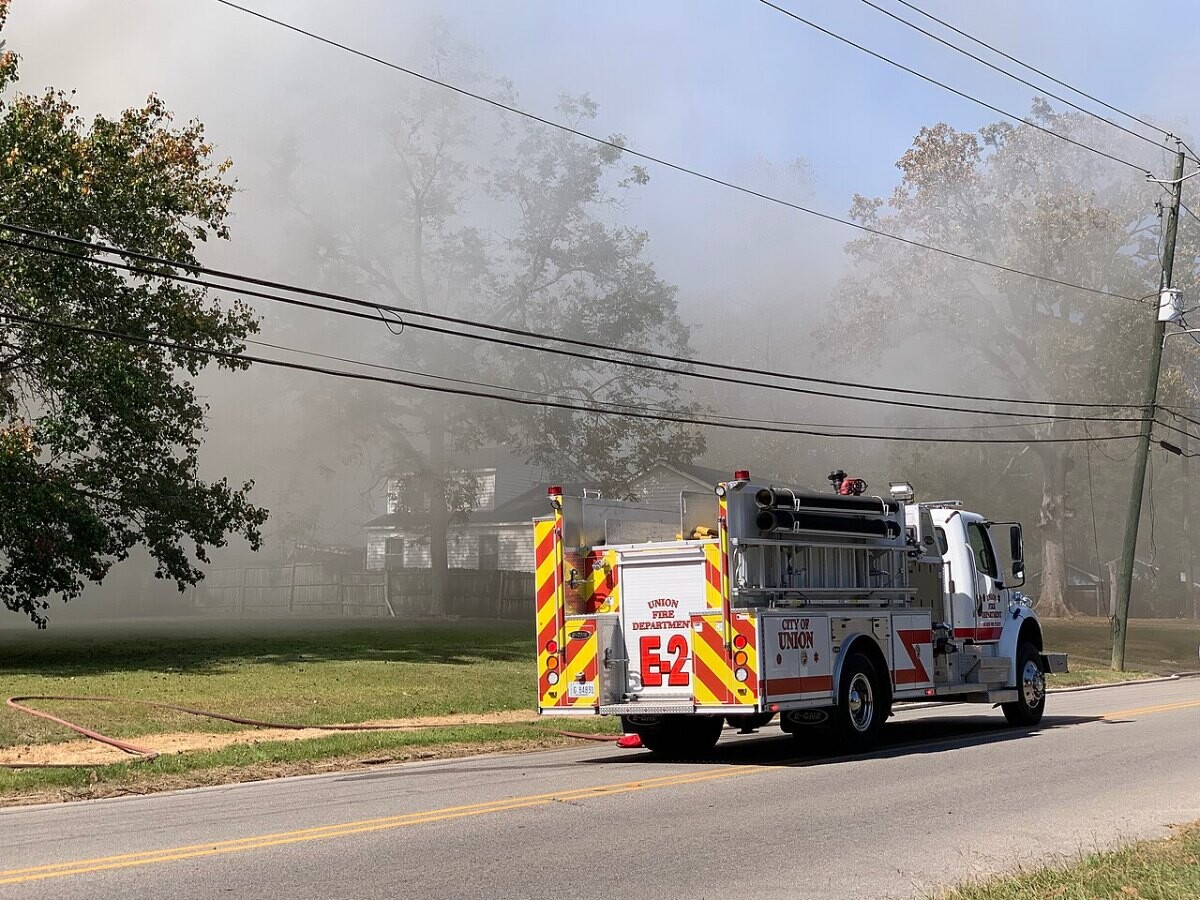
Trend summary
- The number of home fires is drifting down, but the number of people who die in them is not. That gap is the whole story.
- The US Fire Administration counts 3,920 civilian fire deaths in 2024, up from 3,670 in 2023 and 16.3% higher than in 2015.
- Residential building fires fell 6% over the ten years to 2023, while residential fire deaths rose 5% and inflation-adjusted losses rose 25%.
- Translation: each fire that does start is, on average, more dangerous and more expensive than it used to be.
What the numbers show
Two national bodies count US fires. The US Fire Administration (USFA) estimates 343,000 residential building fires in 2024. The National Fire Protection Association, using its own survey, puts home structure fires at about 329,500 that year, as summarised by the Insurance Information Institute. The two differ in definitions, not direction.
The most recent full breakdown is for 2023: 344,600 residential building fires, 2,890 deaths, 10,400 injuries and $11.27 billion in losses. Over 2014–2023, fires fell 6% and injuries fell 8%, but deaths rose 5% and losses rose 25% after inflation (USFA residential estimates).
What is driving it
Fire researchers point to three things. Modern homes are full of synthetic furnishings that burn hotter and faster, which shortens the time people have to get out. The population is older, and older adults are slower to wake and slower to escape. And fire services increasingly report a newer ignition source alongside the classic cigarette or chip pan: lithium-ion batteries in e-bikes, scooters and other charging devices.
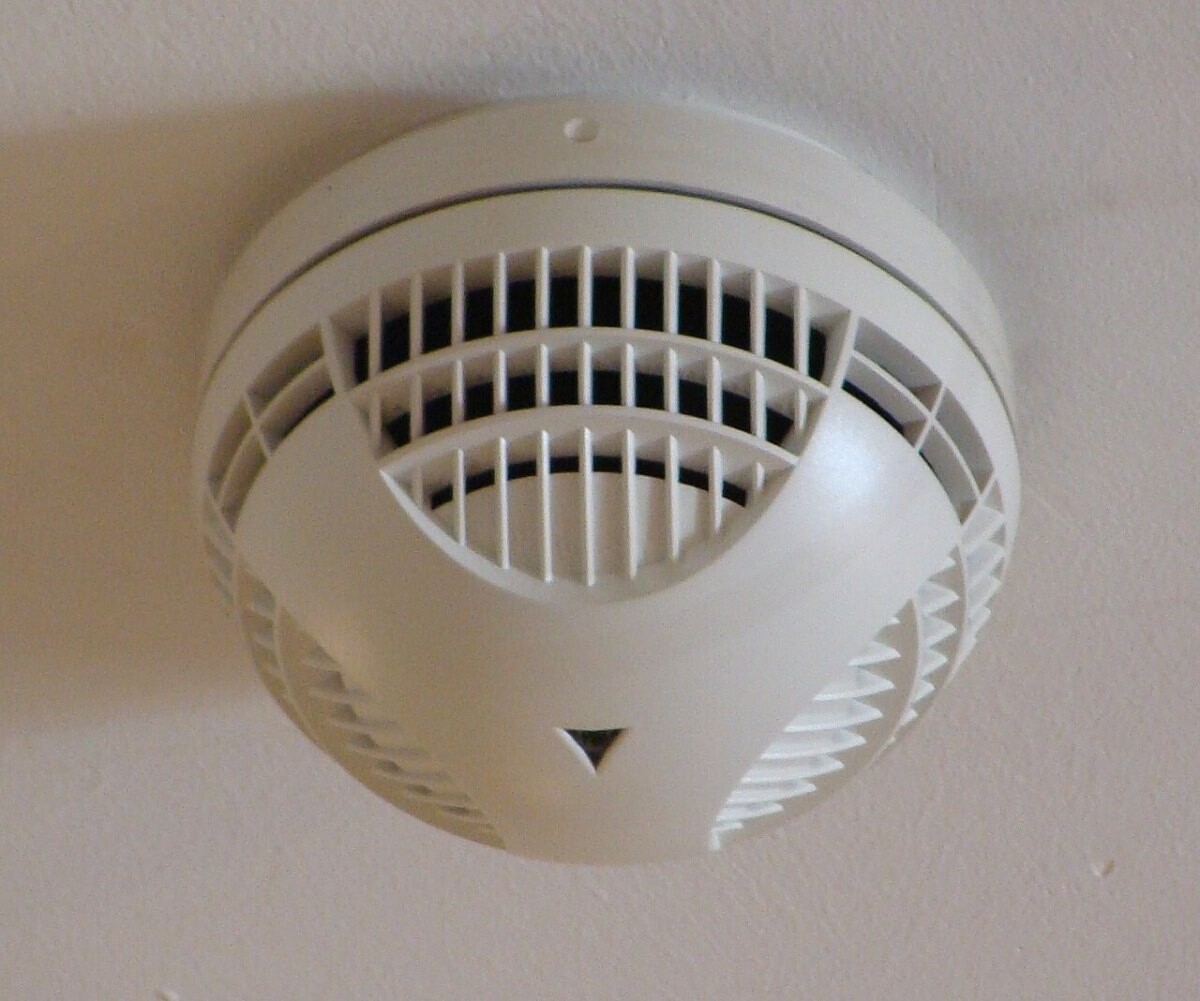
The prevention side has not changed much: a working smoke alarm on every level, a closed bedroom door at night, and an escape plan the household has actually walked through. The numbers suggest the gap is not knowledge but follow-through.
Policy and budget changes
The main government measures and money figures behind this risk, newest first. Each item links to the official text we checked; where only a news report was available, the source says so.
Main policy changes
- 24 June 2026 Safety standard proposed for e-bike and e-scooter batteries. The Consumer Product Safety Commission published a proposed rule that would require lithium-ion batteries and electrical systems in e-bikes, e-scooters and similar products to meet UL safety standards, with added tests and tamper-resistant battery enclosures. (Federal Register (CPSC proposed rule))
- 29 December 2024 Sealed or hardwired smoke alarms required in HUD-assisted homes. A requirement of the Consolidated Appropriations Act, 2023 came into force: homes assisted under HUD programmes must have smoke alarms on every level and near sleeping areas that are hardwired or sealed 10-year battery units; newer or substantially rehabilitated units need hardwired alarms. (Federal Register (HUD notice))
- 16 September 2024 Updated construction and fire-safety code for manufactured homes. HUD published a final rule, effective 17 March 2025, updating the national construction and safety standards for manufactured homes. It sets design standards for sprinkler systems where they are fitted and requires homes with open floor plans to have their required exterior doors in separate rooms. (Federal Register (HUD final rule))
- 25 June 2021 National flammability standard for upholstered furniture. A federal flammability standard for upholstered furniture came into force, adopting California’s TB 117-2013 smoulder-resistance test for furniture made, imported or reupholstered from that date, under the COVID-19 Regulatory Relief and Work From Home Safety Act. (Federal Register (CPSC direct final rule))
Budget and costs
- September 2026 FEMA fire grants: $648 million for FY2025. FEMA made US$648 million available for fiscal year 2025 across the Assistance to Firefighters, SAFER staffing and Fire Prevention and Safety grant programmes; by September 2026 it had awarded more than US$320 million to over 1,400 recipients (nominal). (FEMA (announcement, Sep 2026))
- 2023 Home fires caused $11.3 billion in losses in 2023. The US Fire Administration estimates that 344,600 residential building fires in 2023 caused US$11,266,200,000 in dollar loss; after adjusting for inflation, residential fire losses rose 25% from 2014 to 2023. (US Fire Administration (FEMA))
Recent cases
- 2024: USFA estimates 3,920 civilian fire deaths from all fires, up 250 on 2023.
- February 2026: the NFPA Journal published its research summary of US fire loss in 2024.
Our read: what the numbers add up to
The headline on this page is right: fewer fires, more deaths. Over the ten years to 2023, residential building fires fell 6% and injuries fell 8%, but deaths rose 5% and inflation-adjusted losses rose 25%. Civilian fire deaths from all fires reached 3,920 in 2024, up 250 on the year before and 16.3% above 2015. The direction is consistent enough across measures that I would read it as a genuine pattern rather than noise.
What the figures say together, though no single bullet does, is that prevention of ignition is working better than survival once a fire starts. If fewer fires start but each one is more likely to kill, the weak point has moved from the kitchen to the minutes after the alarm. The explanations on the page fit that reading closely. Synthetic furnishings burn hotter and faster, which shrinks escape time. An older population is slower to wake and slower to get out. Lithium-ion batteries add a new ignition source that can be fierce and sudden. None of these is offset by better firefighting, because the margin that matters is the household’s own head start.
The caveats: the USFA and NFPA count homes differently, the most detailed breakdown runs only to 2023, and the deaths figure of 3,920 covers all fires, not homes alone. A single year’s rise of 250 could partly reverse. What I would watch is the next USFA residential breakdown, to see whether the death trend holds once 2024 detail appears, and whether battery-related fires begin to be counted separately. The bottom line: the problem is not how often homes catch fire, but how little time people now have when they do.
Press releases and official reports, 2023–2026
Five key releases a year for the last four years, newest first. Most are from federal agencies; a few news reports are included where they are the clearest public record of an event. Releases from 2007–2022 are in the expandable list after 2023.
2026
- 27 May 2026CPSCCPSC Warns of Generator, Carbon Monoxide and Fire Hazards Ahead of Hurricane Season
- 16 Mar 2026CPSCCPSC Issues Winter Weather Safety Tips to Prevent Fires and Carbon Monoxide Poisoning
- 12 Feb 2026NFPA JournalResearch Summary: U.S. Fire Loss in 2024
- 30 Jan 2026CPSCWinter Storms Aren’t Over; CPSC Warns of Deadly Carbon Monoxide Risks and Fires During Power Outages
- 23 Jan 2026CPSCKeep Warm and Safe This Winter: Tips for Using Generators, Furnaces and Space Heaters
2025
- 16 Dec 2025FDNYThe FDNY Announces 2025 End-of-Year Accomplishments
- Aug 2025NFPAHome Structure Fires (research report, PDF)
- 12 Jun 2025NFPA (via Firehouse)“Charge into Fire Safety: Lithium-Ion Batteries in Your Home” Theme for Fire Prevention Week
- 30 Apr 2025CPSCCPSC Advances Proposed Solution to Deadly Lithium-Ion Battery Fires from E-Bikes and Similar Products
- 8 Jan 2025FDNYFDNY Commissioner Robert S. Tucker Announces Significant Progress in the Battle Against Lithium-Ion Battery Fires
2024
- 27 Nov 2024CPSCAs Winter Weather Impacts Millions This Thanksgiving, CPSC Issues Safety Tips to Help Families Prevent Carbon Monoxide Poisoning and Fires
- 19 Nov 2024CPSCHappy Holidays Start with Safety: CPSC Urges Families to Cook, Decorate and Select Toys with Care This Season
- 5 Sep 2024CPSCCPSC Urges Consumers to Not Buy or Use “Universal” Chargers with Micromobility Products Due to Fire Hazard
- Jun 2024NFPASmoke Alarms in US Home Fires (research report, PDF)
- 26 Feb 2024CPSCStay Safe, While Staying Warm This Winter; CPSC Warns Consumers to be Cautious When Using Generators, Furnaces and Space Heaters
2023
- 14 Nov 2023CPSCMake it a ‘Home Safe Home’ for the Holidays
- Sep 2023NFPAHome Cooking Fires (research report, PDF)
- 28 Jul 2023NFPA (via ANSI)NFPA Announces Fire Protection Week Theme: “Cooking Safety Starts with YOU!”
- 5 Jun 2023Bicycle RetailerFDNY: New York Fire Department links more deaths to lithium-ion battery fires
- 5 Jan 2023CPSCCPSC Warns Consumers to be Cautious When Using Space Heaters, Furnaces and Fireplaces This Winter
View 20 years of major home fire press releases (2007–2026)80 more from 2007–2022, five a year, newest first
2022
- 20 Dec 2022CPSCCPSC Calls on Manufacturers to Comply with Safety Standards for Battery-Powered Products to Reduce the Risk of Injury and Death
- 29 Nov 2022CPSCWinter is Coming, Keep Your Family Safe from Carbon Monoxide Poisoning and Fires
- 1 Nov 2022CPSCIt’s Time to Change Smoke and Carbon Monoxide Alarm Batteries as Daylight Saving Time Ends
- 11 Oct 2022CPSCE-Scooter, E-Bike and Hoverboard Injuries and Deaths Are on the Rise; Celebrate National Fire Prevention Week with the Safe Use of Micromobility Products
- Jun 2022USFAFatal Fires in Residential Buildings (2018-2020)
2021
- 14 Dec 2021CPSCSeasons Change, but Fire and Carbon Monoxide Safety Is Year-Round; Warm Up to CPSC’s Tips for Staying Safe During Colder Weather
- 18 Nov 2021CPSCMaking a List, Checking it Twice: Tips for Celebrating Safely this Holiday Season
- 4 Oct 2021CPSCLearn the Sounds of Fire Safety to Avoid Danger; African Americans Have the Highest Rate of Fire Deaths and Injuries
- 27 Jul 2021American Red CrossHome Fire Campaign Helps Save 916 Lives
- 4 May 2021American Red CrossHome Fire Responses Rise 16% in First Three Months of 2021
2020
- 19 Nov 2020CPSCTis the Season to Be Safe: Top Tips for Your Family During COVID-19
- 12 Nov 2020CPSCSound the Alarm: Pants Do Catch Fire; CPSC Urges Seniors to Stay Vigilant About Clothing Fire Safety
- 29 Oct 2020CPSCDaylight Saving Time: Save Time for Safety During the COVID-19 Pandemic
- 4 Mar 2020CPSCSpring into Action by Adding Safety to Daylight Saving Time
- 11 Feb 2020CPSCCPSC Warns Consumers Not to Charge or Use New High-Tech X1-5 Hoverboards Due to Fire Hazard
2019
- 20 Dec 2019CPSCCPSC Reminds Consumers to Warm Up to Safety this Winter!
- 20 Nov 2019CPSCHome Safe Home for the Holidays: CPSC and Interior Designer Sabrina Soto Share Holiday Safety Tips this Season
- 1 Oct 2019American Red CrossFire Prevention Week: Red Cross Says Practice Escape Plans, Test Smoke Alarms
- 21 Aug 2019American Red CrossRed Cross Home Fire Campaign Saves 627 Lives
- 14 Feb 2019CPSCCPSC Launches Landmark Smoke and Carbon Monoxide Alarm Survey Nationwide
2018
- 6 Dec 2018CPSCCPSC and NIST Team Up to Demonstrate Holiday Decorating Hazards
- Dec 2018USFAResidential Building Electrical Fires (2014-2016)
- 29 Aug 2018American Red CrossHome Fire Campaign Helps Save 464 Lives Since 2014
- 23 May 2018American Red CrossRed Cross Sound the Alarm Campaign Exceeds Goal, 103,000 Smoke Alarms Installed Across U.S.
- Apr 2018CPSCHoverboard Safety Alert
2017
- 6 Dec 2017CPSCPut Safety at the Top of Your List When Decorating this Holiday Season!
- 21 Nov 2017CPSC“Stand By Your Pan”: Thanksgiving Cooking Tips That You Can Be Thankful For
- Oct 2017USFAHeating Fires in Residential Buildings (2013-2015)
- 18 Jul 2017American Red CrossRed Cross Calls for 35,000 Volunteers Across the U.S. To Sound the Alarm
- 16 Mar 2017CPSCPress Statement from U.S. Consumer Product Safety Commission Acting Chairman Ann Marie Buerkle Regarding Hoverboards and the Harrisburg House Fire
2016
- 18 Oct 2016American Red CrossAmerican Red Cross and Kidde Join Forces to Help Protect People from Home Fires
- 3 Oct 2016American Red CrossRed Cross and Partners Installing Record 45,000 Smoke Alarms in Homes Across U.S. in October
- 3 Aug 2016American Red CrossRed Cross and Partners Save 102 Lives Across the U.S. Through Home Fire Campaign
- 6 Jul 2016CPSCSelf-Balancing Scooters/Hoverboards Recalled by 10 Firms Due to Fire Hazard
- 20 Jan 2016CPSCStatement from U.S. CPSC Chairman Elliot F. Kaye on the Safety of Hoverboards and the Status of the Investigation
2015
- 15 Dec 2015CPSCStatement from the U.S. CPSC Chairman Elliot F. Kaye on the safety of hoverboards
- Jul 2015USFACivilian Fire Fatalities in Residential Buildings (2011-2013)
- 15 Jun 2015CPSCCPSC Approves New Safety Rule for Seasonal and Decorative Lights
- Jun 2015USFAResidential Building Fires (2011–2013)
- Mar 2015USFAOne- and Two-Family Residential Building Basement Fires (2010-2012)
2014
- Dec 2014USFAHeating Fires in Residential Buildings (2010-2012)
- 25 Nov 2014CPSCStand by Your Pan: Protect Your Family from Cooking Fires and Food Poisoning this Thanksgiving Holiday
- 30 Oct 2014CPSCWhen Turning Clocks Back After Daylight Saving Time, Replace Batteries in Smoke and Carbon Monoxide Alarms
- Sep 2014USFAResidential Building Fires (2010–2012)
- 6 Mar 2014CPSCChange Batteries in Smoke and CO Alarms When Moving Clocks One Hour Forward This Weekend
2013
- 14 Nov 2013CPSC“Stand By Your Pan”: Cook Safely This Thanksgiving to Prevent Kitchen Fires
- Nov 2013USFAResidential Building Garage Fires (2009-2011)
- 31 Oct 2013CPSCCPSC Urges Consumers to Replace Batteries in Smoke and CO Alarms When Turning Clocks Back
- Aug 2013USFAFire Risk to Children in 2010
- Jan 2013USFACooking Fires in Residential Buildings (2008-2010)
2012
- 5 Dec 2012CPSCCPSC, NFPA and the Maryland State Fire Marshal Team Up to Prevent Holiday Decoration Fires and Injuries
- Oct 2012USFAIntentionally Set Fires in Residential Buildings (2008–2010)
- 9 Oct 2012CPSCKitchen Fires #1 in New Report; Smoke Alarms and Escape Plans Key to Surviving Fires in the Home. Fire Prevention Week is October 7-13
- 29 May 2012NISTNationwide Adoption of NIST-Developed Test Predicted to Cut Death Toll Due to Cigarette-Caused Fires
- Apr 2012USFAResidential Building Fires (2008–2010)
2011
- 12 Oct 2011CPSCA Fire Safe Home: CPSC and NFPA Urge Consumers to Install Smoke Alarms, Practice a Family Escape Plan
- Jun 2011USFAResidential Building Fires Involving Individuals with Mental Disabilities
- 27 May 2011CPSCCPSC Alert: Counterfeit Smoke Alarms Distributed in Atlanta
- 20 Jan 2011CPSCWinter Weather Warning: CPSC and USFA Issue Home Heating Safety Alert
- Jan 2011USFAAttic Fires in Residential Buildings
2010
- 28 Sep 2010NISTNew NIST ‘Standard Cigarette’ Available for Fire-Resistance Testing
- Jun 2010USFAOne- and Two-Family Residential Building Fires
- 28 Apr 2010NISTLandmark Residential Fire Study Shows How Crew Sizes and Arrival Times Influence Saving Lives and Property
- Feb 2010USFAWinter Residential Building Fires
- Jan 2010USFAHeating Fires in Residential Buildings
2009
- 14 Dec 2009CPSCTen Tips to Keep Your Holiday Home Fire and Injury Free: Fires Lead the List of Hazards Related to Holiday Decorating
- Dec 2009USFAIntentionally Set Fires in Residential Buildings
- Apr 2009USFAMultiple-Fatality Fires in Residential Buildings
- 6 Mar 2009CPSCReplace Smoke and CO Alarm Batteries This Sunday for Daylight Saving Time
- 28 Jan 2009CPSCCPSC Warns of Deadly Fire and Carbon Monoxide Hazards with Winter Home Heating
2008
- 16 Dec 2008CPSCCPSC Releases "Do’s and Don’ts" of Holiday Decorating
- 30 Oct 2008CPSCCPSC Urges Consumers to Replace Batteries in Smoke Alarms This Weekend
- 6 Mar 2008CPSCCPSC Daylight Saving Time Alert: Working Smoke Alarms Are Key to Surviving Home Fires
- Mar 2008USFAResidential Building Electrical Fires
- 1 Feb 2008CPSCCPSC Takes Major Step Toward Reducing Upholstered Furniture Fires
2007
- 28 Nov 2007CPSCCPSC Warns: Avoid Hazards Related to Holiday Decorating
- 2 Nov 2007CPSCWhen Changing Clocks Back to Standard Time, Check Batteries and Age of Alarms, CPSC Recommends Replacing Older Alarms
- 20 Jun 2007CPSCNew Federal Mattress Standard Expected to Save Hundreds of Lives, Prevent Thousands of Injuries
- 9 Mar 2007CPSCCPSC and USFA Encourage Consumers to Spring Forward with Fire Safety in Mind
- 29 Jan 2007CPSCWinter Storms Causing Consumers to Reach for Supplemental Heating – CPSC Warns of Deadly Fire and CO Dangers
Photo list
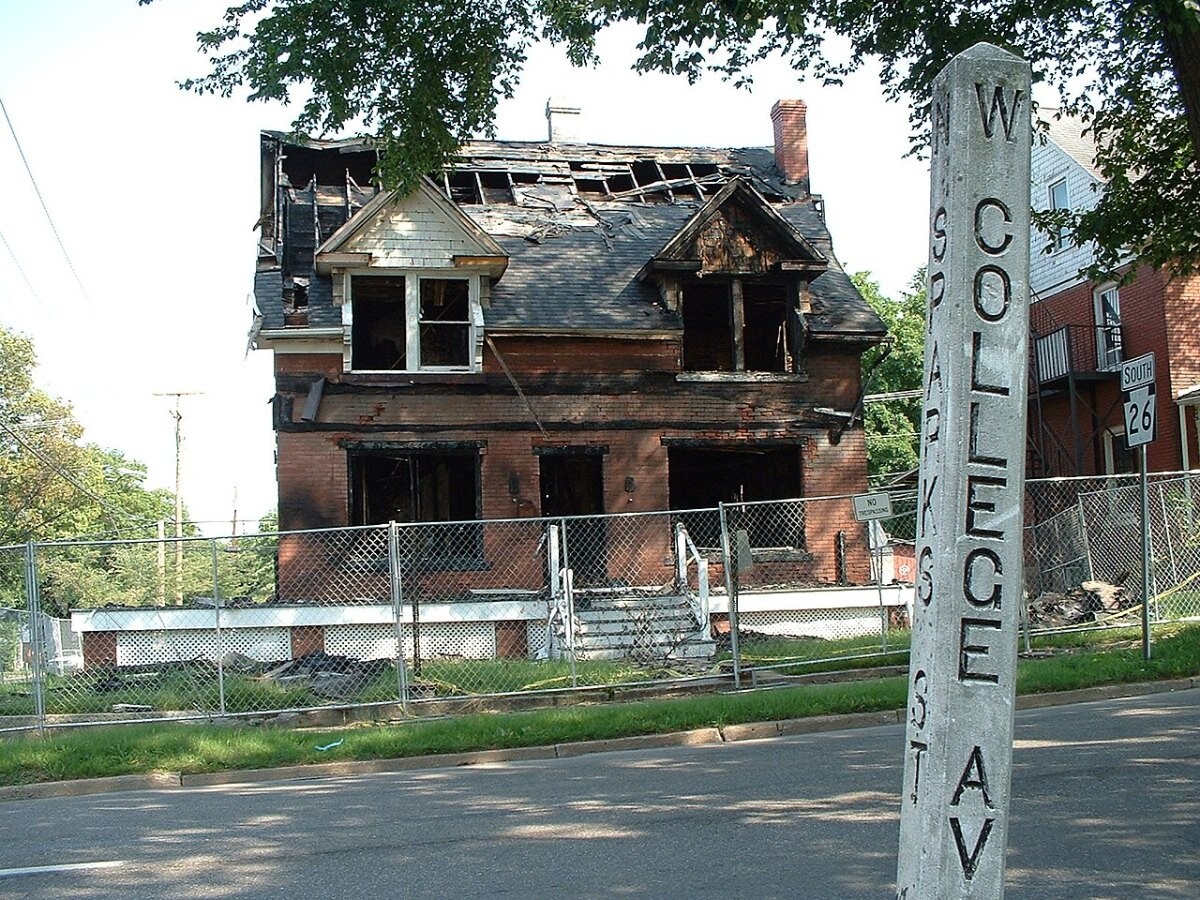
How this page is built. Figures come from the official statistical releases linked above; where agencies publish preliminary numbers we say so, because they are revised. Photos are public-domain or Creative Commons images credited in each caption; file photos are illustrative and are not from the events described unless the caption says so. This page tracks trends and is not personal safety, medical, legal or financial advice.