Zinc food sources and the dose that divides the trials
Key takeaways · 11 min read
- Adults need 11 mg a day (men) or 8 mg (women). The upper limit is 40 mg.
- The best single tablespoon — toasted wheat germ, 2.51 mg — is a quarter of a man’s daily figure. No spoonful fixes zinc.
- Three ounces of oysters carry 32 mg, 291% of a day’s intake. Shellfish and red meat are where zinc actually is.
- Phytate in grains, seeds and legumes blocks absorption; soaking, sprouting, fermenting and leavening reduce it.
In this article
Five placebo-controlled trials gave people less than 75 mg of zinc a day for a cold. Every one of them found nothing. Seven trials gave more than that, and pooled together they shortened colds by 33 per cent, with a confidence interval running from 21 to 45.
That is either the most useful fact about zinc supplements or a statistical artefact, depending on which review you read — and the most widely quoted review on the subject was withdrawn by Cochrane in 2015 after a rival researcher found errors in the arithmetic. Its replacement, published in 2024, concluded that the evidence is insufficient to recommend zinc at all.
This article covers what zinc does, which foods supply it, what a shortage looks like, and why the trial literature has been arguing with itself for forty years. The food part is the straightforward half.
What zinc does, and why a daily intake matters
Zinc is required for the catalytic activity of about a hundred enzymes, and it holds the shape of a large family of transcription factors — the proteins that switch genes on. It is involved in protein and DNA synthesis, wound healing, immune function, and the sense of taste. None of that is contested.
The part worth knowing is structural: the body has no specialised zinc storage system. There is no reservoir to draw down the way there is for iron in ferritin or calcium in bone. That is why the recommended intake is a daily figure, and why a shortfall shows up faster than for nutrients with a store behind them.
The three numbers for zinc
Institute of Medicine dietary reference intakes for adults aged 19 and over, in milligrams per day.
Source: NIH Office of Dietary Supplements, zinc fact sheet, from the Institute of Medicine DRIs. The upper level for children runs from 4 mg at 0–6 months to 34 mg at 14–18 years.
Hold on to the 40. It is the number the rest of this article keeps running into.
Three foods by the spoonful
The series convention here is to rank foods by what one level tablespoon actually delivers, using the USDA per-100-gram figures and a 15-gram spoon. For iron the table was topped by dried thyme, and for magnesium by rice bran. Zinc breaks the pattern: no spice comes near the top, and the winner is a cereal fraction most people have never bought.
Zinc in one level tablespoon (15 g)
USDA FoodData Central, SR Legacy. Per-100-gram values converted arithmetically; FDC identifiers given so the figures can be checked.
Source: USDA FoodData Central. Poppy, pumpkin and sesame are separated by less than the measurement can resolve.
The top spoonful is 2.51 mg — about a quarter of a man’s recommended intake, a third of a woman’s. Three spoonfuls of the best food on the list still leaves a man short. That is a different result from iron, where a single spoon of dried thyme covers a woman’s entire daily figure, and it is the first honest thing to say about zinc: you are not going to fix it with a condiment.
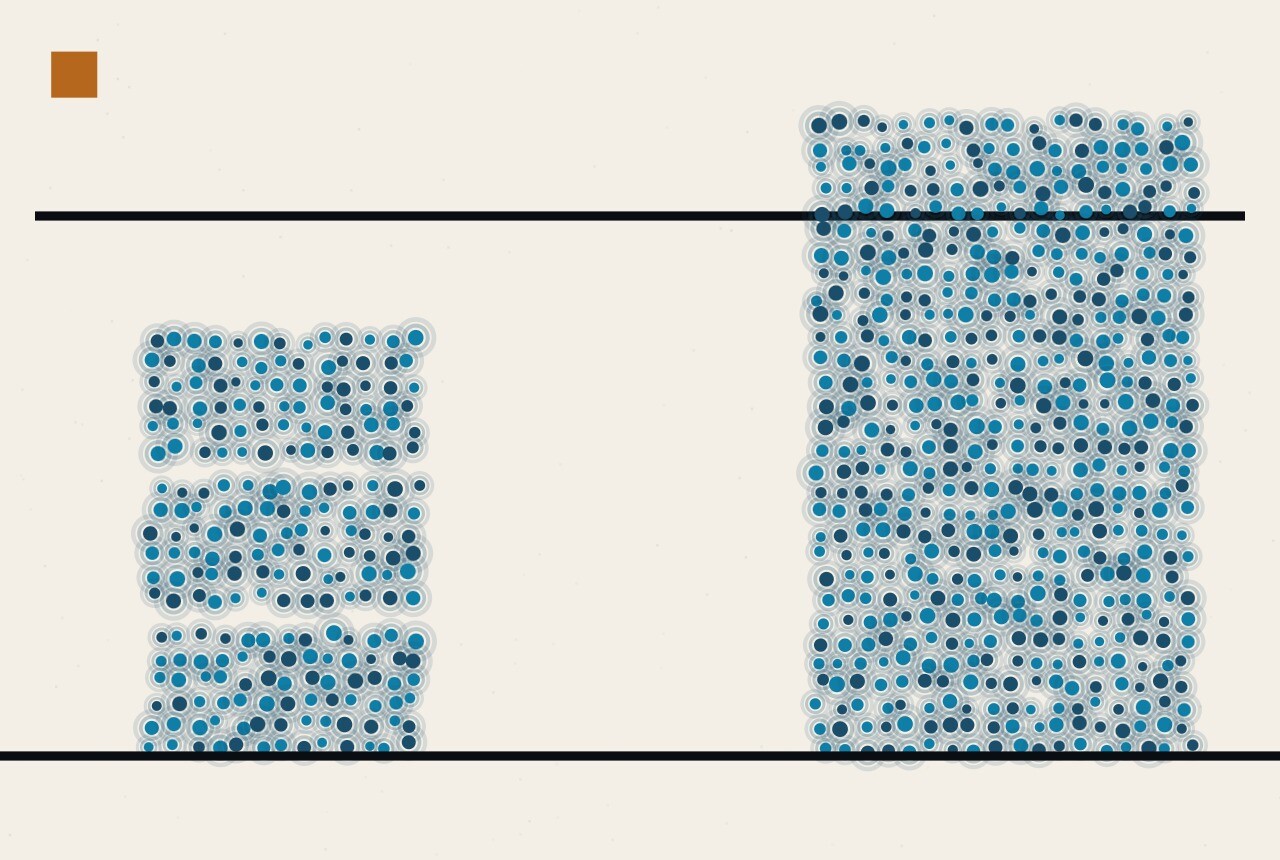
Ranked by an actual serving rather than a spoon, the table reorganises completely. Three ounces of farmed eastern oysters carry 32 mg of zinc — 291 per cent of a man’s daily figure in one portion, and eight-tenths of the upper limit in a single sitting. Nothing else in the food supply is close.
Zinc per standard serving
Milligrams per serving as listed by the NIH Office of Dietary Supplements.
Source: NIH Office of Dietary Supplements, zinc fact sheet.
There is a second reason the plant side of the table understates its difficulty. Phytate — the storage form of phosphorus in seeds and grains — binds zinc in the intestine into a complex the body cannot absorb, and it is present in exactly the foods that top the tablespoon table, and in the cereals, corn and rice that feed most of the world. The effect is large enough that soaking, sprouting, fermenting or leavening measurably improves absorption from the same food. People on vegetarian and vegan diets have lower zinc intakes and lower serum zinc, and phytate is a substantial part of why.
What a shortage looks like, and why it is hard to see
An estimated 17 per cent of the world’s population is likely to be zinc deficient. In the United States about 15 per cent of adults have intakes below the estimated average requirement. Those are two different measurements — one of status, one of intake arithmetic — and are not interchangeable.
Frank deficiency produces growth retardation and delayed sexual maturation in children, skin lesions, impaired wound healing, loss of appetite, immune dysfunction and abnormalities of taste. In low-income settings, zinc shortens diarrhoeal episodes in young children — the clearest established therapeutic use of the mineral, and unrelated to the cold literature below.
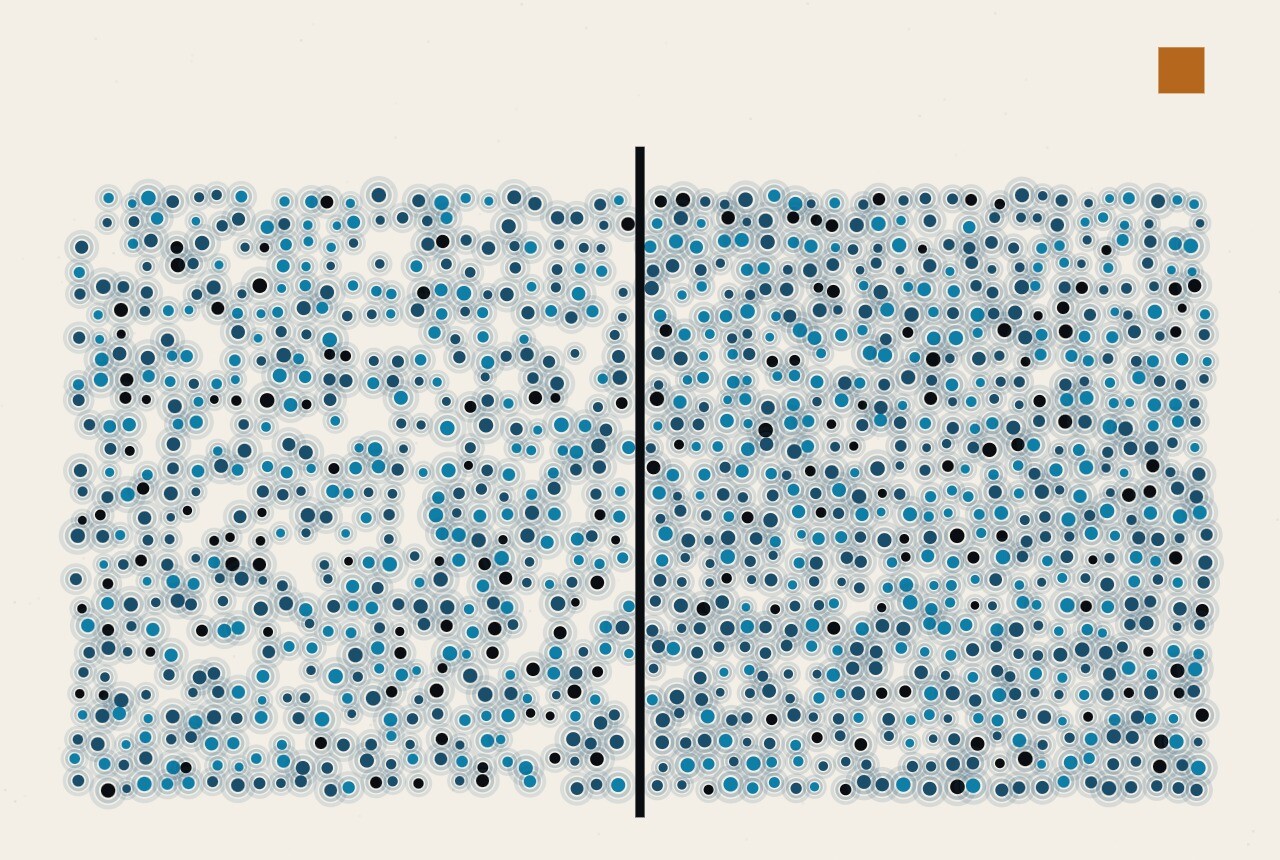
The measurement problem is real and worth stating plainly. There is no reliable single biomarker of individual zinc status. Serum or plasma zinc is the most commonly used indicator, but it falls during infection and inflammation, shifts with fasting and time of day, and does not track intake closely at the individual level. It works for comparing populations. It is a poor test for asking whether you personally are short.
The cold trials, and the dose that divides them
Interest in zinc lozenges began with an accident: a three-year-old with leukaemia let a zinc tablet dissolve in her mouth instead of swallowing it, and her cold symptoms cleared within hours. Her father ran a randomised trial. That was 1984, and the literature has been inconsistent ever since.
A 2011 systematic review found the reason for the inconsistency was arithmetic rather than biology. Of thirteen placebo-controlled comparisons of lozenges for natural colds, five used a total daily dose below 75 mg of elemental zinc — and uniformly found no effect. Three trials using zinc acetate above that threshold pooled to a 42 per cent reduction in duration.
What the dose does to the answer
Placebo-controlled trials of zinc lozenges for naturally acquired colds, by total daily dose of elemental zinc.
Five trials
No effect found
Uniformly negative
Seven trials, 575 participants
33% shorter colds
95% CI 21% to 45%
Sources: Hemilä, Open Respiratory Medicine Journal 5:51–58 (2011); Hemilä, JRSM Open 8(5) (2017). Zinc acetate 40%, zinc gluconate 28%; the difference between the salts was not statistically significant.
The 2017 update pooled seven trials with 575 participants, all above 75 mg a day, and found colds 33 per cent shorter. It also tested whether more was better and found it was not: trials using 192 to 207 mg a day produced a 35 per cent reduction against 33 per cent for those using 80 to 92 mg. Above the threshold, the extra zinc bought nothing.
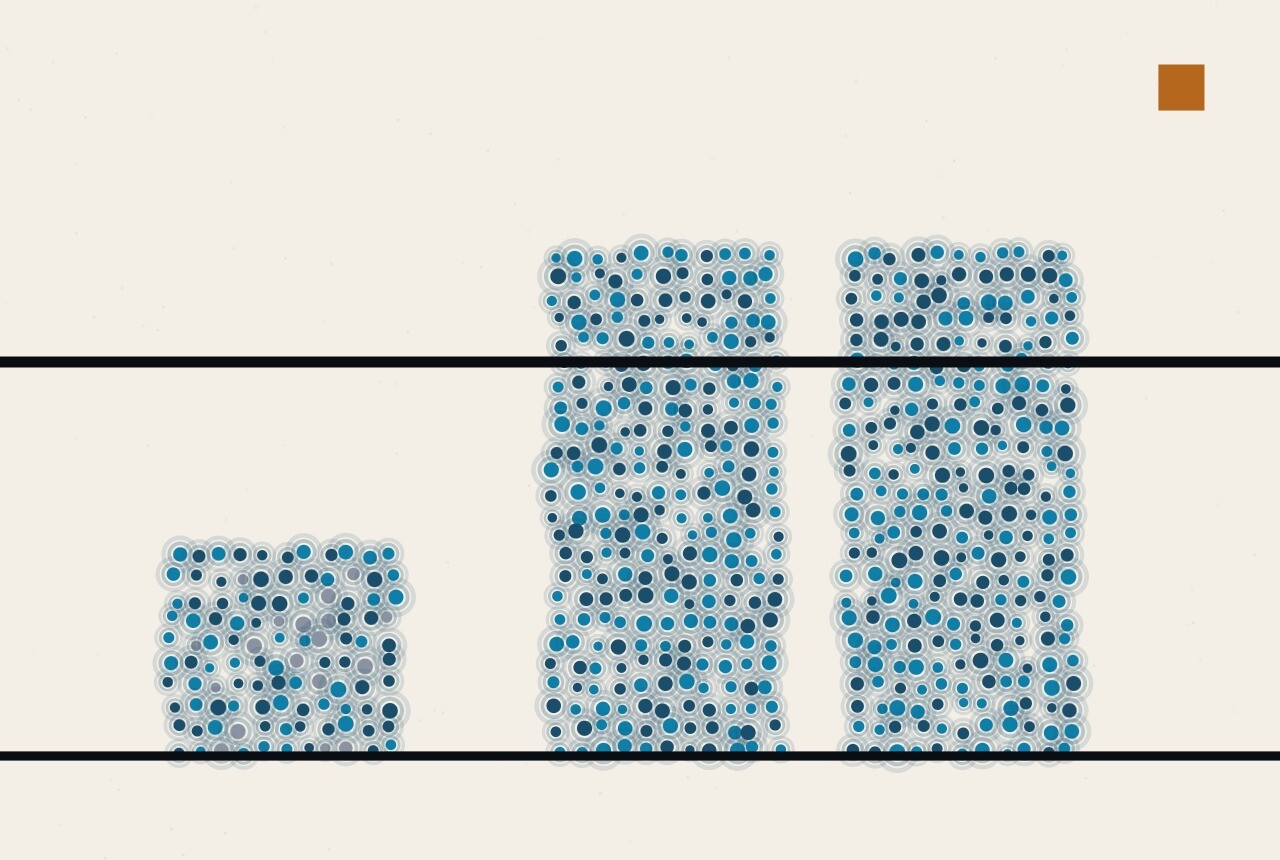
A separate meta-analysis in 2012 took a different approach — seventeen trials, 2,121 participants, pooled without stratifying by dose — and reported colds 1.65 days shorter, interval 0.81 to 2.50 days. But its heterogeneity statistic was 95 per cent, which is close to the maximum and means the trials were not measuring one underlying effect. It also found no significant effect in children at all.
The review that was withdrawn, and the one that replaced it
In 2013 Cochrane published a review concluding that zinc shortened colds. It became the standard citation. In April 2015 Cochrane withdrew it, stating that the withdrawal was “due to concerns raised via the feedback mechanism regarding the calculation and analysis of data in the review”. A summary of the same review published in JAMA was retracted the following year.
The concerns had been raised by Harri Hemilä, the author of the dose-stratified reviews above, who showed among other things that the review’s headline comparison of high-dose against low-dose lozenges was not a comparison of randomised groups at all, but of groups selected from different trials.
A new Cochrane review appeared in 2024, covering 34 studies and more than 8,000 participants. Its conclusion: “the current evidence is insufficient to provide firm conclusions or recommend zinc supplementation for the prevention or treatment of the common cold.” Within months Hemilä and a co-author published a critique arguing the new review had made its own errors of inclusion and analysis.
So the honest summary is not that zinc works, and not that it does not. It is that two competent groups looking at an overlapping set of small trials reached opposite conclusions and were still arguing about it in print in 2024. Anyone who tells you the question is settled has read one of them and not the other.
What to do about it
The food answer is uncomplicated. Zinc is concentrated in shellfish and red meat, present in useful amounts in seeds, legumes and dairy, and poorly absorbed from unprocessed whole grains. If you eat animal protein regularly you are almost certainly fine. If you do not, the practical lever is soaking, sprouting or leavening the grains and legumes rather than buying a pill.
If you are considering a supplement, the upper limit is the number to hold on to. Doses of 50 mg a day or more, taken for weeks, interfere with copper absorption, reduce immune function and lower HDL cholesterol. Excessive use of zinc-containing denture cream — 70 grams a week or more for several years — has produced neurological symptoms and anaemia. Acute overdose causes nausea, vomiting and headache.
Which sets up the uncomfortable arithmetic in this article. The lozenge dose that shortened colds is above 75 mg a day, and the upper limit for continuous intake is 40. The defence is that a course of lozenges lasts days rather than weeks, and that is probably right. But nobody has run a trial of taking them repeatedly through a winter, so nobody can tell you what that does.
One thing is not ambiguous. Zinc applied inside the nose has caused lasting loss of smell, in case series of seventeen and then twenty-five patients, and a formal causation analysis against the Bradford Hill criteria concluded the relationship was causal. Whatever you decide about lozenges, do not put zinc up your nose.
Questions people ask
Should I take zinc at the first sign of a cold?
The trials that found a benefit used lozenges dissolved in the mouth, above 75 mg of elemental zinc a day, started early. Swallowed tablets and syrups are not the same intervention. The 2024 Cochrane review says the evidence is insufficient; the dose-stratified reviews disagree. That is where the field is.
Is more zinc better?
No. Above the 75 mg threshold, doubling the dose in the lozenge trials produced no additional benefit. And continuous intake above 40 mg a day has measurable harms, starting with copper.
Should I get my zinc level tested?
Serum zinc is the usual test, but it is unreliable for an individual — it drops during any infection and varies with fasting and time of day. It is useful for studying populations. Discuss it with a doctor rather than acting on one number yourself.
Do vegetarians need more zinc?
People on vegetarian and vegan diets have lower zinc intakes and lower serum zinc, largely because phytate in grains and legumes binds it. Soaking, sprouting, fermenting and leavening all measurably improve absorption from the same foods.
What about zinc nasal sprays and gels?
Do not use them. Intranasal zinc has been linked to persistent and sometimes permanent anosmia in published case series, and the association survives a formal causation assessment.
The short version
- Adults need 11 mg a day (men) or 8 mg (women). The upper limit is 40 mg.
- The best single tablespoon — toasted wheat germ, 2.51 mg — is a quarter of a man’s daily figure. No spoonful fixes zinc.
- Three ounces of oysters carry 32 mg, 291% of a day’s intake. Shellfish and red meat are where zinc actually is.
- Phytate in grains, seeds and legumes blocks absorption; soaking, sprouting, fermenting and leavening reduce it.
- Below 75 mg a day five cold trials found nothing; above it seven found colds 33% shorter — but a 2012 pooling had 95% heterogeneity and no effect in children.
- The 2013 Cochrane review was withdrawn over its arithmetic; the 2024 replacement says the evidence is insufficient; the dose-stratified reviewers dispute that.
- Zinc in the nose has caused lasting loss of smell. Do not use nasal zinc.
This is a summary of published research, not medical advice and not a diagnostic tool. Zinc interacts with several medications, including some antibiotics and diuretics, and supplement doses above the upper limit can cause harm. If you think you may be deficient, or you are considering a supplement, talk to a doctor or a registered dietitian rather than treating yourself on the strength of an article.
Further reading: Hemilä, JRSM Open 8(5) (2017), for the dose-stratified meta-analysis the headline number comes from. Science et al., CMAJ 184(10):E551–E561 (2012), for the pooled estimate and its 95% heterogeneity. Nault et al., Cochrane Database of Systematic Reviews CD014914 (2024), for the current Cochrane position — and Hemilä and Chalker, Frontiers in Medicine 11:1470004 (2024), for the objection to it.
- Ultra-Processed People, Chris van Tulleken (2023). On what happens to food between the field and the packet, which is the background to why fortification and phytate both matter. Polemical, and says so.
- Slow Cooked, Marion Nestle (2023). A memoir of forty years inside nutrition science, including who paid for which study. Partisan about industry funding, which is the point of reading it.
- Calling Bullshit, Carl Bergstrom and Jevin West (2020). The best short guide to why a pooled estimate with 95% heterogeneity is not one finding — the specific error this article turns on.
Sources
NIH Office of Dietary Supplements, zinc fact sheet for health professionals: intakes of 11 mg for men and 8 mg for women, upper limit 40 mg, the serving-size table, the absence of a specialised storage system, phytate, the copper interaction at 50 mg and above, the denture-cream cases, and the estimates that about 17% of the world’s population is likely deficient and about 15% of US adults fall below the estimated average requirement. — USDA FoodData Central, SR Legacy, nutrient 309, for the per-100-gram values behind the tablespoon table; FDC identifiers are printed in the figure. — Hemilä H. Open Respiratory Medicine Journal 5:51–58 (2011). — Hemilä H. JRSM Open 8(5) (2017). — Science M, Johnstone J, Roth DE, Guyatt G, Loeb M. CMAJ 184(10):E551–E561 (2012). — Cochrane withdrawal notice for “Zinc for the common cold” (CD001364), April 2015. — Nault D, Machingo TA, Shipper AG, et al. Cochrane Database of Systematic Reviews CD014914 (2024). — Hemilä H, Chalker E. Frontiers in Medicine 11:1470004 (2024). — Lönnerdal B. Journal of Nutrition 130(5S):1378S–1383S (2000). — Alexander TH, Davidson TM. Laryngoscope (2006); Davidson TM, Smith WM. Archives of Otolaryngology (2010).