
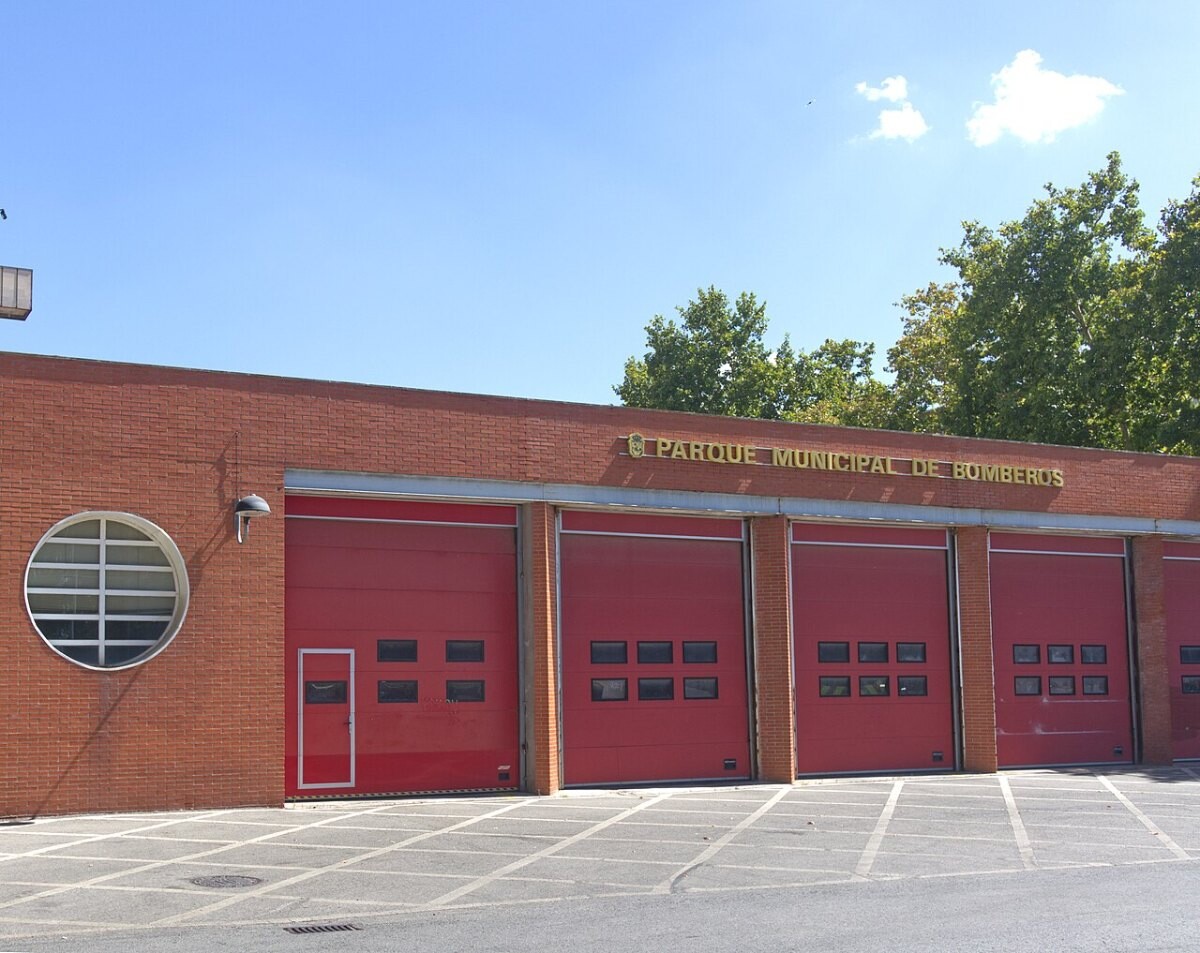
Trend summary
- Fires, explosions, leaks and spills, which CENAPRED groups as chemical-technological disasters, killed 88 people in Mexico in 2022, 18% of all disaster deaths, and caused about MX$1.07 billion in damage and losses.
- The deadliest events are rare but large: 49 children died in the ABC daycare fire in Hermosillo in 2009, 37 people in the Pemex office tower blast in 2013, and at least 133 in the Tlahuelilpan pipeline explosion in 2019.
- Two patterns repeat. Fuel theft from pipelines lies behind the San Martín Texmelucan (2010) and Tlahuelilpan (2019) blasts, and fireworks have exploded again and again in Tultepec, State of Mexico.
- Most deaths in building fires come from smoke, not flames. The 2023 Ciudad Juárez migrant detention centre fire killed 40 men, and the November 2025 Waldo’s store fire in Hermosillo killed at least 23, most from toxic gases.
What the numbers show
Mexico has no single annual count of deaths in non-home building and industrial fires. The closest national series is CENAPRED’s yearly report on the impact of disasters, which puts fires, explosions, leaks and spills under chemical-technological events. In 2022 these caused 88 deaths, 18% of the 496 disaster deaths that year, with MX$1.07 billion (MX$1,067.16 million) in damage and losses, 137 damaged homes and 19,692 people affected (CENAPRED, 2022 summary). In 2020 the category caused 80 deaths, about 20% of 399 disaster deaths, with damage of roughly MX$567 million, 257 damaged homes and 14,357 people affected (CENAPRED, 2020 report). CENAPRED’s chemical category also includes forest fires, so it is a rough guide rather than a building-fire count.
Single events dominate the record. The ABC daycare fire in Hermosillo, Sonora, on 5 June 2009 killed 49 children; it started in a state government warehouse in the same building (La Jornada, Excélsior). The Casino Royale arson attack in Monterrey on 25 August 2011 killed 52 people, all from toxic smoke, with emergency exits found locked. On 31 January 2013 a gas build-up in the basement of Pemex’s B2 building in Mexico City exploded, killing 37 and injuring 101 (Forbes México). At the San Pablito fireworks market in Tultepec, 32 were dead and more than 50 injured two days after the blast of 20 December 2016 (La Jornada); final tolls were higher. On 18 January 2019 a tapped pipeline in Tlahuelilpan, Hidalgo, exploded as crowds collected fuel; the Hidalgo government counted 133 dead by late February (adn40). The fire at the National Migration Institute (INM) station in Ciudad Juárez on 27 March 2023 killed 40 of the 67 men held there and injured 27 (CNDH). Offshore, Pemex has had repeated platform fires, including Akal-B in April 2024, which killed one worker and injured 13 (Expansión).
What is driving it
Fuel theft is a uniquely Mexican driver. Thieves drill illegal taps into Pemex pipelines, and leaking fuel draws crowds. The San Martín Texmelucan blast of 19 December 2010, which killed at least 11 at first count, began at an illegal tap (El Universal), and Tlahuelilpan in 2019 followed the same pattern (Cunningham, NACLA Report on the Americas, 2019). The attorney general’s early hypothesis was that sparks from people moving through fuel vapour, perhaps from synthetic clothing, set it off (Animal Político). In buildings, the recurring faults are flammable goods stored next to occupied rooms, too few exits and locked doors. A burn-centre study of the ABC fire found the daycare “had many fire safety breaches that contributed to the severity of the tragedy”; 29 children died at the scene (Greenhalgh et al., Journal of Burn Care and Research, 2012).
The rules have tightened after each disaster. NOM-002-STPS-2010, published on 9 December 2010, makes every workplace classify its fire risk as ordinary or high, hold at least one fire drill a year (two at high-risk sites), inspect extinguishers monthly and, at high-risk sites, keep a fire brigade (DOF, Ministry of Economy). The childcare law of 24 October 2011, known as the “5 June Law” after the ABC fire, requires an internal civil protection programme, drills at least every two months, smoke detectors and no risky establishments within 50 metres (Chamber of Deputies). The General Civil Protection Law of 6 June 2012 requires public, private and social buildings to have an internal civil protection programme (Chamber of Deputies). Enforcement remains the weak point: in 2016 a judge sentenced 21 people over the ABC fire (Excélsior), but three years after Ciudad Juárez no one had a final sentence (Vanguardia).
Recent cases
- 27 March 2026: On the third anniversary of the Ciudad Juárez migrant centre fire, which killed 40, rights groups said criminal cases against INM officials, guards and others were still open with no final rulings (Vanguardia).
- 26 January 2026: A judge in Sonora sent six people to trial over the Waldo’s store fire in Hermosillo, on charges including negligent homicide and failure to comply with a legal duty; prosecutors had charged eight people and the company (N+; Expansión).
- 1 November 2025: A fire at a Waldo’s discount store in central Hermosillo killed at least 23 people, six of them minors. The state prosecutor said most died from inhaling toxic gases and that the first hypothesis was an accident involving a transformer inside the store (Zeta Tijuana).
Press releases and official reports, 2023–2026
Up to five key releases a year for the last four years, newest first. Most come from national bodies such as INEGI, the Ministry of Health, CENAPRED, the National Seismological Service, CONAFOR, the Navy, CONDUSEF and the Official Gazette, from Congress, from international agencies such as PAHO and WHO, and from research journals. Key events, especially in earlier years where official archives are missing, come from Mexican news outlets such as La Jornada, El Universal, Excélsior, El Financiero, Animal Político and Mexico News Daily. Headlines are our English translations of the Spanish originals. Releases from 2007–2022 are in the expandable list after 2023.
2026
- 22 Apr 2026N+Fires mark La Merced, one of Mexico City's largest commercial areas
- 27 Mar 2026VanguardiaThree years and no justice: NGOs denounce impunity over the fire at the INM in Juárez that killed 40
- 26 Jan 2026N+Six people sent to trial over the fire at the Waldo's store in Hermosillo
- 14 Jan 2026ExpansiónEight people charged after the Waldo's fire in Hermosillo
2025
- 24 Dec 2025UnoTVManager and officials arrested over fire at Waldo's store in Hermosillo
- 2 Nov 2025Zeta TijuanaMost of the 23 killed in the Waldo's fire in Hermosillo died from inhaling smoke: prosecutor
- 11 Jun 2025UnoTVTultepec, between lights and tragedy: the explosions that marked its history
- 27 Mar 2025N+Two years since the fire at the INM station that killed 40 migrants
2024
- 17 Sep 2024INEGIStatistics for National Civil Protection Day (19 September)
- 7 Apr 2024ExpansiónFire on Pemex's Akal Bravo platform leaves one dead and 13 injured
2023
- 14 Sep 2023INEGIStatistics for National Civil Protection Day (19 September)
- 7 Jul 2023Tribuna CampecheFire on the Nohoch Alfa platform has left five injured
- 2 Jul 2023National Human Rights Commission (CNDH)CNDH issues recommendation to SEGOB, SRE and INM (Recommendation 111VG/2023 on the Ciudad Juárez migration station)
- Jun 2023CENAPREDSocio-economic impact of the main disasters in Mexico: executive summary 2022
- 28 Mar 2023ExpansiónFire at a migrant centre in Ciudad Juárez leaves at least 39 dead
View 20 years of major Mexican building fire press releases (2007–2026)34 more from 2007–2022, up to five a year, newest first
2022
- 15 Sep 2022INEGIStatistics for National Civil Protection Day (19 September)
2021
- 10 Jan 2021La JornadaFire at control centre leaves one dead and the Metro without service
- 10 Jan 2021La Jornada"The fire-suppression system did not work" where the Metro's nerve centre was
2020
- 22 Jan 2020La JornadaOmar García: no extortion complaint is linked to the market fires
2019
- 25 Dec 2019La Opinión (EFE)Fire at a Mexico City market leaves two dead and extensive damage
- 29 Aug 2019La JornadaDeath toll from the attack on El Caballo Blanco bar reaches 28
- 26 Feb 2019adn40Tlahuelilpan death toll reaches 133
- Jan 2019Animal PolíticoHigh octane and people's synthetic clothing may have caused the pipeline explosion in Tlahuelilpan
2018
- 6 Jul 2018La Opinión (BBC Mundo)24 people die in explosions at a fireworks workshop in Mexico
2017
- 24 Aug 2017ExcélsiorMass to remember those killed in the Casino Royale fire
- 16 Aug 2017La JornadaFireworks depot explodes in Tultepec; two dead and one injured
2016
- 22 Dec 2016La JornadaTultepec: tragedy and responsibilities (editorial)
- 21 Dec 2016La JornadaNine years later, corruption explodes
- 20 Dec 2016Zeta TijuanaState of Mexico prosecutor confirms 26 dead in Tultepec; Eruviel Ávila speaks of a "crime"
- 15 May 2016Excélsior29-year prison sentence in the ABC case
2015
- 30 Jan 2015La JornadaGas tanker blast leaves three dead and 72 injured, 14 seriously
- 30 Jan 2015La JornadaPGJDF opens investigation for negligent homicide and injury
2014
- 3 Sep 2014Animal PolíticoThe cause of the ABC daycare fire: expert reports, testimony and legal implications
- 30 Jan 2014Forbes MéxicoOne year on from the explosion at the Pemex tower
2013
- 28 Feb 2013La JornadaFire sweeps 8,000 m2 of La Merced market
- 6 Feb 2013La Opinión (EFE)Pemex resumes work
- 6 Feb 2013La JornadaPGR investigates whether negligence allowed the gas to accumulate
- 2 Feb 2013La JornadaPeña declares three days of national mourning
2012
- 25 Aug 2012ExpansiónNuevo León commemorates the victims of the Royale, a case with no one sentenced
- 6 Jun 2012Official Gazette (DOF)General Law on Civil Protection (consolidated text, Chamber of Deputies)
2011
- 24 Oct 2011Official Gazette (DOF)General Law on Childcare, Care and Integral Child Development Services (consolidated text, Chamber of Deputies)
- 26 Aug 2011La JornadaAt least 53 dead in attack on Monterrey casino
- 26 Aug 2011ExpansiónCasino Royale was operating illegally
2010
- 19 Dec 2010El UniversalPemex explosion leaves eleven dead
- 9 Dec 2010Official Gazette (DOF)Official Mexican Standard NOM-002-STPS-2010, Safety conditions: fire prevention and protection in workplaces
- 16 Jun 2010La JornadaSupreme Court refuses to assign responsibility in the ABC case; "it keeps stumbling," says a justice
2009
- 7 Aug 2009La JornadaSupreme Court commission will investigate the ABC case
- 7 Aug 2009La JornadaSonora judge orders four owners of the ABC daycare to stand trial
- 6 Jun 2009La JornadaFire kills at least 31 children in Hermosillo
Many years list fewer than five items, and some have none yet. Several official archives (parts of gob.mx, the Official Gazette and older agency pages) could not be opened when we compiled this list, and we only list items we could open and check. We are still adding to these lists. Where a page shows no date, the date comes from the publisher’s own index; annual reports with no printed date are listed under the year they were released.
Photo list
How this page is built. Figures come from the official statistical releases and research linked above; where agencies publish provisional numbers we say so, because they are revised. National death data come from INEGI’s death registrations, which are finalised the year after; preliminary figures are labelled. Some figures come from news reports quoting officials, and we name the outlet. Money is given in Mexican pesos (MX$). Headlines and quotes are our translations from Spanish. Photos are public-domain or Creative Commons images credited in each caption; file photos are illustrative and are not from the events described unless the caption says so. This page tracks trends and is not personal safety, medical, legal or financial advice.