
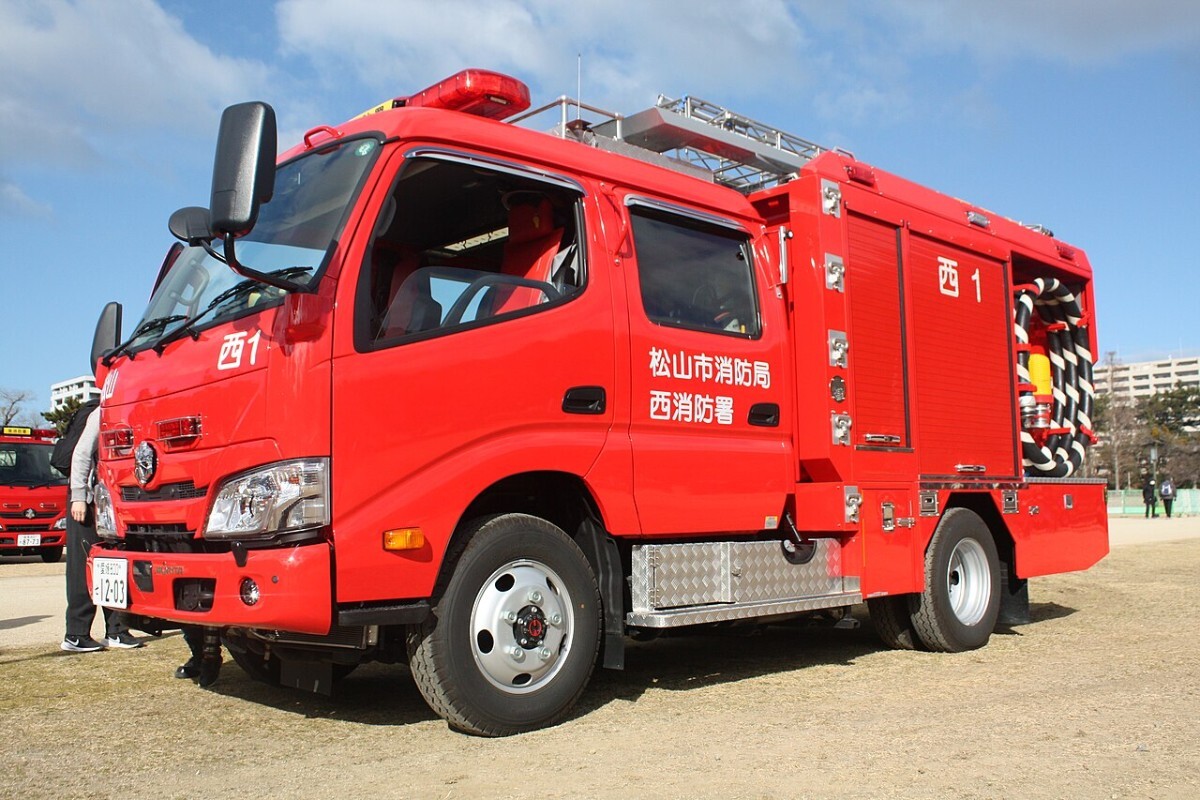
Trend summary
- Deaths in Japanese home fires dipped in 2025, but they remain higher than ten years ago, three in four victims are aged 65 or over, and fires started by lithium-ion batteries have more than doubled since 2022.
- Provisional figures from the Fire and Disaster Management Agency (FDMA) show 970 deaths in home fires in 2025, excluding arson suicides, down from 1,030 in 2024 but up from 914 in 2015.
- Of those 970 victims, 730 (75.3%) were aged 65 or over; in 2015 the share was 66.8%.
- Fire services recorded 1,297 fires started by lithium-ion batteries in 2025, up from 601 in 2022, with mobile power banks the biggest single source.
What the numbers show
Japan’s national fire figures come from the FDMA (総務省消防庁, the fire agency of the Ministry of Internal Affairs and Communications), which publishes provisional figures (概数) each spring and final figures each autumn for the calendar year. Its provisional 2025 overview (in Japanese) counts 11,929 residential fires (住宅火災, covering detached houses, flats and homes combined with shops), 0.8% more than in 2024. Homes accounted for 53.4% of building fires but 86.9% of building fire deaths. Excluding arson suicides and their victims, 970 people died in home fires, 5.8% fewer than the 1,030 in the final 2024 count; 403 of them died because they could not escape in time. Provisional figures are usually revised when the final report appears in the autumn.
The longer trend is less encouraging. The FDMA’s final figures for 2024 (in Japanese) show home fire deaths rising from 914 in 2015 to 1,030 in 2024, while the share of victims aged 65 or over grew from 66.8% to 75.6%. Where a cause was identified, tobacco was the leading cause of fatal home fires in 2024 (147 deaths, 14.3%), followed by stoves and heaters (111 deaths, 10.8%); the cause of almost 45% of deaths could not be determined. Across all building fires in 2025, cooking stoves (こんろ) were the most common cause, at 2,779 fires (12.4%).
What is driving it
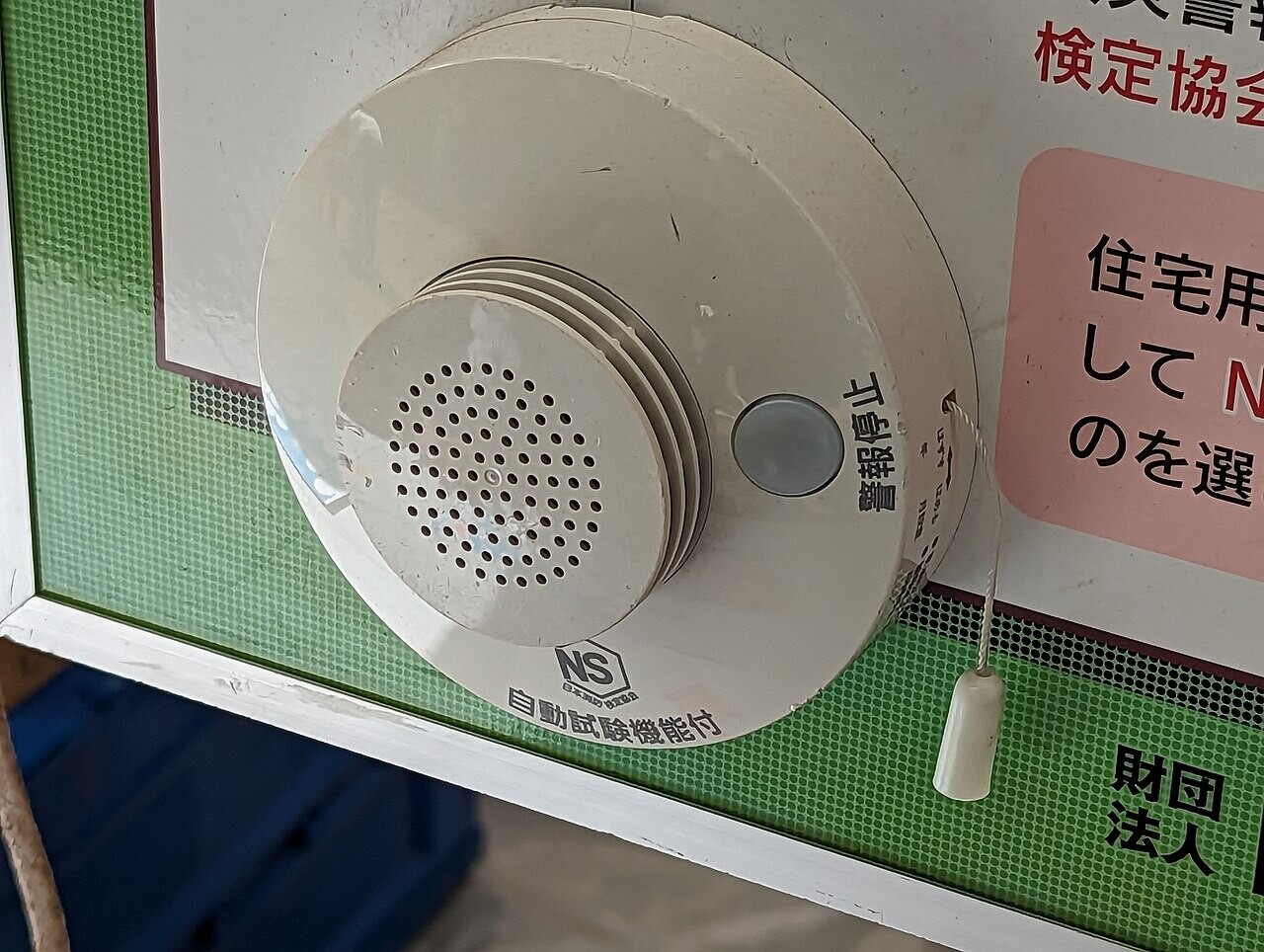
An ageing population is the main driver. Three in four people who die in home fires are aged 65 or over, and “failing to escape in time” is the most common circumstance recorded, which is why the FDMA set up a working group on home fire safety for older people (in Japanese). Residential fire alarms (住宅用火災警報器) have been required in all homes since June 2011, and the FDMA’s June 2026 survey (in Japanese) found 85.5% of households had at least one, up from 35.6% in June 2008. But only 66.8% met the full requirements of local fire ordinances, 4.3% of the alarms tested had a flat battery or fault, and about 35.1% were more than ten years old, the age at which the FDMA recommends replacement.
The newer factor is lithium-ion batteries. The FDMA’s survey for 2025 (in Japanese) counted 1,297 fires started by batteries or battery-powered products, compared with 601 in 2022. Mobile power banks caused 482 of them, about 70% more than the 290 in 2024, and knocks and use in high temperatures were among the most common identified causes. In June 2026 five government bodies, including the FDMA, the Consumer Affairs Agency and the Ministry of Economy, Trade and Industry, launched a joint portal on lithium-ion battery safety (in Japanese), and the product safety agency NITE (National Institute of Technology and Evaluation) repeats its warnings every summer.
The trend, 2015–2025
| Year | Deaths | Change on year before |
|---|---|---|
| 2015 | 914 | – |
| 2016 | 885 | −3.2% |
| 2017 | 889 | +0.5% |
| 2018 | 946 | +6.4% |
| 2019 | 899 | −5.0% |
| 2020 | 899 | 0.0% |
| 2021 | 966 | +7.5% |
| 2022 | 972 | +0.6% |
| 2023 | 1,023 | +5.2% |
| 2024 | 1,030 | +0.7% |
| 2025p | 970 | −5.8% |
Notes: Fire deaths include people who die within 48 hours. 2025 is provisional; the final figure is due around November 2026.
Source: FDMA, White Paper on Fire Service (2016–2025 editions) and 2025 provisional fire release
Common questions
Are home fire deaths in Japan going up or down?
In 2025 the figure was 970 deaths (provisional). That is 6.1% higher than in 2015 (914) and 5.8% down on 2024.
Which year was highest and which was lowest?
In this 2015–2025 series the highest year was 2024 (1,030) and the lowest was 2016 (885).
How are home fire deaths counted in Japan?
The Fire and Disaster Management Agency counts people who die within 48 hours of a residential fire and leaves out arson-suicides. Deaths passed 1,000 in 2023 and 2024 before easing to 970 in 2025 (provisional).
Policy and budget changes
The main government measures and money figures behind this risk, newest first. Each item links to the official text we checked; where only a news report was available, the source says so.
Main policy changes
- 18 June 2026 Government launches joint lithium-ion battery safety portal. The Consumer Affairs Agency, the Fire and Disaster Management Agency (FDMA), the Ministry of Economy, Trade and Industry (METI), the Ministry of Land, Infrastructure, Transport and Tourism and the Ministry of the Environment opened a single portal on preventing battery fires and disposing of batteries safely, built around three rules for buying, using and throwing away. (Ministry of the Environment)
- April 2026 Recycling rules extended to mobile power banks. The amended Act on the Promotion of Effective Utilization of Resources (2025 amendment) came into force in April 2026, bringing products such as mobile power banks, mobile phones and heated tobacco devices under recycling and collection standards for makers. (Ministry of the Environment (briefing material))
- 25 December 2025 Product safety laws extended to overseas online sellers. Amendments to Japan’s four product safety laws, including the Consumer Product Safety Act and the Electrical Appliances and Materials Safety Act, came into force. Overseas sellers shipping directly to Japanese consumers must now notify the government, meet technical standards and appoint a domestic representative, and the government can ask online marketplaces to remove dangerous listings. (METI Kyushu Bureau)
- June 2011 Smoke alarms become mandatory in all homes. Residential fire alarms became compulsory in every home in June 2011; the FDMA notes that many alarms passed ten years of age, its recommended replacement point, from June 2021. (FDMA, White Paper on Fire Service 2025)
Budget and costs
- August 2026 Small, flat budget for home fire prevention. In its FY2027 budget request (August 2026) the Fire and Disaster Management Agency asks for ¥20 million to promote home fire safety, including residential fire alarms and extinguishers, the same as in FY2026, and ¥30 million to support seismic circuit breakers. (Fire and Disaster Management Agency)
- 2025 All fires caused ¥99.9bn of damage in 2024. The 2025 Fire White Paper records total fire damage of ¥99,876 million in 2024, up from ¥94,208 million in 2023 (nominal); building fires, which include home fires, account for ¥76,875 million. A separate figure for homes is not given in this table. (FDMA, Fire White Paper 2025 (table 1-1-9))
Recent cases
- 13 October 2026: two bodies are found after a fire destroys a single-storey wooden house in Kohoku Ward, Yokohama, where police cannot reach the elderly couple who lived there (Kyodo News via Kumamoto Nichinichi, in Japanese).
- 3 October 2026: the day after a house fire in Tsu, Mie Prefecture, in which four people believed to be children aged 4 to 13 died, the city fire department says the fire burned most fiercely near the entrance (Kyodo News via nippon.com, in Japanese).
- 2 October 2026: two people, including a firefighter, die and two other firefighters are injured in a fire at a combined shop and home in Tama Ward, Kawasaki, reported at about 4.30 a.m. (Kyodo News via nippon.com, in Japanese).
- 30 July 2026: police say autopsies show that three of the four members of a family, including children aged 8 and 12, who died in a house fire in Imari, Saga Prefecture, on 27 July died of burns and one of carbon monoxide poisoning (Kyodo News via nippon.com, in Japanese).
Our read: what the numbers add up to
The 2025 dip is welcome, but I would not treat it as a change of direction yet. Provisional figures put home fire deaths, excluding arson-suicides, at 970, down from 1,030 in 2024. Over the longer run, though, deaths rose from 914 in 2015 to that 2024 figure, so 2025 is still above where the decade began. One provisional year, which will be revised in the autumn, is not enough to reverse a ten-year climb.
The ageing figures explain most of what is going on. The share of victims aged 65 or over rose from 66.8% in 2015 to 75.6% in 2024 and stood at 75.3% in 2025, and 403 of the 970 who died could not escape in time. That combination matters: the risk is less that fires are becoming more common, since home fires barely changed, than that the people inside are less able to get out. The protection is also ageing. Alarms are in 85.5% of households, yet only 66.8% meet the full local requirements and about 35.1% of alarms are more than ten years old, past the replacement age the FDMA recommends. Lithium-ion batteries are the fastest-growing source, with 1,297 fires in 2025 against 601 in 2022, and power banks alone up to 482 from 290 in 2024, but tobacco was still the leading identified cause of fatal home fires in 2024.
A further caveat is that the cause of almost 45% of deaths could not be determined, which limits how firmly anything can be pinned on a particular source. What I would watch is the final 2025 count, and whether the share of older victims keeps hovering near three in four. My bottom line: the long-term trend in home fire deaths is still upward, and it is being driven by who lives in Japanese homes rather than by how often those homes catch fire.
Press releases and official reports, 2023–2026
Five key releases a year for the last four years, newest first. Most come from Japanese government ministries and agencies, regulators, accident investigators and national statistics; a few news reports are included where they are the clearest public record of an event. Many official releases are published only in Japanese; for those we give an English translation of the title and mark the link (in Japanese). Releases from 2007–2022 are in the expandable list after 2023.
2026
- 15 Jul 2026NITEBeware of summer battery fatigue: prevent accidents with lithium-ion battery products using the “three Cs” (in Japanese)
- 18 Jun 2026FDMALaunch of the Lithium-ion Battery Comprehensive Measures Portal Site (with the Consumer Affairs Agency, METI, MLIT and the Ministry of the Environment) (in Japanese)
- 15 Jun 2026FDMAResults of the survey on residential fire alarm installation (as of 1 June 2026) (in Japanese)
- 28 May 2026FDMAOverview of fires in 2025 (January to December), provisional figures (in Japanese)
- 26 Mar 2026FDMAResults of the survey of fires started by lithium-ion batteries and battery products (2025) (in Japanese)
2025
- 25 Nov 2025FDMAFires in 2024 (January to December), final figures (in Japanese)
- 30 Oct 2025NITEKeep a safe distance from stoves: 4+1 points to prevent accidents with electric and kerosene heaters (in Japanese)
- 1 Jul 2025FDMAResults of the survey on residential fire alarm installation (as of 1 June 2025) (in Japanese)
- 26 Jun 2025NITEBeware of summer battery fatigue: three points to prevent fires with lithium-ion battery products (in Japanese)
- 30 May 2025FDMAOverview of fires in 2024 (January to December), provisional figures (in Japanese)
2024
- 8 Nov 2024FDMAFires in 2023 (January to December), final figures (in Japanese)
- 31 Oct 2024NITEHeating check: five checks to prevent fires before they start (in Japanese)
- 1 Jul 2024FDMAResults of the survey on residential fire alarm installation (as of 1 June 2024) (in Japanese)
- 27 Jun 2024NITEBeware of “low-price, high-risk” non-genuine batteries, including a fire that burned down a building (in Japanese)
- 28 Mar 2024FDMAReport of the study group on fire safety measures for electrical fires in homes (in Japanese)
2023
- 29 Nov 2023FDMAFires in 2022 (January to December), final figures (in Japanese)
- 26 Oct 2023NITEKerosene heater safety at the start of the season: five points to prevent fires (in Japanese)
- 10 Jul 2023FDMAResults of the survey on residential fire alarm installation (as of 1 June 2023) (in Japanese)
- 29 Jun 2023NITE“Rubbish disposal fires” cause more than 10 billion yen of damage: dispose of rechargeable batteries correctly (in Japanese)
- 15 Feb 2023FDMAResults of the study group on fire-prevention safety measures for lithium-ion storage batteries, and next steps (in Japanese)
View 20 years of major Japanese home fire press releases (2007–2026)80 more from 2007–2022, up to five a year, newest first
2022
- 24 Nov 2022NITEWinter fires: beware of “zero distance” and leaving appliances unattended, and check electric heaters before use (in Japanese)
- 28 Oct 2022FDMAFires in 2021 (January to December), final figures (in Japanese)
- 8 Jul 2022FDMAResults of the survey on residential fire alarm installation (as of 1 June 2022) (in Japanese)
- 30 Mar 2022NITEThe danger behind cheap non-genuine batteries: many ignition accidents (in Japanese)
- 24 Mar 2022FDMAFirst meeting of the study group on fire-prevention safety measures for lithium-ion storage batteries (in Japanese)
2021
- 25 Nov 2021NITEMore than 100 a year: beware of accidents with stoves and fan heaters (in Japanese)
- 29 Oct 2021FDMAFires in 2020 (January to December), final figures (in Japanese)
- 7 Sep 2021FDMAResults of the survey on residential fire alarm installation (as of 1 June 2021) (in Japanese)
- 18 Jun 2021FDMAReport of the working group on home fire safety measures suited to how older people live (in Japanese)
- 26 Mar 2021FDMAFire prevention video: “Have you forgotten? Check and replace the residential fire alarms that protect lives” (in Japanese)
2020
- 26 Nov 2020NITEKeep clothes and bedding away: preventing fires caused by heating appliances (in Japanese)
- 15 Oct 2020FDMAFires in 2019 (January to December), final figures (in Japanese)
- 28 Aug 2020FDMAResults of the survey on residential fire alarm installation (as of 1 July 2020) (in Japanese)
- 21 Aug 2020FDMAFirst meeting of the working group on home fire safety measures suited to how older people live (in Japanese)
- 23 Jan 2020NITESharp rise in accidents with non-genuine lithium-ion batteries (in Japanese)
2019
- 28 Nov 2019NITE57 deaths in five years from kerosene stove and kerosene fan heater accidents: take great care when refuelling (in Japanese)
- 6 Sep 2019FDMAFires in 2018 (January to December), final figures (in Japanese)
- 9 Aug 2019FDMAResults of the survey on residential fire alarm installation (as of 1 June 2019) (in Japanese)
- 29 Mar 2019FDMAReport of the study group on safety measures for heated tobacco products (in Japanese)
- 24 Jan 2019NITEMore than doubled in five years: accidents with products containing lithium-ion batteries (in Japanese)
2018
- 11 Dec 2018FDMADefects found in residential fire alarms (in Japanese)
- 22 Nov 2018NITE107 deaths in five years from heating appliance accidents: prevent fires caused by misuse and carelessness (in Japanese)
- 4 Sep 2018FDMAResults of the survey on residential fire alarm installation (as of 1 June 2018) (in Japanese)
- 7 Aug 2018FDMAFires in 2017 (January to December) (in Japanese)
- 26 Apr 2018NITEDo not leave gas cookers unattended, and do not let grime build up (in Japanese)
2017
- 22 Nov 2017NITEFires rise in winter: use electric heaters correctly (in Japanese)
- 29 Aug 2017FDMAResults of the survey on residential fire alarm installation (as of 1 June 2017) (in Japanese)
- 28 Jul 2017FDMAFires in 2016 (January to December) (in Japanese)
- 27 Jul 2017NITESharp rise in accidents with laptops, mobile batteries and smartphones (in Japanese)
- 27 Apr 2017NITEGrime left on gas cookers and microwaves can cause fires (in Japanese)
2016
- 22 Dec 2016FDMANotice: warning about fires from lithium-ion batteries (in Japanese)
- 25 Nov 2016NITEStoves cause home fires every year: take care when refuelling kerosene stoves and do not leave electric stoves on (in Japanese)
- 9 Nov 2016FDMANotice: publicising proper maintenance of residential fire alarms (in Japanese)
- 31 Aug 2016FDMAResults of the survey on residential fire alarm installation (as of 1 June 2016) (in Japanese)
- 19 Aug 2016FDMAFires in 2015 (January to December) (in Japanese)
2015
- 26 Nov 2015NITEBeware of fires from electric heaters and low-temperature burns from hot-water bottles and heat packs (in Japanese)
- 5 Oct 2015FDMANotice: precautions following tobacco fires on verandas and balconies (in Japanese)
- 21 Aug 2015FDMAResults of the survey on residential fire alarm installation (as of 1 June 2015) (in Japanese)
- 16 Jul 2015FDMAFires in 2014 (January to December), final figures (in Japanese)
- 23 Jan 2015FDMAFire prevention video: “The unknown danger of small embers: preventing tobacco fires” (in Japanese)
2014
- 27 Nov 2014NITEPreventing accidents with gas and kerosene heating appliances (in Japanese)
- 25 Jul 2014FDMAResults of the survey on residential fire alarm installation (as of 1 June 2014) (in Japanese)
- 23 Jul 2014FDMAFires in 2013 (January to December), final figures (in Japanese)
- 6 Jun 2014FDMAReport of the study group on reducing damage from tobacco fires (in Japanese)
- 27 Mar 2014NITEPreventing kerosene stove accidents caused by deteriorated kerosene (in Japanese)
2013
- 26 Dec 2013NITEPreventing accidents with power cords and wiring devices (in Japanese)
- 6 Sep 2013FDMAReport on fire safety measures for group homes for older people with dementia (in Japanese)
- 13 Aug 2013FDMAEstimated residential fire alarm installation (as of 1 June 2013) (in Japanese)
- 31 Jul 2013FDMAFires in 2012 (January to December), final figures (in Japanese)
- 22 Mar 2013NITEPreventing accidents with electric cooking stoves (in Japanese)
2012
- 22 Nov 2012NITEPrevention of winter accidents involving electric kotatsu, electric carpets, and hot water bags
- 29 Oct 2012FDMANotice: publicity on the safe use of kerosene stoves and similar heaters (in Japanese)
- 18 Oct 2012NITEPrevention of accidents involving kerosene heaters
- 31 Jul 2012FDMANotice: estimated residential fire alarm installation rate (as of 1 June 2012) (in Japanese)
- 19 Jul 2012NITEPrevention of accidents involving batteries
2011
- 20 Oct 2011NITEPreventing Accidents Involving Heaters
- 30 Sep 2011FDMANotice: measures to promote installation of residential fire alarms (in Japanese)
- 25 Aug 2011NITEPreventing Accidents Involving Induction Cooking Stoves
- 26 May 2011NITEPreventing Fires Involving Electric Fans
- 17 Feb 2011NITEPreventing Accidents Caused by Improper Use of Cords and Power Distribution Adaptors
2010
- 16 Dec 2010NITEPreventing Accidents Involving Kotatsu Heaters
- 25 Nov 2010NITEPreventing Accidents Involving Electric Heaters
- 24 May 2010FDMANotice: residential fire alarm installation rate (in Japanese)
- 11 May 2010NITEPrevention of fire accidents with grills of gas cooking stoves
- 1 Feb 2010FDMANotice: estimated residential fire alarm installation rate (as of December 2009) (in Japanese)
2009
- 16 Dec 2009NITEPrevention of accidents with heating appliances
- 16 Sep 2009FDMANotice: autumn 2009 national fire prevention campaign (in Japanese)
- 29 Jul 2009NITEPrevention of accidents due to IH stoves (electromagnetic cookers) and gas cooking stoves
- 16 Jun 2009FDMANotice: efforts to promote installation of residential fire alarms (in Japanese)
- 13 Feb 2009NITEPrevention of accidents with halogen heaters (electric heaters)
2008
- 18 Dec 2008NITEPrevention of accidents related to products for winter use
- 19 Nov 2008NITEPrevention of fire involving Electric Cooking Stoves with protruding switch knobs
- 22 Oct 2008FDMANotice: using the emergency regional grant to promote residential fire alarms (in Japanese)
- 13 Jun 2008FDMANotice: results of the residential fire alarm prevalence survey (in Japanese)
- 12 Mar 2008NITEAlert: Halogen heaters imported and distributed by Daio International Japan
2007
- 22 Nov 2007NITEAlert: Charcoal Briquettes Kotatsu and Kerosene Water Heater Recalls
- 21 Nov 2007NITEAlert: To avoid hazards related to Electric Heaters
- 24 Aug 2007FDMANotice: preventing fires from electric cooking stoves in kitchen units (in Japanese)
- 18 Jun 2007NITEAlert: Halogen heaters imported and distributed by BAN-YU and self-ignition hazard from waste cloth soaked in paint
- 20 Mar 2007FDMANotice: practical measures to further promote home fire safety (in Japanese)
Photo list
How this page is built. Figures come from the official statistical releases linked above; where agencies publish provisional numbers we say so, because they are revised. Japanese statistics often use the fiscal year (April to March) and some are published only in Japanese, so we say which period each figure covers and translate titles. Photos are public-domain or Creative Commons images credited in each caption; file photos are illustrative and are not from the events described unless the caption says so. This page tracks trends and is not personal safety, medical, legal or financial advice.