

Trend summary
- People in the UK are dying at lower rates than ever recorded, but they are spending more of their lives in poor health.
- The age-standardised death rate in England and Wales fell to about 913 per 100,000 in 2025, the lowest since the series began in 1994.
- Dementia and Alzheimer’s disease remained the leading cause of death, with 72,272 deaths (12.7%). It first took the top spot in 2015.
- Healthy life expectancy fell to 60.7 years for men and 60.9 for women in 2022-24, the lowest on record, as obesity and diabetes keep rising.
What the numbers show
ONS death registrations for 2025 show 570,988 deaths in England and Wales, 0.4% more than in 2024, but a lower age-standardised rate than ever. UK life expectancy at birth was 79.1 years for men and 83.0 for women in 2022-24. Healthy life expectancy, the years lived in good health, fell to its lowest level since the series began in 2011-13.
By disease, UK cancer death rates fell to about 250 per 100,000, the lowest on record, while heart and circulatory diseases caused 169,205 deaths in 2024 (BHF). In England, 30% of adults had obesity in 2024, double the 1993 rate, and 4.6 million people in the UK have diagnosed diabetes.
What is driving it
Heart disease is the main reason life expectancy gains slowed after 2011: better blood pressure and cholesterol treatment has not offset the effects of obesity, poor diet and inactivity, according to a peer-reviewed Global Burden of Disease analysis in The Lancet Public Health (UEA summary). Cancer death rates keep falling thanks to less smoking, national screening, HPV vaccination and better treatment. And as fewer people die young of heart disease, more live long enough to die with dementia.
Recent cases
- 4 February 2026: the government publishes a National Cancer Plan for England, aiming for three in four people diagnosed to survive five years or more by 2035 (GOV.UK).
- 3 July 2025: the 10 Year Health Plan for England promises a shift from treating sickness to preventing it (GOV.UK).
- 19 May 2025: the British Heart Foundation warns of the worst start to a decade for heart health in 50 years, with working-age cardiovascular deaths up 18% between 2019 and 2023 (BHF).
Press releases and official reports, 2023–2026
Five key releases a year for the last four years, newest first. Most come from UK government departments, regulators, accident investigators and national statistics; a few news reports are included where they are the clearest public record of an event. Releases from 2007–2022 are in the expandable list after 2023.
2026
- 25 Sep 2026ONSDeaths registered in England and Wales: 2025
- 9 Mar 2026Cancer Research UKUK cancer death rates down to their lowest level on record
- 19 Feb 2026ONSHealthy life expectancy, UK: between 2011 to 2013 and 2022 to 2024
- 4 Feb 2026DHSCNational Cancer Plan for England
- 27 Jan 2026NHS EnglandHealth Survey for England, 2024
2025
- 10 Dec 2025ONSNational life tables – life expectancy in the UK: 2022 to 2024
- 9 Oct 2025ONSDeaths registered in England and Wales: 2024
- 3 Jul 2025DHSC10 Year Health Plan for England: fit for the future
- 19 May 2025BHF'Worst start to a decade for heart health for 50 years' warning as we launch new strategy
- 6 Feb 2025Diabetes UKOne in five adults now live with diabetes or prediabetes in the UK
2024
- 23 Oct 2024ONSNational life tables – life expectancy in England and Wales: 2021 to 2023
- 10 Oct 2024ONSDeaths registered in England and Wales: 2023
- 24 Sep 2024NHS EnglandHealth Survey for England, 2022 Part 2
- 29 Aug 2024NHS EnglandQuality and Outcomes Framework, 2023-24
- 22 Jan 2024BHFEarly heart disease deaths rise to 14-year high
2023
- 15 Dec 2023ONSDeaths registered in England and Wales: 2022
- 4 Oct 2023DHSCStopping the start: our new plan to create a smokefree generation
- 14 Aug 2023DHSCMajor conditions strategy: case for change and our strategic framework
- 16 May 2023NHS EnglandHealth Survey for England, 2021 part 2
- 13 Apr 2023Diabetes UKNumber of people living with diabetes in the UK tops 5 million for the first time
View 20 years of major UK chronic disease press releases (2007–2026)80 more from 2007–2022, five a year, newest first
2022
- 15 Dec 2022NHS DigitalHealth Survey for England, 2021 part 1
- 1 Jul 2022ONSDeaths registered in England and Wales: 2021
- 17 May 2022DHSCHealth Secretary announces 10-year plan for dementia
- 14 May 2022DHSCGovernment delays restrictions on multibuy deals and advertising on TV and online
- 6 Apr 2022DHSCNew calorie labelling rules come into force to improve nation's health
2021
- 15 Sep 2021PHEHealth Profile for England: 2021
- 6 Jul 2021ONSDeaths registered in England and Wales: 2020
- 24 Jun 2021DHSCNew advertising rules to help tackle childhood obesity
- 12 May 2021DHSCCalorie labelling on menus to be introduced in cafes, restaurants and takeaways
- 29 Mar 2021DHSCNew Office for Health Promotion to drive improvement of nation's health
2020
- 15 Dec 2020NHS DigitalHealth Survey for England 2019 [NS]
- 27 Jul 2020DHSCTackling obesity: government strategy
- 24 Jul 2020PHEExcess weight and COVID-19: insights from new evidence
- 1 Jul 2020ONSDeaths registered in England and Wales: 2019
- 5 May 2020NHS DigitalStatistics on Obesity, Physical Activity and Diet, England, 2020
2019
- 3 Dec 2019NHS DigitalHealth Survey for England 2018 [NS]
- 10 Oct 2019DHSCTime to solve childhood obesity: CMO special report
- 6 Aug 2019ONSDeaths registered in England and Wales: 2018
- 22 Jul 2019DHSCAdvancing our health: prevention in the 2020s
- 8 May 2019NHS DigitalStatistics on Obesity, Physical Activity and Diet, England, 2019
2018
- 4 Dec 2018NHS DigitalHealth Survey for England 2017 [NS]
- 23 Oct 2018ONSDeaths registered in England and Wales (series DR): 2017
- 11 Sep 2018PHEHealth profile for England: 2018
- 25 Jun 2018DHSCChildhood obesity: a plan for action, chapter 2
- 5 Apr 2018HM TreasurySoft Drinks Industry Levy comes into effect
2017
- 13 Dec 2017NHS DigitalHealth Survey for England, 2016
- 12 Oct 2017ONSDeaths registered in England and Wales (series DR): 2016
- 18 Jul 2017DHSmoke-free generation: tobacco control plan for England
- 13 Jul 2017PHEHealth profile for England: 2017
- 30 Mar 2017NHS DigitalStatistics on Obesity, Physical Activity and Diet – England, 2017
2016
- 14 Dec 2016NHS DigitalHealth Survey for England, 2015
- 14 Nov 2016ONSDeaths registered in England and Wales (series DR): 2015
- 18 Aug 2016DHChildhood obesity: a plan for action
- 18 Aug 2016HM TreasurySoft Drinks Industry Levy: 12 things you should know
- 4 Feb 2016Cancer Research UKCancer death rates fall by almost 10 per cent in 10 years
2015
- 16 Dec 2015HSCICHealth Survey for England, 2014
- 22 Oct 2015PHESugar reduction: from evidence into action
- 5 Aug 2015Cancer Research UKCancer survival in England is improving – but still lagging behind similar countries
- 3 Mar 2015HSCICStatistics on Obesity, Physical Activity and Diet – England, 2015
- 21 Feb 2015DHPrime Minister's challenge on dementia 2020
2014
- 10 Dec 2014HSCICHealth Survey for England – 2013
- Oct 2014NHS EnglandNHS Five Year Forward View
- 18 Aug 2014Cancer Research UKDeath rates in top four cancer killers fall by a third over 20 years
- 26 Jun 2014PHEPHE kick starts debate on sugar reduction
- 4 Feb 2014PHEPHE release local authority adult obesity data
2013
- 18 Dec 2013Cancer Research UKCancer death rates drop by 20 per cent over 20 years
- 18 Dec 2013HSCICHealth Survey for England – 2012
- 10 Jul 2013ONSDeaths Registered in England and Wales: 2012
- 11 Jun 2013DHLocal variation in avoidable death rates revealed
- 5 Mar 2013DHImproving cardiovascular disease outcomes: strategy
2012
- 20 Dec 2012NHS Information CentreHealth Survey for England – 2011, Health, social care and lifestyles
- 30 Oct 2012NHS Information CentreQuality and Outcomes Framework – 2011-12
- 25 Sep 2012Cancer Research UKCancer death rates continue to fall
- 26 Mar 2012DHPrime Minister's challenge on dementia
- 23 Feb 2012NHS Information CentreStatistics on Obesity, Physical Activity and Diet – England, 2012
2011
- 15 Dec 2011NHS Information CentreHealth Survey for England – 2010, Respiratory health
- 7 Dec 2011Cancer Research UKCigarettes, diet, alcohol and obesity behind more than 100,000 cancers
- 3 Nov 2011Cancer Research UKCancer is the biggest premature killer
- 13 Oct 2011DHHealthy Lives, Healthy People: A Call to Action on Obesity in England
- 24 Feb 2011NHS Information CentreStatistics on Obesity, Physical Activity and Diet – England, 2011
2010
- 22 Dec 2010Cancer Research UKNew study shows that cancer survival is improving, but there's more work to be done
- 16 Dec 2010NHS Information CentreHealth Survey for England – 2009, Health and lifestyles
- 30 Nov 2010DHHealthy Lives, Healthy People: our strategy for public health in England
- 20 Oct 2010NHS Information CentreQuality and Outcomes Framework – 2009-10
- 10 Feb 2010NHS Information CentreStatistics on Obesity, Physical Activity and Diet – England, 2010
2009
- 17 Dec 2009NHS Information CentreHealth Survey for England – 2008: Physical activity and fitness
- 3 Dec 2009Cancer Research UKEarly diagnosis saves lives – and here's the evidence
- 1 Jul 2009NHS Information CentreNational Diabetes Audit – 2007-08
- 25 Feb 2009NHS Information CentreStatistics on Obesity, Physical Activity and Diet – England, 2009
- 3 Feb 2009DHLiving Well With Dementia: a national dementia strategy
2008
- 16 Dec 2008NHS Information CentreHealth Survey for England – 2007, Latest trends
- 1 Dec 2008NHS Information CentreNational Diabetes Audit – 2006-07
- 14 Oct 2008Cancer Research UKChance of dying from cancer is falling
- 31 Jan 2008NHS Information CentreStatistics on Obesity, Physical Activity and Diet – England, 2008
- 31 Jan 2008NHS Information CentreHealth Survey for England – 2006, CVD and risk factors for adults, obesity and risk factors for children
2007
- 14 Nov 2007Cancer Research UKNanny-stateism, pesticides and Kylie – public reaction to the WCRF report
- 17 Oct 2007Government Office for ScienceReducing obesity: future choices
- 1 Oct 2007NHS Information CentreNational Diabetes Audit – 2005-06
- 17 Aug 2007Cancer Research UKHalf of smokers have cut down since ban
- 23 Mar 2007NHS Information CentreHealth Survey for England – 2005, Health of Older People
Photo list
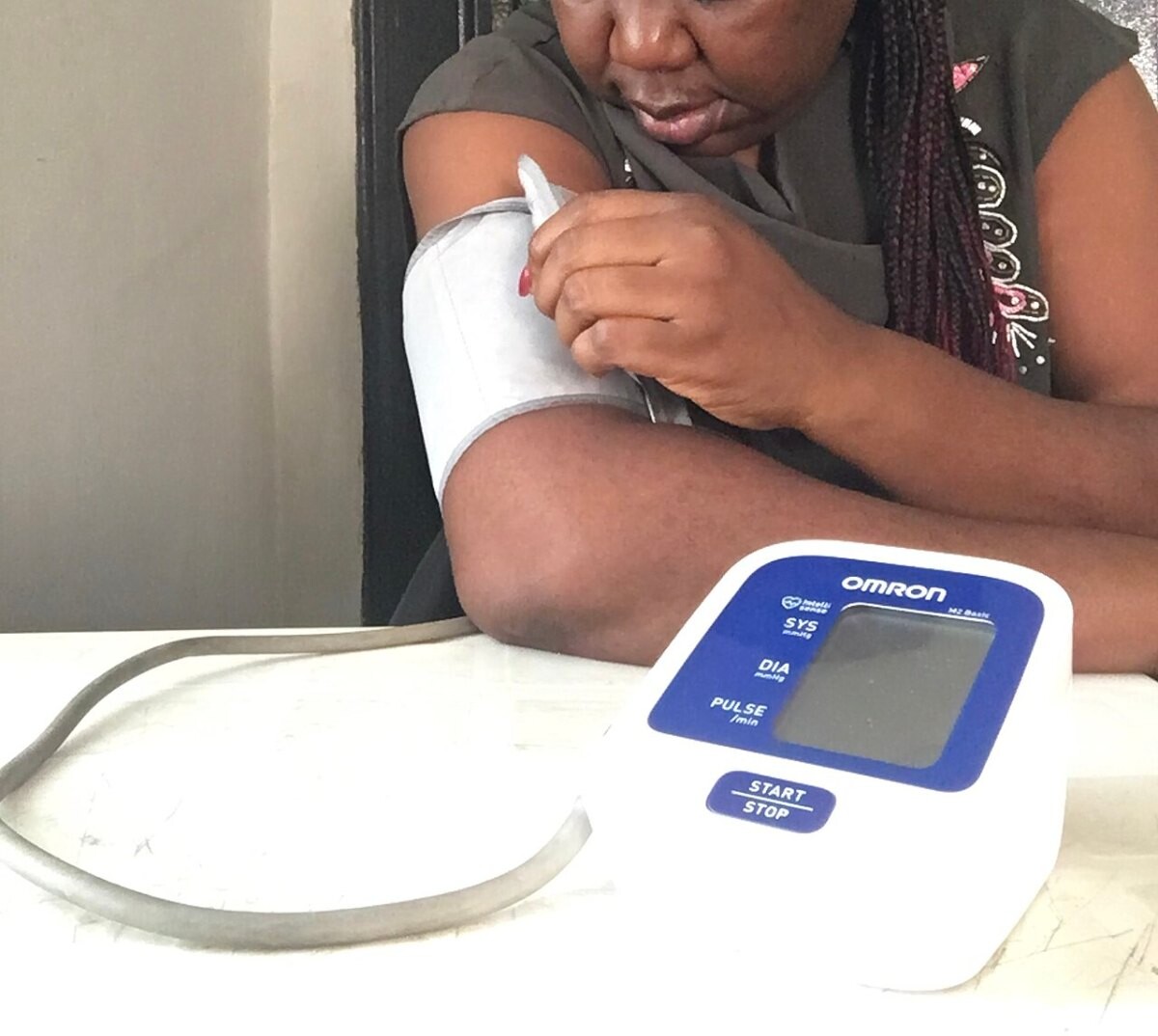
How this page is built. Figures come from the official statistical releases linked above; where agencies publish provisional numbers we say so, because they are revised. UK statistics are often published separately for England, Wales, Scotland and Northern Ireland, so we say which area each figure covers. Photos are public-domain, Creative Commons or Open Government Licence images credited in each caption; file photos are illustrative and are not from the events described unless the caption says so. This page tracks trends and is not personal safety, medical, legal or financial advice.