
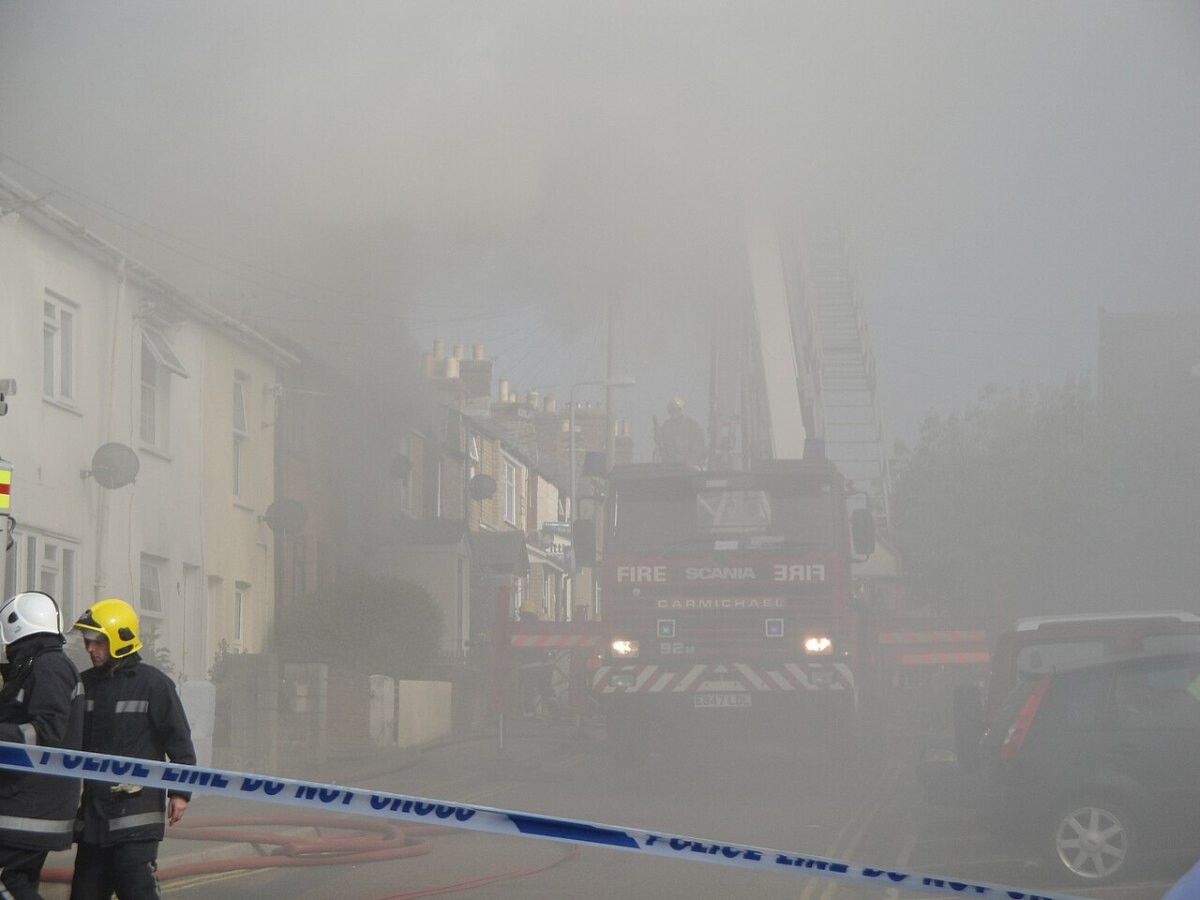
Trend summary
- Britain has far fewer home fires than it did a decade ago, and fewer people die in them. The worry now is a new kind of fire, not more of the old kind.
- In England, fire services attended 26,180 dwelling fires in the year to March 2026: up 2.8% on the year before, but 17% lower than ten years earlier.
- 184 people died in those fires, down 14% from 214. Home fires still account for about seven in ten of all fire deaths.
- Lithium-ion batteries in e-bikes and e-scooters are the fastest-growing cause: London Fire Brigade attended a record 206 such fires in 2025.
What the numbers show
Fire statistics in England moved from the Home Office to the Ministry of Housing, Communities and Local Government (MHCLG) in 2025. Its annual analysis for the year ending March 2026 counts 26,180 dwelling fires, 184 deaths and 4,898 non-fatal casualties (up 3.9%). Across all fires, 254 people died, 9.3% fewer than the year before and 17% fewer than a decade earlier.
Scotland tells a similar story. The Scottish Fire and Rescue Service recorded 4,104 accidental dwelling fires in 2024-25, a record low and 26% fewer than in 2014-15, with 36 fire-related deaths.
What is driving it
Cooking is the commonest cause and smoking the deadliest. In England, cooking appliances started 42% of accidental dwelling fires but caused 11% of the deaths, while smoking materials started just 7.6% of fires and caused 27% of the deaths. Smoke alarms are common but not reliable: in 42% of dwelling fires an alarm was either missing (23%) or failed to go off (19%). And age matters: 40% of fire deaths were people aged 65 and over.
The new factor is batteries. The Office for Product Safety and Standards was told of 211 e-bike and e-scooter fires in 2024, with 8 deaths and 86 injuries; about two-thirds happened in homes and 39% while charging. OPSS points to non-compliant batteries, mismatched chargers and DIY conversion kits, which were involved in 45% of e-bike fires.
Recent cases
- 19 August 2026: MHCLG reports that dwelling fire deaths in England fell 14% to 184 in the year to March 2026, even though the number of dwelling fires rose 2.8% (MHCLG).
- 28 January 2026: London Fire Brigade reports a record 206 e-bike and e-scooter fires in 2025, about one every other day, and calls for new product rules (LFB).
- 21 July 2025: the government announces new duties on online marketplaces selling unsafe products, citing an e-bike or e-scooter fire every 1.7 days (GOV.UK).
Press releases and official reports, 2023–2026
Five key releases a year for the last four years, newest first. Most come from UK government departments, regulators, accident investigators and national statistics; a few news reports are included where they are the clearest public record of an event. Releases from 2007–2022 are in the expandable list after 2023.
2026
- 2 Sep 2026MHCLGFire prevention and protection, England, year ending March 2026
- 19 Aug 2026MHCLGDetailed analysis of fires, England, year ending March 2026
- 22 Jul 2026MHCLGFire and rescue incident statistics, year ending March 2026
- 16 Apr 2026Welsh GovernmentFire and rescue incident statistics: April to September 2025
- 28 Jan 2026London Fire BrigadeRecord number of e-bike and e-scooter fires across London in 2025, as Brigade calls for regulation to be introduced
2025
- 17 Dec 2025Welsh GovernmentFire and rescue incident statistics: April 2024 to March 2025
- 25 Nov 2025London Fire BrigadeLondon sees record number of e-bike fires this year as London Fire Commissioner issues Black Friday warning
- 14 Aug 2025MHCLGDetailed analysis of fires, England, April 2024 to March 2025
- 21 Jul 2025DBTTough new laws to make online marketplaces safer
- 5 Jun 2025OPSSFires in e-bikes and e-scooters – 2024
2024
- 28 Nov 2024Welsh GovernmentFire and rescue incident statistics: April 2023 to March 2024
- 19 Sep 2024Home OfficeDetailed analysis of fires, England, April 2023 to March 2024
- 27 Aug 2024OPSSFires in e-bikes and e-scooters – 2022 and 2023
- 7 Feb 2024London Fire BrigadeBrigade urges Londoners to check their e-bike after banned battery causes blaze
- 22 Jan 2024OPSSOPSS takes enforcement action over dangerous e-bike battery
2023
- 26 Oct 2023Welsh GovernmentFire and rescue incident statistics: April 2022 to March 2023
- 26 Oct 2023Home OfficeNumber of dwelling fires in England with "air fryer" mentioned in the additional information free text
- 21 Sep 2023Home OfficeDetailed analysis of fires attended by fire and rescue services, England, April 2022 to March 2023
- 11 Sep 2023OPSSOPSS publishes consumer information on e-bike and e-scooter battery safety
- 1 Sep 2023London Fire BrigadeNew record high of e-bike and e-scooter fires in London
View 20 years of major UK home fire press releases (2007–2026)65 more from 2007–2022, up to five a year, newest first
2022
- 29 Sep 2022Home OfficeDetailed analysis of fires attended by fire and rescue services, England, April 2021 to March 2022
- 28 Sep 2022Welsh GovernmentFire and rescue incident statistics: April 2021 to March 2022
- 26 Sep 2022RSHSmoke and Carbon Monoxide Alarm (Amendment) Regulations 2022 compliance
- 11 Aug 2022Home OfficeFire and rescue incident statistics: England, year ending March 2022
- 12 May 2022Home OfficeFire-related fatalities and non-fatal casualties in dwelling fires caused by electricity, 2010-11 to 2020-21
2021
- 23 Nov 2021DLUHCAll social homes required to have smoke alarms fitted
- 30 Sep 2021Home OfficeDetailed analysis of fires attended by fire and rescue services, England, April 2020 to March 2021
- 23 Sep 2021Welsh GovernmentFire and rescue incident statistics: April 2020 to March 2021
- 12 Aug 2021Home OfficeFire and rescue incident statistics: England, year ending March 2021
- 17 Mar 2021Home OfficeUnlimited fines for those who breach fire safety regulations
2020
- 26 Nov 2020Welsh GovernmentFire and rescue incident statistics: April 2019 to March 2020
- 1 Oct 2020Home OfficeDetailed analysis of fires attended by fire and rescue services, England, April 2019 to March 2020
- 13 Aug 2020Home OfficeFire and rescue incident statistics: England, year ending March 2020
- 19 Mar 2020Home OfficeFire Safety Bill
- 3 Feb 2020Home OfficeGovernment relaunches Fire Kills campaign
2019
- 30 Oct 2019Prime Minister's OfficePM's statement on the Grenfell Phase One report: 30 October 2019
- 12 Sep 2019Home OfficeDetailed analysis of fires attended by fire and rescue services, England, April 2018 to March 2019
- 28 Aug 2019Welsh GovernmentFire and rescue incident statistics: April 2018 to March 2019
- 8 Aug 2019Home OfficeFire and rescue incident statistics: England, year ending March 2019
- 15 Mar 2019Home OfficeNew campaign warns 'it only takes one accident' to start a fire
2018
- 6 Sep 2018Home OfficeDetailed analysis of fires attended by fire and rescue services, England, April 2017 to March 2018
- 21 Aug 2018Welsh GovernmentFire and rescue incident statistics: April 2017 to March 2018
- 9 Aug 2018Home OfficeFire and rescue incident statistics: England, year ending March 2018
- 12 Jul 2018MHCLGEnglish Housing Survey 2016 to 2017: fire and fire safety
- 17 Feb 2018MHCLGNew tougher electrical safety standards to protect private tenants
2017
- 12 Oct 2017Home OfficeDetailed analysis of fires attended by fire and rescue services, England, April 2016 to March 2017
- 31 Aug 2017Welsh GovernmentFire and rescue incident statistics: April 2016 to March 2017
- 27 Jun 2017Home OfficeFires in purpose-built flats, England, April 2009 to March 2017
- 18 May 2017Home OfficeFire statistics monitor: April to September 2016
- 27 Apr 2017Home OfficeFire Statistics: England April 2015 to March 2016
2016
- 17 Aug 2016Home OfficeFire statistics monitor: April 2015 to March 2016
- 27 Jul 2016Welsh GovernmentFire and rescue incident statistics: April 2015 to March 2016
- 29 Jun 2016Home OfficeFire statistics: England April 2014 to March 2015
- 31 Mar 2016DCLGFire statistics monitor: April to September 2015
- 12 Jan 2016Home OfficeFire Minister urges households to test smoke alarms
2015
- 1 Oct 2015DCLGBrandon Lewis raises the alarm over tenant safety
- 20 Aug 2015DCLGFire deaths fall to lowest number on record
- 30 Jul 2015Welsh GovernmentFire and rescue incident statistics: April 2014 to March 2015
- 11 Mar 2015DCLGTenants safer under new government measures
- 29 Jan 2015DCLGFire Statistics Great Britain: 2013 to 2014
2014
- 28 Jul 2014DCLG'How to train your family'
- 3 Jul 2014DCLGOfficial statistics reveal fire deaths fallen by 40% in last decade
- 2 Jul 2014DCLGFire statistics monitor: April 2013 to March 2014
- 23 May 2014DCLGFire statistics Great Britain 2012 to 2013
- 28 Jan 2014DCLGFire statistics monitor: April to September 2013
2013
- 20 Nov 2013DCLGGovernment to review policy on smoke and carbon monoxide alarms
- 26 Jun 2013DCLGFire statistics monitor: April 2012 to March 2013
- 6 Jun 2013DCLGLakanal House: response to Coroner's recommendations
- 14 Mar 2013DCLGFire statistics monitor: April to September 2012
- 5 Mar 2013DCLGYou can't turn back time: will you promise to keep your family safe?
2012
- 13 Dec 2012DCLGFire statistics Great Britain 2011 to 2012
- 17 Oct 2012DCLGCharred clocks bring an emotional reminder that it's Time to Test
- 4 Jul 2012DCLGFire statistics monitor: April 2011 to March 2012
- 31 Jan 2012DCLGFire statistics monitor: April to September 2011
- 18 Jan 2012DCLGHard-wired for sound
2011
- 25 Nov 2011DCLGFire statistics Great Britain 2010 to 2011
- 17 Oct 2011DCLGIt's time to test: change your clock, test your smoke alarm
- 24 Jun 2011DCLGFire statistics monitor: April 2010 to March 2011
- 9 Mar 2011DCLGSmoking time bomb: cigarettes the most deadly cause of house fire fatalities
- 28 Jan 2011DCLGFire statistics monitor: April to September 2010
2010
- 16 Dec 2010DCLGIt only takes a minute for Christmas to go up in smoke
- 26 Nov 2010DCLGFire statistics: UK 2008
- 10 Nov 2010DCLGOver-confident 'Generation Super Gran' dismisses risk of home fire
- 20 Aug 2010DCLGFire statistics monitor: April 2009 to March 2010
- 14 May 2010DCLGFire statistics monitor: April to September 2009
Some early years list fewer than five items. Many UK government releases from that period are no longer online at their original addresses, and we only list items we could open and check.
Photo list
How this page is built. Figures come from the official statistical releases linked above; where agencies publish provisional numbers we say so, because they are revised. UK statistics are often published separately for England, Wales, Scotland and Northern Ireland, so we say which area each figure covers. Photos are public-domain, Creative Commons or Open Government Licence images credited in each caption; file photos are illustrative and are not from the events described unless the caption says so. This page tracks trends and is not personal safety, medical, legal or financial advice.