

Trend summary
- Cancer is France’s leading cause of death. Tumours caused 27% of the 637,082 deaths of residents in 2023; heart and circulatory diseases came second at 21.4%.
- New cancer cases have doubled since 1990, to an estimated 433,136 in mainland France in 2023, mostly because the population is older. Death rates from cancer are falling, but lung cancer in women is still rising.
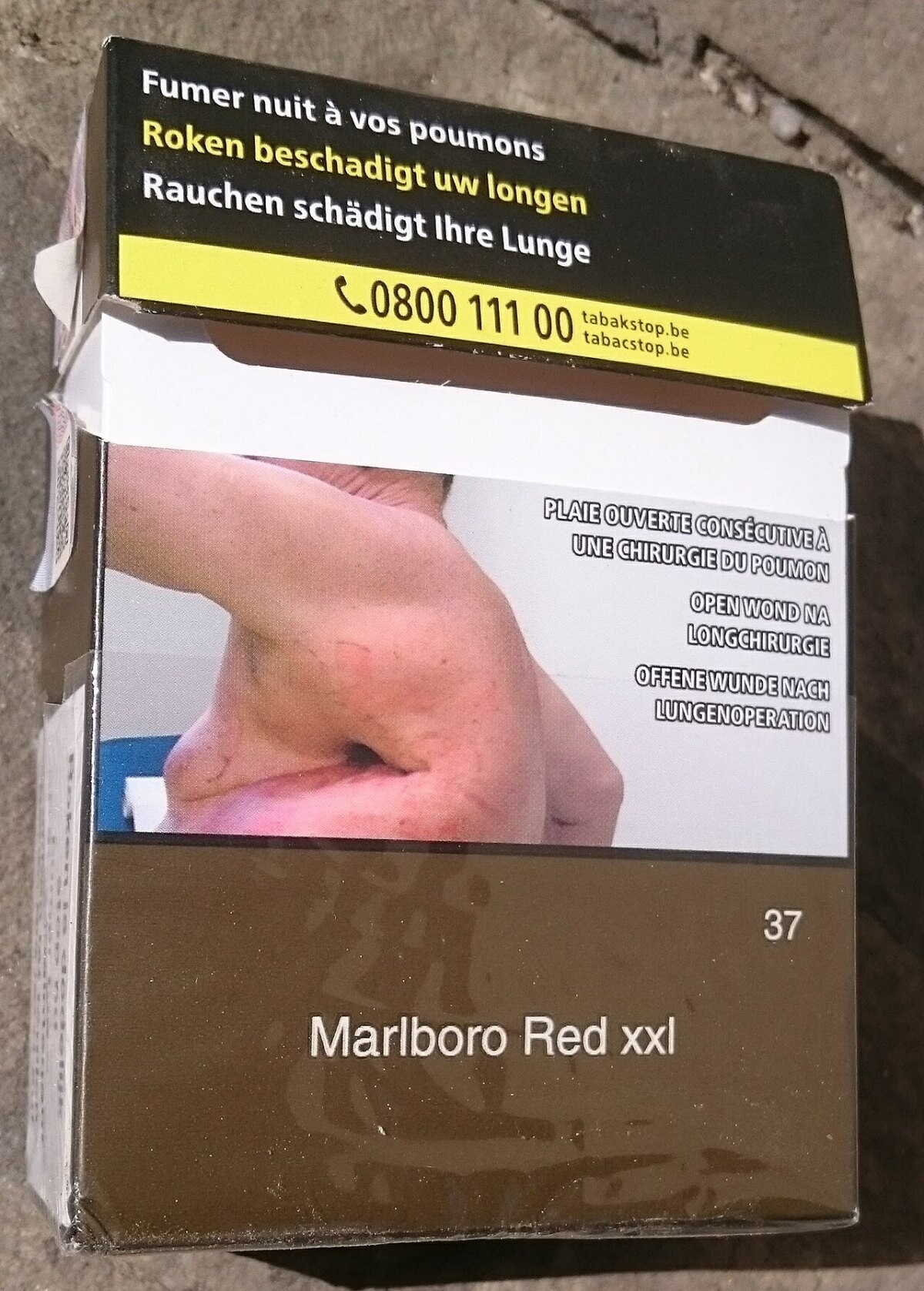
- Smoking is falling fast. Daily smoking among 18–75 year-olds in mainland France dropped from 25% in 2021 to 18% in 2024, about 4 million fewer daily smokers than in 2014. Plain cigarette packs became the only legal packs on 1 January 2017.
- Diabetes and obesity keep climbing. About 3.8 million people (5.6%) were on diabetes medication in 2023, and adult obesity reached 18.1% in a 2024 survey, up from 8.6% in 1997.
What the numbers show
Deaths are counted by Inserm’s CépiDc from death certificates and analysed with DREES and Santé publique France. In 2023, 637,082 residents died in France, about 36,000 fewer than in 2022, and the age-standardised death rate fell to 828.3 per 100,000. Tumours were the leading cause (27% of deaths, 239 per 100,000), followed by cardiovascular and cerebrovascular diseases (21.4%). Cancer death rates keep falling except for pancreatic cancer (DREES, CépiDc and Santé publique France). The overseas departments are included: Mayotte (+89%) and French Guiana (+37%) had far more deaths than national rates would predict, while Île-de-France was 15% below. A June 2026 analysis of 2024 deaths found mortality from circulatory, endocrine and metabolic diseases still above pre-pandemic trends (BEH 2026).
Cancer incidence for mainland France is estimated from the Francim registries: 433,136 new cases in 2023, with world-standardised rates of 355 per 100,000 in men and 274 in women. The women’s rate has risen by about 0.9% a year since 1990 (Santé publique France, BEH 2023). The Institut national du cancer (INCa) counts 245,610 cases in men and 187,526 in women, and 164,314 cancer deaths in 2023. Age-standardised cancer death rates fell by 1.61% a year in men and 0.76% in women over 2019–2023, but lung cancer incidence in women rose by 3.6% a year (INCa Panorama 2026).
Risk factors are moving in opposite directions. Daily smoking among 18–75 year-olds in mainland France was 25% in 2014 and 2021 and 18% in 2024; tobacco caused more than 68,000 deaths in 2023, 11% of all deaths (Santé publique France; Baromètre 2024). Alcohol causes about 41,000 deaths a year, though consumption fell from 26.0 litres of pure alcohol per adult in 1961 to 10.8 litres in 2022 (Santé publique France). Treated diabetes reached 5.6% of the population (more than 3.8 million people) in 2023, with age-standardised rates 1.9 times the national level in La Réunion and 1.7 times in Guadeloupe (Santé publique France). Adult obesity rose from 8.6% in 1997 to 13.1% in 2006 (Charles et al., Obesity 2008), 17.0% in 2020 (Fontbonne et al., J Clin Med 2023) and 18.1% in 2024, nearly 10 million people (Oféo survey via Le Quotidien du Médecin).
What is driving it
Ageing is the biggest driver of rising cancer numbers. INCa’s 2024 Panorama found incidence had roughly doubled since 1990 (+104% in women, +98% in men); population ageing explained 57% of the rise in women and 78% in men, and changes in risk factors about 47% in women and 20% in men (Le Quotidien du Médecin). Women’s risk reflects smoking: Santé publique France has called the rise of tobacco-related disease and death among women ‘worrying’ (BEH 2018). In 2015, about 68,000 new cancer cases (20%) were attributed to tobacco and 28,000 (8%) to alcohol (INCa). Obesity research shows overweight hovering around 30% since 1997 while obesity climbed steadily, faster among young adults and for severe obesity (Fontbonne et al. 2023).
Policy has hit tobacco hardest. Article 27 of the health law of 26 January 2016 brought in plain packs: makers had to produce only plain packs from 20 May 2016, and shops could sell only plain packs from 1 January 2017 (Vidal). Tax rises followed; a pack cost €12.50 on 1 January 2024 and tobacco taxes raise about €14 billion a year. France has taxed sugary drinks since 2012, but a 2024 Senate report found the 2018 reform had only a marginal effect, and it put obesity’s toll at about 27,000 premature deaths a year (Senate).
Recent cases
- 1 October 2026: Santé publique France opened registration for the 2026 Mois sans tabac, the national stop-smoking challenge held every November (Santé publique France).
- 15 July 2026: INCa published the 2026 edition of its Panorama des cancers, putting new cancer cases at 433,136 and cancer deaths at 164,314 in 2023 (INCa).
- 23 June 2026: A BEH study of 2024 deaths found mortality slightly lower than in 2023, mainly because of fewer Covid-19 deaths, but circulatory, endocrine and metabolic disease mortality still above pre-pandemic trends (Santé publique France).
How France compares with the EU
In 2023 France had the lowest death rates in the EU for both circulatory diseases and ischaemic heart disease: about half the EU rate overall and well under half for heart attacks and related conditions. Cancer is the exception. France is only slightly below the EU average there, so in France cancer kills more people than circulatory disease, while across the EU as a whole circulatory disease still comes first.
| Cause | France 2013 | France 2023 | EU-27 2023 |
|---|---|---|---|
| Circulatory diseases | 213.5 | 163.3 | 312.9 |
| Ischaemic heart disease | 51.9 | 37.8 | 100.4 |
| Stroke (cerebrovascular) | 48.9 | 37.4 | 63.9 |
| Cancer (malignant neoplasms) | 246.2 | 218.6 | 233.1 |
| Diabetes | 17.8 | 15.2 | 23.5 |
| Chronic lower respiratory diseases | 16.0 | 14.9 | 27.9 |
Age-standardised death rates per 100,000 people, which remove the effect of different age structures. Latest Eurostat year is 2023. Source: Eurostat, causes of death, standardised death rate (hlth_cd_asdr2), accessed through the EU open data API on 21 October 2026.
Press releases and official reports, 2023–2026
Five key releases a year for the last four years, newest first. Most come from national bodies such as ONISR, the Ministry of the Interior, Santé publique France, the BEA and BEAmer investigation bureaus and the Banque de France, from the Senate and National Assembly, and from research journals; a few news reports are included where they are the clearest public record of an event. Headlines are our English translations of the French originals. Releases from 2007–2022 are in the expandable list after 2023.
2026
- 1 Oct 2026Santé publique FranceMois sans tabac 2026: registration opens
- 15 Jul 2026INCaFight against cancer: the Institute publishes its new activity report and the 2026 edition of the Panorama des cancers
- 23 Jun 2026Santé publique FranceLeading causes of death and main associated causes in France in 2024 (BEH 2026, no. 15)
- 18 May 2026INCaLung cancer screening: enrolment opens in the IMPULSION research programme
- 5 May 2026INCaNational cancer registry: four months after the decree, first progress and a collective effort taking shape
2025
- 15 Oct 2025Santé publique FranceSharp fall in smoking in France: 4 million fewer daily smokers in 10 years
- 8 Jul 2025Santé publique FranceLeading causes of death in France: trends and regional disparities in 2023
- 30 Jun 2025Santé publique FranceCardio-neuro-vascular diseases: strong regional disparities persist
- 27 May 2025Santé publique FranceWorld No Tobacco Day, 31 May 2025 (BEH 2025, no. 10)
- 4 Mar 2025Santé publique FranceCardiovascular diseases in France: a major impact and persistent inequalities
2024
- 14 Nov 2024Santé publique FranceDiabetes in France continues to rise
- 28 Oct 2024Santé publique France9th Mois sans tabac: a new chance to take up the challenge
- 8 Oct 2024Santé publique FranceLeading causes of death in France in 2022
- 29 May 2024SenateBehavioural health taxes: stop or carry on? (information report no. 638)
- 28 May 2024Santé publique FranceWorld No Tobacco Day, 31 May 2024 (BEH 2024, no. 11)
2023
- 19 Dec 2023Santé publique FranceLeading causes of death in France in 2021
- 14 Nov 2023Santé publique FranceWorld Diabetes Day, 14 November 2023: sharing updated data on the disease in La Réunion
- 4 Jul 2023Santé publique FranceIncidence of the main cancers in mainland France in 2023 and trends since 1990 (BEH no. 12-13)
- 31 May 2023Santé publique FranceIn 2022, France still has nearly 12 million daily smokers
- 30 Jan 2023Santé publique FranceAttitudes and behaviour of the French towards cancer: results of the 4th Cancer Barometer
View 20 years of major French chronic disease press releases (2007–2026)79 more from 2007–2022, up to five a year, newest first
2022
- 14 Dec 2022Santé publique FranceCovid-19: third leading cause of death in France in 2020, as other major causes fall
- 13 Dec 2022Santé publique FranceThe halt in the decline of smoking prevalence is confirmed in 2021
- 8 Nov 2022Santé publique FranceWorld Diabetes Day, 14 November 2022 (BEH no. 22)
- 29 Jul 2022Santé publique FranceTransnational governance of the Nutri-Score: the 7 participating countries adopt an improved algorithm for foods
- 31 May 2022Santé publique FranceWorld No Tobacco Day, 31 May 2022 (BEH no. 12)
2021
- 26 Oct 2021Santé publique France6th Mois sans tabac: the big national challenge kicks off
- 6 Jul 2021Santé publique FranceNew data on survival of people with cancer in mainland France, 1989–2018
- 5 Jul 2021Santé publique FranceNutri-Score campaigns for better consumer information
- 26 May 2021Santé publique FranceWorld No Tobacco Day 2021 (BEH no. 8)
- 14 Apr 2021Santé publique FranceAmbient air pollution: new estimates of its impact on the health of the French
2020
- 1 Dec 2020Santé publique France#MoisSansTabac: the 5th edition ends
- 29 Sep 2020Santé publique FranceWorld Heart Day, 29 September 2020 (BEH no. 24)
- 26 May 2020Santé publique FranceWorld No Tobacco Day 2020 (BEH no. 14)
- 7 Feb 2020Santé publique FranceSecond-hand smoke: still too many people exposed at work or at home
- 14 Jan 2020Santé publique FranceAlcohol: where do the French stand?
2019
- 12 Nov 2019Santé publique FranceLatest developments in surveillance of mortality by medical cause in France (BEH no. 29-30)
- 20 Sep 2019Santé publique FranceHealth minister Agnès Buzyn launches the 4th National Nutrition and Health Programme
- 2 Jul 2019Santé publique FranceCancer incidence and mortality: what has changed since 1990?
- 28 May 2019Santé publique FranceFall in daily smoking among adults: results of the 2018 Santé publique France Barometer
- 19 Feb 2019Santé publique FranceAlcohol and health: Santé publique France commits to a risk-reduction strategy
2018
- 30 Oct 2018Santé publique FranceTrends in tobacco-related illness and death among women in mainland France: a worrying situation
- 16 Jul 2018Santé publique FranceSun risks and cancers: the habits and knowledge of the French decoded
- 5 Jul 2018Santé publique FranceNutri-Score attracts new companies and spreads in Europe
- 26 Jun 2018Santé publique FranceCancers attributable to lifestyle and environment in France in 2015 (BEH no. 21)
- 28 May 2018Santé publique France31 May: historic fall in smoking in France
2017
- 9 Oct 2017Santé publique France#MoisSansTabac, 2nd edition: quitting smoking together, as a team
- 26 Sep 2017Santé publique FrancePhysical activity: a challenge for the French
- 6 Sep 2017Santé publique FranceAlcohol and pregnancy: the French increasingly aware of the risks, but vigilance still needed
- 30 May 2017Santé publique FranceTobacco and e-cigarettes in France: levels of use from the first results of the 2016 Health Barometer
- 23 May 2017Santé publique FranceLaunch of the Nutri-Score: informing and guiding consumers on the quality of the food they buy
2016
- 8 Nov 2016Santé publique FranceDiabetes-related mortality in France (BEH no. 37-38)
- 6 Oct 2016Santé publique FranceTo encourage smokers to quit, Marisol Touraine launches Moi(s) sans tabac
- 6 Oct 2016Santé publique FranceDeaths attributable to smoking in France: latest estimates and trend, 2000 to 2013
- 22 Mar 2016VidalFight against smoking: conditions and timetable for the plain pack
- 26 Jan 2016SenateLaw no. 2016-41 of 26 January 2016 on modernising the health system: legislative file
2015
- 29 May 2015InVS (BEH)World No Tobacco Day (BEH no. 17-18)
- 29 May 2015InVS (BEH)Trends in lung cancer incidence among young adults in France, 1982–2012
- 29 May 2015InVS (BEH)Effectiveness of plain cigarette packs among women smokers in France: a real-world study
- Mar 2015INPES (now Santé publique France)Understanding increases in smoking prevalence: case study from France in comparison with England 2000–2010
- 2 Jan 2015INPES (now Santé publique France)Tobacco consumption in France in 2014: characteristics and recent trends
2014
- 12 Nov 2014InVS (BEH)World Diabetes Day, 14 November 2014 (BEH no. 30-31)
- 3 Jul 2014SenateAsbestos: issues still relevant today, meeting the challenge of asbestos removal
- 17 Jun 2014InVS (BEH)Obesity among women using food aid: social aspects and related health problems, Abena 2011–2012 (BEH no. 18-19)
- 20 May 2014InVS (BEH)Cervical disease: screening and surveillance of precancerous and cancerous lesions (BEH no. 13-14-15)
- 14 Mar 2014SenateTaxation and public health: an overview of behavioural taxes
2013
- 17 Dec 2013InVS (BEH)Cancer surveillance and monitoring by registries (BEH no. 43-44-45)
- 28 May 2013InVS (BEH)World No Tobacco Day (BEH no. 20-21)
- 28 May 2013InVS (BEH)Evaluation of the smoking ban in public places in France one and five years on: results of the ITC France survey
- 28 May 2013InVS (BEH)Plain or standardised cigarette packs: how effective against smoking?
- 7 May 2013InVS (BEH)Alcohol, still a major health risk factor in France (BEH no. 16-17-18)
2012
- 21 Dec 2012SenatePsychiatric care for people with mental disorders
- 26 Sep 2012InVS (BEH)Organised breast cancer screening (BEH no. 35-36-37)
- 23 May 2012InVS (BEH)Artificial tanning: a very real but avoidable threat to public health (BEH no. 18-19)
- 13 Mar 2012Parliamentary Office for Scientific and Technological Assessment (OPECST)The impact and challenges of new technologies for exploring and treating the brain (Report)
- 31 Jan 2012InVS (BEH)Epidemiological surveillance of cancers in France: using health administrative databases (BEH no. 5-6)
2011
- 8 Nov 2011InVS (BEH)From myocardial infarction registries to acute coronary syndrome registries (BEH no. 40-41)
- 31 May 2011InVS (BEH)World No Tobacco Day, 31 May 2011 (BEH no. 20-21)
- 31 May 2011InVS (BEH)The health effects of second-hand smoke
- 31 May 2011InVS (BEH)Tobacco-related air pollution on terraces and inside cafés and restaurants in France in 2008
- 31 May 2011InVS (BEH)Perceived effectiveness of standardised cigarette packs: a study in a French context
2010
- 22 Dec 2010Parliamentary Office for Scientific and Technological Assessment (OPECST)The organisation of research and its prospects for the prevention and treatment of obesity
- 25 May 2010InVS (BEH)World No Tobacco Day, 31 May 2010 (BEH no. 19-20)
- 9 Mar 2010InVS (BEH)End-stage chronic kidney failure in France (BEH no. 9-10)
- 2010Institut de veille sanitaire (now Santé publique France)Impact of socio-economic status and country of birth on the health and use of care of people with type 2 diabetes (Entred 2007)
2009
- 10 Nov 2009InVS (BEH)The Entred surveys: epidemiological and evaluation tools to better understand and control diabetes (BEH no. 42-43)
- 21 Jul 2009SenateLaw no. 2009-879 of 21 July 2009 reforming hospitals and on patients, health and territories (HPST): legislative file
- 25 Jun 2009Parliamentary Office for Scientific and Technological Assessment (OPECST)The prospects offered by research on the prevention and treatment of obesity
- 6 Apr 2009Parliamentary Office for Health Policy Evaluation (Senate)Screening and treatment of prostate cancer
- 13 Jan 2009InVS (BEH)Organised colorectal cancer screening in France (BEH no. 2-3)
2008
- 27 May 2008InVS (BEH)World No Tobacco Day 2008 (BEH no. 21-22)
- May 2008INPES (now Santé publique France)Diabetes: a film to support patient education
- May 2008INPES (now Santé publique France)An evaluation of tobacco-control policies in France: using a cohort of smokers
- Mar 2008INPES (now Santé publique France)'Emplois Jeunes Tabac': an ex post qualitative evaluation of a national scheme for developing local smoking-prevention actions
- 2008INPES (now Santé publique France)Social inequalities, an obstacle to prevention? The example of smoking
2007
- 13 Nov 2007InVS (BEH)World Diabetes Day 2007: diabetes in children (BEH no. 44-45)
- Nov 2007INPES (now Santé publique France)Dietary education adapted to the cultural habits of patients with diabetes
- 29 May 2007InVS (BEH)World No Tobacco Day 2007 (BEH no. 21)
- 13 Mar 2007InVS (BEH)Cancer surveillance in France: state of play and outlook in 2007 (BEH no. 9-10)
- 2007INPES (now Santé publique France)Survey of educational practices with type 2 diabetes patients in 2001: general summary report
Many years list fewer than five items, and some have none yet. Several official archives (Légifrance, older ministry pages and PDFs) could not be opened when we compiled this list, and we only list items we could open and check. We are still adding to these lists. Where a page shows no date, the date comes from the publisher’s own index; annual reports with no printed date are listed under the year they cover or were released.
Photo list
How this page is built. Figures come from the official statistical releases and research linked above; where agencies publish provisional numbers we say so, because they are revised. National death data come from Inserm’s cause-of-death centre (CépiDc) and take two to three years to finalise, and some figures cover metropolitan France only while others include the overseas departments, so we say which year, area and source each figure covers. Money is given in euros. Headlines and quotes are our translations from French. Photos are public-domain or Creative Commons images credited in each caption; file photos are illustrative and are not from the events described unless the caption says so. This page tracks trends and is not personal safety, medical, legal or financial advice.