
Trend summary
- France’s coastguard rescue centres (CROSS) ran 6,680 operations for leisure boating and water sports in summer 2025 (1 May to 30 September), up 10.7%. They counted 82 people dead or missing, up 10%, according to the national boating safety observatory, SNOSAN.
- The busiest and most deadly boats are small motorboats. In 2020, boats under 8 m with engines accounted for 37 of the 58 dead or missing in pleasure boating. Engine failures and broken moorings caused 43% of boating call-outs in summer 2025.
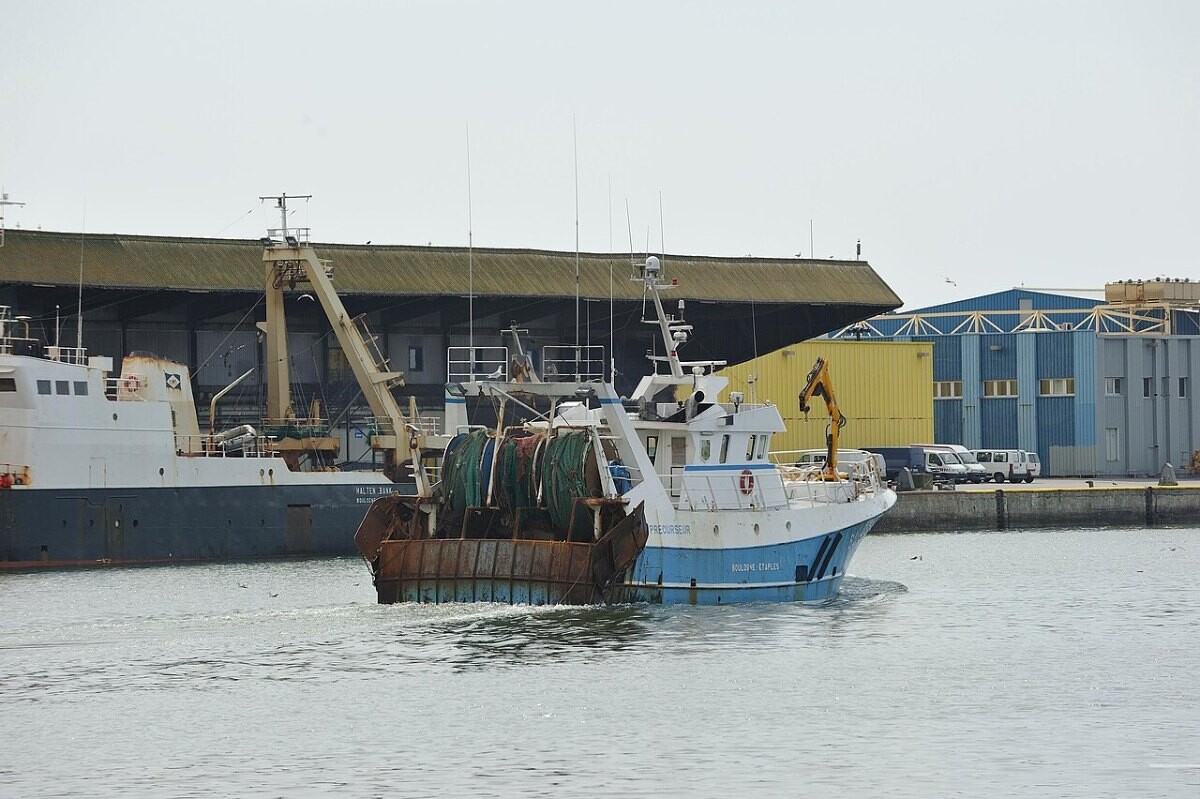
- Professional shipping is far safer in raw numbers. The marine accident investigation bureau BEAmer counted 14 deaths or disappearances in 2024, 3 of them in fishing, down from 25 in 2023. Fishing still makes up most accidents: 319 fishing-vessel accidents were recorded in 2024.
- The deadliest waters are the Dover Strait. The capsize of 24 November 2021 killed at least 27 migrants, with four still missing. French authorities reported 78 Channel migrant deaths in 2024, the most since small-boat crossings began in 2018.
What the numbers show
Leisure accidents at sea are tracked by SNOSAN, which pools data from the CROSS rescue centres, the volunteer lifeboat service SNSM, fire services and SAMU. Its figures cover metropolitan France and the overseas territories (overseas boating made up 324 of 4,948 boating operations in summer 2025). In 2019 the CROSS ran 8,841 boating and water-sports operations, with 176 people dead or missing: 54 in pleasure boating and 122 in water sports (SNOSAN 2019). In 2020 pleasure boating counted 58 dead or missing, up from 53, and water sports 112; with SNSM and fire-service data added, leisure deaths at sea reached 288 (SNOSAN 2020). Summer 2025 saw 6,680 operations, 617 injured and 82 dead or missing. In pleasure boating there were 36 deaths or disappearances, of which SNOSAN linked 21 directly to the activity, against 12 in 2024 (SNOSAN summer 2025; Le Figaro Nautisme). A new database (SEAMIS) makes year-on-year comparison harder.
For professional shipping, BEAmer counts deaths or disappearances on French-flagged ships and in French waters: 11 in 2017, 15 in 2018, 28 in 2019, 25 in 2020, 18 in 2021, 19 in 2022, 25 in 2023 and 14 in 2024. Fishing accounted for between 3 and 10 deaths a year (BEAmer 2023; BEAmer 2024). Recorded fishing accidents rose from 248 in 2017 to 445 in 2021, then stood at 406 in 2023 and 319 in 2024. The average fishing boat involved was about 31 years old. In the Channel, the maritime prefecture counted 72 migrant deaths and 3 missing in its rescue zone in 2024, with 6,310 people rescued and 45,203 involved in rescue or assistance operations (Brussels Times, citing the prefecture). In 2023 it had counted 12 deaths (La Libre/AFP).
What is driving it
Fishing has long been one of France’s most dangerous jobs. A study of 5,074 French fishing accidents from 1996 to 2005 found about 30% happened while the boat was in port (Le Bouar & Chauvin, PubMed). A 2013 parliamentary question noted that about one fisherman in a thousand dies at work each year, ten times the rate in other sectors (National Assembly). The state made AIS transponders compulsory on fishing boats over 12 m in 2009 and made flotation clothing mandatory; BEAmer’s role was strengthened by the EU Erika III package, transposed by a law of 5 January 2011 (National Assembly). BEAmer says more than half of the 15 deaths it counted in 2016 were drownings of people not wearing a flotation device. In leisure boating, the drivers are more boats, more inexperienced users, ageing engines and hot summers: summer 2025 was France’s third-hottest (SNOSAN).
Channel deaths follow a different logic. A 2026 University of Bristol and Border Forensics study links the rise in deaths since summer 2023 to extreme overcrowding and crushes in boats launched close to French shores (University of Bristol). The sea-rescue system itself came under scrutiny after three SNSM volunteers died off Les Sables-d’Olonne on 7 June 2019 (BEAmer). A Senate inquiry followed, and the state subsidy to the SNSM rose from €2 million in 2012 to €10.7 million in the 2020 budget (Senate; National Assembly). Volunteers still face legal risk: after a trawler towed by the SNSM sank in January 2021 with three fishermen dead, five rescuers were held for questioning in 2023 (National Assembly).
Recent cases
- 9 September 2026: The trial of 14 alleged smugglers over the 24 November 2021 Channel shipwreck opened in France. A separate investigation targets seven French military personnel for failing to assist people in danger (Euronews).
- 15 May 2026: Ahead of the 2026 season, SNOSAN’s review of summer 2025 showed boating call-outs up 10.7% and 464 drowning deaths from May to September, 191 of them at sea (Le Figaro Nautisme).
- 24 February 2026: The SNSM reported nearly 9,000 interventions and 26,000 people helped in 2025, half rescued at sea and half treated on beaches, with 10,000 volunteers in 205 stations (SNSM).
How France compares with the EU
There is no EU-wide death rate for maritime accidents alone. The closest Eurostat series is accidental drowning, which covers the sea, rivers, lakes and pools. France was above the EU rate a decade ago and is now level with it.
| Cause | France 2013 | France 2023 | EU-27 2023 |
|---|---|---|---|
| Accidental drowning | 1.6 | 1.1 | 1.0 |
| Transport accidents | 5.1 | 3.7 | 4.9 |
Age-standardised death rates per 100,000 people, which remove the effect of different age structures. Latest Eurostat year is 2023. Source: Eurostat, causes of death, standardised death rate (hlth_cd_asdr2), accessed through the EU open data API on 21 October 2026.
Press releases and official reports, 2023–2026
Five key releases a year for the last four years, newest first. Most come from national bodies such as ONISR, the Ministry of the Interior, Santé publique France, the BEA and BEAmer investigation bureaus and the Banque de France, from the Senate and National Assembly, and from research journals; a few news reports are included where they are the clearest public record of an event. Headlines are our English translations of the French originals. Releases from 2007–2022 are in the expandable list after 2023.
2026
- 8 Oct 2026SNSMCaring for those who save lives: the SNSM puts its rescuers' mental health at the heart of its support
- 9 Sep 2026Euronews2021 Channel shipwreck: trial of alleged smugglers opens in France
- 20 Jul 2026SNSMBathing, trips at sea, accidents, drownings… the SNSM issues a warning on good habits
- 15 May 2026Le Figaro NautismeSafety at sea: before the 2026 season, lessons from a tense summer 2025
- 24 Feb 2026SNSMSea rescuers more mobilised than ever in 2025
2025
- 18 Dec 2025SNSMSea rescuers look back on a busy 2025
- 27 Nov 2025SNSM200 years of sea rescue: 200 years of lives saved, volunteering and maritime solidarity
- 17 Nov 2025BrutIn London, the worst migrant shipwreck in the Channel at the centre of a public inquiry
- 17 Jun 2025National AssemblyWritten question No. 4582 on legal protection for SNSM volunteer rescuers, with government answer
- 13 Feb 2025The Brussels TimesFrench authorities rescued 6,310 migrants in the English Channel last year
2024
- 26 Nov 2024National AssemblyWritten question No. 2254 on the criminal liability of sea rescuers, especially SNSM volunteers
- 23 Oct 2024Le Petit Journal (AFP)Three migrants die in a clandestine Channel crossing
- May 2024BEAmerSerious injury to a deckhand aboard the trawler SAINTE MARIE DE LA MER II on 17 November 2023 off Calais
- 23 Apr 2024La Libre Belgique (AFP)New migrant tragedy in the Channel: five dead, including a little girl
- Jan 2024BEAmerSinking of the netter RUMALO II on 27 January 2023 off the Île de Ré, provisional report
2023
- 15 Dec 2023Delta FMOne dead in a migrant boat sinking, around a hundred others brought ashore
- 12 Aug 2023Delta FMMigrant boat capsizes off Sangatte, several dead
- Jul 2023BEAmerCapsize of the vessel GALEA on 28 November 2022 on the Étang de Berre (one victim)
- May 2023BEAmerInvestigation report: sinking of the fishing vessel MYLANOH on 3 February 2022 off Antifer (three victims)
- 2023BEAmerInterim technical investigation report: sinking of the fishing vessel Mylanoh on 3 February 2022 off Antifer
View 20 years of major French maritime and boat safety press releases (2007–2026)67 more from 2007–2022, up to five a year, newest first
2022
- 14 Dec 2022Europe 1Channel: at least four migrants dead in a new shipwreck
- 24 Nov 2022Amnesty International FranceDeadly shipwreck in the Channel: one year on, where do things stand?
- 21 Jul 2022SenateWritten question No. 1492 on insurance for vessels carrying out sea rescue missions, with government answer
- 14 Jan 2022La Libre Belgique (AFP)France: a migrant dies trying to cross the Channel from the Pas-de-Calais
2021
- 26 Dec 2021RTBFChannel migrant shipwreck: bodies of 16 victims repatriated to Iraqi Kurdistan
- 14 Dec 2021La Libre Belgique (AFP)Migrants drowned in the Channel: 26 of the 27 victims identified
- 9 Dec 2021SenateOral question No. 1969S on the growing number of migrant rescue operations in the Channel, with government answer
- 3 Dec 2021La Libre Belgique (AFP)Channel migrant shipwreck: a survivor speaks of an SOS, French authorities rule out any negligence
- 24 Nov 2021Blick (ATS)Off Calais, more than 30 migrants perish in the Channel
2020
- 11 Dec 2020International Maritime Rescue FederationFoundering of the SNSM All Weather Lifeboat SNS 061 "Patron Jack Morisseau" near Les Sables d'Olonne, the 2019 June 7th (3 crew died)
- Sep 2020BEAmerSinkings of the all-weather lifeboat PATRON JACK MORISSEAU and the trawler CARRERA
- 26 Jun 2020SenateSea rescue: nine months after the fact-finding mission's report, the new SNSM president announces positive changes
- Feb 2020BEAmerCapsize of a boat from the lobster vessel AUSTRAL (one victim)
- 7 Jan 2020SenateSea rescue: putting volunteers back at the heart of decision-making, Senate debate
2019
- 27 Nov 2019National AssemblyReport on the bill to extend 'ward of the nation' status to children of sea rescuers who die on duty
- 22 Oct 2019SenateFact-finding report No. 81 of the joint mission on sea rescue and maritime safety
- 5 Sep 2019SenateA delegation of the Senate's 'sea rescue' fact-finding mission visits Finistère
- 4 Jul 2019SenateOral question No. 864S on funding the national sea rescue society (SNSM), with government answer
- 7 Jun 2019Gendarmerie nationaleDeaths of three SNSM sea rescuers
2018
- Apr 2018BEAmerCapsize of the netter IZEL-VOR on 5 May 2017 near the island of Groix
- 14 Mar 2018SenateReport No. 354 on the bill to ratify the international convention on training, certification and watchkeeping for fishing vessel personnel (STCW-F)
- 4 Jan 2018SenateOral question No. 172S on securing the SNSM's funding needs
2017
- 12 Dec 2017National AssemblyWritten question No. 3822 on the financial difficulties of the SNSM, with government answer
- Nov 2017BEAmerAnnual activity report 2016
- Oct 2017BEAmerSinking and man overboard of the potter ENTRE LES DEUX CAPS on 11 December 2016, one mile off Cap Gris-Nez
- 15 Aug 2017National AssemblyWritten question No. 714: what future for the SNSM? With government answer on State funding
- 14 Jun 2017SenateBill No. 582 authorising ratification of the STCW-F convention on training of fishing vessel personnel, to improve safety at sea
2016
- 24 Nov 2016Senate2017 budget bill: maritime transport, incl. sea-rescue funding and a call to equip all seafarers with distress beacons (Sustainable Development Committee opinion No. 145, vol. V)
- 8 Nov 2016National AssemblyWritten question No. 100495 on sea rescue and drownings of boaters not wearing life jackets, with government answer
- 1 Nov 2016National AssemblyWritten question No. 100276 on the safety of fishermen
2015
- 8 Dec 2015National AssemblyWritten question No. 91683 on consolidating the SNSM's resources for its fleet, with government answer
- 19 Nov 2015Senate2016 budget bill: maritime transport, incl. modernising CROSS sea-rescue systems and an extra €1.4m for the SNSM (Sustainable Development Committee opinion No. 169, vol. V)
- Apr 2015BEAmerAnnual activity report 2014
- 10 Feb 2015National AssemblyWritten question No. 69149 on the impact of territorial reform on the SNSM, with government answer
- 22 Jan 2015SenateWritten question No. 14577 on funding the fleet of the national sea rescue society (SNSM), with government answer
2014
- 4 Dec 2014SenateWritten question No. 13992 on the concerns of sea rescuers, with government answer
- 20 Nov 2014Senate2015 budget bill: maritime transport, incl. funding for maritime safety, the SNSM's 230 lifeboat stations and CROSS surveillance (Sustainable Development Committee opinion No. 113, vol. V)
- 30 Oct 2014SenateWritten question No. 13481 on the future of the SNSM, with government answer
- Mar 2014BEAmerAnnual activity report 2013
- Jan 2014BEAmerTechnical investigation report: occupational accident aboard the trawler LE BATTANT
2013
- 17 Dec 2013Le Figaro NautismeThe first of the rescuers ready to go to court
- 21 Nov 2013Senate2014 budget bill: maritime transport, incl. sea-rescue funding for the SNSM's 230 stations and the modernisation of CROSS systems (Sustainable Development Committee opinion No. 161, vol. V)
- 21 May 2013National AssemblyWritten question No. 16361 on working conditions at sea and excess deaths in fishing, with government answer
- 1 Mar 2013Le Figaro NautismeLooking back at the sinking of the Bugaled Breizh
- 26 Feb 2013Le Figaro NautismeBugaled Breizh: the submarine theory examined again
2012
- 18 Oct 2012SenateWritten question No. 2510 on pensions paid to survivors after a maritime workplace accident or occupational disease, with government answer
- 24 Jul 2012National AssemblyWritten question No. 1781 on rescue equipment, detection tools and investigations into unsolved maritime accidents, with government answer
- 24 Jan 2012National AssemblyWritten question No. 126949 on safety of navigation and fishing accidents
- 17 Jan 2012National AssemblyWritten question No. 126480 on safety of navigation and life-saving equipment
- 2012BEAmerAnnual activity report 2012
2011
- 29 Nov 2011National AssemblyWritten question No. 122982 on the safety of fishing crews
- 13 Sep 2011National AssemblyWritten question No. 117753 on State support for SNSM volunteer sea rescuers, with government answer
- 23 Aug 2011National AssemblyWritten question No. 116840 on legal and tax guarantees for SNSM volunteer rescuers and their employers, with government answer
- 2011BEAmerAnnual activity report 2011
2010
- 21 Dec 2010National AssemblyWritten question No. 96207 on safety in sea fishing and the role of BEAmer
- 15 Jun 2010National AssemblyWritten question No. 74337 on the sinking of the trawler Bugaled Breizh, with government answer
- 20 May 2010SenateWritten question No. 13505: sea and safety, funding needs of the SNSM (Brittany)
- 4 May 2010National AssemblyWritten question No. 77657 on support for the families of the five sailors lost in the Bugaled Breizh sinking, with government answer
2009
- 9 Jun 2009National AssemblyWritten question No. 51861 on raising recreational boaters' awareness of risks at sea, with government answer
- 12 May 2009National AssemblyWritten question No. 49130 on making recreational boaters aware of the risks at sea, with government answer
- 24 Feb 2009National AssemblyWritten question No. 42520 on the Bugaled Breizh sinking and the Triomphant–Vanguard submarine collision
- 2009BEAmerAnnual activity report 2009
2008
- 11 Nov 2008National AssemblyWritten question No. 35086 on adapting sea rescue resources to the boom in water sports, with government answer
- 29 Jan 2008National AssemblyWritten question No. 15210 on the sinking of the trawler La Petite Julie and its causes, with government answer
- 2008BEAmerAnnual activity report 2008
2007
- 6 Dec 2007National AssemblyQuestion to the Government No. 240 on the safety of sea fishermen after a fishing boat sinking off Le Touquet
- 13 Mar 2007National AssemblyWritten question No. 120581 on the sinking of the fishing vessel Bugaled Breizh, with government answer
Many years list fewer than five items, and some have none yet. Several official archives (Légifrance, older ministry pages and PDFs) could not be opened when we compiled this list, and we only list items we could open and check. We are still adding to these lists. Where a page shows no date, the date comes from the publisher’s own index; annual reports with no printed date are listed under the year they cover or were released.
Photo list
How this page is built. Figures come from the official statistical releases and research linked above; where agencies publish provisional numbers we say so, because they are revised. National death data come from Inserm’s cause-of-death centre (CépiDc) and take two to three years to finalise, and some figures cover metropolitan France only while others include the overseas departments, so we say which year, area and source each figure covers. Money is given in euros. Headlines and quotes are our translations from French. Photos are public-domain or Creative Commons images credited in each caption; file photos are illustrative and are not from the events described unless the caption says so. This page tracks trends and is not personal safety, medical, legal or financial advice.