
This section tracks how often things go wrong in Brazil, and whether it is getting better or worse. Each page gives a short trend summary, the numbers behind it, recent cases, up to 20 years of official press releases and a credited photo list. Figures come from national sources first: the Ministry of Health mortality system (SIM/DATASUS), INPE’s fire monitoring, the Federal Highway Police (PRF), CENIPA’s air accident investigations, the Brazilian Navy, the Central Bank and the Brazilian Forum on Public Security. State governments, Congress news services, researchers and news reports fill the gaps. Some topics, such as fires, have no single national count, so each page says which year and source a figure covers.
Where the trends point
- Getting worse: road deaths (especially motorcyclists), recorded fraud, tuberculosis deaths, diabetes and obesity, and the count of civil air accidents.
- Getting better: dengue since its 2024 peak, smoking, and wildfire hotspots since the record 2024 season.
- No clear trend: earthquakes (low risk), boat sinkings, drowning, and deaths from floods and landslides, which come in large, irregular disasters.
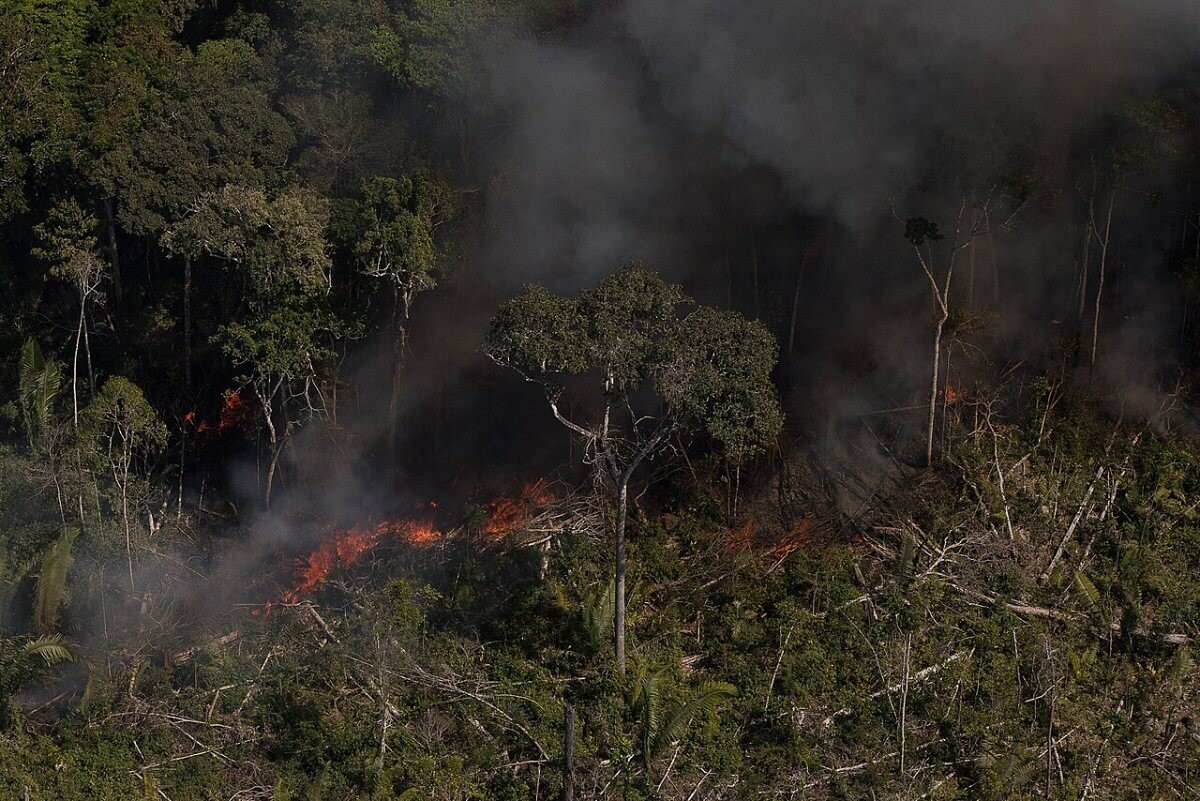 Mixed
Fire
Home fires, building fires and wildfires.
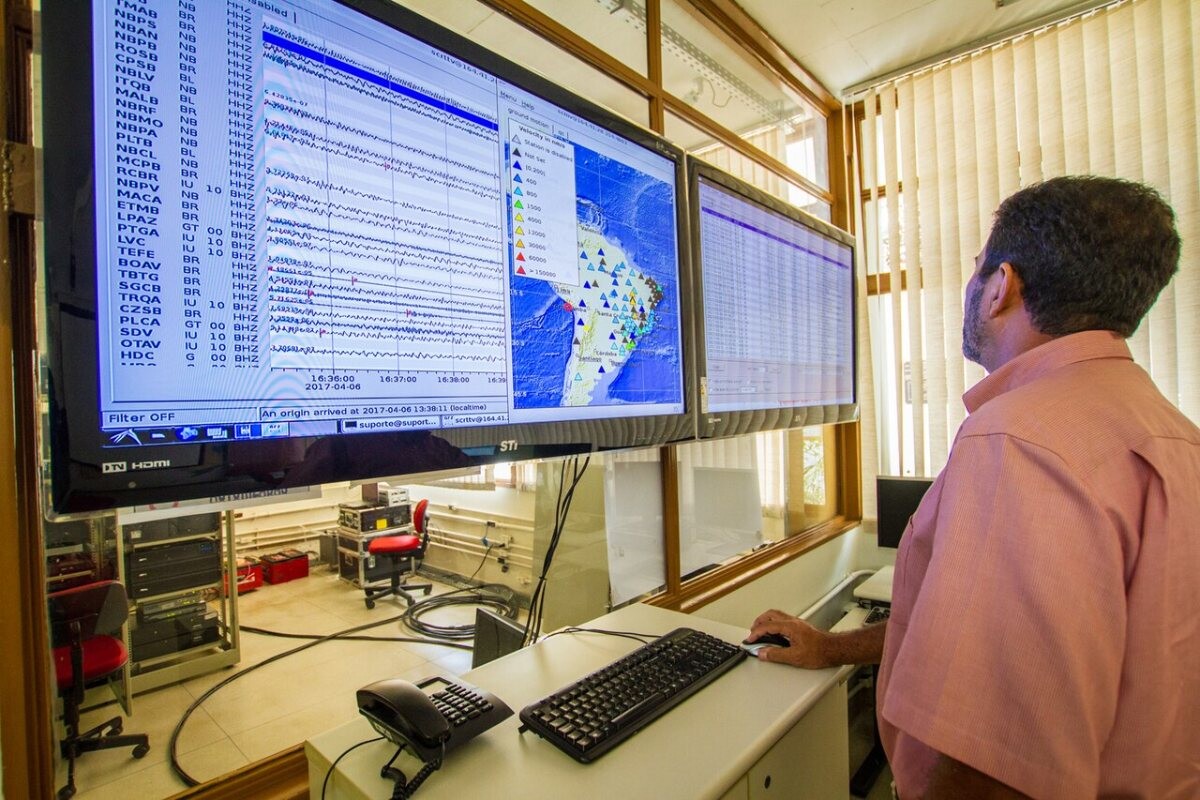 Low but real
Earthquakes
One recorded quake death (Caraíbas, 2007); 2025’s largest intraplate tremor was only magnitude 4.5.
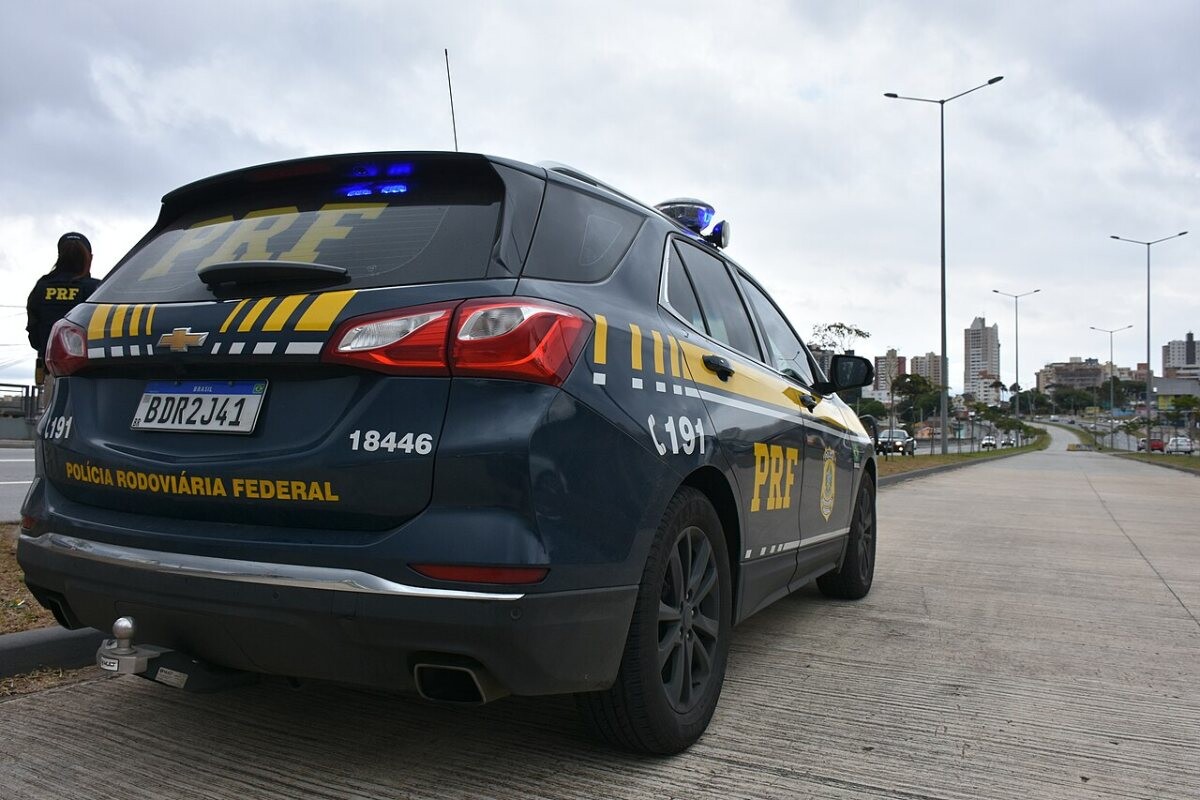 Road deaths rising
Transport accidents
Road, maritime and aviation.
 Scams rising
Financial fraud
Police recorded 2.26 million fraud cases in 2025, up 429.8% since 2018.
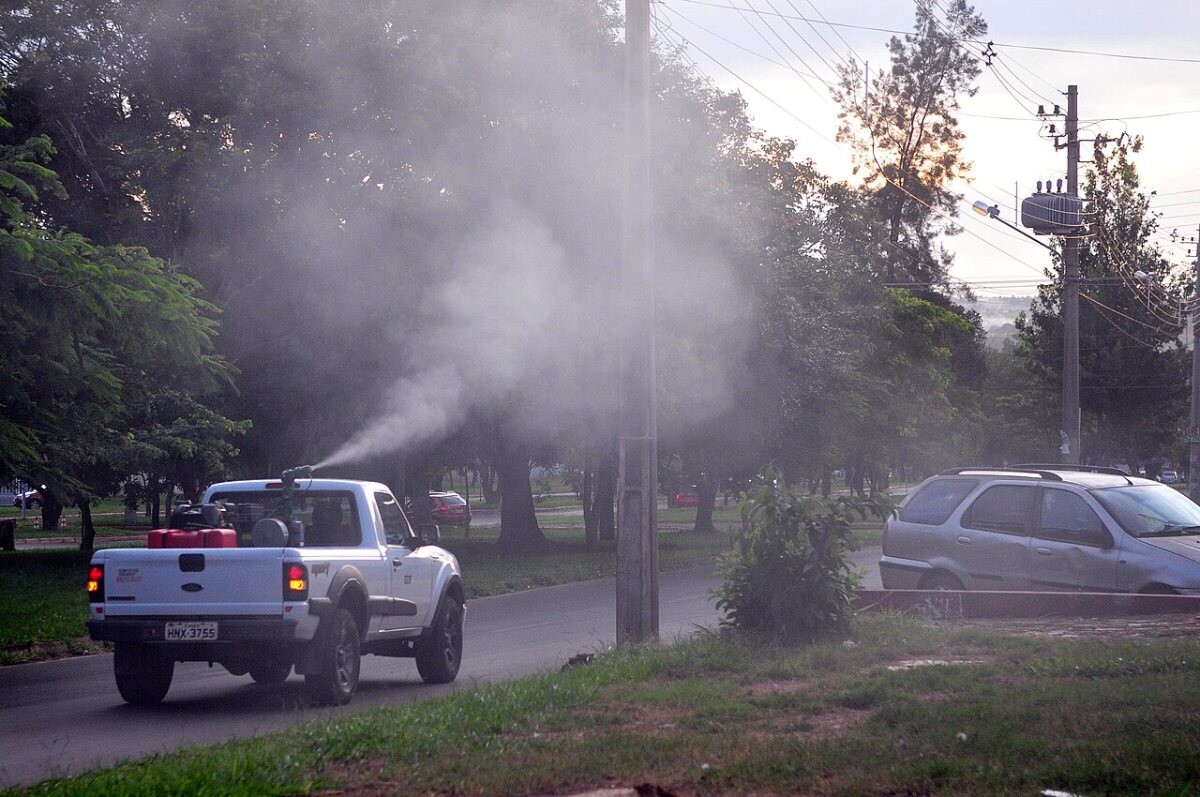 Mixed
Disease
Infectious and chronic disease.
 Drowning leads
Injuries
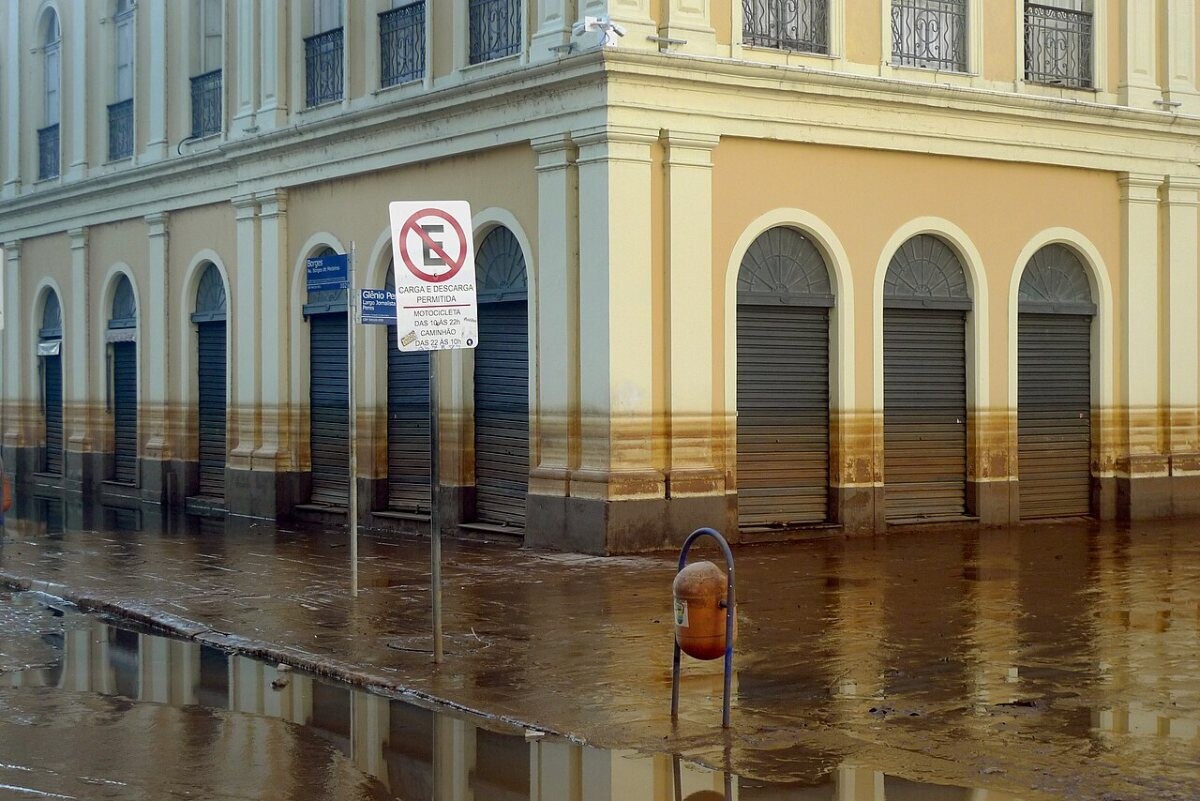
About 5,900 Brazilians drown each year, and floods killed 180 in Rio Grande do Sul in 2024
How this page is built. Figures come from the official statistical releases linked above; where agencies publish provisional numbers we say so, because they are revised. Brazil’s national death data come from the Ministry of Health mortality system (SIM/DATASUS) and are usually final about two years later, and some topics, such as fires, have no single national count, so we say which year and source each figure covers. Money is given in reais (R$). Headlines and quotes are our translations from Portuguese. Photos are public-domain or Creative Commons images credited in each caption; file photos are illustrative and are not from the events described unless the caption says so. This page tracks trends and is not personal safety, medical, legal or financial advice.