
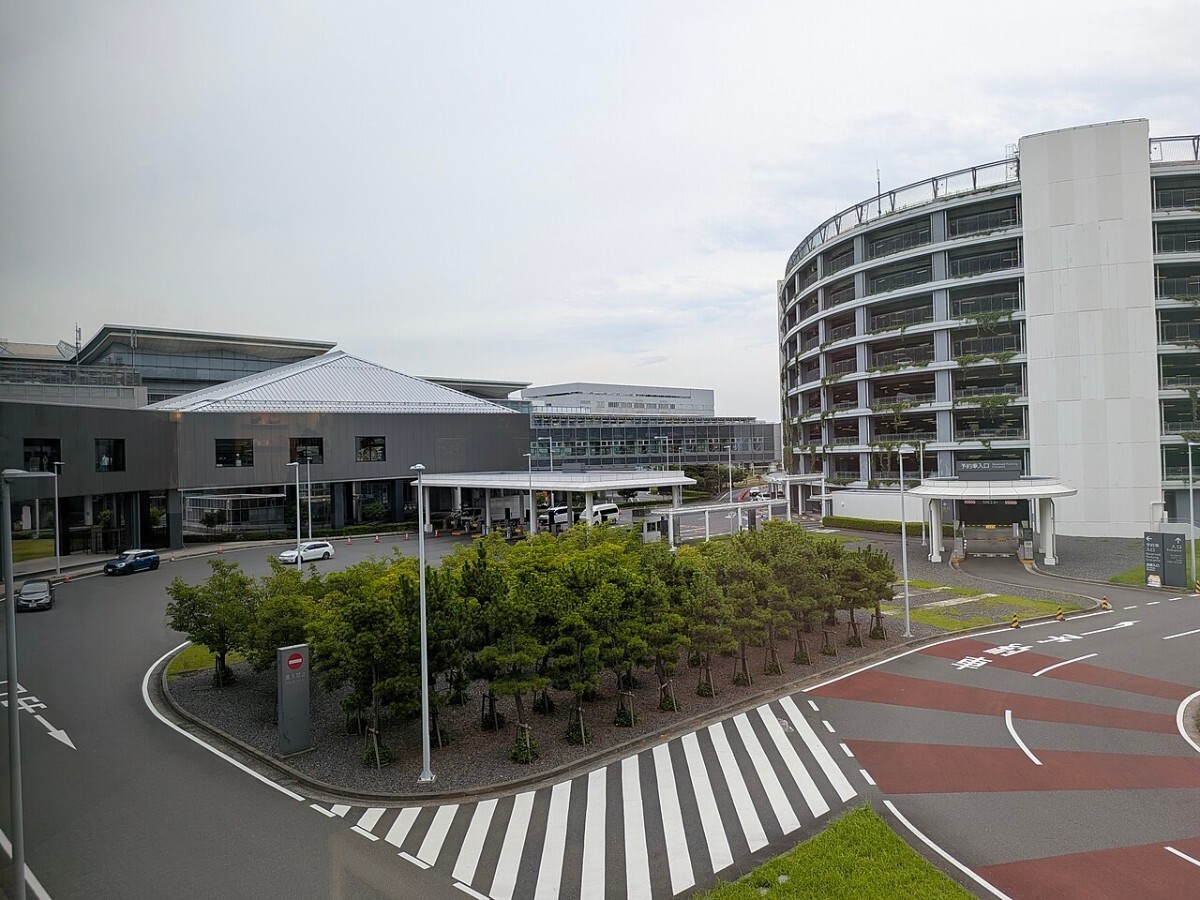
Trend summary
- Japan’s large airlines have not had an accident that killed a passenger since 1986, but the number of investigated aviation accidents has risen in each of the last two years and the Haneda runway collision of January 2024 still overshadows the record.
- The Japan Transport Safety Board (JTSB) is investigating 21 aircraft accidents that happened in 2025, up from 19 in 2024 and 17 in 2023; small planes and helicopters account for most of them.
- Japanese airlines and commuter carriers reported 8 accidents and 2 serious incidents in FY2025 (April 2025 to March 2026), against 3 accidents and 1 serious incident in FY2023 (Ministry of Land, Infrastructure, Transport and Tourism, MLIT).
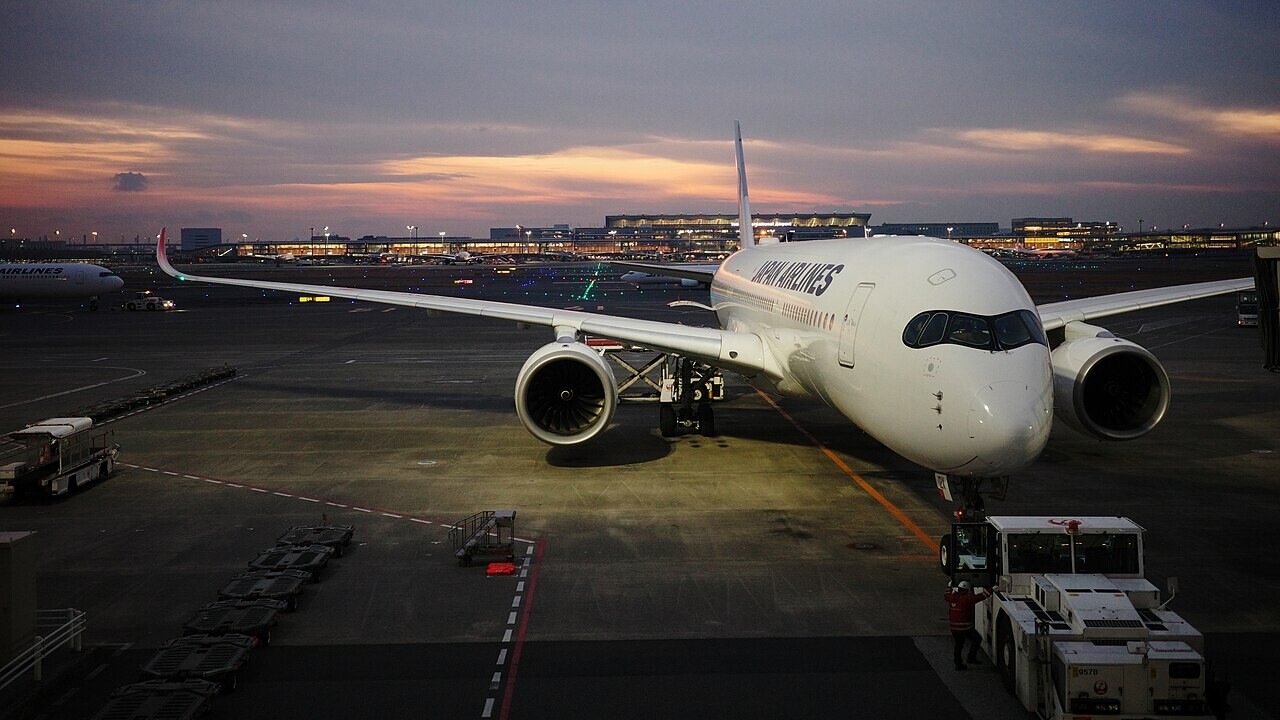
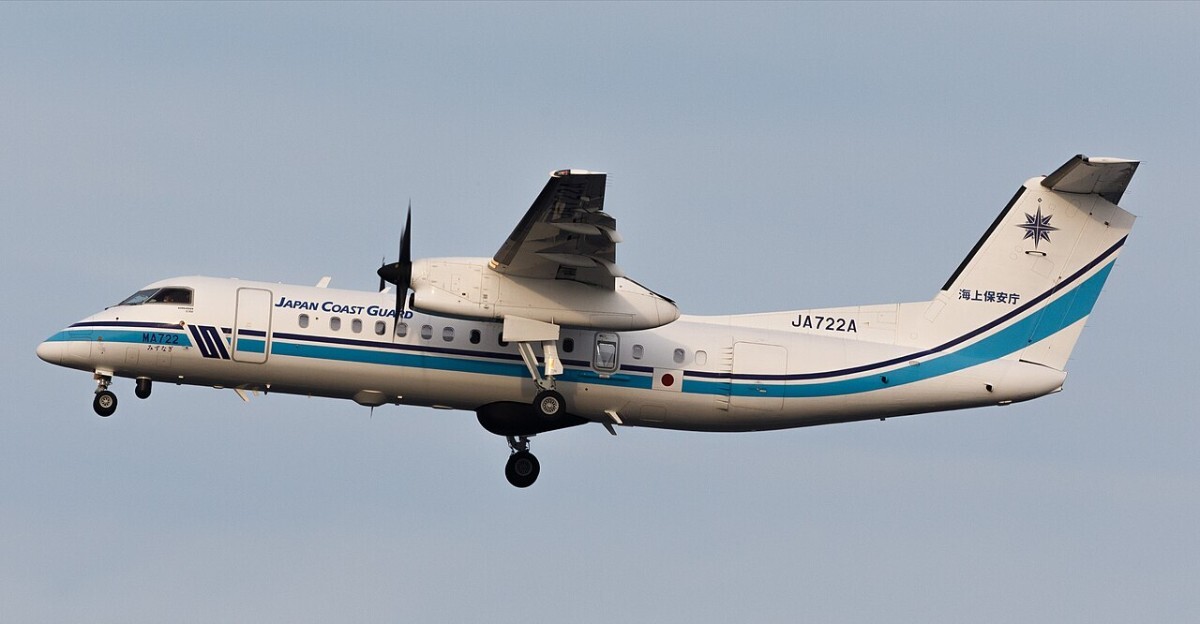
- In the Haneda collision 5 of the 6 Japan Coast Guard crew died; all 379 people on Japan Airlines Flight 516 escaped. The JTSB has published two interim reports and its final report is still awaited.
What the numbers show
The broadest count is the JTSB’s table of aircraft accidents by year of occurrence (in Japanese, figures as of 25 September 2026). It covers every civil aircraft accident the board investigates, from airliners to gliders, and is revised as investigations progress. It shows 17 accidents in 2023, 19 in 2024 and 21 in 2025, with 6 so far in 2026. Of the 2025 total, 3 involved large aeroplanes (over 5,700 kg), 8 small aeroplanes, 6 helicopters, 3 gliders and 1 microlight. Over the long run accidents have fallen a lot: the table recorded between 39 and 57 a year in the late 1970s, against 11 to 27 a year since 2010. Accidents involving only military aircraft are not included; the Self-Defense Forces investigate those themselves.
For airlines, the reference is MLIT’s annual aviation transport safety information report (航空輸送の安全にかかわる情報, in Japanese), which counts by fiscal year (April to March). Japanese air carriers had 8 accidents and 2 serious incidents in FY2025. These included a patient-transport helicopter that ditched off Iki with three deaths, a sightseeing helicopter found wrecked near the crater of Mount Aso, two turbulence injuries, and lightning and bird strikes. The total compares with 6 accidents in FY2024 and 3 in FY2023. Carriers filed 931 safety reports in FY2025, including 921 lower-level “safety troubles”, up from 907 a year earlier. MLIT notes that Japanese carriers’ accident rate per million flights tracked the world rate published by the International Civil Aviation Organization (ICAO) until FY2019, but has been above it since FY2020, when the pandemic cut the number of flights.
What is driving it
Runway safety has been the main concern since 2 January 2024, when Japan Airlines Flight 516, an Airbus A350, landed at Haneda and hit a Japan Coast Guard Dash 8 that was waiting on the runway. The JTSB’s second interim report (December 2025, in Japanese) names three factors. The coast guard crew believed they had been cleared onto the runway. The control tower did not notice the aircraft on the runway. The JAL crew did not see it until just before the impact. The board is also examining the coast guard captain’s fatigue and the cabin megaphone, which it found too weak to carry crew commands through the cabin. MLIT’s response followed the June 2024 interim recommendations of an expert committee. Since October 2024 the system that warns controllers of an occupied runway at major airports has sounded an alert as well as showing one. MLIT is strengthening controller staffing, and work on runway status lights for Haneda’s C runway began in September 2024 (all in Japanese).
Beyond the airlines, most deaths are in helicopters and light aircraft. Recent JTSB reports cover a tail rotor control rod that broke on the Iki medical helicopter, sling-load work that injured ground staff, and microlight and glider crashes. Turbulence remains a regular cause of injuries on airliners: it accounted for 3 of the 6 airline accidents in FY2024 and 2 of the 8 in FY2025. Military crashes have been the deadliest events: all 10 people aboard died when a Ground Self-Defense Force UH-60JA crashed off Miyako Island in April 2023, and the GSDF’s investigation (in Japanese) found that both engines lost power one after the other. In April 2024 two Maritime Self-Defense Force SH-60K helicopters collided at night off the Izu Islands and all aboard were killed; the inquiry blamed poor coordination and lookout.
Policy and budget changes
The main government measures and money figures behind this risk, newest first. Each item links to the official text we checked; where only a news report was available, the source says so.
Main policy changes
- 1 December 2025 Runway safety rules tightened after Haneda collision. The amended Civil Aeronautics Act, promulgated on 6 June 2025, came into force, making crew resource management (CRM) training compulsory for all pilots. Amended enforcement regulations require vehicles entering runways to carry position transmitters and airports to set up runway safety teams and action plans. (Cabinet Office, White Paper on Traffic Safety 2026)
- 31 October 2024 Audible alert added to runway occupancy monitoring. As a first step after the Haneda collision, the transport ministry added an audible alert to the system that warns air traffic controllers when an aircraft is on an occupied runway. (Cabinet Office, White Paper on Traffic Safety 2026)
- 24 June 2024 Haneda collision committee publishes interim measures. The transport ministry’s committee on the 2 January 2024 Haneda runway collision published its interim report, which set the direction for measures on pilot and controller procedures, controller staffing and runway safety equipment. (Cabinet Office, White Paper on Traffic Safety 2026)
- December 2023 “Level 3.5” drone flights introduced. The transport ministry introduced a “Level 3.5” category for drone flights, alongside the compulsory drone registration and the type certification and pilot licence systems already in place. (Cabinet Office, White Paper on Traffic Safety 2026)
Coming up: March 2028 — Runway status lights (RWSL), which warn pilots directly when a runway is not safe to enter, are due to enter service on part of Haneda’s Runway C by the end of fiscal 2027 (March 2028). (Cabinet Office, White Paper on Traffic Safety 2026)
Budget and costs
- August 2026 Civil Aviation Bureau asks for ¥454.5bn for FY2027. The Civil Aviation Bureau’s FY2027 budget request, published in August 2026, totals ¥454.5 billion against ¥425.0 billion in FY2026. It includes ¥30.5 billion (¥27.5 billion in FY2026) for air route facilities, which covers safety measures from the Haneda collision review and upgraded runway incursion detection. (Civil Aviation Bureau, MLIT)
- 2026 Air traffic safety budget: ¥282.9bn in FY2026. The 2026 Traffic Safety White Paper lists initial air traffic safety spending of ¥282,911 million for FY2026, up from ¥260,971 million in FY2025 (nominal). Of this, ¥5,927 million is for aviation safety measures; most of the rest is for airport and air traffic facilities. (Cabinet Office, Traffic Safety White Paper 2026)
Recent cases
- 27 August 2026: the JTSB reports on an ANA Wings Boeing 737-800 that descended close to the sea during a visual approach at night to Miho airfield, Tottori, in April 2024, until a ground-proximity warning made the crew climb away. It found the crew kept descending without seeing the runway, against company procedures, and that the captain’s fatigue and poor health may have played a part (JTSB, in Japanese).
- 17 April 2026: after the JTSB finds that the megaphones on the Haneda A350 could not carry crew instructions far enough during the evacuation, MLIT asks airlines to carry more powerful megaphones and asks manufacturers to make them possible to fit (MLIT, in Japanese).
- 20 January 2026: a Takumi Aviation Robinson R44 on a sightseeing flight with a pilot and two passengers is found heavily damaged inside the crater of Mount Aso, Kumamoto; the JTSB is investigating (The Japan Times; MLIT).
Our read: what the numbers add up to
Seen over decades, Japanese aviation has become much safer, and the recent rise needs to be read against that. The JTSB table recorded between 39 and 57 accidents a year in the late 1970s, against 11 to 27 a year since 2010. The latest years, 17 in 2023, 19 in 2024 and 21 in 2025, are edging up but still sit inside that modern band. Japan’s large airlines have not had a passenger-killing accident since 1986. So I would describe this as a modest drift upward on a low base, not a deterioration.
The detail behind the totals matters. Of the 21 accidents in 2025, only 3 involved large aeroplanes; small aeroplanes and helicopters made up most of the rest. Among air carriers, 8 accidents in FY2025 against 3 in FY2023 sounds like a sharp jump, but the list includes a patient-transport helicopter, a sightseeing helicopter and turbulence injuries, which accounted for 2 of the 8. That is a different risk from airliner crashes. The 931 safety reports filed in FY2025, up from 907, are not necessarily bad news either; more reporting often reflects a culture that reports. The accident rate per million flights running above the ICAO world rate since FY2020 also probably owes something to the pandemic shrinking the number of flights, since a smaller denominator magnifies each event.
The numbers are small, so a single accident moves them visibly, and the JTSB table is revised as investigations progress. Military crashes, which have been the deadliest recent events, are not in it at all. What I would watch is the final Haneda report and whether the runway-occupancy alerts and staffing measures are reflected in fewer runway incidents. My bottom line: Japanese air travel remains very safe, the uptick is concentrated in helicopters and light aircraft, and the real test is whether the lessons of Haneda are fully carried through.
Press releases and official reports, 2023–2026
Five key releases a year for the last four years, newest first. Most come from Japanese government ministries and agencies, regulators, accident investigators and national statistics; a few news reports are included where they are the clearest public record of an event. Many official releases are published only in Japanese; for those we give an English translation of the title and mark the link (in Japanese). Releases from 2007–2022 are in the expandable list after 2023.
2026
- 1 Sep 2026MLITAviation transport safety information, FY2025 (April 2025 to March 2026) (in Japanese)
- 27 Aug 2026JTSBSerious incident report: ANA Wings Boeing 737-800 emergency manoeuvre to avoid hitting the water on approach to Miho airfield, Tottori (April 2024) (in Japanese)
- 17 Apr 2026MLITRequests to airlines and aircraft manufacturers following information from the Japan Transport Safety Board (in Japanese)
- 17 Apr 2026JTSBInformation provided on the Japan Coast Guard and Japan Airlines collision on the Haneda runway: limited reach of the cabin megaphone (in Japanese)
- 14 Apr 2026MLITBusiness improvement recommendation to All Nippon Airways and warning to its safety manager (in Japanese)
2025
- 25 Dec 2025JTSBSecond interim report on the Haneda runway collision between a Japan Coast Guard Dash 8 and a Japan Airlines A350: explanatory summary (in Japanese)
- 16 Dec 2025MLITNinth meeting of the Haneda Airport Aircraft Collision Countermeasures Review Committee (in Japanese)
- 5 Dec 2025MLITAviation safety information for FY2024 published (37th Aviation Safety Information Analysis Committee) (in Japanese)
- 27 Jun 2025MLITATC Communication Handbook revised to help prevent runway incursions (in Japanese)
- 2 May 2025JTSBInformation provided on the SGC Saga Aviation patient-transport helicopter that ditched off Iki: broken tail rotor control rod (in Japanese)
2024
- 25 Dec 2024JTSBInterim report on the investigation of the Japan Coast Guard Dash 8 (JA722A) and Japan Airlines A350 (JA13XJ) collision (in Japanese)
- 9 Jul 2024The Japan TimesLack of coordination and improper lookout caused MSDF copter crash
- 24 Jun 2024MLITHaneda Airport Aircraft Collision Countermeasures Review Committee: interim summary (in Japanese)
- 14 Mar 2024Ground Self-Defense ForceResults of the investigation into the UH-60JA helicopter accident off Miyako Island (in Japanese)
- 9 Jan 2024MLITEmergency measures for aviation safety and security after the Haneda Airport collision (in Japanese)
2023
- 22 Dec 2023MLITBusiness improvement recommendation to JAL Engineering (in Japanese)
- 26 Oct 2023JTSBAircraft accident report: Japan Airlines Boeing 767-300 turbulence, cabin attendant seriously injured over Nakatsugawa, Gifu (March 2022) (in Japanese)
- 12 Sep 2023MLITAviation transport safety information, FY2022 (in Japanese)
- 25 Aug 2023MLITFlight data monitoring (FDM) guidelines for small aircraft published (in Japanese)
- 30 Mar 2023JTSBAircraft accident report: Fuji FA-200 ditching in the Ariake Sea off Omuta, Fukuoka, two dead (April 2022) (in Japanese)
View 20 years of major Japanese aviation accident press releases (2007–2026)80 more from 2007–2022, up to five a year, newest first
2022
- 25 Aug 2022JTSBSerious incident report: Japan Airlines Boeing 777-200 engine failure north of Naha Airport (December 2020) (in Japanese)
- 29 Jul 2022MLITAviation safety information for FY2021 published (31st Aviation Safety Information Analysis Committee) (in Japanese)
- 24 Mar 2022JTSBSerious incident report: Japan Air Commuter ATR 42-500 runway excursion at Amami Airport (January 2020) (in Japanese)
- 24 Mar 2022JTSBAircraft accident report: Tigerair Taiwan Airbus A320 turbulence injuries north-north-east of Miyazaki (December 2019) (in Japanese)
- 18 Mar 2022MLITResumption of commercial flights by Boeing 777s with Pratt & Whitney PW4000-series engines (in Japanese)
2021
- 27 Aug 2021MLITAviation transport safety information, FY2020 (in Japanese)
- 22 Apr 2021JTSBSerious incident report: ANA Boeing 787 crossed a Haneda runway while a Skymark 737 was cleared to land (June 2019) (in Japanese)
- 25 Mar 2021JTSBSerious incident report: runway incursion by a Gulfstream business jet at Haneda while a Cessna 510 was landing (October 2018) (in Japanese)
- 18 Feb 2021JTSBAircraft accident report: ANA Boeing 787-8 turbulence over China, two passengers seriously injured (August 2019) (in Japanese)
- 21 Jan 2021JTSBSerious incident report: Air Self-Defense Force F-2A entered the Misawa runway in front of a landing J-Air ERJ170 (October 2019) (in Japanese)
2020
- 6 Dec 2020MLITResponse to the Japan Airlines Flight 904 Boeing 777 engine serious incident of 4 December (in Japanese)
- 31 Jul 2020MLITAviation transport safety information, FY2019 (in Japanese)
- 23 Apr 2020JTSBAircraft accident report: Toho Air Service AS332L helicopter crash in Ueno, Gunma, four dead (November 2017) (in Japanese)
- 27 Feb 2020JTSBAircraft accident report: Gunma Prefecture disaster-prevention helicopter crash near Mount Yokote, nine dead (August 2018) (in Japanese)
- 27 Feb 2020MLITFurther action after JTSB recommendations on the Gunma Prefecture disaster-prevention helicopter crash (in Japanese)
2019
- 31 Oct 2019JTSBSerious incident report: Japan Airlines Boeing 777-300ER engine failure after take-off from Haneda (September 2017) (in Japanese)
- 30 Jul 2019MLITAviation transport safety information, FY2018 (in Japanese)
- 25 Jul 2019JTSBAircraft accident report: Socata TBM700 loss of control and crash in Yamazoe, Nara, two dead (August 2017) (in Japanese)
- 9 Apr 2019MLITAlcohol standards for aviation personnel finalised (in Japanese)
- 11 Jan 2019MLITBusiness improvement recommendation to Japan Airlines over alcohol cases (in Japanese)
2018
- 21 Dec 2018MLITAdministrative action against airlines and flight crew over alcohol-related cases (in Japanese)
- 29 Nov 2018JTSBSerious incident report: panel fell from a KLM Boeing 777 over Osaka and struck property below (September 2017) (in Japanese)
- 25 Oct 2018JTSBAircraft accident report: Nagano Prefecture fire and disaster-prevention helicopter crash on Mount Hachibuse, nine dead (March 2017) (in Japanese)
- 30 Aug 2018MLITFurther action after JTSB recommendations on the small aircraft crash in the Tateyama mountains, Toyama (in Japanese)
- 17 Jul 2018MLITAviation transport safety information, FY2017 (in Japanese)
2017
- 21 Dec 2017JTSBAircraft accident report: passengers injured in an emergency evacuation from a Japan Airlines Boeing 737-800 at New Chitose (February 2016) (in Japanese)
- 22 Nov 2017JTSBSafety information on the AS332L helicopter crash of 8 November 2017 (in Japanese)
- 18 Jul 2017JTSBAircraft accident report: Piper PA-46 crash into homes after take-off from Chofu, Tokyo, three dead (July 2015) (in Japanese)
- 18 Jul 2017MLITFurther action after JTSB recommendations on the small aircraft crash in Chofu, Tokyo (in Japanese)
- 14 Jul 2017MLITAviation transport safety information, FY2016 (in Japanese)
2016
- 15 Dec 2016JTSBAircraft accident report: First Flying DHC-6-400 runway excursion at Aguni Airport, Okinawa (August 2015) (in Japanese)
- 24 Nov 2016JTSBAircraft accident report: Asiana Airlines A320 undershoot and collision with navigation aids at Hiroshima Airport (April 2015) (in Japanese)
- 17 Jun 2016MLITAviation transport safety information, FY2015 (in Japanese)
- 28 Apr 2016JTSBAircraft accident report: Shin Nihon Helicopter AS332L1 struck power lines and crashed in Kihoku, Mie, two dead (March 2015) (in Japanese)
- 28 Mar 2016MLITEnsuring the safe operation of small aircraft (in Japanese)
2015
- 17 Dec 2015JTSBAircraft accident report: Mooney M20K hit a seawall during a go-around at Kitakyushu Airport (November 2014) (in Japanese)
- 27 Aug 2015JTSBSerious incident report: runway incursion by an Aero Asahi helicopter in front of a landing ANA 767 at Kansai Airport (September 2013) (in Japanese)
- 17 Jul 2015MLITAviation transport safety information, FY2014 (in Japanese)
- 28 Apr 2015MLITSafety measures following the Germanwings crash: two people in the cockpit at all times (in Japanese)
- 23 Apr 2015JTSBSerious incident report: J-Air CRJ runway excursion on landing at Hanamaki Airport (December 2012) (in Japanese)
2014
- 18 Dec 2014JTSBAircraft accident report: Japan Airlines Boeing 777-200 tail strike during a go-around at Haneda (March 2012) (in Japanese)
- 25 Sep 2014JTSBSerious incident report: emergency evacuation of an ANA Boeing 787-8 at Takamatsu Airport (January 2013) (in Japanese)
- 25 Sep 2014JTSBSerious incident report: Air Nippon Boeing 737-700 unusual attitude and steep dive off Kushimoto (September 2011) (in Japanese)
- 11 Jul 2014MLITAviation transport safety information, FY2013 (in Japanese)
- 27 Jun 2014JTSBSerious incident report: runway incursion by a Hawaiian Airlines 767 in front of an ANA 767 at Kansai Airport (October 2011) (in Japanese)
2013
- 20 Dec 2013JTSBAircraft accident report: Civil Aviation College Beechcraft A36 hit a mountainside in Memuro, Hokkaido, three dead (July 2011) (in Japanese)
- 28 Jun 2013MLITAviation transport safety information, FY2012 (in Japanese)
- 26 Apr 2013JTSBAircraft accident report: FedEx MD-11F crash and fire on landing at Narita, two dead (March 2009) (in Japanese)
- 25 Jan 2013JTSBAircraft accident report: Aero Asahi AS332L crash while carrying a sling load on Yakushima, two dead (September 2010) (in Japanese)
- 25 Jan 2013MLITEnsuring the safety of cargo transport by helicopter (in Japanese)
2012
- 27 Jul 2012JTSBAircraft accident report: Nakanihon Air Cessna TU206G hit a mountain ridge in Fukushima, Hokkaido, two dead (July 2010) (in Japanese)
- 29 Jun 2012MLITAviation transport safety information, FY2011 (in Japanese)
- 22 May 2012MLITStrict warning to Skymark (in Japanese)
- 30 Mar 2012JTSBAircraft accident report: Japan Coast Guard Bell 412 struck overhead lines and crashed off Sanagi Island, Kagawa, five dead (August 2010) (in Japanese)
- 24 Feb 2012JTSBAircraft accident report: Saitama Prefecture AS365N3 rescue helicopter crash in Chichibu, five dead (July 2010) (in Japanese)
2011
- 27 Dec 2011MLITCivil Aviation Bureau response to JTSB safety information on the Civil Aviation College Beechcraft A36 accident (in Japanese)
- 28 Oct 2011JTSBAircraft accident report: Gifu Prefecture disaster-prevention helicopter crash near Mount Okuhotaka, three dead (September 2009) (in Japanese)
- 29 Jul 2011JTSBExplanation of the accident report on the 1985 Japan Airlines Flight 123 crash (in Japanese)
- 30 Jun 2011MLITAviation transport safety information, FY2010 (in Japanese)
- 22 Apr 2011JTSBAircraft accident report: Air Nippon Boeing 737-800 tail strike on landing at Haneda (August 2009) (in Japanese)
2010
- 26 Nov 2010JTSBSerious incident report: ANA 777 attempted to land on an Osaka (Itami) runway in use by a JAL Express DC-9 (March 2009) (in Japanese)
- 7 Jul 2010MLITAviation transport safety information, FY2009 (in Japanese)
- 26 Mar 2010JTSBAircraft accident report: ground worker injured during Aero Asahi AS332L sling-load work in Takashima, Shiga (August 2009) (in Japanese)
- 26 Feb 2010JTSBAircraft accident report: JAL DC-9-81 turbulence west of Osaka, two cabin attendants seriously injured (December 2008) (in Japanese)
- 29 Jan 2010JTSBAircraft accident report: Shin Nihon Helicopter Bell 206L-3 struck power lines and crashed in Minakami, Gunma (February 2009) (in Japanese)
2009
- 28 Aug 2009JTSBAircraft accident report: China Airlines Boeing 737-800 fire after arrival at Naha Airport (August 2007) (in Japanese)
- 30 Jun 2009MLITAviation transport safety information, FY2008 (in Japanese)
- 29 May 2009JTSBSerious incident report: JAL International Boeing 767-300 nose gear failure on the Haneda runway, 17 passengers injured (June 2005) (in Japanese)
- 27 Mar 2009JTSBSerious incident report: China Southern A319 attempted to land at Chubu Centrair while an ANA A320 was on the runway (November 2007) (in Japanese)
- 23 Jan 2009JTSBSerious incident report: JAL Boeing 747-400D take-off rejected on a New Chitose runway in use by another JAL aircraft (February 2008) (in Japanese)
2008
- 28 Nov 2008JTSBSerious incident report: Korean Air Boeing 737-900 landed on the parallel taxiway at Akita Airport (January 2007) (in Japanese)
- 19 Sep 2008ARAICAircraft accident report: Showa Aviation Cessna 404 survey aircraft crash near the summit of Mount Ena, two dead (November 2007) (in Japanese)
- 16 Jul 2008MLITAviation transport safety information, FY2007 (in Japanese)
- 28 May 2008ARAICAircraft accident report: Air Central DHC-8-402 landed without its nose gear at Kochi Airport (March 2007) (in Japanese)
- 28 Mar 2008ARAICAircraft accident report: ANA Boeing 747-400 turbulence south of Omaezaki, cabin attendant seriously injured (July 2007) (in Japanese)
2007
- 30 Nov 2007ARAICAircraft accident report: Akagi Helicopter Fuji-Bell 204B-2 hit a slope after take-off near Mount Suisho, Toyama, two dead (April 2007) (in Japanese)
- 30 Nov 2007ARAICSerious incident report: Air Nippon Boeing 737-500 auxiliary power unit fire at New Chitose (November 2006) (in Japanese)
- 6 Jul 2007MLITAviation transport safety information, FY2006 (in Japanese)
- 25 May 2007ARAICSerious incident report: Kalitta Air Boeing 747-200B engine fire after take-off from New Chitose (July 2005) (in Japanese)
- 30 Mar 2007ARAICAircraft accident report: JAL Japan DC-9-81 turbulence south-east of Hamada, Shimane, passenger seriously injured (July 2006) (in Japanese)
Photo list
How this page is built. Figures come from the official statistical releases linked above; where agencies publish provisional numbers we say so, because they are revised. Japanese statistics often use the fiscal year (April to March) and some are published only in Japanese, so we say which period each figure covers and translate titles. Photos are public-domain or Creative Commons images credited in each caption; file photos are illustrative and are not from the events described unless the caption says so. This page tracks trends and is not personal safety, medical, legal or financial advice.