
Trend summary
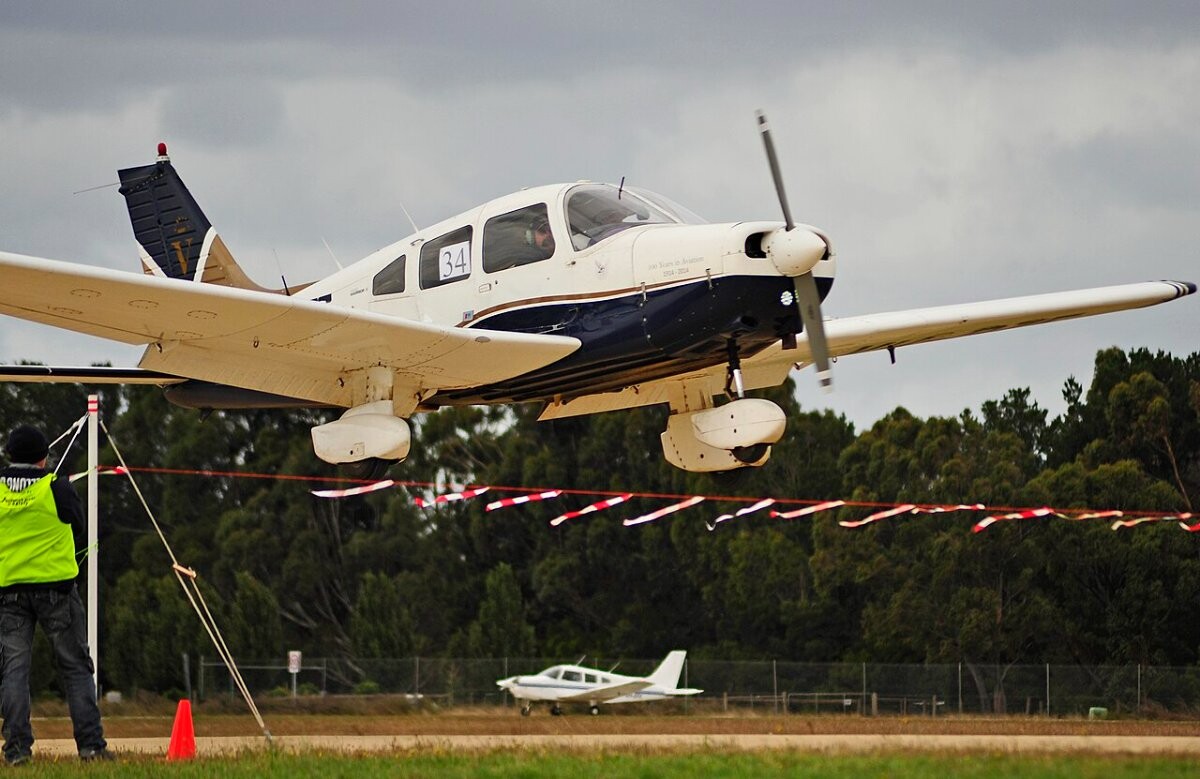
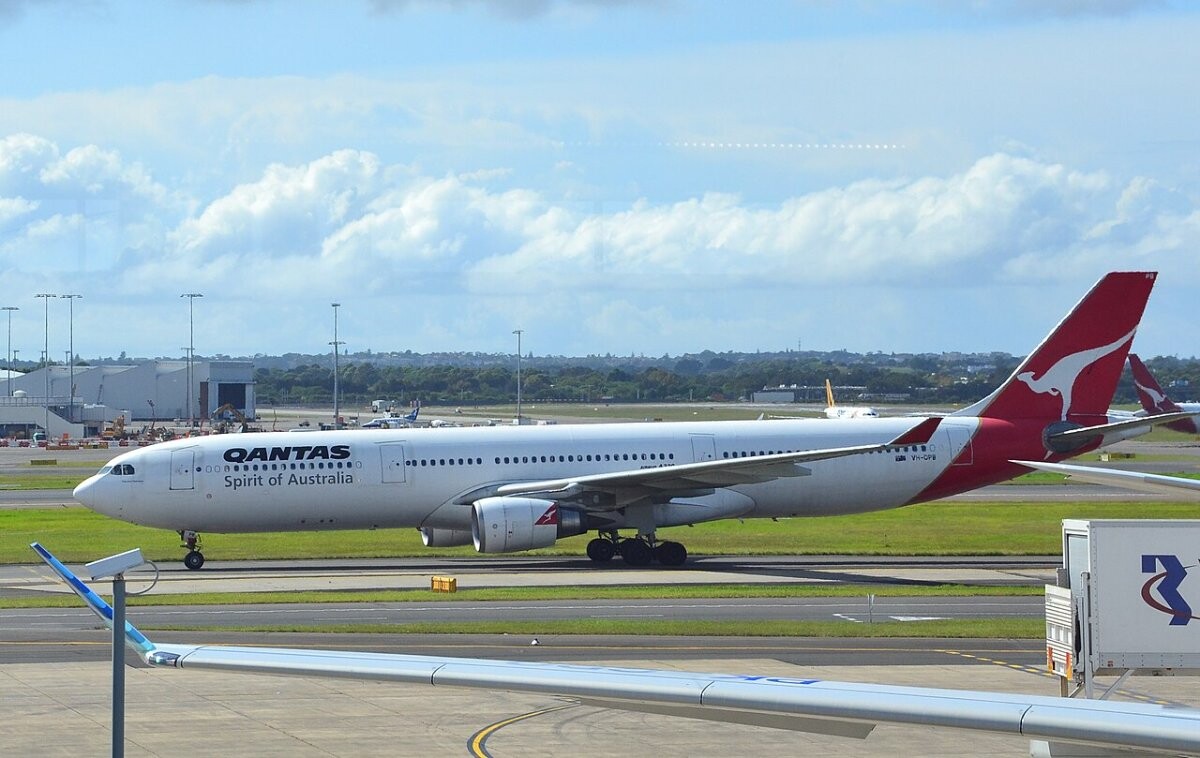
- Australian airline travel remains very safe. Almost all aviation deaths happen in light aircraft: private, training, agricultural, scenic and recreational flying.
- ATSB data show 27 people died in 20 light aircraft crashes in 2024, down from 33 deaths in each of 2022 and 2023.
- Weather remains a leading killer in general aviation: between 2015 and 2025 the ATSB recorded 13 fatal accidents and 24 deaths after visual pilots flew into cloud or poor visibility.
- At the big airports the concern is near misses on the ground: 599 runway and taxiway conflictions were reported at the five busiest airports from January 2016 to August 2026, with Sydney about 20% above the national rate.
What the numbers show
The Australian Transport Safety Bureau (ATSB) records every accident and incident reported to it in its National Aviation Occurrence Database, covering events since July 2003. Its last full statistical report, Aviation Occurrence Statistics 2010 to 2019, found that more than 90% of accidents and fatal accidents involved general aviation and recreational aircraft; in 2019 there were 17 general aviation deaths and 18 in recreational flying. More recent counts come from the database itself: ABC News analysis of ATSB data found 27 deaths in 20 crashes in calendar 2024, after 33 in each of the two previous years, and the ATSB investigated 14 of those 20 fatal crashes.
The 2025 picture is not yet complete in any published total. By early August 2025, ABC News reported 16 deaths in 12 fatal accidents for the year so far. At major airports, the ATSB’s new runway confliction analysis counts 599 runway or taxiway conflictions at Adelaide, Brisbane, Melbourne, Perth and Sydney from January 2016 to August 2026. Almost half were runway incursions. Across all five airports the data do not show a rise since the COVID recovery, but Sydney’s rate per aircraft movement is about 20% above the average.
What is driving it
Most fatal crashes involve small aircraft, single pilots and weather or handling errors. The ATSB says weather-related accidents remain a significant concern: of 116 reported cases of visual pilots entering cloud or poor visibility between 2015 and 2025, 13 were fatal. Its January 2026 report on a triple-fatal crash near Sale, Victoria, found that irregular flight school practices likely left the pilot without a proper understanding of stalls in steep turns.
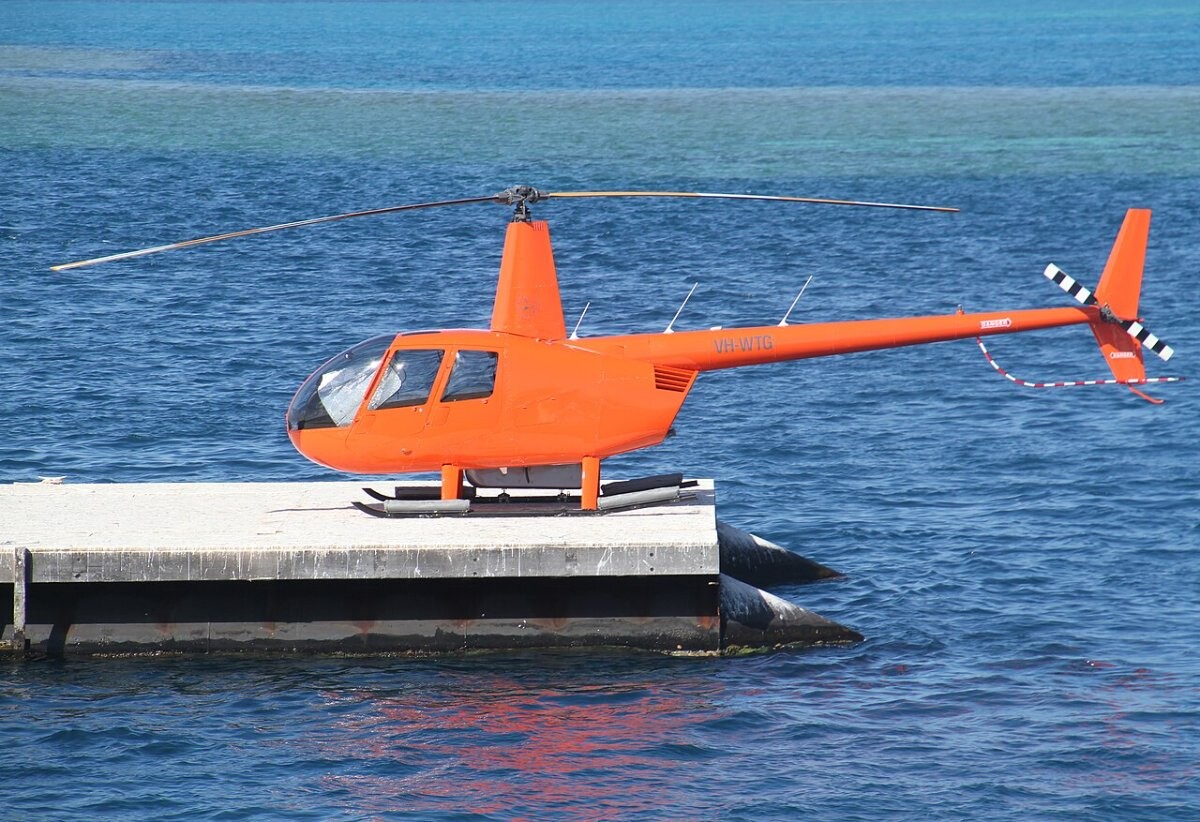
Commercial tourism flights are a second focus. The Gold Coast helicopter collision and the Rottnest Island floatplane crash both involved short scenic flights with paying passengers, and both investigations look at how operators manage risk, from radio calls and lookout at a busy helipad to aircraft crashworthiness and escape after a crash into water.
The trend, 2015–2024
| Year | Deaths | Change on year before |
|---|---|---|
| 2015 | 31 | – |
| 2016 | 21 | −32.3% |
| 2017 | 40 | +90.5% |
| 2018 | 20 | −50.0% |
| 2019 | 34 | +70.0% |
| 2020 | 32 | −5.9% |
| 2021 | 20 | −37.5% |
| 2022 | 33 | +65.0% |
| 2023 | 33 | 0.0% |
| 2024 | 28 | −15.2% |
Notes: VH- and non-VH-registered aircraft. BITRE gives 28 deaths for 2024. No 2025 figure yet. ATSB and BITRE editions can differ by a death or two as investigations close.
Common questions
Are aviation deaths in Australia going up or down?
In 2024 the figure was 28 deaths. That is 9.7% lower than in 2015 (31) and 15.2% down on 2023.
Which year was highest and which was lowest?
In this 2015–2024 series the highest year was 2017 (40) and the lowest was 2018 (20).
Why do aviation death counts differ between reports?
They are revised as investigations close and differ in coverage. For 2019, for example, an ATSB report gives 35 deaths while the BITRE yearbook gives 34.
Policy and budget changes
The main government measures and money figures behind this risk, newest first. Each item links to the official text we checked; where only a news report was available, the source says so.
Main policy changes
- 13 March 2026 New national airspace policy statement takes effect. The Australian Airspace Policy Statement 2026, made by the federal transport minister under the Airspace Act 2007, came into force; it requires the administration of Australian airspace to give priority to the safety of air navigation. (Federal Register of Legislation (F2026L00238))
- 26 August 2024 Aviation White Paper sets long-term direction. The federal government released its Aviation White Paper, a plan for the sector to 2050 whose ten focus areas include safety, security and airspace regulation and a separate chapter on general aviation. (Department of Infrastructure, Transport, Regional Development, Communications, Sport and the Arts)
- 2 December 2021 New flight operations rules replace decades-old regulations. CASA’s flight operations regulations, Parts 91, 119, 121, 133, 135 and 138 of the Civil Aviation Safety Regulations, took effect, replacing older rules for general flying, air transport, rotorcraft and aerial work operations. (Federal Register of Legislation (explanatory statement, F2021L00200))
- 30 September 2021 Updated rules on reporting accidents to the ATSB. The Transport Safety Investigation Regulations 2021 came into force, setting out which aviation and marine occurrences must be reported to the ATSB immediately and which within 72 hours. (Federal Register of Legislation (explanatory statement, F2021L01248))
Budget and costs
- 2025 CASA’s government funding rises to A$185.7 million. The 2025–26 Portfolio Budget Statements give the Civil Aviation Safety Authority A$185.7 million in funds from government in 2025–26, up from A$173.5 million (estimated actual) in 2024–25, including a new A$12.9 million measure. (Department of Infrastructure (Portfolio Budget Statements))
- 15 May 2024 2024–25 Budget: regional airstrips and air safety. The 2024–25 Budget included A$102 million to upgrade regional airports and remote airstrips, A$7.5 million for aviation safety measures and A$3.9 million in 2024–25 for the ATSB’s investigation work. (Australian Aviation (news report on the Budget))
Recent cases
- 26 October 2026: the ATSB releases preliminary reports into two more Sydney Airport taxiing conflicts from August, completing the set of six investigations into aircraft coordination incidents at the airport in July and August (ATSB).
- 30 September 2026: the ATSB publishes preliminary reports into four runway and taxiway conflicts at Sydney Airport in July and August 2026, alongside a ten-year analysis of runway conflictions (ATSB).
- 9 April 2025: the ATSB’s final report into the 2 January 2023 midair collision of two Sea World scenic helicopters over Main Beach, Gold Coast, which killed four people and seriously injured six, makes 28 findings (ATSB).
- 7 January 2025: a Swan River Seaplanes Cessna 208 Caravan floatplane crashes on take-off from Thomson Bay, Rottnest Island, killing the pilot and two passengers; the ATSB’s final report is still pending (ATSB).
Our read: what the numbers add up to
Australian aviation safety splits cleanly in two. Airline travel remains very safe, while almost all deaths happen in light aircraft. Within light aviation, 27 deaths in 20 crashes in 2024 is down from 33 in each of 2022 and 2023, but three years is too short, and the numbers too small, to call that a decline with any confidence.
Two facts, read together, say something the bullets do not. The fatal accidents that recur are low-tech: of 116 reported cases of visual pilots flying into cloud or poor visibility between 2015 and 2025, 13 were fatal, killing 24 people, and the Sale report pointed to irregular flight school practices around stall training. At the big airports, by contrast, the concern is not crashes but near misses on the ground, with 599 runway and taxiway conflictions at the five busiest airports since January 2016. The finding that the five airports overall show no rise since the COVID recovery, while Sydney’s rate is about 20% above average, points to a local problem rather than a national one. The scenic flight crashes add a third strand, where the investigations focus on how operators carrying paying passengers manage risk.
The data are patchy. The ATSB’s last full statistical report covers 2010 to 2019, newer counts rely on ABC News analysis of the database, and the 2025 total is not yet published, with 16 deaths in 12 fatal accidents by early August. What I would watch next is the outcome of the six Sydney Airport investigations and the pending final report on the Rottnest Island floatplane crash. My bottom line: light aircraft deaths are running at a few dozen a year with no clear trend, and the runway concern looks specific to Sydney rather than a sign of declining safety across the system.
Press releases and official reports, 2023–2026
Five key releases a year for the last four years, newest first. Most come from Australian Government agencies, state and territory agencies, regulators, accident investigators and national statistics; a few news reports are included where they are the clearest public record of an event. Releases from 2007–2022 are in the expandable list after 2023.
2026
- 30 Sep 2026ATSBATSB releases Sydney Airport preliminary reports
- 30 Sep 2026ATSBAnalysis of runway confliction occurrences at major Australian airports, 2016–2026
- 30 Sep 2026CASAATSB preliminary reports on incidents at Sydney Airport
- Jan 2026ATSBATSB investigation of fatal Gippsland accident finds irregular flight school practices
- 15 Jan 2026ABC NewsSurvivors of Rottnest seaplane crash recall moments after impact, thanking those who saved them
2025
- 19 Dec 2025ABC NewsRottnest plane crash ATSB probe to focus on whether seaplane had adequate safety features
- 8 Aug 2025ABC NewsSafety bureau decides not to investigate light plane crash near Balranald
- 9 Apr 2025ATSBATSB makes 28 findings in Gold Coast midair accident investigation
- 8 Jan 2025Al JazeeraLight aircraft crashes at tourist hotspot in Australia, killing 3
- 3 Jan 2025ABC NewsExperts call for ATSB to investigate all fatal light aircraft crashes
2024
- 16 Dec 2024ATSBPreliminary report into Bacchus Marsh light aircraft accident
- Sep 2024CASASelected Australian accidents and incidents 4 January to 29 March 2024
- 7 Feb 2024ATSBPreliminary report into fire surveillance aircraft accident near Cloncurry details evidence gathered to date, areas of on-going investigation
- Jan 2024ATSBVFR into IMC, loss of control and collision with terrain (AO-2022-016 final report)
- 2 Jan 2024ATSBGold Coast helicopter collision interim report
2023
- Dec 2023ATSBCollision with water involving Bell Helicopter Co 204B, VH-EQW, Tarome, Queensland (preliminary report)
- 20 Sep 2023ATSBSafety notice to aircraft lifejacket manufacturers
- 8 Sep 2023ATSBATSB releases preliminary report from on-going Caboolture mid-air collision investigation
- 7 Mar 2023ATSBPreliminary report released from on-going Gold Coast helicopter investigation
- 7 Mar 2023ATSBMid-air collision involving Eurocopter EC130B4, VH-XH9, and Eurocopter EC130B4, VH-XKQ, Main Beach, Gold Coast (preliminary report)
View 20 years of major Australian aviation accident press releases (2007–2026)13 more from 2007–2022, up to five a year, newest first
2020
- 4 Nov 2020ATSBAviation Occurrence Statistics (rates update) 2010 to 2019
- Apr 2020ATSBAviation Occurrence Statistics 2010 to 2019
2018
- 21 Dec 2018ATSBAviation Occurrence Statistics 2008 to 2017
- 15 Jan 2018ATSBAviation Occurrence Statistics 2007 to 2016
2017
- 23 Nov 2017ATSBFuel planning event, weather-related event and ditching involving Israel Aircraft Industries Westwind 1124A, VH-NGA, 6.4 km west-south-west of Norfolk Island Airport, on 18 November 2009 (reopened investigation final report)
- 11 Jan 2017ATSBAviation Occurrence Statistics 2006 to 2015
2013
- 30 Oct 2013ATSBAviation Occurrence Statistics 2003 to 2012
- 27 Jun 2013ATSBATSB releases report into Qantas A380 engine failure
2012
- Aug 2012ATSBAircraft ditching highlights the need for good flight planning and monitoring
- 30 May 2012ATSBAviation Occurrence Statistics 2002 to 2011
2011
- 19 Dec 2011ATSBIn-flight upset – Airbus A330-303, VH-QPA, 154 km west of Learmonth, Western Australia, on 7 October 2008 (final report)
2009
- 18 Nov 2009ATSB2009/16: ATSB Second Interim Factual Report into the Qantas Airbus A330-303 in-flight upset, 154 km west of Learmonth WA, on 7 October 2008
- 6 Mar 2009ATSBATSB Interim Factual Report into the Qantas Airbus A330-303 in-flight upset, 154 km west of Learmonth WA, 7 October 2008
Some early years list fewer than five items. Many older Australian government releases are no longer online at their original addresses, and we only list items we could find and check.
Photo list
How this page is built. Figures come from the official statistical releases linked above; where agencies publish provisional numbers we say so, because they are revised. Australian statistics are often published separately by each state and territory, and financial years run from July to June, so we say which area and period each figure covers. Photos are public-domain or Creative Commons images credited in each caption; file photos are illustrative and are not from the events described unless the caption says so. This page tracks trends and is not personal safety, medical, legal or financial advice.