
Trend summary
- Fewer people drown around the UK than a decade ago, and commercial fishing, long Britain’s most dangerous job, has had some of its safest years.
- 202 people died in accidental water-related incidents in the UK in 2025, up from 193 in 2024 but about 41% below the 2013-15 baseline of 344.
- The Marine Accident Investigation Branch received 1,585 accident reports in 2025 and opened 16 investigations, seven involving loss of life.
- HM Coastguard’s workload keeps rising: 39,147 incidents in 2024-25, up from 36,330 three years earlier.
What the numbers show
The National Water Safety Forum’s WAID database recorded 202 accidental water deaths in 2025: 150 in England, 39 in Scotland, 12 in Wales and one in Northern Ireland. 57% were inland, at rivers, lakes and reservoirs, and 85% of those who died were men. The 2025 figure is well below the 2013-15 average of 344, though short of the strategy’s goal of halving deaths by 2026.
On the water itself, the MAIB annual report says two fishers died after falling overboard in 2025 and two UK fishing vessels were lost. In 2024, four people died on UK commercial vessels and 13 on recreational craft, seven of them on the yacht Bayesian.
What is driving it
Fishing remains the outlier. A study of 160 deaths (Roberts, 2010) found a fatal accident rate 115 times that of the general workforce, mostly drowning or hypothermia after a vessel loss or a fall overboard. MAIB’s Chief Inspector points to small boats with little watertight subdivision, fatigue, and, for merchant ships, poor lookout and watchkeeping. Drowning risk on the coast and inland falls mostly on men and on people out for recreation.
Policy and budget changes
The main government measures and money figures behind this risk, newest first. Each item links to the official text we checked; where only a news report was available, the source says so.
Main policy changes
- March 2026 2026 edition of seafarers’ safe working code. The Maritime and Coastguard Agency published the 2026 edition of the Code of Safe Working Practices for Merchant Seafarers, updated after its 2025 annual review. UK-flagged merchant ships are legally required to carry the Code. (Maritime and Coastguard Agency (GOV.UK))
- 13 December 2023 Workboat Code Edition 3 takes effect. Edition 3 of the Workboat Code, the MCA’s statutory safety standard for small commercial workboats and pilot boats, came into force for new vessels; existing vessels must comply by their next renewal or within three years, whichever is later. (Maritime and Coastguard Agency (GOV.UK))
- 31 December 2018 Work in Fishing Convention rules for fishing crews. The Merchant Shipping (Work in Fishing Convention) Regulations 2018 came into force, setting standards for UK fishing vessels on minimum age, work agreements, accommodation, food and water, medical care and insurance, with inspection powers to enforce them. (legislation.gov.uk (SI 2018/1106))
- 31 July 2012 Rules for reporting and investigating marine accidents. The Merchant Shipping (Accident Reporting and Investigation) Regulations 2012 came into force, requiring masters and owners to report accidents to the Chief Inspector of Marine Accidents and making the aim of investigations the prevention of future accidents, not blame. (legislation.gov.uk (SI 2012/1743))
Budget and costs
- 21 July 2022 £1.6bn, ten-year search and rescue aviation contract. The Maritime and Coastguard Agency signed a contract worth about £1.6 billion (nominal) with Bristow Helicopters for the UK’s helicopter and fixed-wing search and rescue service for the next ten years. The move from the old contracts was to run from 30 September 2024 to 31 December 2026. (Department for Transport / MCA (GOV.UK, archived news))
- 26 March 2013 First civilian-run search and rescue helicopter contract. The Department for Transport announced a £1.6 billion contract with Bristow Helicopters, managed by the Maritime and Coastguard Agency, to run the UK search and rescue helicopter service for 7 to 10 years, fully operational by summer 2017 (nominal). (Department for Transport, written statement to Parliament (GOV.UK))
Recent cases
- 25 September 2026: MAIB reports on the longliner Argos Georgia, which sank near the Falklands in July 2024 with the loss of 13 of its 27 crew (MAIB).
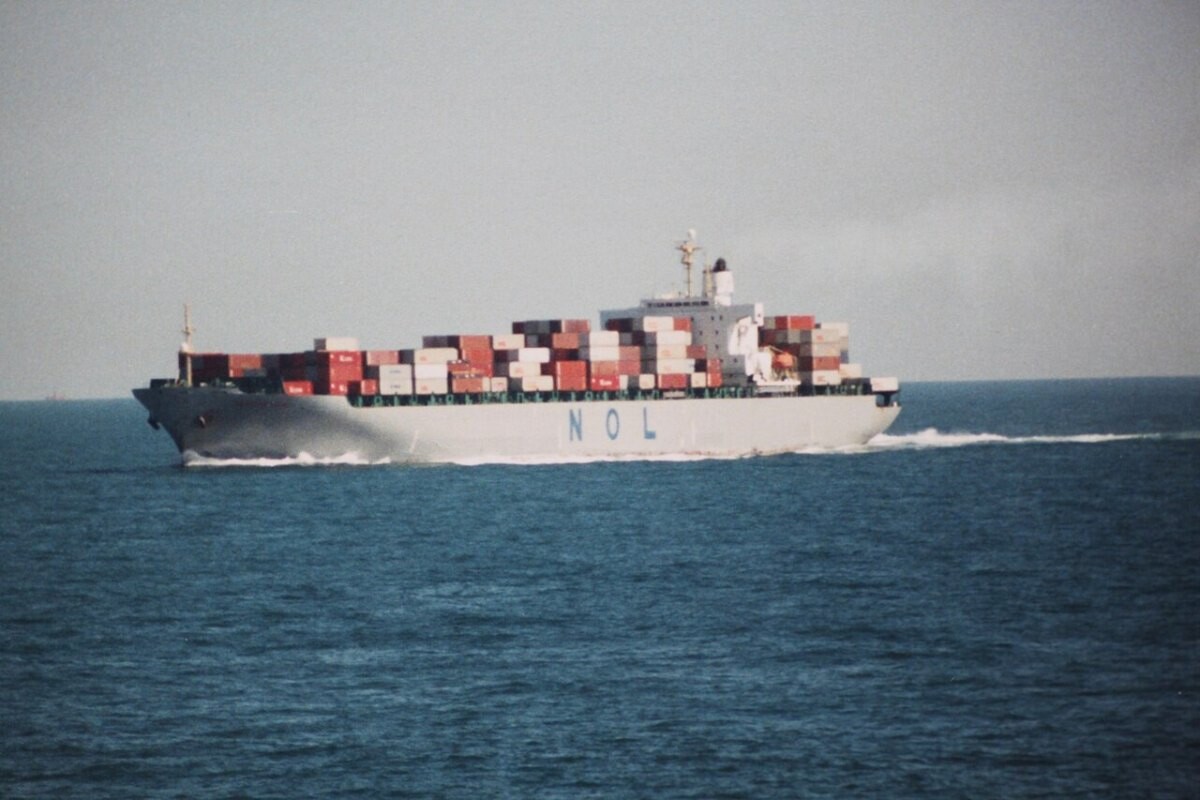
- 2 February 2026: the master of the container ship Solong is convicted of gross negligence manslaughter over a crew member’s death in the March 2025 collision with the tanker Stena Immaculate (CPS).
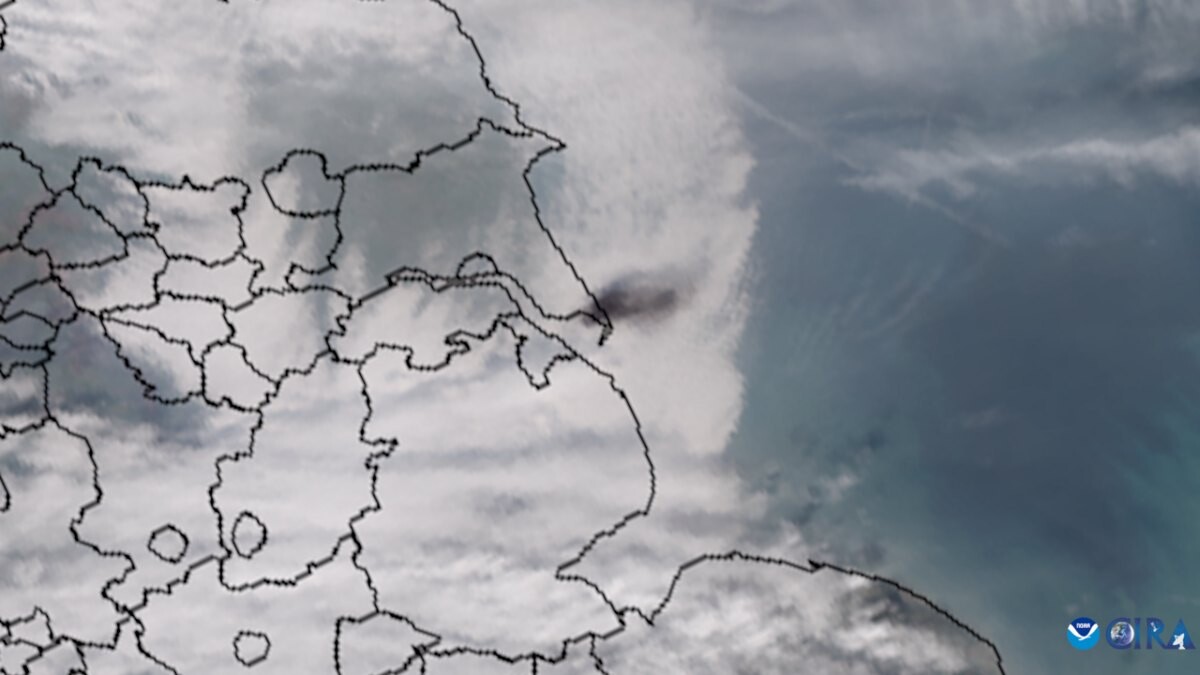
- 10 March 2025: Solong hits the anchored Stena Immaculate off the Humber estuary, starting a fire; MAIB publishes an interim report on 3 April (MAIB).
Our read: what the numbers add up to
The long-run direction is down, though the latest year ticked up. Accidental water deaths in the UK were 202 in 2025, up from 193 in 2024 but about 41% below the 2013-15 baseline of 344. That is real progress, even if it falls short of the national strategy’s goal of halving deaths by 2026.
The more telling figures sit underneath the total. 57% of the deaths were inland, at rivers, lakes and reservoirs, and 85% of those who died were men, so the risk is less about the open sea than about recreation near water. Commercial fishing, with a fatal accident rate once found to be 115 times that of the general workforce, had just two crew deaths in 2024, equal lowest in a decade, and two fishers died after falling overboard in 2025. Numbers this small can swing, but they are encouraging. At the same time, HM Coastguard handled 39,147 incidents in 2024-25, up from 36,330 three years earlier. A rising workload alongside falling deaths could mean more people on the water, quicker rescue, or simply more calls being logged; the figures on this page do not say which, and I would not guess.
Caveats: a single year can be distorted by one event, as 2024 showed when seven of the 13 deaths on recreational craft came from the yacht Bayesian. The MAIB’s 1,585 accident reports and 16 investigations in 2025 say more about reporting volume than about risk. What I would watch is the 2026 drowning total against the halving goal, and whether the Solong case sharpens attention to lookout and watchkeeping, which MAIB already flags for merchant ships. Bottom line: fewer people are dying in the water than a decade ago, but the coastguard is busier and the gains are not yet secure.
Press releases and official reports, 2023–2026
Five key releases a year for the last four years, newest first. Most come from UK government departments, regulators, accident investigators and national statistics; a few news reports are included where they are the clearest public record of an event. Releases from 2007–2022 are in the expandable list after 2023.
2026
- 25 Sep 2026MAIBFoundering of the fishing vessel Argos Georgia with the loss of 13 lives
- 15 Jul 2026MAIBPeaky Blinder report and safety flyer published
- 27 May 2026NWSF202 accidental water-related fatalities in 2025 – inland locations like rivers, lakes and reservoirs account for majority of deaths
- 15 May 2026MAIBNew regulations are now in force
- 2 Feb 2026CPSNorth Sea boat crash captain convicted over 'exceptionally bad' negligence leading to death of crew member
2025
- 17 Jul 2025MAIBMAIB Annual Report 2024
- 28 May 2025NWSF193 accidental water-related fatalities in 2024 – with more warm weather ahead, public urged to Respect the Water
- 3 Apr 2025MAIBSolong and Stena Immaculate interim report published
- 2 Apr 2025RNLIData reveals RNLI lifeboat crews launched over 9,000 times last year
- 11 Mar 2025DfTNorth Sea vessel collision
2024
- 13 Nov 2024MAIBBiter and Hebridean Princess report published
- 17 Oct 2024MAIBMAIB Annual Report 2023 published
- 17 Oct 2024MAIBWheelyboat 123 report published
- 10 Oct 2024MAIBSafety warning issued following the foundering of fishing vessel Argos Georgia with the loss of 13 lives
- 19 Sep 2024MAIBMAIB's new data portal goes live
2023
- 14 Dec 2023MAIBSeadogz report published
- 9 Nov 2023MAIBInflatable migrant boat report published
- 8 Sep 2023MAIBScot Carrier and Karin Høj report published
- 4 Jul 2023MAIBPlanning and preparation vital to reduce man overboard fatalities
- 27 Apr 2023MAIBEmma Louise report and safety flyer published
View 20 years of major UK maritime safety press releases (2007–2026)80 more from 2007–2022, five a year, newest first
2022
- 16 Dec 2022MAIBReul A Chuain report and safety flyer published
- 8 Dec 2022MAIBStand up paddleboarding accident report published
- 23 Jun 2022MAIBNicola Faith report and safety flyer published
- 22 Jun 2022MAIBJoanna C report and safety flyer published
- 9 Jun 2022MAIBMAIB Annual Report 2021 published
2021
- 3 Dec 2021MAIBAchieve and Talis report and safety flyer published
- 20 Jul 2021MAIBStolt Groenland report published
- 9 Jun 2021MAIBMAIB Annual Report 2020 published
- 31 May 2021MAIBFishing vessel Nicola Faith recovered from seabed
- 20 May 2021MAIBSeadogz interim report published
2020
- 10 Dec 2020MAIBSunbeam report and safety flyer published
- 25 Nov 2020MAIBMarine Accident Statistics report 2019 published
- 15 Oct 2020MAIBSafety bulletin published for the Diversion investigation
- 8 Jul 2020MAIBAnna-Marie II report and safety flyer published
- 30 Jun 2020MAIBMAIB Annual Report 2019 published
2019
- 16 Dec 2019MAIBStolt Groenland interim report published
- 3 Oct 2019MAIBPriscilla report published
- 17 Jul 2019MAIBMAIB Annual Report 2018 published
- 30 May 2019MAIBNancy Glen report and flyer published
- 26 Mar 2019MAIBSafety Bulletin 1/2019 published
2018
- 6 Dec 2018MAIBSolstice report and flyer published
- 19 Oct 2018MAIBSafety Bulletin 4/2018 published
- 1 Aug 2018MAIBSafety Bulletin 3/2018 published
- 4 Jul 2018MAIBVaruna report and flyer published
- 27 Jun 2018MAIBMAIB Annual Report 2017 published
2017
- 7 Sep 2017MAIBTransocean Winner and ALP Forward report published
- 10 Aug 2017MAIBVasquez report published
- 31 Jul 2017MAIBMAIB Annual Report 2016 published
- 27 Jul 2017MAIBLouisa report and flyer published
- 8 Feb 2017MAIBCity of Rotterdam and Primula Seaways report published
2016
- 3 Nov 2016MAIBAnnie T, Harvester and Apollo reports published
- 9 Aug 2016MAIBSafety bulletin published for the Love for Lydia investigation
- 7 Jul 2016MAIBJMT report and flyer published
- 21 Apr 2016MAIBCemfjord report published
- 17 Mar 2016MAIBHoegh Osaka report published
2015
- 18 Nov 2015MAIBOcean Way investigation report and safety flyer published
- 27 Jul 2015MAIBMAIB Annual Report 2014 published
- 20 Jul 2015MAIBExclusion zone declared
- 20 May 2015MAIBShoreway/Orca report and flyer published
- 5 Jan 2015MAIBMAIB investigations launched
2014
- 28 Aug 2014MAIBPerson overboard from passenger ferry Snowdrop resulting in recovery of a young child from the water
- 3 Jul 2014MAIBFire started by used vehicle's electrical defect on main deck of ro-ro cargo ferry Corona Seaways
- 10 Apr 2014MAIBCollision between tug Christos XXII and its tow, former fisheries protection vessel Emsstrom which later sank
- 10 Jan 2014MAIBFlooding and sinking of potter Achieve with loss of 1 life
- 9 Jan 2014MAIBSinking in heavy weather of under 12m netter JCK with loss of 1 life
2013
- 12 Jun 2013MAIBStructural failure of general cargo vessel Swanland resulting in it sinking with loss of 6 lives
- 7 Jun 2013MAIBPersons washed overboard from general cargo vessel Timberland during heavy weather with loss of 2 lives
- 2 May 2013MAIBFlooding and sinking of potter Purbeck Isle with loss of 3 lives
- 26 Mar 2013DfTFuture of UK helicopter search and rescue agreed
- 10 Jan 2013MAIBCapsize and sinking of under 12m ring netter Heather Anne with loss of 1 life
2012
- 16 Aug 2012MAIBPerson overboard during unmooring operation on ro-ro passenger ferry Ernest Bevin with loss of 1 life
- 19 Jul 2012MAIBParting of fall wire during a rescue boat drill on car carrier Tombarra with loss of 1 life
- 23 May 2012MAIBCollision between tug Chiefton and its tow resulting in tug capsizing and sinking with loss of 1 life
- 17 May 2012MAIBGrounding of container vessel Karin Schepers
- 8 Mar 2012MAIBPerson overboard from potter About Time with loss of 1 life
2011
- 3 Nov 2011MAIBPersons overboard from creelers Discovery and Breadwinner during single handed operations with loss of 2 lives
- 14 Jul 2011DfTGovernment announces updated coastguard reforms
- 11 Jul 2011DfTSearch and rescue interim contract
- 17 Mar 2011MAIBCollision between ro-ro passenger vessel Scottish Viking and prawn trawler Homeland with loss of 1 life
- 14 Mar 2011DfTModernisation of the coastguard service
2010
- 16 Dec 2010DfTModernisation of coastguard services
- 16 Sep 2010MAIBCollision between bulk carrier Alam Pintar and potter Etoile des Ondes resulting in potter sinking with loss of 1 life
- 7 Jul 2010MAIBCollision between offshore circuit racing powerboats Sleepwalker and Harwich 2011 with loss of 1 life
- 11 Jun 2010MCAMCA solent maritime rescue co-ordination
- 15 Apr 2010MAIBCapsize and sinking of scallop dredger Aquila with loss of 3 lives
2009
- 3 Sep 2009MAIBGrounding and subsequent loss of ro-ro cargo vessel Riverdance
- 24 Jun 2009MAIBHeavy weather encountered by passenger cruise ship Pacific Sun with 77 people injured
- 25 Mar 2009MAIBFire on twin rig prawn trawler Vision II, used as overnight accommodation, with loss of 3 lives
- 14 Jan 2009MAIBGrounding of ro-ro passenger ferry Pride of Canterbury while sheltering from heavy weather
- 6 Jan 2009MAIBEntry to enclosed space on passenger cruise ship Saga Rose with 1 person injured and loss of 1 life
2008
- 30 Sep 2008MAIBGirting and capsize of tug Flying Phantom while towing bulk carrier Red Jasmine with 1 person injured and loss of 3 lives
- 9 Jul 2008MAIBEntry to enclosed space on emergency response rescue vessel Viking Islay with loss of 3 lives
- 30 Jun 2008MAIBSinking of motor cruiser Last Call in heavy weather with loss of 3 lives
- 22 Apr 2008MAIBStructural failure of container vessel MSC Napoli and subsequent beaching
- 25 Jan 2008MAIBCollision between oil products tanker Audacity and general cargo vessel Leonis
2007
- 27 Sep 2007MAIBCollision between high speed passenger ferry Sea Express 1 and general cargo vessel Alaska Rainbow
- 4 Sep 2007MAIBCapsize and sinking of pair trawler Meridian while on guard ship duties with loss of 4 lives
- 14 Aug 2007MAIBKeel failure and capsize of sailing yacht Hooligan V with loss of 1 life
- 12 Apr 2007MAIBSinking of sailing yacht Ouzo after encounter with ro-ro passenger ferry Pride of Bilbao with loss of 3 lives
- 31 Jan 2007MAIBGrounding and sinking of stern trawler Brothers with loss of 2 lives
Photo list
How this page is built. Figures come from the official statistical releases linked above; where agencies publish provisional numbers we say so, because they are revised. UK statistics are often published separately for England, Wales, Scotland and Northern Ireland, so we say which area each figure covers. Photos are public-domain, Creative Commons or Open Government Licence images credited in each caption; file photos are illustrative and are not from the events described unless the caption says so. This page tracks trends and is not personal safety, medical, legal or financial advice.