
Trend summary
- Commercial flying in the US remains extremely safe per mile. Most aviation deaths happen in small private aircraft, not airliners.
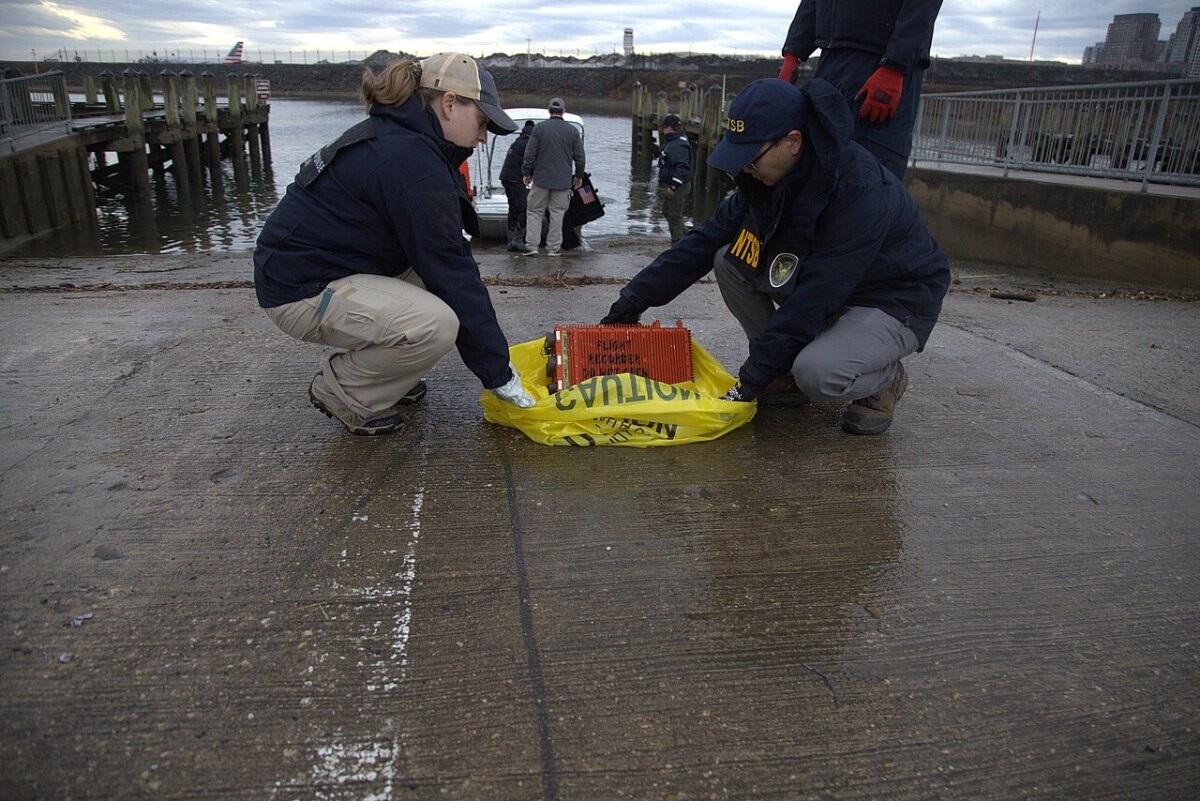
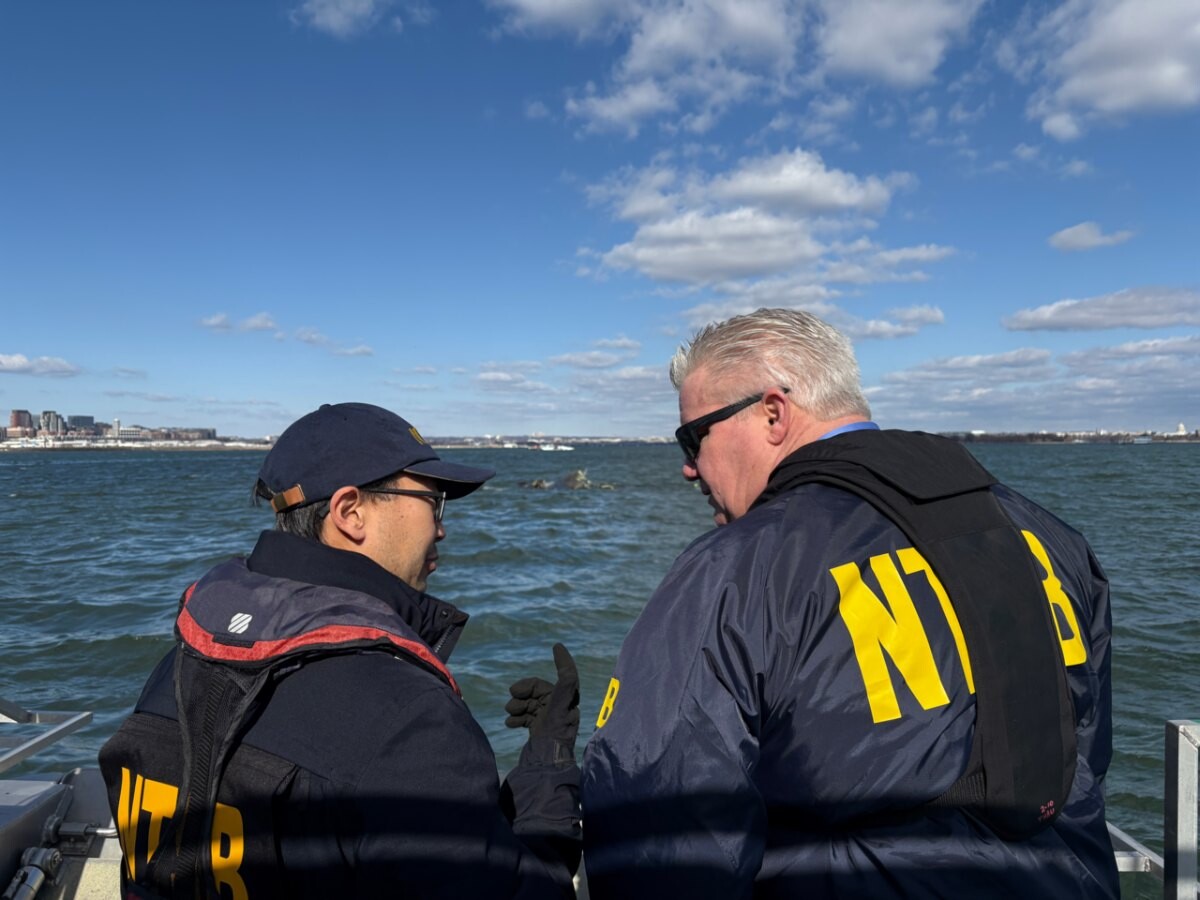
- That record was broken on 29 January 2025, when an airliner and an Army helicopter collided over the Potomac River near Washington, killing all 67 aboard both aircraft.
- In January 2026 the NTSB found no single cause but “deep, underlying systemic failures” and approved nearly 50 recommendations.
- On 6 September 2026 a Boeing 767 cargo jet overran a runway at Miami International Airport; at least five people died.
What the numbers show
Year-to-year counts of aviation deaths swing with single events, so the headline trend is hard to read. What is clear from NTSB data is the split: scheduled airlines account for a small share of deaths, while general aviation (private and small commercial flying) produces most fatal accidents. The Bureau of Transportation Statistics keeps the long series on general aviation accidents.
What is driving it
The Potomac inquiry put the spotlight on crowded airspace around busy airports: helicopter routes with little vertical separation from runway approaches, reliance on pilots seeing each other at night, and an overloaded control tower. The NTSB urged wider use of ADS-B equipment that both transmits and receives aircraft positions (NPR).
Policy and budget changes
The main government measures and money figures behind this risk, newest first. Each item links to the official text we checked; where only a news report was available, the source says so.
Main policy changes
- 22 January 2026 Helicopter limits near Reagan National made permanent. After the January 2025 mid-air collision, the FAA announced that restrictions on helicopters near Washington’s Reagan National Airport would be permanent, issued an interim final rule barring helicopter operations in some cases when certain runways are in use, and ended visual separation within 5 nautical miles of the airport. (Federal Aviation Administration)
- 16 May 2024 FAA Reauthorization Act of 2024 signed. The FAA Reauthorization Act of 2024 (Public Law 118-63) was signed into law. It directs the FAA to maximise air traffic controller hiring and revise staffing standards, and adds oversight of foreign repair stations and manufacturer certification work. (FAA; Congressional Research Service)
- 22 April 2024 Safety management systems required for charter and tour flights. The FAA issued a rule requiring charter and commuter carriers, sightseeing flight operators and certain aircraft manufacturers to set up a Safety Management System to find and address risks early, within one to three years depending on the operation. (Federal Aviation Administration)
- 1 January 2020 ADS-B Out position broadcasting becomes mandatory. From 1 January 2020, aircraft flying in most controlled airspace, including around major airports and above 10,000 feet, must carry ADS-B Out equipment that broadcasts their position. The FAA rule had been published in May 2010. (Federal Aviation Administration)
Coming up: 28 May 2027 — Deadline for existing charter (Part 135) operators and air tour operators to have a Safety Management System in place under the 2024 FAA rule. (Federal Register (FAA final rule))
Budget and costs
- 4 December 2025 $12.5 billion for a new air traffic control system. The FAA says Congress provided US$12.5 billion through the One Big Beautiful Bill for the Brand New Air Traffic Control System, and that an additional US$20 billion is needed. (FAA (fact sheet))
- 16 May 2024 FAA authorised $19.6 billion for FY2024, rising to $22.0 billion. The FAA Reauthorization Act of 2024 authorised US$19,551 million across the FAA’s four main accounts for FY2024, rising to US$22,024 million in FY2028, including US$4,000 million a year for the Airport Improvement Program from FY2025. (Congressional Research Service (IF12791, via EveryCRSReport))
Recent cases
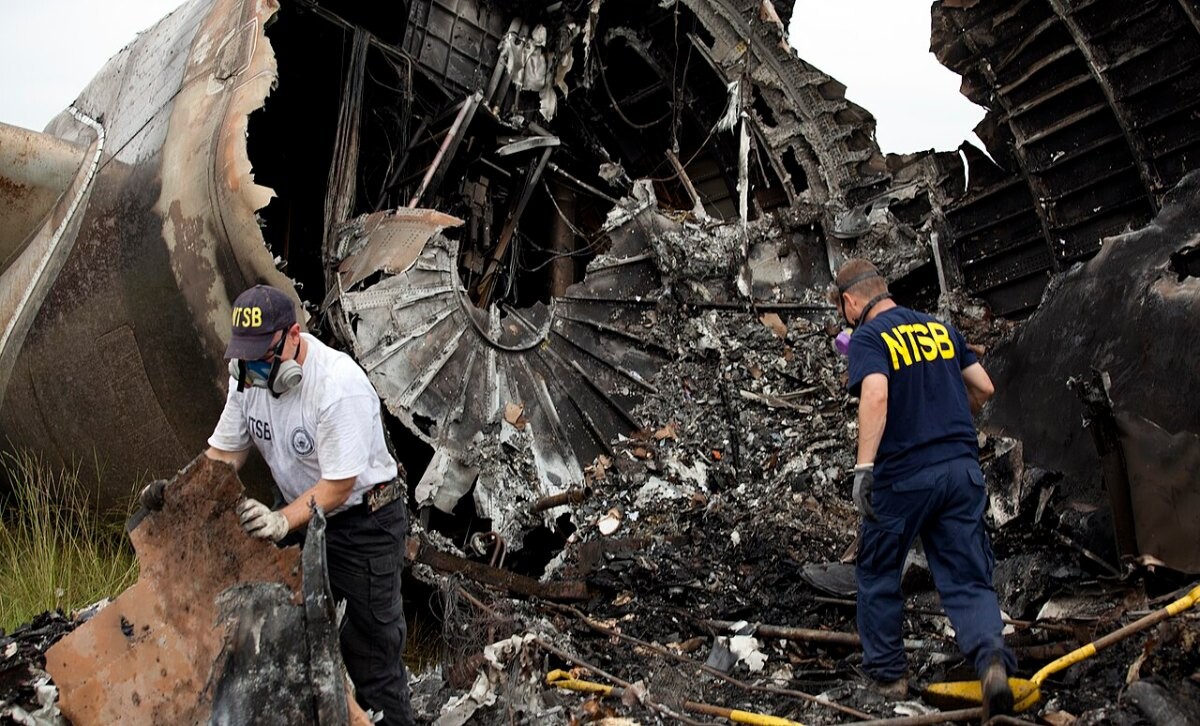
- 6 September 2026, Miami: a 32-year-old Boeing 767-300 freighter flying from San Juan overran the runway, struck vehicles and caught fire; NTSB investigators opened a formal inquiry (CBS Miami).
- 27 January 2026: NTSB board meeting on the Potomac mid-air collision.
Our read: what the numbers add up to
Aviation is the hardest page in this section to read as a trend, because year-to-year totals swing on single events. The page is careful on this, and I agree with it: the underlying picture is that scheduled airline travel is extremely safe per mile, while general aviation produces most fatal accidents. A bad year for airliners is a cluster of rare events, not a shift in the baseline.
That said, the Potomac collision of 29 January 2025, which killed all 67 aboard both aircraft, deserves more weight than its single-event status suggests. The NTSB found no single cause but deep, underlying systemic failures, and approved nearly 50 recommendations. Those findings describe conditions rather than a one-off mistake: helicopter routes with little vertical separation from runway approaches, reliance on pilots seeing each other at night, and an overloaded control tower. Conditions like those can exist at other busy airports, which is what makes the inquiry more important than the death toll alone. The Miami cargo overrun on 6 September 2026, with at least five deaths, is a different kind of event, involving a 32-year-old freighter, and I would not link the two without evidence. What they share is that both were highly visible, which tends to shape public perception of a trend more than the data does.
The caveats are that the Miami inquiry is open, the BTS long series on general aviation is the better guide to real trends, and two events cannot establish a direction. What I would watch is how many of the Potomac recommendations are adopted, particularly wider use of ADS-B equipment that both transmits and receives. The bottom line: commercial flying remains very safe, but the system around busy airports has been shown to have gaps worth closing.
Press releases and official reports, 2023–2026
Five key releases a year for the last four years, newest first. Most are from federal agencies; a few news reports are included where they are the clearest public record of an event. Releases from 2007–2022 are in the expandable list after 2023.
2026
- 9 Sep 2026NTSBNTSB Issues Investigative Update on B-767 Runway Excursion Accident in Miami
- Sep 2026CBS MiamiNTSB arrives at Miami International Airport to begin investigation into deadly Amazon cargo plane crash
- 27 Jul 2026NTSBStatement from NTSB Chairwoman Jennifer Homendy on the open recommendations for the investigation of the January 2025 midair collision near Ronald Reagan Washington National Airport
- 2026NTSBAircraft accident report: Midair Collision over the Potomac River (PDF)
- 27 Jan 2026NTSBSystemic Failures Led to Midair Collision Over Potomac River in Washington
2025
- 1 Aug 2025NPR3 big takeaways from the NTSB hearing on the DCA midair collision
- 24 Jun 2025NTSBBoeing’s Inadequate ‘Training, Guidance and Oversight’ Led to Mid-Exit Door Plug Blowout on Passenger Jet
- 12 Apr 2025NTSBNTSB Investigative Update on Jersey City Helicopter Crash
- 11 Mar 2025NTSBNTSB Makes Urgent Recommendations on Helicopter Traffic Near Reagan National Airport
- 13 Feb 2025NTSBFeb. 14 media briefing on mid-air collision near DCA
2024
- 27 Aug 2024NTSBInadequate Operator Inspections, Lax FAA Oversight Led to West Virginia Helicopter Crash
- 17 Jul 2024NTSBNTSB Releases Details on Boeing 737 Door Plug Investigative Hearing
- 6 Jun 2024NTSBAir Traffic Control Issues, Lack of Safety Technology Led to Near-Collision on Foggy Texas Runway
- 4 Jun 2024NTSBNTSB Releases Abstract of Final Report on 2023 JFK Airport Runway Near-Collision
- 12 Mar 2024NTSBNTSB Schedules Investigative Hearing on Boeing 737-9 MAX Door Plug Blowout
2023
- 22 Aug 2023FAARunway Safety Meetings Scheduled at Approximately 90 Airports
- 5 May 2023NTSBNTSB Chair Homendy to Hold May 23 Event on Runway Incursions
- 22 Mar 2023FAAFAA Urges Airlines, Pilots and Others to Take Key Safety Actions
- 15 Mar 2023FAAReadout from the FAA Aviation Safety Summit Breakout Panels
- 15 Feb 2023AINNTSB Preliminary Report Outlines JFK Airport Runway Incursion Near-miss
View 20 years of major aviation safety press releases (2007–2026)80 more from 2007–2022, five a year, newest first
2022
- 27 Dec 2022NTSBNTSB Releases Comments on Ethiopia’s Investigation of the Boeing 737-8 Max Accident
- 2 Dec 2022NTSBNTSB Urges Immediate Inspections of Bell 407 Helicopters
- 29 Nov 2022NTSBNTSB Says Air Tour Safety in Popular Alaska Destination Needs to be Improved, Urges FAA to Act
- 22 Nov 2022NTSBNew Rule Protects Hot Air Balloon Passengers
- 24 Oct 2022NTSBNTSB Identifies Possible Safety Issue in Mutiny Bay Plane Crash
2021
- 17 Nov 2021NTSBU.S. Civil Aviation Fatalities and Flight Activity Decreased in 2020
- 20 Apr 2021NTSBLimitations of See-and-Avoid, Lack of Warning Alerts, Led to Alaska Midair Collision
- 13 Apr 2021NTSBPilot’s Actions, Maintenance Issues, Ineffective Safety Management System and Oversight, all Contributed to Fatal Crash of Historic B-17 Airplane
- 23 Mar 2021NTSBNTSB Calls for Enhanced Safety Standards in Some Revenue Passenger-Carrying General Aviation Operations
- 9 Feb 2021NTSBPilot’s Poor Decision Making, Spatial Disorientation, Led to Fatal Helicopter Crash
2020
- 18 Nov 2020FAASummary of the FAA’s Review of the Boeing 737 MAX
- 30 Sep 2020FAAFAA Administrator Completes Boeing 737 MAX Flight
- 14 Jul 2020NTSBFirst Officer, Captain Actions, Aviation Industry Practices, Led to Fatal Atlas Air Crash
- 10 Mar 2020NTSBPrevalence of Potentially Impairing Drugs in Fatally Injured Pilots Continues to Increase
- 20 Feb 2020NTSBComprehensive Alaska Aviation Safety Approach Needed
2019
- 10 Dec 2019NTSBNTSB Calls for Halt to Doors-Off Helicopter Rides Using Supplemental Passenger Restraints
- 19 Nov 2019NTSBNTSB Issues 7 Safety Recommendations Based on Findings from Southwest Airlines Flight 1380 Investigation
- 14 Nov 2019NTSBU.S. Aviation Fatalities Increased in 2018
- 26 Sep 2019NTSBNTSB Issues 7 Safety Recommendations to FAA related to Ongoing Lion Air, Ethiopian Airlines Crash Investigations
- 22 May 2019NTSBNTSB Publishes Preliminary Report for Investigation of Mid-Air Collision, Calls for Greater Safety Measures for For-Hire Flights
2018
- 2 Oct 2018NTSBExtended Duration Cockpit Voice Recorders
- 25 Sep 2018NTSBTaxiway Overflight, Air Canada Flight 759, Airbus A320-211, C-FKCK, San Francisco, California, July 7, 2017
- 17 Apr 2018NTSBCollision with Terrain, Hageland Aviation Services, Inc. dba Ravn Connect Flight 3153, Cessna 208B, N208SD, Togiak, Alaska, October 2, 2016
- 19 Mar 2018NTSBAdditional Harness Systems that Allow for Rapid Egress
- 30 Jan 2018NTSBUncontained Engine Failure and Subsequent Fire, American Airlines Flight 383, Boeing 767-323, N345AN, Chicago, Illinois, October 28, 2016
2017
- 17 Oct 2017NTSBImpact with Power Lines, Heart of Texas Hot Air Balloon Rides, Balóny Kubíček BB85Z, N2469L, Lockhart, Texas, July 30, 2016
- 25 Apr 2017NTSBCollision with Terrain, Promech Air, Inc., de Havilland DHC-3, N270PA, Ketchikan, Alaska, June 25, 2015
- 29 Mar 2017NTSBImproving Pilot Weather Report Submission and Dissemination to Benefit Safety in the National Airspace System
- 28 Mar 2017NTSBLoss of Control at Takeoff, Air Methods Corporation, Airbus Helicopters AS350 B3e, N390LG, Frisco, Colorado, July 3, 2015
- 28 Feb 2017NTSBPreventing Catastrophic Failure of Pratt & Whitney Canada JT15D-5 Engines Following Birdstrike or Foreign Object Ingestion
2016
- 14 Nov 2016NTSBEducating Controllers on Two Midair Collisions
- 27 Oct 2016NTSBWeather Information Dissemination
- 18 Oct 2016NTSBCrash During Nonprecision Instrument Approach to Landing, Execuflight Flight 1526, British Aerospace HS 125-700A, N237WR, Akron, Ohio, November 10, 2015
- 25 Aug 2016NTSBEmergency Training for Air Traffic Controllers
- 11 Jul 2016NTSBImproving Pilot and Aviation Medical Examiner Knowledge of Cataract Hazards
2015
- 16 Dec 2015FAARegistration and Marking Requirements for Small Unmanned Aircraft
- 9 Sep 2015NTSBRunway Overrun During Rejected Takeoff, Gulfstream Aerospace Corporation G-IV, N121JM, Bedford, Massachusetts, May 31, 2014
- 28 Jul 2015NTSBIn-Flight Breakup During Test Flight, Scaled Composites SpaceShipTwo, N339SS, Near Koehn Dry Lake, California, October 31, 2014
- 14 Jul 2015NTSBSteep Climb and Uncontrolled Descent During Takeoff, National Air Cargo, Inc., dba National Airlines, Boeing 747 400 BCF, N949CA, Bagram, Afghanistan, April 29, 2013
- 8 Jan 2015FAASafety Management Systems for Domestic, Flag, and Supplemental Operations Certificate Holders
2014
- 9 Sep 2014NTSBCrash During a Nighttime Nonprecision Instrument Approach to Landing, UPS Flight 1354, Airbus A300-600, N155UP, Birmingham, Alabama, August 14, 2013
- 9 Sep 2014NTSBDrug Use Trends in Aviation: Assessing the Risk of Pilot Impairment
- 24 Jun 2014NTSBDescent Below Visual Glidepath and Impact With Seawall, Asiana Airlines Flight 214, Boeing 777-200ER, HL7742, San Francisco, California, July 6, 2013
- 7 May 2014NTSBSpecial Investigation Report on the Safety of Agricultural Aircraft Operations
- 21 Feb 2014FAAHelicopter Air Ambulance, Commercial Helicopter, and Part 91 Helicopter Operations
2013
- 12 Nov 2013FAAQualification, Service, and Use of Crewmembers and Aircraft Dispatchers
- 15 Jul 2013FAAPilot Certification and Qualification Requirements for Air Carrier Operations
- 21 Jun 2013NTSBNational Transportation Safety Board Annual Report to Congress 2012
- 9 Apr 2013NTSBCrash Following Loss of Engine Power Due to Fuel Exhaustion, Air Methods Corporation, Eurocopter AS350 B2, N352LN, Near Mosby, Missouri, August 26, 2011
- 29 Jan 2013NTSBLoss of Control, Sundance Helicopters, Inc., Eurocopter AS350-B2, N37SH, Near Las Vegas, Nevada, December 7, 2011
2012
- 10 Oct 2012NTSBCrash During Experimental Test Flight, Gulfstream Aerospace Corporation GVI (G650), N652GD, Roswell, New Mexico, April 2, 2011
- 18 Jun 2012NTSBRunway Overrun, American Airlines Flight 2253, Boeing 757-200, N668AA, Jackson Hole, Wyoming, December 29, 2010
- 1 Jun 2012NTSBNational Transportation Safety Board 2011 Annual Report
- 22 May 2012NTSBThe Safety of Experimental Amateur-Built Aircraft
- 4 Jan 2012FAAFlightcrew Member Duty and Rest Requirements
2011
- 24 May 2011NTSBCrash After Encounter with Instrument Meteorological Conditions During Takeoff from Remote Landing Site, New Mexico State Police, Agusta S.p.A. A-109E, N606SP, Near Santa Fe, New Mexico, June 9, 2009
- 24 May 2011NTSBCollision into Mountainous Terrain, GCI Communication Corp., de Havilland DHC-3T, N455A, Aleknagik, Alaska, August 9, 2010
- 26 Apr 2011NTSBCrash During Approach to Landing, Empire Airlines Flight 8284, Avions de Transport Régional Aerospatiale Alenia ATR 42-320, N902FX, Lubbock, Texas, January 27, 2009
- 15 Mar 2011NTSBCrash During Attempted Go-Around After Landing, East Coast Jets Flight 81, Hawker Beechcraft Corporation 125-800A, N818MV, Owatonna, Minnesota, July 31, 2008
- 11 Jan 2011NTSBAirbag Performance in General Aviation Restraint Systems
2010
- 7 Dec 2010NTSBCrash During Takeoff of Carson Helicopters, Inc., Firefighting Helicopter Under Contract to the U.S. Forest Service, Sikorsky S-61N, N612AZ, Near Weaverville, California, August 5, 2008
- 14 Sep 2010NTSBMidair Collision Over Hudson River, Piper PA-32R-300, N71MC and Eurocopter AS350BA, N401LH, Near Hoboken, New Jersey, August 8, 2009
- 4 May 2010NTSBLoss of Thrust in Both Engines After Encountering a Flock of Birds and Subsequent Ditching on the Hudson River, US Airways Flight 1549, Airbus A320-214, N106US, Weehawken, New Jersey, January 15, 2009
- 9 Mar 2010NTSBIntroduction of Glass Cockpit Avionics into Light Aircraft
- 2 Feb 2010NTSBLoss of Control on Approach, Colgan Air, Inc., Operating as Continental Connection Flight 3407, Bombardier DHC-8-400, N200WQ, Clarence Center, New York, February 12, 2009
2009
- 27 Oct 2009NTSBCrash During Approach to Landing of Maryland State Police Aerospatiale SA365N1, N92MD, District Heights, Maryland, September 27, 2008
- 28 Jul 2009NTSBCrash of Cessna 500, N113SH, Following an In-Flight Collision with Large Birds, Oklahoma City, Oklahoma, March 4, 2008
- 15 Jul 2009FAAPart 121 Pilot Age Limit
- 7 Apr 2009NTSBIn-Flight Left Engine Fire, American Airlines Flight 1400, McDonnell Douglas DC-9-82, N454AA, St. Louis, Missouri, September 28, 2007
- 28 Jan 2009NTSBMidair Collision of Electronic News Gathering Helicopters, KTVK-TV, Eurocopter AS350B2, N613TV, and U.S. Helicopters, Inc., Eurocopter AS350B2, N215TV, Phoenix, Arizona, July 27, 2007
2008
- 16 Sep 2008NTSBSpecial Investigation Report on the Safety of Parachute Jump Operations
- 16 Sep 2008NTSBCrash of Skydive Quantum Leap de Havilland DHC-6-100, N203E, Sullivan, Missouri, July 29, 2006
- 21 Jul 2008FAAReduction of Fuel Tank Flammability in Transport Category Airplanes
- 10 Jun 2008NTSBRunway Overrun During Landing, Pinnacle Airlines, Inc., Flight 4712, Bombardier/Canadair Regional Jet CL600-2B19, N8905F, Traverse City, Michigan, April 12, 2007
- 15 Apr 2008NTSBRunway Overrun During Landing, Shuttle America, Inc., Doing Business as Delta Connection Flight 6448, Embraer ERJ-170, N862RW, Cleveland, Ohio, February 18, 2007
2007
- 2 Oct 2007NTSBRunway Overrun and Collision, Southwest Airlines Flight 1248, Boeing 737-7H4, N471WN, Chicago Midway International Airport, Chicago, Illinois, December 8, 2005
- 26 Jul 2007NTSBAttempted Takeoff From Wrong Runway, Comair Flight 5191, Bombardier CL-600-2B19, N431CA, Lexington, Kentucky, August 27, 2006
- 30 May 2007NTSBIn-flight Separation of Right Wing, Flying Boat, Inc. (doing business as Chalk’s Ocean Airways) Flight 101, Grumman Turbo Mallard (G-73T), N2969, Port of Miami, Florida, December 19, 2005
- 13 Feb 2007FAANational Air Tour Safety Standards
- 9 Jan 2007NTSBCrash of Pinnacle Airlines Flight 3701, Bombardier CL-600-2B19, N8396A, Jefferson City, Missouri, October 14, 2004
Photo list
How this page is built. Figures come from the official statistical releases linked above; where agencies publish preliminary numbers we say so, because they are revised. Photos are public-domain or Creative Commons images credited in each caption; file photos are illustrative and are not from the events described unless the caption says so. This page tracks trends and is not personal safety, medical, legal or financial advice.