
Trend summary
- Recreational boating, where most US maritime deaths happen, is at its safest on record.
- The Coast Guard counted 556 boating deaths in 2024, the fewest in more than 50 years of record-keeping, with a rate of 4.8 per 100,000 registered vessels.
- The pattern behind the deaths has not changed: three-quarters drowned, and 87% of those were not wearing a life jacket.
- Commercial fishing remains dangerous: the January 2026 loss of the Lily Jean off Gloucester left all seven aboard dead or missing.
What the numbers show
The Coast Guard’s 2024 report recorded 3,887 accidents, 556 deaths, 2,170 injuries and about $88 million in damage. Alcohol was the leading known factor in fatal accidents (92 deaths, 20%), and about 70% of deaths occurred where the operator had no boating safety instruction.
The 2025 statistics are listed as pending, with release now expected on 16 November 2026 (it was earlier listed for 15 October) (USCG Boating Safety). We will update this page when they appear.
What is driving it
The fall in boating deaths over decades tracks better hulls, more safety education and wider use of life jackets and engine cut-off switches. What the averages hide is the cluster of risks that remains: cold water, small open boats, alcohol and a passenger who never expected to end up in the water.
Policy and budget changes
The main government measures and money figures behind this risk, newest first. Each item links to the official text we checked; where only a news report was available, the source says so.
Main policy changes
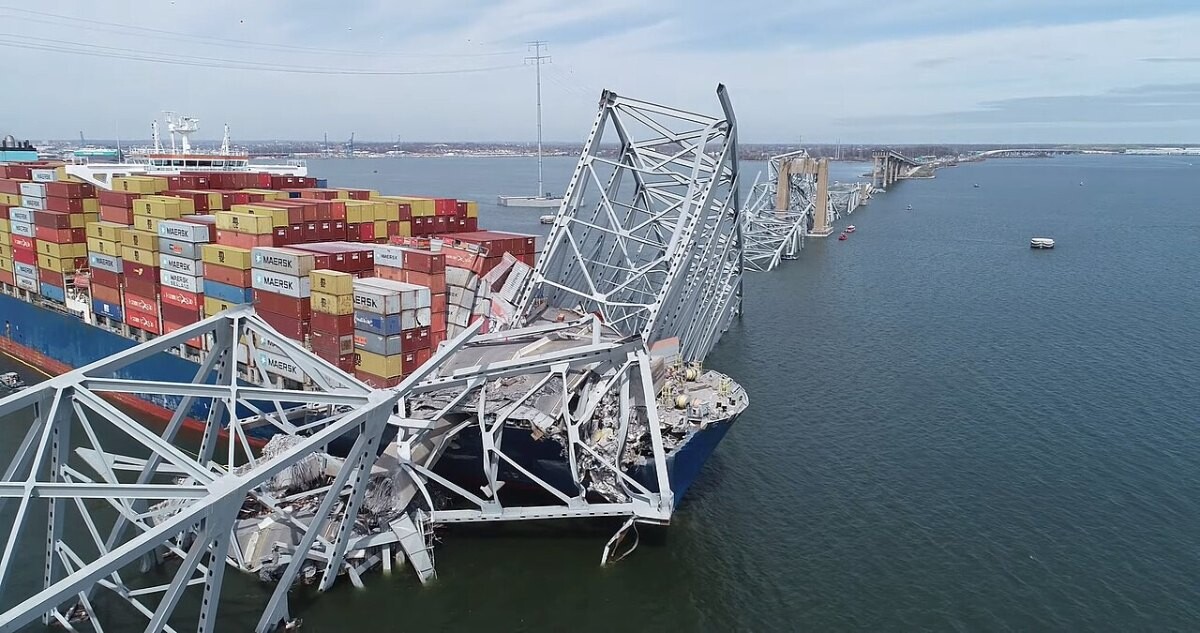
- 20 March 2025 NTSB asks owners of 68 bridges to assess ship-strike risk. A year after the Key Bridge collapse in Baltimore, the National Transportation Safety Board recommended that 30 owners of 68 bridges in 19 states assess the risk of collapse from a vessel strike and, where it is too high, adopt a risk-reduction plan. (National Transportation Safety Board)
- 14 February 2023 Coast Guard publishes boating safety plan for 2022–2026. The Coast Guard’s Office of Auxiliary and Boating Safety released the strategic plan of the National Recreational Boating Safety Program for 2022 to 2026, which guides federal, state and volunteer boating safety work. (US Coast Guard)
- 27 December 2021 Fire safety rules for small passenger vessels after Conception fire. The Coast Guard published an interim rule, in force from 28 March 2022, requiring small passenger vessels with overnight berths or on ocean and coastal routes to have interconnected fire detection, safer battery handling and crew fire training; overnight boats also need two escape routes and monitored night watches. (Federal Register (US Coast Guard interim rule))
- 1 April 2021 Boaters must use engine cut-off switches. From 1 April 2021, operators of motorboats under 26 feet with 3 horsepower or more must wear the engine cut-off switch link, usually a lanyard, when running on plane or above displacement speed, so the engine stops if they fall overboard. (US Coast Guard Boating Safety)
- 15 October 2015 Dockside safety exams become mandatory for fishing vessels. From 15 October 2015, commercial fishing vessels operating beyond 3 nautical miles, carrying more than 16 people or working as Aleutian fish tenders must pass a Coast Guard dockside safety examination at least once every five years. (US Coast Guard Marine Safety Information Bulletin)
Budget and costs
- 1 July 2025 Recreational boating accidents caused $88 million in damage in 2024. The Coast Guard reported that recreational boating accidents in 2024 caused property damage totalling US$88 million. (US Coast Guard (press release))
Recent cases
- 24 October 2026: a 23-foot boat taking on water capsizes near Key Largo, Florida; a passing boater and a Coast Guard crew rescue all four people aboard without injury, and the Coast Guard repeats its reminder to wear a life jacket (US Coast Guard).
- 30 January 2026, off Cape Ann, Massachusetts: the 72-foot fishing vessel Lily Jean sank with seven aboard; one body was recovered and the Coast Guard suspended its search for the six others (CBS Boston).
- 14 July 2026, San Francisco Bay: a pontoon boat carrying 20 people to a memorial service capsized near Alcatraz; one died, three were missing and 16 were rescued (KQED).
- 26 March 2024, Baltimore: the container ship Dali lost power and struck the Francis Scott Key Bridge, killing six construction workers.
Our read: what the numbers add up to
For recreational boating, which accounts for most US maritime deaths, the long-run direction is clearly good. The Coast Guard counted 556 deaths in 2024, the fewest in more than 50 years of record-keeping, at a rate of 4.8 per 100,000 registered vessels. Because it is a rate as well as a count, I am fairly confident the improvement is real rather than a product of fewer boats on the water.
What strikes me, though, is how little the pattern behind the remaining deaths has changed. Three-quarters drowned, and 87% of those were not wearing a life jacket. Alcohol was the leading known factor in fatal accidents, and about 70% of deaths occurred where the operator had no boating safety instruction. Read together, these figures suggest that the decades of decline have come largely from safer equipment and more education reaching most boaters, while the deaths that remain are concentrated among those the safety message has not reached. That is good news and a limit at the same time: the easy gains may already have been made, and the residual risk sits in personal choices on a single trip. The recent cases fit this, from the San Francisco Bay pontoon capsize to the Key Largo rescue, where everyone survived.
Commercial fishing is a separate story and does not share the improving trend on this page; the loss of the Lily Jean, with all seven aboard dead or missing, is a reminder that cold water and working vessels remain dangerous. The main caveat is timing: the 2025 figures are now expected on 16 November 2026, after a delay. If they hold near the 2024 level, the record low becomes a new floor. The bottom line: boating is safer than ever, but the people still dying are mostly the ones not wearing life jackets.
Press releases and official reports, 2023–2026
Five key releases a year for the last four years, newest first. Most are from federal agencies; a few news reports are included where they are the clearest public record of an event. Releases from 2007–2022 are in the expandable list after 2023.
2026
- 15 Sep 2026NTSBNTSB Releases Safer Seas Digest Detailing Lessons to Improve Maritime Safety
- 9 Aug 2026U.S. Coast GuardCoast Guard Conducting Investigation into Fatal Incident near Liberty Island
- 15 Jul 2026U.S. Coast GuardCoast Guard, partner agencies respond to capsized vessel near Alcatraz Island
- 4 Mar 2026U.S. Coast GuardCoast Guard conducts marine casualty investigation following fishing vessel fatality
- 2 Feb 2026U.S. Coast GuardCoast Guard Northeast District Investigating Cause of F/V Lily Jean Incident
2025
- 18 Nov 2025NTSBLoose Wire on Containership Dali Leads to Blackouts and Contact with Baltimore’s Francis Scott Key Bridge
- 5 Aug 2025U.S. Coast GuardCoast Guard Marine Board of Investigation releases report on Titan submersible
- 1 Jul 2025U.S. Coast GuardCoast Guard reports fewest boating fatalities in more than 50 years
- 21 May 2025NTSBMaritime Lessons Learned Detailed in NTSB’s Safer Seas Digest
- 20 Mar 2025NTSBNTSB Recommends 68 Bridges in US be Evaluated for Risk of Collapse from Vessel Strike
2024
- Sep 2024U.S. Coast GuardCoast Guard releases Titan Marine Board of Investigation hearing schedule, witness list
- 24 Jun 2024NTSBNTSB Issues Investigative Update for Baltimore Bridge Collapse
- 14 Jun 2024U.S. Coast GuardU.S. Coast Guard provides Titan submersible MBI update
- 28 May 2024U.S. Coast GuardCoast Guard releases 2023 recreational boating statistics
- 11 Jan 2024NTSBEngine Room Flooding Leads to Sinking of Fishing Vessel
2023
- 28 Nov 2023NTSBNTSB Releases Report of Sinking of Commercial Fishing Vessel off Georgia Coast
- 10 Oct 2023U.S. Coast GuardU.S. Coast Guard recovers remaining evidence from Titan submersible
- 28 Jun 2023U.S. Coast GuardU.S. Coast Guard recovers evidence from TITAN submersible
- 25 Jun 2023U.S. Coast GuardU.S. Coast Guard convenes a Marine Board of Investigation into loss of Titan Submersible
- May 2023U.S. Coast GuardCoast Guard releases summary of 2022 recreational boating statistics
View 20 years of major maritime safety press releases (2007–2026)80 more from 2007–2022, five a year, newest first
2022
- 23 Dec 2022NTSBNTSB Chair Welcomes Maritime Safety Improvements
- 18 Oct 2022NTSBSevere Winds Led to Capsizing of Seacor Power
- 29 Jun 2022U.S. Coast GuardU.S. Coast Guard releases 2021 recreational boating statistics
- 27 Apr 2022NTSBNTSB Opens Public Docket for Investigation of the Seacor Power Capsizing
- 13 Jan 2022NTSBContact of Robert Cenac Tow with CSX Railway Rigolets Bridge
2021
- 10 Nov 2021NTSBUSCG, NTSB Continue Investigation into the Sinking of the Fishing Vessel Emmy Rose
- 14 Sep 2021NTSBNTSB Determines Inaccurate Stability Calculations Caused Capsizing of Vehicle Carrier Golden Ray
- 30 Jun 2021U.S. Coast GuardU.S. Coast Guard releases 2020 Boating Safety Statistics Report
- 29 Jun 2021NTSBNTSB Issues 7 Safety Recommendations Based on Investigation of Scandies Rose Sinking
- 18 May 2021NTSBNTSB Issues Preliminary Report for Investigation of Fatal, Seacor Power Capsizing
2020
- 10 Dec 2020NTSBNTSB Report Contains Maritime Lessons Learned in 2019
- 20 Oct 2020NTSBNTSB Calls for Major Safety Improvements to Small Passenger Vessels
- 3 Aug 2020NTSBCollision between US Navy Destroyer Fitzgerald and Philippine-Flag Container Ship ACX Crystal, Sagami Nada Bay off Izu Peninsula, Honshu Island, Japan, June 17, 2017
- 10 Jun 2020U.S. Coast GuardU.S. Coast Guard releases 2019 Recreational Boating Statistics Report
- 28 Apr 2020NTSBSinking of Amphibious Passenger Vessel Stretch Duck 7, Table Rock Lake, near Branson, Missouri, July 19, 2018
2019
- 14 Nov 2019NTSBFlooding and Sinking of Fishing Vessel Aaron & Melissa II
- 11 Sep 2019U.S. Coast GuardCoast Guard convenes highest-level marine casualty investigation into loss of Conception
- 27 Aug 2019U.S. Coast GuardU.S. Coast Guard releases 2018 Recreational Boating Statistics Report
- 19 Jun 2019NTSBCollision between US Navy Destroyer John S McCain and Tanker Alnic MC, Singapore Strait, 5 Miles Northeast of Horsburgh Lighthouse, August 21, 2017
- 26 Mar 2019NTSBFire and Sinking of Fishing Vessel Ole Betts Sea
2018
- 11 Dec 2018NTSBFire On Board US Small Passenger Vessel Island Lady, Pithlachascotee River Near Port Richey, Florida, January 14, 2018
- 5 Jun 2018NTSBFire aboard Roll-on/Roll-off Passenger Vessel Caribbean Fantasy, Atlantic Ocean, 2 Miles Northwest of San Juan, Puerto Rico, August 17, 2016
- 29 May 2018U.S. Coast GuardU.S. Coast Guard releases 2017 Recreational Boating Statistics Report
- 27 Apr 2018CDCFatal Falls Overboard in Commercial Fishing — United States, 2000–2016
- 20 Apr 2018CSBStatement from U.S. Chemical Safety Board Chairperson Vanessa Allen Sutherland on the Anniversary of the Macondo Tragedy
2017
- 12 Dec 2017NTSBSinking of US Cargo Vessel SS El Faro, Atlantic Ocean, Northeast of Acklins and Crooked Island, Bahamas, October 1, 2015
- 9 Jun 2017NTSBFlooding of Dive Support Vessel Hammerhead
- 31 May 2017U.S. Coast GuardCoast Guard releases 2016 Recreational Boating Statistics; concerns, accidents, fatalities for Great Lakes states
- 15 Feb 2017NTSBSinking of Commercial Fishing Vessel Orin C
- 4 Jan 2017NTSBCollision of Bulk Carrier Aris T with Tank Barge WTC 3019, Towing Vessel Pedernales, and Shoreside Structures
2016
- 26 Oct 2016NTSBFire Aboard Freighter Alpena
- 30 Jun 2016NTSBCapsizing and Sinking of Fishing Vessel Hawaii Five-1
- 30 Jun 2016NTSBCollision between Containerships St. Louis Express and Hammersmith Bridge
- 20 Jun 2016NTSBCollision between Bulk Carrier Conti Peridot and Tanker Carla Maersk, Houston Ship Channel near Morgan’s Point, Texas, March 9, 2015
- 14 Jan 2016NTSBEngine Room Fire on Board Commercial Fishing Vessel Miss Eva, with Subsequent Sinking
2015
- 16 Dec 2015NTSBCollision between the Riley Elizabeth Tow and US Army Corps of Engineers Barge Plant, Mississippi River near Waterproof, Louisiana, July 18, 2014
- 5 Oct 2015DOJU.S. and Five Gulf States Reach Historic Settlement with BP to Resolve Civil Lawsuit Over Deepwater Horizon Oil Spill
- 22 Sep 2015NTSBAllision of Crane Barge, Pushed by Towing Vessel Cory Michael, with the Florida Avenue Bridge, New Orleans, Louisiana, August 13, 2014
- 9 Jun 2015NTSBCollision between Bulk Carrier Summer Wind and the Miss Susan Tow, Houston Ship Channel, Lower Galveston Bay, Texas, March 22, 2014
- 14 Jan 2015NTSBAllision and Sinking of Offshore Supply Vessel Celeste Ann
2014
- 5 Jun 2014CSBCSB Releases New Computer Animation of 2010 Deepwater Horizon Blowout
- 8 Apr 2014NTSBAllision of the Passenger Vessel Seastreak Wall Street with Pier 11, Lower Manhattan, New York, New York, January 9, 2013
- 6 Feb 2014NTSBSinking of Tall Ship Bounty
- 21 Jan 2014NTSBSinking of Offshore Supply Vessel Ricky B
- 7 Jan 2014CSBWorking Papers on the Safety Case Regulatory Model and its Attributes
2013
- 14 May 2013NTSBAllision of the Cargo Vessel M/V Delta Mariner with Eggner’s Ferry Bridge, Tennessee River Near Aurora, Kentucky, January 26, 2012
- 26 Apr 2013CDCFatal Injuries in Offshore Oil and Gas Operations — United States, 2003–2010
- 9 Apr 2013NTSBPersonnel Abandonment of Weather-Damaged US Liftboat Trinity II, with Loss of Life, Bay of Campeche, Gulf of Mexico, September 8, 2011
- 1 Apr 2013CSBStatement of CSB Chairperson Dr. Rafael Moure-Eraso on Court Decision in Deepwater Horizon/Macondo Investigation Case
- 3 Jan 2013EPATransocean Agrees to Plead Guilty to Environmental Crime and Enter Civil Settlement to Resolve U.S. Clean Water Act Penalty Claims from Deepwater Horizon Incident
2012
- 25 Sep 2012NTSBCollision of the Tankship Elka Apollon With the Containership MSC Nederland, Houston Ship Channel, Upper Galveston Bay, Texas, October 29, 2011
- 20 Jul 2012CSBBetter safety data could help prevent oil industry disasters – By Rafael Moure-Eraso
- 18 May 2012CDCDrowning — United States, 2005–2009
- 24 Apr 2012NTSBAllision of Passenger Ferry Andrew J. Barberi With St. George Terminal, Staten Island, New York, May 8, 2010
- 19 Apr 2012CSBCSB Investigation into Macondo Blowout and Explosion in Gulf of Mexico Continues; Two Public Hearings and Interim Reports Scheduled for this Year
2011
- 27 Sep 2011NTSBCollision of Tankship Eagle Otome with Cargo Vessel Gull Arrow and Subsequent Collision with the Dixie Vengeance Tow, Sabine-Neches Canal, Port Arthur, Texas, January 23, 2010
- 21 Sep 2011NOAA$44 Million Natural Resource Damage Settlement to Restore San Francisco Bay After Cosco Busan Oil Spill
- 12 Jul 2011NTSBCollision Between U.S. Coast Guard Vessel CG 33118 and Sea Ray Recreational Vessel CF 2607 PZ, San Diego Bay, California, December 20, 2009
- 21 Jun 2011NTSBCollision of Tugboat/Barge Caribbean Sea/The Resource with Amphibious Passenger Vehicle DUKW 34, Philadelphia, Pennsylvania, July 7, 2010
- 20 Apr 2011CSBStatement from U.S. Chemical Safety Board Chairman Dr. Rafael Moure-Eraso on One-Year Anniversary of the Deepwater Horizon Accident
2010
- 13 Dec 2010CSBCSB to Hold Public Hearing Wednesday, December 15, as Part of the CSB Deepwater Horizon Investigation
- 3 Dec 2010NTSBCollision Between U.S. Passenger Ferry M/V Block Island and U.S. Coast Guard Cutter Morro Bay, Block Island Sound, Rhode Island, July 2, 2008
- 16 Jul 2010CDCCommercial Fishing Deaths — United States, 2000–2009
- 21 Jun 2010CSBCSB to Investigate Root Causes of BP Deepwater Horizon Blowout Accident: Announcement Made in Letter by Chairman John Bresland to U.S. House Committee on Energy and Commerce
- 19 Feb 2010DOJShipping Firm Sentenced to Pay $10 Million for Causing Cosco Busan Oil Spill and Coverup
2009
- 2 Dec 2009NTSBAllision of Liberia-Registered Fruit Juice Carrier M/V Orange Sun with U.S.-Registered Dredge New York, Newark Bay, New Jersey, January 24, 2008
- 13 Aug 2009DOJCosco Busan Operator Admits Guilt in Causing Oil Spill
- 7 Apr 2009NTSBAllision of Bahamas-Registered Tankship M/T Axel Spirit with Ambrose Light, Entrance to New York Harbor, November 3, 2007
- 6 Mar 2009DOJGuilty Plea in Case of Cosco Busan Ship Pilot
- 18 Feb 2009NTSBAllision of Hong Kong-Registered Containership M/V Cosco Busan with the Delta Tower of the San Francisco–Oakland Bay Bridge
2008
- 4 Nov 2008NTSBGrounding of U.S. Passenger Vessel Empress of the North, Intersection of Lynn Canal and Icy Strait, Southeast Alaska, May 14, 2007
- 12 Aug 2008NTSBAllision of Bahamas-Registered Tankship M/V Kition with Interstate Highway 10 Bridge Pier Baton Rouge, Louisiana February 10, 2007
- 23 Jul 2008DOJCompany that Managed Cosco Busan Indicted on New Charges
- 17 Mar 2008DOJShip Pilot Charged in San Francisco Bay Oil Spill Case
- 30 Jan 2008NTSBHeeling Accident on M/V Crown Princess, Atlantic Ocean Off Port Canaveral, Florida, July 18, 2006
2007
- 28 Nov 2007DOJVessel Operator Sentenced to Pay $525,000 for Environmental Crime
- 9 Oct 2007DOJRowan Companies and Nine Supervisory Employees Plead Guilty to Environmental Crimes in Connection with Oil and Gas Drilling Operations
- 22 Aug 2007DOJShip Operator Pleads Guilty and Sentenced to Pay $10 Million Related to Charges Arising from Grounding in the Aleutians
- 14 Jun 2007NTSBFire Aboard Construction Barge Athena 106, West Cote Blanche Bay, Louisiana, October 12, 2006
- 21 Mar 2007DOJTanker Company Sentenced for Concealing Deliberate Vessel Pollution
Photo list
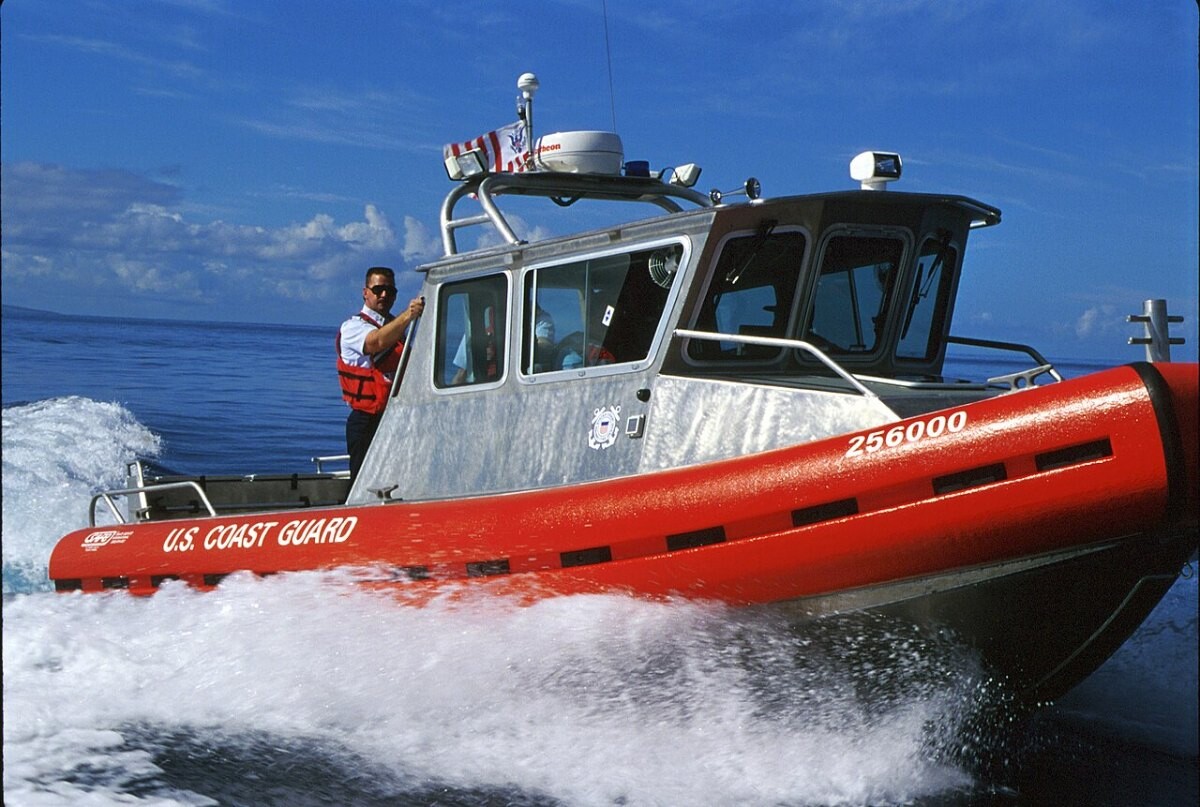
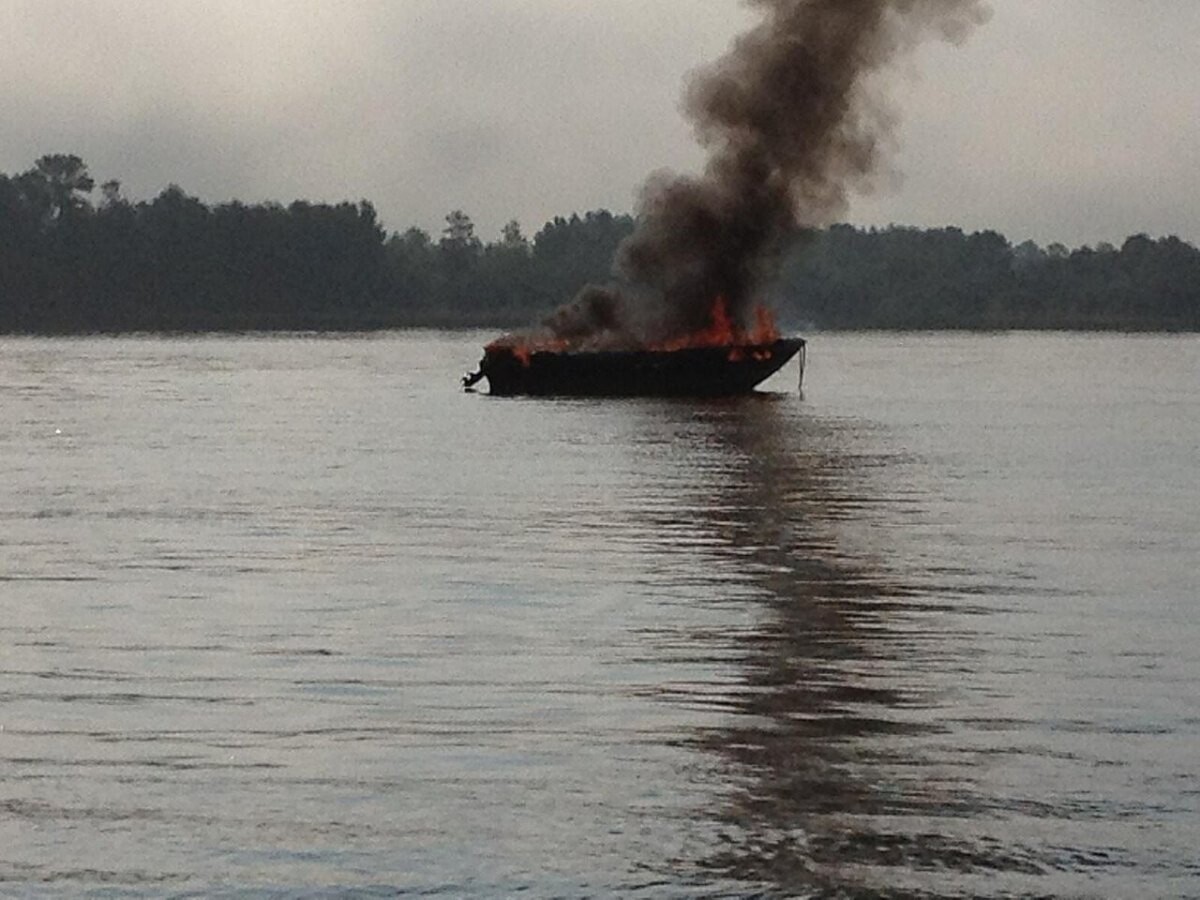
How this page is built. Figures come from the official statistical releases linked above; where agencies publish preliminary numbers we say so, because they are revised. Photos are public-domain or Creative Commons images credited in each caption; file photos are illustrative and are not from the events described unless the caption says so. This page tracks trends and is not personal safety, medical, legal or financial advice.