
Trend summary
- France recorded 3,515 road deaths in 2025, up 2.4% on 2024: 3,263 in metropolitan France and 252 in the overseas territories, according to ONISR, the national road safety observatory.
- Deaths more than halved between 2000 and 2013, helped by automated speed cameras from 2003. Since 2013 the toll has hovered between about 3,200 and 3,500 a year, apart from the Covid low of 2020.
- Motorcyclists were 697 of the mainland dead in 2025 (21%), and 31% of the seriously injured. Pedestrian deaths rose by 47 to 503, and e-scooter and other powered personal device deaths jumped from 45 to 79.
- Excessive or inappropriate speed was a factor in 29% of fatal crashes in 2025, alcohol in 21% and drugs in 11%. A 2025 law created the offence of road homicide, and driving 50 km/h or more over the limit became a criminal offence on 29 December 2025.
What the numbers show
ONISR counts anyone who dies within 30 days of a crash. Its annual reports cover metropolitan France and, separately, the overseas departments, collectivities and New Caledonia; the headline national figure adds the two. In 2025, 3,515 people died: 3,263 in metropolitan France (+2.2%) and 252 overseas (+5.4%). Around 247,000 people were injured on the mainland, about 16,800 of them seriously (ONISR 2025 report). The January 2026 provisional estimate had been 3,513 (La Tribune Auto). Earlier mainland totals: about 8,170 in 2000 (30-day estimate) and 4,273 in 2009 (ONISR); 4,620 in 2007 and 4,274 in 2008 (Senate); 3,268 in 2013, the low before Covid; 3,384 in 2014, the first rise since 2001 (ONISR); 3,477 in 2016 (ONISR); 3,248 in 2018 (ONISR); 3,244 in 2019; 2,541 in 2020 during lockdowns (ONISR); 2,944 in 2021; 3,267 in 2022; 3,167 in 2023; and 3,193 in 2024 (ONISR).
Car occupants were 47% of mainland deaths in 2025 (1,543). Motorcyclists accounted for 697, pedestrians 503, cyclists 235 and users of powered personal devices such as e-scooters 79, up from 45. Young adults aged 18 to 24 had the highest death rate, 96 per million. Six in ten deaths (1,973) happened on roads outside towns, 1,031 in built-up areas and 259 on motorways (ONISR). Men were 77% of those killed and 83% of drivers presumed responsible for fatal crashes (Banque des Territoires). The trend has since eased slightly: in the 12 months to September 2026, mainland deaths were about 2% lower than in the previous 12 months, though serious injuries rose 9% (ONISR barometer).
What is driving it
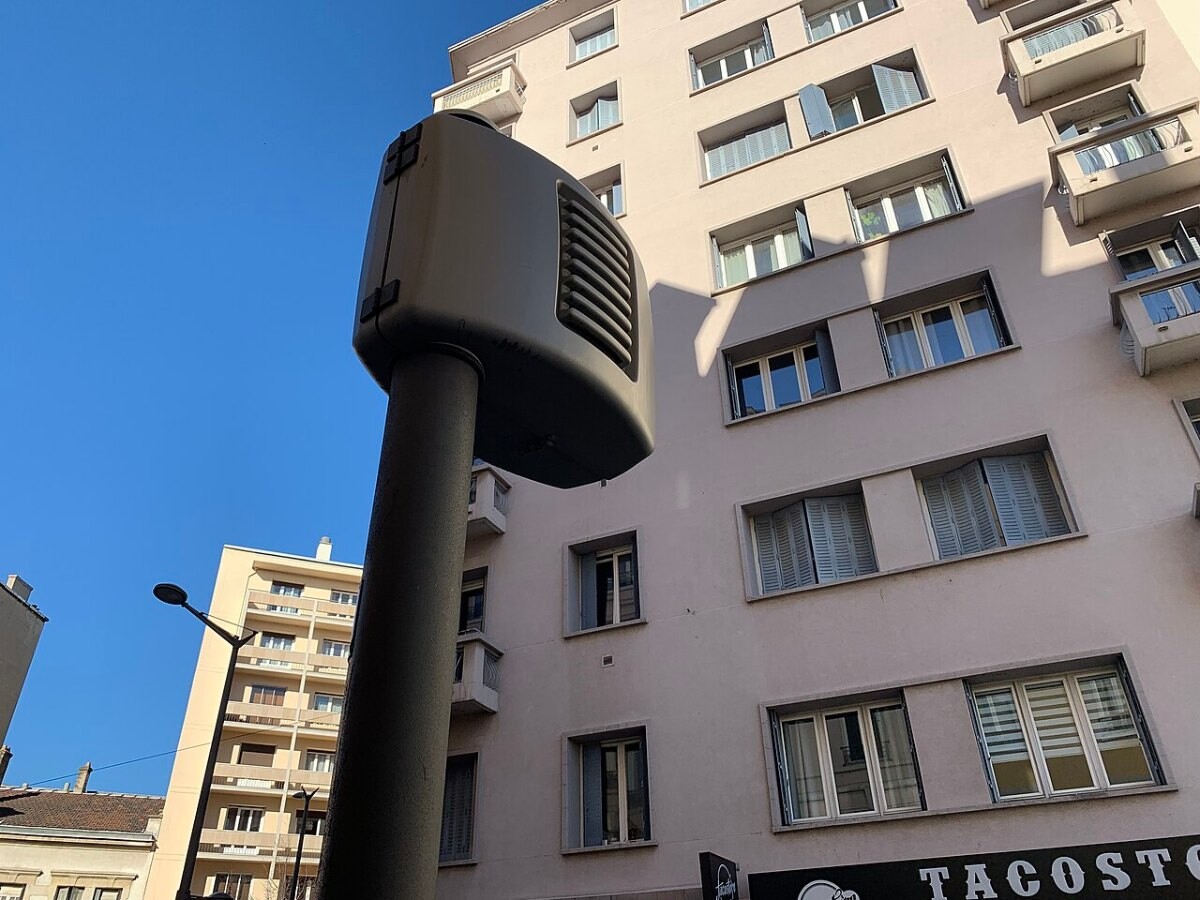
Speed is the main lever. France switched on its first automated speed cameras in November 2003. An interrupted time-series study found the fatality rate per 100,000 vehicles fell by 21% after the programme started (Carnis and Blais, Accident Analysis and Prevention, 2013). Speed also decides whether a pedestrian lives: French national crash data show the risk of death rises about six-fold between 30 and 50 km/h impact speed (Martin and Wu, Traffic Injury Prevention, 2018). In 2025, excessive or inappropriate speed was a factor in 29% of fatal crashes, alcohol in 21%, inattention in 13% and drugs in 11% (Banque des Territoires, citing ONISR). Camera numbers rose from 2,711 devices in 2009 to 4,462 in 2017, according to a Senate finance committee report (Senate).
Policy has been fought over. The government cut the limit on two-way rural roads without a central barrier from 90 to 80 km/h on 1 July 2018, covering about 400,000 km of road (Banque des Territoires). Road Safety estimated it saved 206 lives in its first year (Banque des Territoires), but after the gilets jaunes protests, in which many cameras were vandalised, the 2019 mobility law let départements restore 90 km/h on some roads (Banque des Territoires). In 2021 the Cour des comptes said progress had stalled since 2013 and France had slipped from 7th to 14th in Europe (Banque des Territoires). The current goal is to halve deaths and serious injuries by 2030 from the 2019 level, with “vision zero” by 2050 (ONISR). The law of 9 July 2025 created the offence of road homicide, with up to 10 years in prison when several aggravating factors apply (Banque des Territoires).
Recent cases
- 16 October 2026: ONISR’s September barometer counted 268 deaths in metropolitan France, down from 283 a year earlier. Deaths over the past 12 months were about 2% lower than the previous 12 months, but estimated serious injuries were up 9% (ONISR).
- 29 May 2026: ONISR published final 2025 figures: 3,515 deaths in France including overseas, up 2.4%, with pedestrian deaths up by 47 and e-scooter and similar device deaths up from 45 to 79 on the mainland (ONISR).
- 24 December 2025: The Interior Ministry said driving at least 50 km/h over the limit would become a criminal offence from 29 December 2025, punishable by up to three months in prison and a €3,750 fine. Police recorded 63,217 such offences in 2024, up 69% on 2017 (Ministry of the Interior).
How France compares with the EU
Eurostat counts road deaths within 30 days of a crash, per 100,000 people. France was below the EU average through 2020 but has sat slightly above it since 2022: 4.6 against 4.4 in 2024, or 3,181 deaths out of 19,933 across the EU.
| Year | France | EU-27 |
|---|---|---|
| 2014 | 5.1 | 5.5 |
| 2019 | 4.8 | 5.1 |
| 2020 | 3.8 | 4.2 |
| 2022 | 4.8 | 4.6 |
| 2024 | 4.6 | 4.4 |
Eurostat’s French count can differ from the ONISR national total above because of coverage of overseas territories and later revisions. Source: Eurostat, road traffic deaths (sdg_11_40), accessed through the EU open data API on 21 October 2026.
Press releases and official reports, 2023–2026
Five key releases a year for the last four years, newest first. Most come from national bodies such as ONISR, the Ministry of the Interior, Santé publique France, the BEA and BEAmer investigation bureaus and the Banque de France, from the Senate and National Assembly, and from research journals; a few news reports are included where they are the clearest public record of an event. Headlines are our English translations of the French originals. Releases from 2007–2022 are in the expandable list after 2023.
2026
- 16 Oct 2026ONISRSeptember 2026 barometer: monthly road deaths in metropolitan France and overseas
- 14 Sep 2026ONISRAugust 2026 barometer
- 29 May 2026ONISR2025 road safety report
- Apr 2026Ministry of the InteriorShock campaign against nitrous oxide launched by Marie-Pierre Vedrenne
- 30 Jan 2026ONISRDecember 2025 barometer
2025
- 24 Dec 2025Ministry of the InteriorVery high speeding becomes a criminal offence from 29 December 2025
- 15 Jul 2025Banque des Territoires (Localtis)Creation of road homicide: the law comes into force
- 3 Jun 2025Ministry of the InteriorFrançois-Noël Buffet welcomes the National Assembly's adoption of the offence of road homicide
- 28 May 2025ONISR2024 road safety report
- 30 Jan 2025Ministry of the InteriorProvisional 2024 road crash figures: deaths below 3,200 for the second year running
2024
- 18 Dec 2024Ministry of the InteriorRollout of local victim support committees (CLAV) to support the families of road victims
- 22 Oct 2024Banque des Territoires (Localtis)Launch of a mission against violence on the roads
- 31 May 2024ONISR2023 road safety report
- 15 Apr 2024Ministry of the InteriorRoad deaths up 31% and serious injuries up 10% in March 2024 in metropolitan France
- 1 Feb 2024Ministry of the InteriorProvisional 2023 road crash figures: road deaths fall in France in 2023
2023
- 29 Nov 2023Ministry of the Interior€52 million of speed camera revenue dedicated to care for the seriously injured
- 1 Sep 2023Ministry of the InteriorNational plan to better regulate e-scooters: higher minimum age and tougher penalties take effect
- 17 Jul 2023Interministerial Road Safety Committee (CISR)Travelling safely and calmly on France's roads: CISR press kit, 38 measures
- 31 May 2023ONISR2022 road safety report
- 1 Feb 2023Ministry of the InteriorProvisional 2022 road crash figures
View 20 years of major French road safety press releases (2007–2026)80 more from 2007–2022, five a year, newest first
2022
- 29 Dec 2022Ministry of the Interior100 years of the driving licence
- 29 Nov 2022Ministry of the InteriorThe National Road Safety Council (CNSR) adopts nine new recommendations to the government
- 12 Sep 2022ONISR2021 road safety report
- 1 Jun 2022Ministry of the InteriorFinal 2021 road crash figures: deaths in metropolitan France back below 3,000
- 1 Feb 2022Banque des Territoires (Localtis)Road crashes: 2021, a black year for cyclists
2021
- 30 Jul 2021Ministry of the InteriorLane filtering: new trial in 21 départements from 2 August 2021
- 6 Jul 2021Ministry of the InteriorFor the first time in Europe, the Highway Code and Transport Code adapt to automated vehicles on French roads
- 2 Jul 2021Banque des Territoires (Localtis)Road safety: the Cour des comptes calls for a broader strategy including local authorities
- 1 Jun 2021Ministry of the InteriorFinal 2020 road crash figures
- 29 Jan 2021Ministry of the InteriorRoad safety figures for 2020: an exceptional fall in deaths as the health crisis sharply limited traffic
2020
- 23 Nov 2020Ministry of the InteriorBlind-spot warning signs on heavy vehicles come into force
- 20 Oct 2020Ministry of the InteriorFrom 1 November 2021, chains or winter tyres will be compulsory in mountain areas
- 18 Sep 2020ONISR2019 road safety report
- 2 Mar 2020Ministry of the InteriorNew motorcycle licence tests from 1 March 2020
- 22 Jan 2020Banque des Territoires (Localtis)Return to 90 km/h: the state will not give up without a fight
2019
- 18 Sep 2019ONISR2018 road safety report
- 11 Jul 2019Banque des Territoires (Localtis)Lowering the limit to 80 km/h: 206 lives spared in one year, says Road Safety
- 28 Mar 2019Banque des Territoires (Localtis)Road safety: an alarming start to 2019
- 28 Jan 2019Banque des Territoires (Localtis)Road safety: a 'historic' fall in deaths, but 80 km/h still in the balance
- 16 Jan 2019Banque des Territoires (Localtis)80 km/h on secondary roads: Emmanuel Macron begins to back down
2018
- 18 Jun 2018Banque des Territoires (Localtis)Secondary roads at 80 km/h: the decree is published after months of controversy
- Mar 2018BEA-TTTechnical investigation report on the collision between a heavy goods vehicle and a van on 24 March 2016 on the RN79 at Montbeugny (Allier), 12 dead
- 7 Mar 2018Banque des Territoires (Localtis)80 km/h speed limit on secondary roads: the government stands firm
- 10 Jan 2018Banque des Territoires (Localtis)The government lowers the speed limit on secondary roads to 80 km/h
- 9 Jan 2018Interministerial Road Safety Committee (CISR)Let's save more lives on our roads: CISR press kit
2017
- 23 Nov 2017SenateGeneral report No. 108 on the 2018 finance bill: road safety and road education, Finance Committee
- 8 Aug 2017BEA-TTPublication of the BEA-TT report on the Puisseguin crash
- 18 Jul 2017SenateInformation report No. 644 on speed camera deployment policy, Finance Committee
- 28 Apr 2017Ministry of the Interior (IGA)Vehicle automation, inspection report
- 28 Mar 2017European CommissionRoad safety: encouraging results in 2016 call for continued efforts to save lives on EU roads
2016
- 24 Nov 2016SenateGeneral report No. 140 on the 2017 finance bill: road safety and road education, Finance Committee
- 30 May 2016Ministry of the InteriorRoad safety: information for local authorities
- 18 May 2016ONISRRoad crashes in 2015: summary report
- 31 Mar 2016European CommissionRoad safety: new statistics call for fresh efforts to save lives on EU roads
- 2016ONISRRoad safety in France: road crash report for 2015
2015
- 19 Nov 2015SenateGeneral report No. 164 on the 2016 finance bill: road safety and road education, Finance Committee
- 2 Oct 2015Interministerial Road Safety Committee (CISR)Road safety, a strengthened system: CISR press kit
- 13 Aug 2015Ministry of the Interior (IGA)Evaluation of road safety policy, inspection report
- Apr 2015BEA-TTTechnical investigation report on a coach leaving the road and catching fire on 16 April 2013 on the RD 211 at La Garde (Isère)
- 1 Mar 2015Ministry of the Interior (IGA)New uses of the road: key findings
2014
- 15 Dec 2014Ministry of the Interior (IGA)New uses of the road, inspection report
- 20 Nov 2014SenateGeneral report No. 108 on the 2015 finance bill: road safety and road education, Finance Committee
- 22 Sep 2014ONISRRoad crashes in 2013: summary report
- 1 May 2014SenateSpeed limits on the secondary road network: written question No. 11456
- 24 Apr 2014SenateRoad safety policy in France: oral question No. 759S
2013
- 12 Dec 2013SenateLower speed limits on the secondary road network: oral question No. 658S
- 21 Nov 2013SenateGeneral report No. 156 on the 2014 finance bill: road safety and road education, Finance Committee
- 6 Nov 2013SenateReport No. 122 on the bill to add practical first-aid training to driving licence preparation, Law Committee
- 1 Aug 2013SenateInconsistent speed limit signs: written question No. 7717
- 2013ONISRRoad safety in France: road crash report for 2012
2012
- Dec 2012ONISRRoad safety in France: 2011 annual report
- 31 Jul 2012ONISRRoad deaths in France: 2011 statistical compendium
- 12 Jul 2012SenateRoad safety of young drivers: oral question No. 29S
- 13 Jun 2012ONISRRoad deaths in France: 2010 statistical compendium
- 17 Jan 2012SenateRoad speed cameras: oral question in the Senate on camera placement and accident-prone roads
2011
- 25 Nov 2011SenateSenate sitting on the 2012 finance bill: ecology mission and the special account for road traffic and parking control (speed camera fines), summary record
- 29 Sep 2011SenateRoad accident prevention: written question No. 20144 on road safety education for young people in Hérault
- Jun 2011BEA-TTTechnical investigation report on a coach wedged in a low-clearance underpass in Rouen on 5 February 2010
- 11 May 2011Interministerial Road Safety Committee (CISR)CISR press kit: radar warning devices, phones at the wheel and alcohol
- 2011ONISRRoad safety in France: 2010 annual report
2010
- 17 Nov 2010SenateGeneral report No. 111 on the 2011 finance bill: ecology mission, road safety and the road traffic and parking control account, Finance Committee
- 26 Feb 2010Ministry of the Interior (IGA)Reorganisation of the ecology ministry's local services and road crisis management, inspection report
- 22 Feb 2010Ministry of the Interior (IGA)Audit of local road safety policies: 2009 summary report
- 18 Feb 2010Interministerial Road Safety Committee (CISR)2010, a new drive for road safety: CISR press kit
- 2010ONISRRoad safety in France: 2009 annual report
2009
- Nov 2009BEA-TTTechnical investigation report on a coach crash on 12 July 2008 on the A6 motorway at Saint-Ambreuil (Saône-et-Loire)
- 8 Apr 2009SenateReport No. 331 on a bill for greater fairness in road safety policy, notably on licence points
- 10 Mar 2009Ministry of the Interior (IGA)Audit of local road safety policy in the Hérault département
- 13 Jan 2009Interministerial Road Safety Committee (CISR)A reform to make the driving licence quicker, cheaper and safer: CISR press kit
- 2009ONISRRoad safety in France: 2008 annual report
2008
- 26 Sep 2008International Transport Forum (OECD)Political will: raising road safety performance in France
- Sep 2008BEA-TTAnnual activity report 2007
- Jun 2008BEA-TTTechnical investigation report on a school coach crash on 12 March 2007 on the RD 52 at Angliers (Vienne)
- 13 Feb 2008Interministerial Road Safety Committee (CISR)Road deaths are not inevitable: CISR press kit
- 2008ONISRRoad safety in France: 2007 annual report
2007
- 13 Dec 2007Ministry of the Interior (IGA)Implementation of measures on seriously damaged vehicles, inspection report
- 29 Nov 2007Ministry of the Interior (IGA)Opening hours of drinking establishments and road safety, inspection report
- 5 Nov 2007Ministry of the Interior (IGA)Audit of local road safety policies: 2006 summary
- 23 Jul 2007Maire-info (AMF)Coach crash: 'this will not be without consequences', says N. Sarkozy
- 1 Feb 2007Ministry of the Interior (IGA)OSIRIS traffic information and management centre in Albertville (Savoie), inspection report
Photo list

How this page is built. Figures come from the official statistical releases and research linked above; where agencies publish provisional numbers we say so, because they are revised. National death data come from Inserm’s cause-of-death centre (CépiDc) and take two to three years to finalise, and some figures cover metropolitan France only while others include the overseas departments, so we say which year, area and source each figure covers. Money is given in euros. Headlines and quotes are our translations from French. Photos are public-domain or Creative Commons images credited in each caption; file photos are illustrative and are not from the events described unless the caption says so. This page tracks trends and is not personal safety, medical, legal or financial advice.