
Trend summary
- Brazil recorded 37,150 road traffic deaths in 2024, up 6.5% on 2023, according to Ministry of Health mortality data (SIM/DATASUS) compiled by ONSV. It was the fifth rise in a row.
- Motorcyclists made up about 42% of deaths: 15,459 in 2024, up 14.7% in a year. In 2000 they were just 8.3% of road deaths.
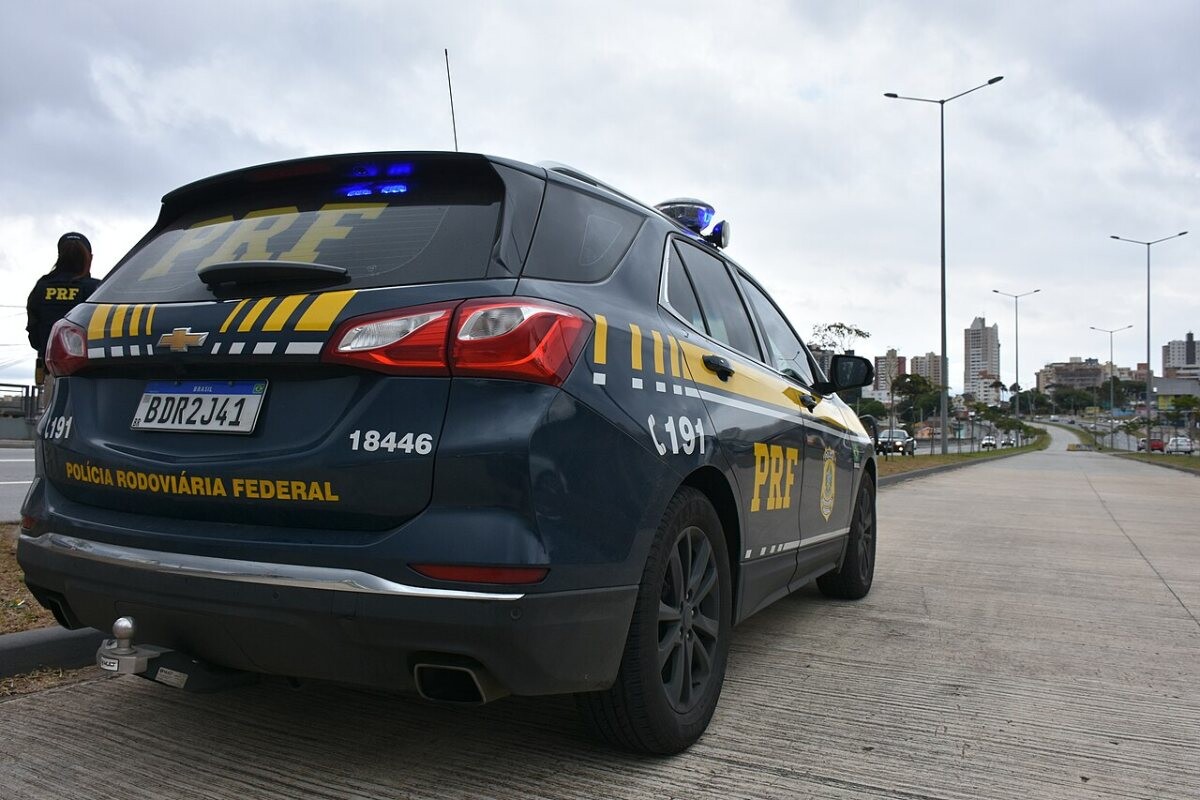
- On federal highways the PRF counted 6,044 deaths in 2025, slightly down from about 6,160 in 2024. Most road deaths happen off the federal network, on state, municipal and urban roads.
- The 2008 Lei Seca was tightened to zero tolerance in 2012, with tougher penalties added in 2016 and 2017. The national plan (Pnatrans) aims to at least halve the death rate from its 2020 level, and a 2023 law sets 2030 as the deadline.
What the numbers show
Brazil counts road deaths in its national mortality system (SIM), run by the Ministry of Health through DATASUS. A 2026 ONSV analysis of SIM data puts deaths at 31,945 in 2019, 32,716 in 2020, 33,813 in 2021, 33,894 in 2022, 34,881 in 2023 and 37,150 in 2024, a 6.5% jump in the latest year (ONSV via Portal do Trânsito). Deaths were higher a decade ago: the ministry’s data showed 43,780 deaths in 2014 and 38,651 in 2015 (Agência Brasil; Agência Brasil). The rate fell from 21.9 per 100,000 in 2014 to 17.5 in 2024, but it is rising again (Atlas da Violência 2026 via Agência Brasil).
Motorcyclists drive most of the recent rise. Their deaths rose from 11,182 in 2019 to 15,459 in 2024, or 41.6% of all road deaths, up from 28.7% in 2014 (Agência Brasil). A Fiocruz study found motorcyclists were 8.3% of road deaths in 2000 and 33.4% in 2017 (Agência Brasil). On federal highways, which the Federal Highway Police (PRF) patrols, there were 73,156 crashes, 84,526 injuries and 6,160 deaths in 2024 (Agência Brasil), and 72,483 crashes, 83,483 injuries and 6,044 deaths in 2025 (Agência Brasil; Radioagência Nacional).
What is driving it
Motorcycles are the main driver. They are cheap transport in small towns and the North and Northeast, and app-based delivery and motorcycle-taxi work have grown fast; the Atlas da Violência 2026 links the rise in motorcycle deaths to this app economy (Agência Brasil). Alcohol is the other long-running factor. The Lei Seca of June 2008 set near-zero limits; a 2012 law brought zero tolerance and allowed video and witnesses as evidence; 2016 made refusing a breath test an offence; and 2018 rules raised prison terms for drink-driving that kills to up to eight years (Rádio Senado). Alcohol-related deaths fell from about 15,000 in 2010 to 13,075 in 2024, according to CISA (Agência Brasil).
Policy has moved slowly. Brazil signed up to the UN Decade of Action for Road Safety in 2011 but only launched its national plan, Pnatrans, under Law 13,614 of 2018, which reporters called seven years late (Radioagência Nacional). The plan was revised in 2021 and aims to at least halve the death rate per 100,000 people from its 2020 level, with 50% cuts for motorcyclist, pedestrian and cyclist deaths (Ministry of Transport). Law 14,599 of 2023 set 2030 as the deadline and created a national crash register, Renaest (Planalto). Each May, the Maio Amarelo campaign and PRF operations focus on enforcement (Agência Brasil).
Recent cases
- 8 September 2026: The PRF reported 66 deaths and 1,074 injuries on federal highways over the Independence Day long weekend (4–8 September), with 993 drivers cited for drink-driving or refusing a breath test (Radioagência Nacional).
- 19 August 2026: The National Traffic Council (Contran) updated how the Lei Seca is enforced. Saliva tests can now detect drugs such as cannabis and cocaine, but penalties are unchanged (Rádio Senado).
- 31 July 2026: ONSV’s analysis of Ministry of Health data showed road deaths rose for a fifth straight year to 37,150 in 2024, with motorcyclist deaths up 14.7% (Portal do Trânsito).
Press releases and official reports, 2023–2026
Five key releases a year for the last four years, newest first. Most come from federal ministries and agencies such as the Ministry of Health, INPE, the Federal Highway Police, CENIPA and the Central Bank, from Agência Brasil, the public news agency, and from the Senate and Chamber news services and state governments; a few news reports are included where they are the clearest public record of an event. Headlines are our English translations of the Portuguese originals. Releases from 2007–2022 are in the expandable list after 2023.
2026
- 19 Aug 2026Senate RadioContran updates Lei Seca enforcement and provides for tests for other drugs
- 19 Jun 2026Agência BrasilIn 14 years, alcohol-related traffic deaths fall 19.5%
- 26 May 2026Agência BrasilMotorcycle deaths rise with the expansion of the app economy
- May 2026Agência BrasilBrazil will have a National Day in Memory of Road Traffic Victims
- 7 Feb 2026Agência Brasil (Radioagência Nacional)PRF records fall in road deaths in 2025
2025
- Oct 2025Agência BrasilBus crash in Pernambuco leaves at least 15 dead
- 20 Jun 2025Agência Brasil (Radioagência Nacional)Lei Seca: 17 years of a landmark in road safety in Brazil
- 12 May 2025Agência BrasilMotorcycle crash death rate rises 12.5% in the country
- 17 Apr 2025Agência BrasilCrashes on federal highways kill 6,160 people in 2024
- Feb 2025Agência BrasilCollision between bus and truck in São Paulo kills 12
2024
- 25 Dec 2024Agência BrasilCivil Police identify 15 bodies of victims of BR-116 crash
- 10 Dec 2024Senate News AgencyPublic Security Committee approves bill making homicide at the wheel a non-bailable crime
- 18 Oct 2024Senate News AgencyLaw creating a week for preventing motorcycle crashes is published
- 17 Oct 2024Presidency of the Republic (Planalto)Law No. 15,006 of 17 October 2024: creates the National Week for the Prevention of Motorcyclist Crashes and the National Motorcyclist Day
- 1 Aug 2024Agência BrasilRoad deaths in São Paulo state rise 23%
2023
- 2 Oct 2023Agência BrasilBus rollover leaves 12 dead on São Paulo state highway
- 20 Jun 2023Senate News AgencyLaw with changes to the Brazilian Traffic Code is published
- 19 Jun 2023Presidency of the Republic (Planalto)Law No. 14,599 of 19 June 2023: amends the Traffic Code, sets up the national crash register and a goal to at least halve the death rate by 2030
- 2 May 2023Agência BrasilHighway crashes kill 56 people over the long holiday weekend
- 1 May 2023Agência BrasilMotorcyclist hospitalisations rose 55% in 10 years
View 20 years of major Brazilian road safety press releases (2007–2026)63 more from 2007–2022, up to five a year, newest first
2022
- 22 Sep 2022Senate RadioBrazilian Traffic Code turns 25 with ever stricter control of alcohol at the wheel
- 17 May 2022Agência BrasilIn 2021, 5,000 people died in 64,000 crashes [on federal highways]
- 24 Feb 2022Senate News AgencyBolsonaro vetoes most of bill punishing the sharing of traffic violations
2021
- 19 Jun 2021Agência BrasilAfter 13 years of Lei Seca, the Federal District saw a fall in road deaths
- 13 Apr 2021Senate RadioNew rules of the Brazilian Traffic Code are now in force
- 11 Apr 2021Agência BrasilNew traffic law comes into force this Monday
- 10 Apr 2021Senate News AgencyNew traffic rules, such as licence points, take effect this Monday
- 4 Jan 2021Agência BrasilPRF counts 903 crashes and 67 deaths on highways over New Year
2020
- 16 Oct 2020Senate News AgencyLaw extends driving-licence validity and the points limit for suspension
- 15 Oct 2020Senate RadioChanges to the Traffic Code signed into law
- 14 Oct 2020Chamber of Deputies News AgencyNew law extends driving-licence validity and points limits
- 13 Oct 2020Presidency of the Republic (Planalto)Law No. 14,071 of 13 October 2020: amends the Traffic Code, changing the National Traffic Council and extending driving-licence validity
- 27 Sep 2020Agência BrasilDrivers' health problems cause thousands of crashes
2019
- 30 Oct 2019Agência BrasilMotorcyclists' share of deaths rises from 8% to 33% in 17 years, study says
- 8 Jul 2019Presidency of the Republic (Planalto)Law No. 13,855 of 8 July 2019: amends the Traffic Code on school transport and unauthorised paid passenger transport
- 6 Jun 2019Senate News AgencyTraffic: more rigour to save lives (special report)
- 4 Jun 2019Senate News AgencyBill toughening penalties for irregular transport goes to presidential sanction
2018
- 25 Sep 2018Agência Brasil (Radioagência Nacional)Brazil wants to halve the number of road traffic deaths
- Jun 2018Agência BrasilLei Seca adds up positive results after 10 years, but raises questions
- 17 Feb 2018Agência Brasil (Radioagência Nacional)Traffic violence: Brazil has the fourth-highest road deaths in the Americas
- 15 Jan 2018Chamber of Deputies News AgencyLaw creates National Plan to Reduce Road Traffic Deaths
- 11 Jan 2018Presidency of the Republic (Planalto)Law No. 13,614 of 11 January 2018: creates the National Plan to Reduce Road Traffic Deaths and Injuries (PNATRANS) and amends the Traffic Code
2017
- 20 Dec 2017Senate News AgencyLaw increases prison sentences for crimes committed at the wheel
- 19 Dec 2017Presidency of the Republic (Planalto)Law No. 13,546 of 19 December 2017: tougher penalties for drink- or drug-driving that kills or seriously injures
- 23 Sep 2017Agência BrasilTraffic Code turns 20, but fatal crashes still cause concern
- 20 Jun 2017Agência BrasilAt nine years old, Lei Seca does not stop drivers driving drunk
2016
- 3 Jun 2016Chamber of Deputies News AgencyChamber approves creation of national plan to reduce road traffic deaths
- 4 May 2016Presidency of the Republic (Planalto)Law No. 13,281 of 4 May 2016: amends the Traffic Code, including penalties for refusing a breath test
- 28 Apr 2016Agência BrasilAfter four years of zero tolerance under Lei Seca, drivers still resist change
- 29 Mar 2016Senate News AgencyIn force for 18 years, the Brazilian Traffic Code is the target of proposals to update it
- 11 Feb 2016Agência BrasilLei Seca reduced crashes, but alternatives to the car are needed
2015
- 8 Sep 2015Agência BrasilPRF records 92 deaths on federal highways over the 7 September holiday
- 4 Jun 2015Agência BrasilRecklessness is the main cause of holiday crashes, says PRF
- 2 Mar 2015Presidency of the Republic (Planalto)Law No. 13,103 of 2 March 2015 (Truck Drivers' Law): regulates professional drivers' working and driving hours and amends the Traffic Code
2014
- 3 Nov 2014Agência BrasilPRF penalises 1,500 drivers on the first weekend of higher fines
- 9 May 2014Presidency of the Republic (Planalto)Law No. 12,971 of 9 May 2014: amends the Traffic Code on administrative sanctions and traffic crimes
- 24 Feb 2014Agência BrasilNumber of people arrested for drink-driving on federal highways rises
- 24 Feb 2014Agência BrasilNumber of injured and dead on federal highways falls in 2013
2013
- 19 Sep 2013Senate News AgencyBill toughening action against street racing ('rachas') returns to the Chamber
- 18 Sep 2013Senate News AgencyParking in a space reserved for older or disabled people becomes a serious traffic offence
- 5 Feb 2013Senate News AgencyStricter Lei Seca confronts Brazilian tradition of drinking and driving
- 30 Jan 2013Senate RadioZero tolerance for alcohol at the wheel now in force
2012
- 21 Dec 2012Senate News AgencyRequirement for practical driving lessons on public roads may be enshrined in law
- 20 Dec 2012Presidency of the Republic (Planalto)Law No. 12,760 of 20 December 2012: amends the Brazilian Traffic Code (tougher Lei Seca)
- 4 Dec 2012Senate RadioJustice Committee may vote on 'zero tolerance' for drivers who drink
- Nov 2012Federal Senate (Em Discussão! magazine)Explosion of motorcycles and deaths
2011
- 14 Dec 2011Presidency of the Republic (Planalto)Law No. 12,547 of 14 December 2011: amends Article 261 of the Traffic Code on driving-licence suspension
- 20 Sep 2011Senate News AgencyJayme Campos proposes creating a Special Traffic Court
2010
- 14 Jun 2010Chamber of Deputies News AgencyBetween 2007 and 2009, road deaths fell by 20%
- 14 Jun 2010Chamber of Deputies News AgencyRapporteur wants to change Lei Seca and drop the blood-alcohol threshold
- 14 Jun 2010Chamber of Deputies News AgencyMarcelo Almeida: 'The legislation needs to be stricter'
- 17 Mar 2010Presidency of the Republic (Planalto)Law No. 12,217 of 17 March 2010: amends the Traffic Code to require part of learner-driver training to take place at night
- 8 Jan 2010Senate News AgencyAlcoholic drink labels will have to carry information on possible harms
2009
- 29 Jul 2009Presidency of the Republic (Planalto)Law No. 12,009 of 29 July 2009: regulates motorcycle taxi and motorcycle courier work and adds safety rules
- 29 Jul 2009Presidency of the Republic (Planalto)Law No. 12,006 of 29 July 2009: amends the Traffic Code to allow educational road-safety messages in advertising, supplementing national traffic campaigns
- 18 Mar 2009Presidency of the Republic (Planalto)Law No. 11,910 of 18 March 2009: amends the Traffic Code to make front airbags mandatory equipment
2008
- 25 Sep 2008Senate News AgencyRoad crashes kill more than 35,000 Brazilians a year
- 20 Jun 2008Senate News AgencyLaw banning the sale of alcoholic drinks on highways is signed
- 19 Jun 2008Presidency of the Republic (Planalto)Law No. 11,705 of 19 June 2008 (Lei Seca): amends the Traffic Code to curb drink-driving
- 27 May 2008Senate News AgencyCamata explains his amendment to the provisional measure that freed drink sales
- 21 Jan 2008Presidency of the Republic (Planalto)Provisional Measure No. 415 of 21 January 2008: bans the sale of alcoholic drinks on federal highways
2007
- 19 Sep 2007Senate News AgencyRenan meets Lula before Peace in Traffic ceremony at Planalto Palace
- 22 May 2007Presidency of the Republic (Planalto)Decree No. 6,117 of 22 May 2007: approves the National Alcohol Policy, including alcohol-and-traffic measures
Many years list fewer than five items, and some have none yet. Older federal releases and the 2007–2013 Agência Brasil archive are hard to reach at their original addresses, and we only list items we could open and check. We are still adding to these lists. Where a page shows no date, the date comes from the release address or the publisher’s own index.
Photo list


How this page is built. Figures come from the official statistical releases linked above; where agencies publish provisional numbers we say so, because they are revised. Brazil’s national death data come from the Ministry of Health mortality system (SIM/DATASUS) and are usually final about two years later, and some topics, such as fires, have no single national count, so we say which year and source each figure covers. Money is given in reais (R$). Headlines and quotes are our translations from Portuguese. Photos are public-domain or Creative Commons images credited in each caption; file photos are illustrative and are not from the events described unless the caption says so. This page tracks trends and is not personal safety, medical, legal or financial advice.