
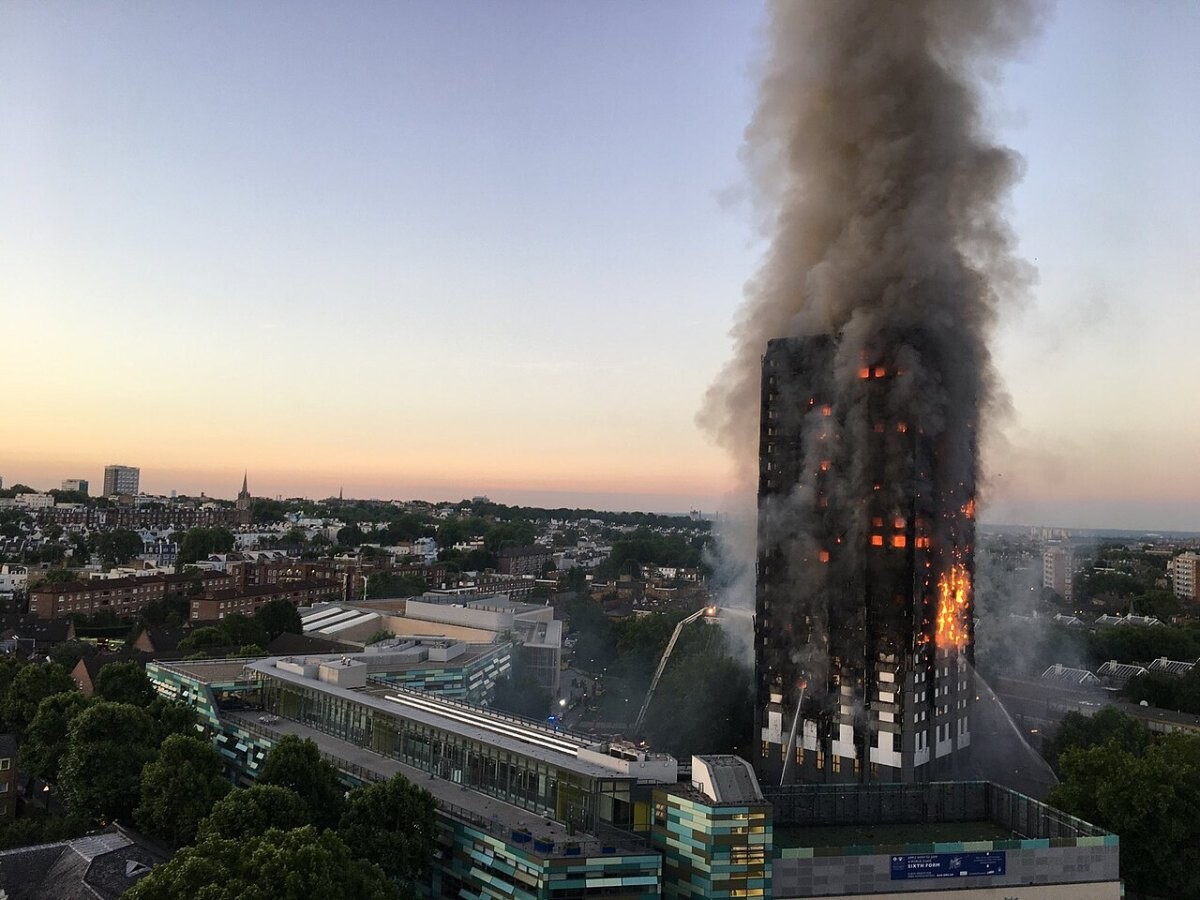
Trend summary
- Fires in workplaces, shops, hospitals, schools and other non-home buildings are rarer than home fires and kill far fewer people. In Britain the bigger story is the buildings people live in above the ground floor.
- English fire services attended 13,679 fires in “other buildings” in the year to March 2026, up 3.7%. That is 15% more than five years earlier, but 15% fewer than ten years earlier.
- Since the Grenfell Tower fire, the government has tracked high-rise blocks with unsafe cladding. At the end of August 2026, 4,724 buildings were on the list and only 39% had been fully fixed.
- Inspections keep finding problems: 40% of fire safety audits in England in 2025-26 were unsatisfactory.
What the numbers show
England’s fire statistics count “other buildings” separately from homes: workplaces, shops, hospitals, schools, care homes and farm buildings. MHCLG recorded 13,679 such fires in the year ending March 2026, with 17 deaths and 991 non-fatal casualties. Fires in blocks of flats are counted as dwelling fires, so they appear on our home fires page instead.
The cladding programme is measured in buildings. At the end of August 2026 the monthly remediation data listed 4,724 residential buildings of 11 metres or more with unsafe cladding, holding an estimated 250,000 homes. 54% had started or finished work and 39% had finished. A year earlier the completed share was 35%. The total number of buildings is not comparable over time, because social-sector blocks were re-categorised in December 2025.
What is driving it
The Grenfell Tower Inquiry found that companies involved in the tower’s refurbishment put profit ahead of safety and that some concealed how flammable their products were, alongside failures in product testing and regulation. The government accepted all 58 of its Phase 2 recommendations.
Progress is uneven. Blocks with the aluminium composite cladding used at Grenfell are 97% started or completed, but buildings in the later Cladding Safety Scheme are only 28% of the way there. Inspection also matters: fire safety audits found 40% of premises unsatisfactory, and prohibition notices rose 27%. Space heaters were the largest known cause of deaths in non-domestic building fires (29%).
Policy and budget changes
The main government measures and money figures behind this risk, newest first. Each item links to the official text we checked; where only a news report was available, the source says so.
Main policy changes
- 26 February 2025 Government response to Grenfell Inquiry Phase 2. The government published its response to the Grenfell Tower Inquiry Phase 2 report of September 2024, setting out how it will implement the report’s recommendations alongside wider work to make buildings safer. (Ministry of Housing, Communities and Local Government (GOV.UK))
- 23 January 2023 England: new fire safety duties for high-rise flats. England: the Fire Safety (England) Regulations 2022 came into force. Managers of blocks of flats must give fire safety information to residents and check fire doors, and in buildings of 18 metres or seven storeys and over they must also check firefighting lifts monthly, install secure information boxes and add floor signage. (legislation.gov.uk (SI 2022/547))
- 28 April 2022 Building Safety Act becomes law. The Building Safety Act 2022 received Royal Assent, creating a new regime for the safety of people in and around buildings and for building standards, including a Building Safety Regulator. (legislation.gov.uk (2022 c. 30))
- 29 April 2021 Fire Safety Act covers external walls and flat doors. The Fire Safety Act 2021 received Royal Assent. It makes clear that the Regulatory Reform (Fire Safety) Order 2005 covers the structure, external walls (including windows and balconies) and flat entrance doors of buildings with two or more homes. (legislation.gov.uk (2021 c. 24))
- 21 December 2018 England: combustible materials banned on tall residential walls. England: the Building (Amendment) Regulations 2018 came into force, requiring external walls and attachments such as balconies on new residential buildings with a storey at least 18 metres up to use materials rated A2-s1, d0 or A1. (legislation.gov.uk (SI 2018/1230))
Budget and costs
- 14 October 2026 Over £5bn of public money committed to cladding repairs. Introducing the Remediation of Unsafe Cladding Bill, the government said it has committed over £5 billion to remediation work, plus an extra £1 billion to help social housing providers (nominal). Owners who ignore a Remediation Order could face tribunal penalties of up to £500,000. (Ministry of Housing, Communities and Local Government (GOV.UK))
- 17 July 2025 Building Safety Levy to raise about £3.4bn. The Remediation Acceleration Plan update says the Building Safety Levy on new residential buildings takes effect on 1 October 2026 and should raise around £3.4 billion over roughly 10 years. Developers’ own remediation work under their contracts is estimated to cost them £4.1 billion. (MHCLG, Remediation Acceleration Plan update (GOV.UK))
- 29 June 2023 Fires in non-home buildings: £1.8bn in direct costs. A Home Office study put the total economic and social cost of fire in England at £12.0 billion in the year ending March 2020. Primary fires in buildings other than homes accounted for £1,779 million of direct marginal costs (2019-20 prices). (Home Office, Economic and social cost of fire (GOV.UK))
Recent cases
- 13 May 2026: the King’s Speech announces a Remediation Bill to speed up work on homes with unsafe cladding (GOV.UK).
- 27 January 2026: the Building Safety Regulator leaves the Health and Safety Executive and becomes a standalone body, a step towards a single construction regulator (GOV.UK).
- 26 February 2025: the government responds in full to the Grenfell Tower Inquiry Phase 2 report (GOV.UK).
Our read: what the numbers add up to
Two separate stories sit on this page, and they point in slightly different directions. Fires in non-domestic buildings are drifting up in the short run: 13,679 in the year to March 2026, up 3.7% and 15% more than five years earlier, yet still 15% below ten years earlier. Deaths rose from 14 to 17, a small number that can move a lot by chance. I would read this as a long-run decline that has stalled, not a new upward trend.
The bigger story is cladding, and there progress is real but slow. Of 4,724 residential blocks of 11 metres or more with unsafe cladding, 39% were fully fixed by the end of August 2026, against 35% a year earlier. At that pace many of the estimated 250,000 homes in those blocks will wait years. The split is striking: blocks with the aluminium composite cladding used at Grenfell are 97% started or completed, while buildings in the later Cladding Safety Scheme are only 28% of the way there. That suggests the most visible risk got urgent attention and the long tail did not. Inspection data points the same way: 40% of fire safety audits found premises unsatisfactory and prohibition notices rose 27%, which could mean more problems or tougher enforcement, and probably some of both. Space heaters, the largest known cause of deaths in these fires at 29%, are a reminder that ordinary hazards still matter.
Caveats: the total number of cladding buildings is not comparable over time because social-sector blocks were re-categorised in December 2025, and fires in blocks of flats are counted as dwelling fires, so they do not appear in the non-domestic figures. What I would watch is whether the Remediation Bill lifts the completed share faster than the past year’s gain. Bottom line: non-domestic fires are roughly holding steady, and the cladding repair is moving, but not at a speed that matches the risk.
Press releases and official reports, 2023–2026
Five key releases a year for the last four years, newest first. Most come from UK government departments, regulators, accident investigators and national statistics; a few news reports are included where they are the clearest public record of an event. Releases from 2007–2022 are in the expandable list after 2023.
2026
- 30 Sep 2026MHCLGBuilding Safety Remediation: monthly data release – August 2026
- 10 Sep 2026MHCLGProgress report September 2026: summary update
- 19 Aug 2026MHCLGDetailed analysis of fires, England, year ending March 2026
- 13 May 2026Prime Minister's OfficeThe King's Speech 2026
- 27 Jan 2026BSRBSR becomes standalone body in landmark step towards single construction regulator
2025
- 20 Oct 2025London Fire BrigadeBrigade issues fireworks warning after stray firework causes external cladding fire – Ilford
- 25 Sep 2025MHCLGBuilding Safety Remediation: monthly data release – August 2025
- 17 Jul 2025MHCLGDeadline set for unsafe cladding removal
- 26 Feb 2025MHCLGGovernment responds in full to Grenfell Tower Inquiry, setting out tough new reforms to fix building safety and strengthen accountability
- 7 Feb 2025MHCLGUpdate on the future of Grenfell Tower
2024
- 2 Dec 2024MHCLGRadical action to speed up removal of unsafe cladding announced
- 11 Oct 2024London Fire BrigadeLondon Fire Brigade responds to ‘fire service’ recommendations in the Grenfell Tower Inquiry Phase 2 report
- 4 Sep 2024Prime Minister's OfficePrime Minister's statement on Grenfell Tower Inquiry final report: 4 September 2024
- 26 Aug 2024London Fire BrigadeFlat fire – Dagenham
- 25 Jul 2024Home OfficeFire and rescue incident statistics, year ending March 2024
2023
- 28 Nov 2023Welsh GovernmentAll residential high-rise buildings in Wales on the route to remediation
- 18 Sep 2023HSEHigh-rise building registration: Two weeks left to register high-rise residential buildings
- 27 Jul 2023Home OfficeFire and rescue incident statistics: England, year ending March 2023
- 14 Mar 2023DLUHCDevelopers sign Gove’s building safety contract
- 30 Jan 2023DLUHCSix weeks for developers to sign contract to fix unsafe buildings
View 20 years of major UK building fire press releases (2007–2026)54 more from 2007–2022, up to five a year, newest first
2022
- 7 Oct 2022Welsh GovernmentWritten Statement: Building Safety in Wales
- 11 Aug 2022Home OfficeFire and rescue incident statistics: England, year ending March 2022
- 18 May 2022Home OfficeFire Safety (England) Regulations 2022
- 13 Apr 2022DLUHCAgreement with major developers to fund building safety repairs
- 10 Jan 2022DLUHCGovernment sets out new plan to protect leaseholders and make industry pay for the cladding crisis
2021
- 30 Sep 2021Home OfficeDetailed analysis of fires attended by fire and rescue services, England, April 2020 to March 2021
- 12 Aug 2021Home OfficeFire and rescue incident statistics: England, year ending March 2021
- 14 Jul 2021Welsh GovernmentWritten Statement: Phase 1 Welsh Building Safety Fund- Fire Safety Building Passports
- 5 Jul 2021MHCLGNew regulator at heart of building safety overhaul
- 10 Feb 2021MHCLGGovernment to bring an end to unsafe cladding with multi-billion pound intervention
2020
- 1 Oct 2020Home OfficeDetailed analysis of fires attended by fire and rescue services, England, April 2019 to March 2020
- 13 Aug 2020Home OfficeFire and rescue incident statistics: England, year ending March 2020
- 18 Jul 2020MHCLGExplained: The Draft Building Safety Bill
- 2 Apr 2020MHCLGGovernment update on building safety
- 21 Jan 2020MHCLGGrenfell Tower Inquiry Phase 1 report: government response
2019
- 12 Sep 2019Home OfficeDetailed analysis of fires attended by fire and rescue services, England, April 2018 to March 2019
- 8 Aug 2019Home OfficeFire and rescue incident statistics: England, year ending March 2019
- 18 Jul 2019MHCLGPrivate sector ACM cladding remediation fund: prospectus
- 17 Jul 2019MHCLGFourth report from the Independent Grenfell Recovery Taskforce
- 6 Jun 2019MHCLGBuilding a safer future: proposals for reform of the building safety regulatory system
2018
- 18 Oct 2018Home OfficeFire prevention and protection statistics, England, April 2017 to March 2018
- 6 Sep 2018Home OfficeDetailed analysis of fires attended by fire and rescue services, England, April 2017 to March 2018
- 9 Aug 2018Home OfficeFire and rescue incident statistics: England, year ending March 2018
- 17 May 2018MHCLGIndependent Review of Building Regulations and Fire Safety: final report
- 22 Mar 2018MHCLGSecond report from the Independent Grenfell Recovery Taskforce
2017
- 18 Dec 2017DCLGIndependent Review of Building Regulations and Fire Safety: interim report
- 6 Nov 2017DCLGInitial report from the Independent Grenfell Recovery Taskforce
- 12 Oct 2017Home OfficeDetailed analysis of fires attended by fire and rescue services, England, April 2016 to March 2017
- 10 Aug 2017Home OfficeFire and rescue incident statistics: England, April 2016 to March 2017
- 27 Jun 2017Home OfficeFires in purpose-built flats, England, April 2009 to March 2017
2016
- 17 Aug 2016Home OfficeFire statistics monitor: April 2015 to March 2016
- 29 Jun 2016Home OfficeFire statistics: England April 2014 to March 2015
- 31 Mar 2016DCLGFire statistics monitor: April to September 2015
2015
- 19 Nov 2015DCLGFire incidents response times: England 2014 to 2015
- 20 Aug 2015DCLGFire statistics monitor: April 2014 to March 2015
- 29 Jan 2015DCLGFire Statistics Great Britain: 2013 to 2014
2014
- 7 Aug 2014DCLGFire incidents response times: England 2013 to 2014
- 2 Jul 2014DCLGFire statistics monitor: April 2013 to March 2014
- 23 May 2014DCLGFire statistics Great Britain 2012 to 2013
- 28 Jan 2014DCLGFire statistics monitor: April to September 2013
2013
- 22 Aug 2013DCLGFire incidents response times: England 2012 to 2013
- 26 Jun 2013DCLGFire statistics monitor: April 2012 to March 2013
- 14 Mar 2013DCLGFire statistics monitor: April to September 2012
2012
- 13 Dec 2012DCLGFire statistics Great Britain 2011 to 2012
- 4 Jul 2012DCLGFire statistics monitor: April 2011 to March 2012
- 4 Jul 2012DCLGFire incidents response times: England 2011 to 2012
- 31 Jan 2012DCLGFire statistics monitor: April to September 2011
2011
- 25 Nov 2011DCLGFire statistics Great Britain 2010 to 2011
- 24 Jun 2011DCLGFire statistics monitor: April 2010 to March 2011
- 28 Jan 2011DCLGFire statistics monitor: April to September 2010
2010
- 7 Dec 2010DCLGFire safety: Approved Document B
- 26 Nov 2010DCLGFire statistics: UK 2008
- 20 Aug 2010DCLGFire statistics monitor: April 2009 to March 2010
- 14 May 2010DCLGFire statistics monitor: April to September 2009
Some early years list fewer than five items. Many UK government releases from that period are no longer online at their original addresses, and we only list items we could open and check.
Photo list
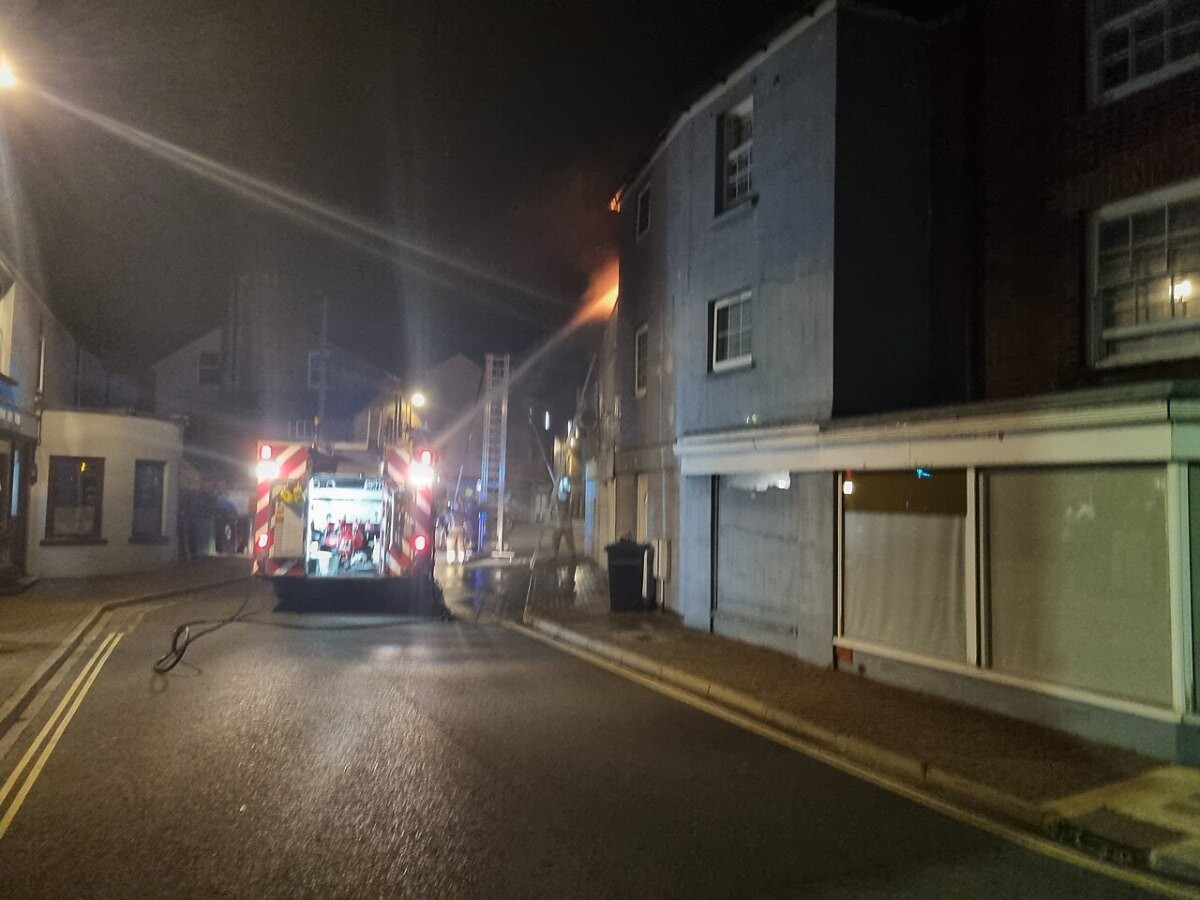
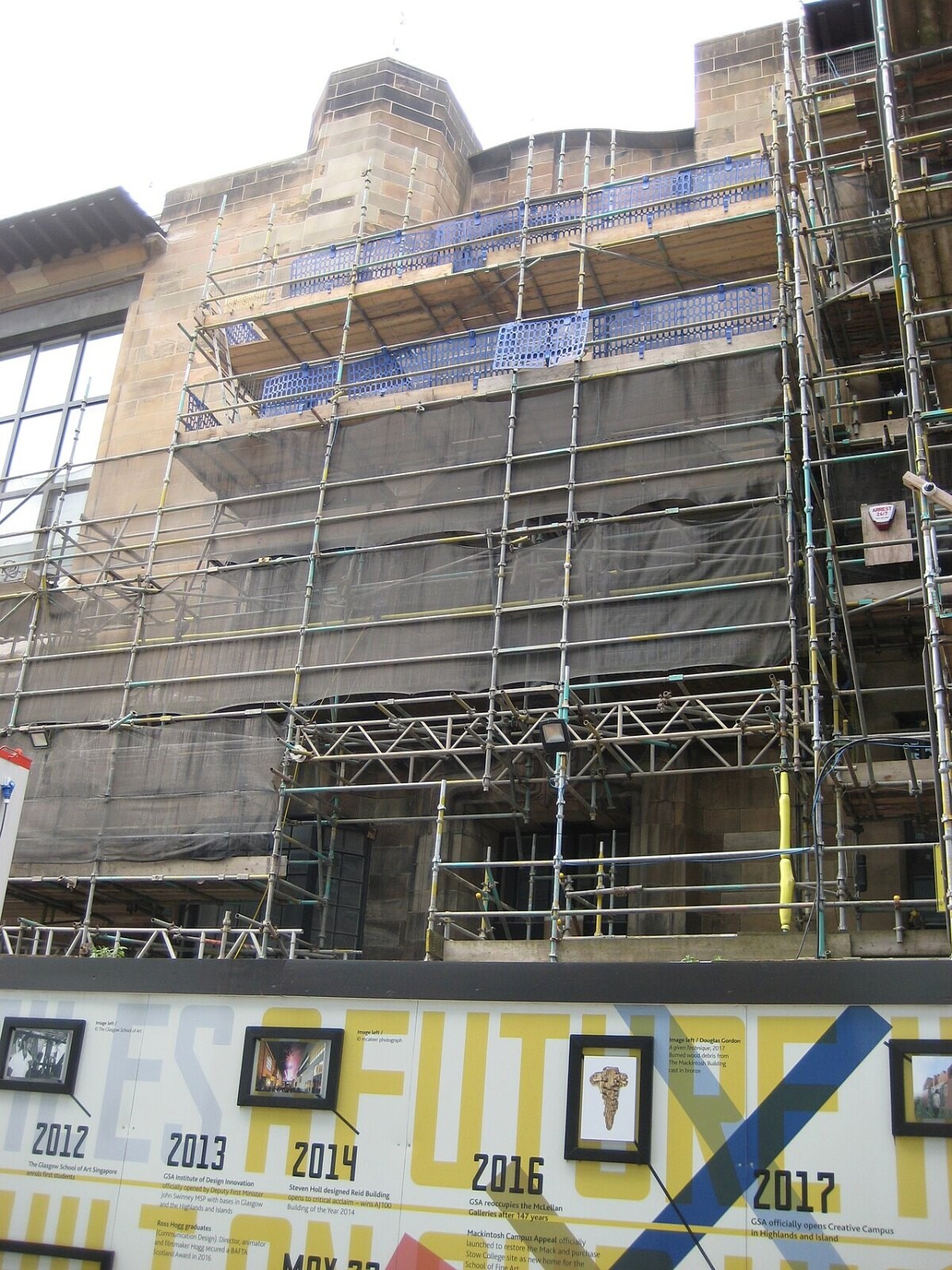
How this page is built. Figures come from the official statistical releases linked above; where agencies publish provisional numbers we say so, because they are revised. UK statistics are often published separately for England, Wales, Scotland and Northern Ireland, so we say which area each figure covers. Photos are public-domain, Creative Commons or Open Government Licence images credited in each caption; file photos are illustrative and are not from the events described unless the caption says so. This page tracks trends and is not personal safety, medical, legal or financial advice.