
Resisting a Robbery: What the Evidence Shows
Should you resist a robbery? A study of 27,595 crimes found injury came after resistance in only 10% of cases. What victim surveys show, and their limits.
Should you resist a robbery? A study of 27,595 crimes found injury came after resistance in only 10% of cases. What victim surveys show, and their limits.
Cold is linked to about 4.6 million deaths a year, far more than heat. What the evidence shows about cold-related deaths and where researchers disagree.
47% of US MLM participants lost money and 27% broke even. What surveys, FTC cases and experiments show about multi-level marketing and who pays.
Death rates rise about 41% in the six months after losing a spouse. What meta-analyses show about the widowhood effect, who is most at risk, and why.
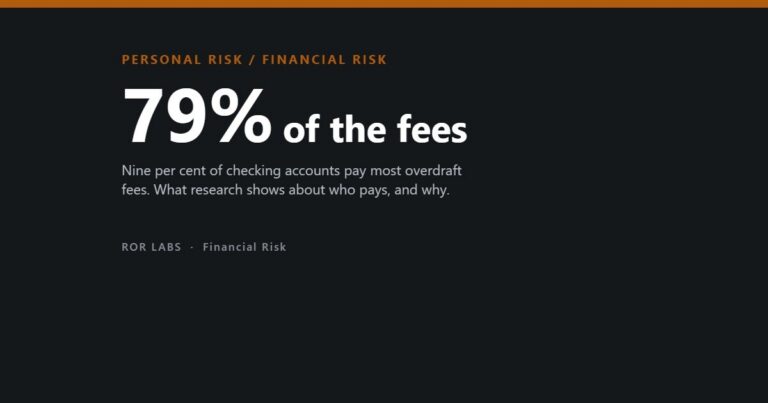
9% of US checking accounts pay 79% of overdraft fees. What research shows about who pays, why alerts help only a little, and what happened to the CFPB fee cap.

Folate food sources by the spoonful, the MRC trial that cut neural tube defects by 72%, flour fortification, and why the folic acid limit protects B12.
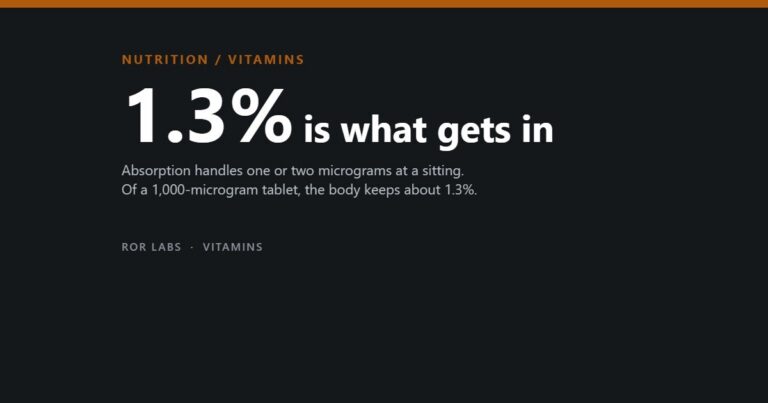
Clams and liver top the tablespoon table, but the gut absorbs B12 a microgram or two at a time. Who runs short, and what 1,000 mcg tablets really do.
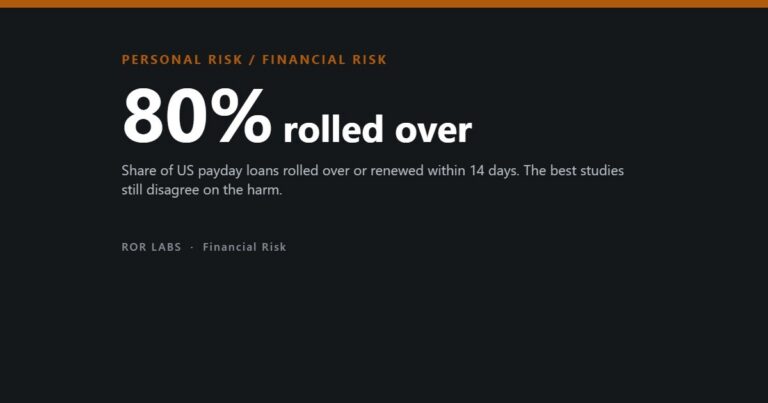
More than 80% of US payday loans are rolled over within 14 days. But careful studies disagree on the harm, and bans push borrowers elsewhere. What the evidence shows.
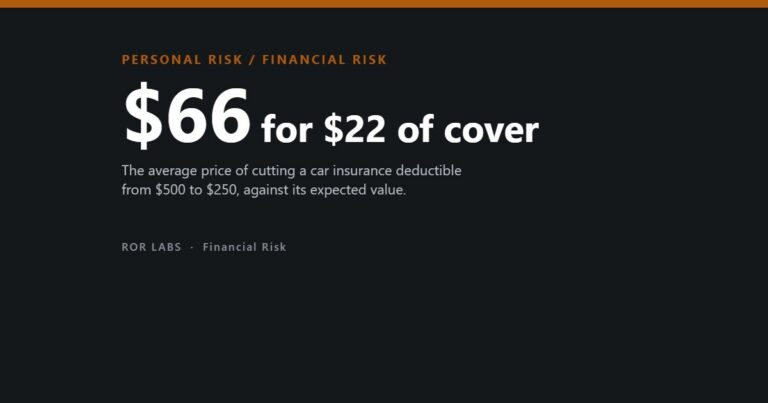
Most households pay far more to lower their insurance deductible than the extra cover is worth. When that is a mistake, and when it is not.
Missed payments begin rising about six years before a dementia diagnosis, and confidence in managing money does not fall as ability does. What the evidence shows.