
Workplace Bullying: What the Evidence Shows
Around one worker in seven reports bullying, depending on how it is measured. What meta-analyses show about prevalence, health effects, who bullies and which interventions work.
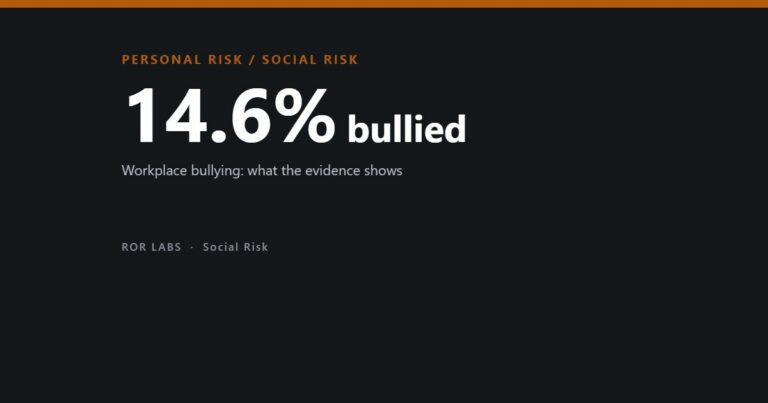
Around one worker in seven reports bullying, depending on how it is measured. What meta-analyses show about prevalence, health effects, who bullies and which interventions work.
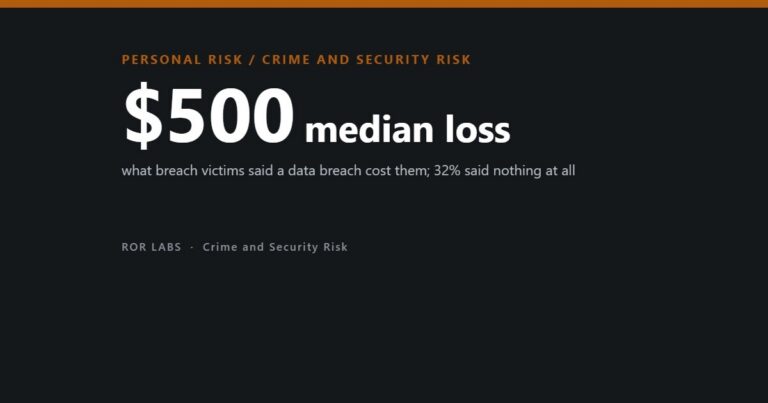
Most data breach victims report little loss, but just under 6% report $10,000 or more. What research shows about breaches, fraud and what protects you.
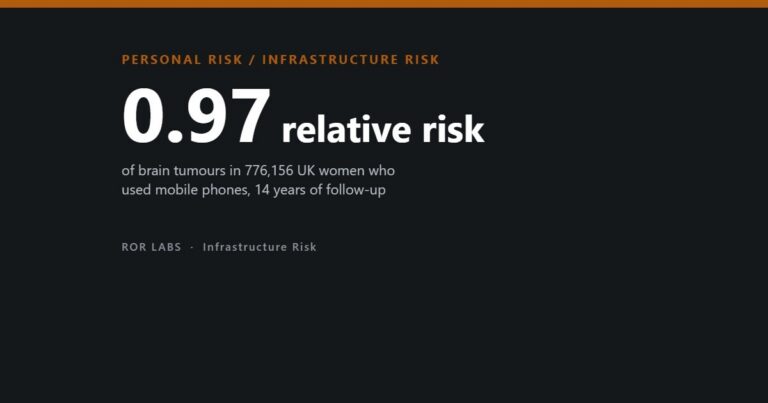
In 776,156 UK women followed for 14 years, phone users had no higher brain tumour risk. What the research shows about mobile phones and cancer.
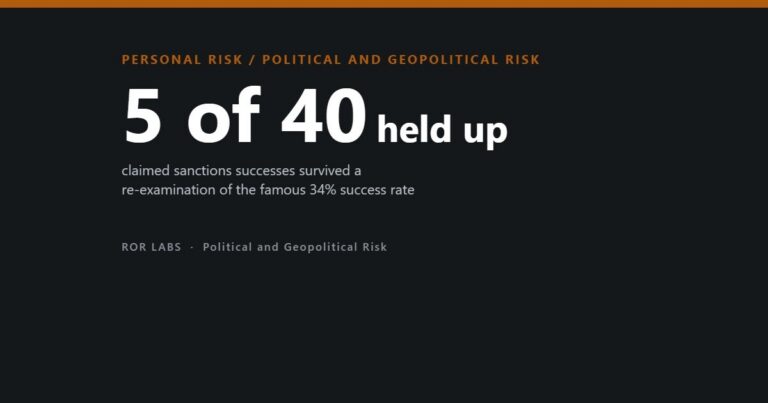
The famous 34% sanctions success rate fell to about 4% on re-examination. What research shows about whether sanctions work and who pays.
Estimates of gaming disorder range from 0.3% to 10%. What research shows about the WHO diagnosis, who is affected, and whether time limits work.
A third of 14,733 employees clicked a test phishing email, and training pages made some click more. What large field studies show about phishing training.
In 2014 about 400,000 people in Toledo were told not to drink their tap water. What research shows about toxic algae in drinking water and how to protect your household.
For every 82 admitted patients delayed 6 to 8 hours in the ED, one extra death follows. What research shows about emergency department boarding and what patients can do.
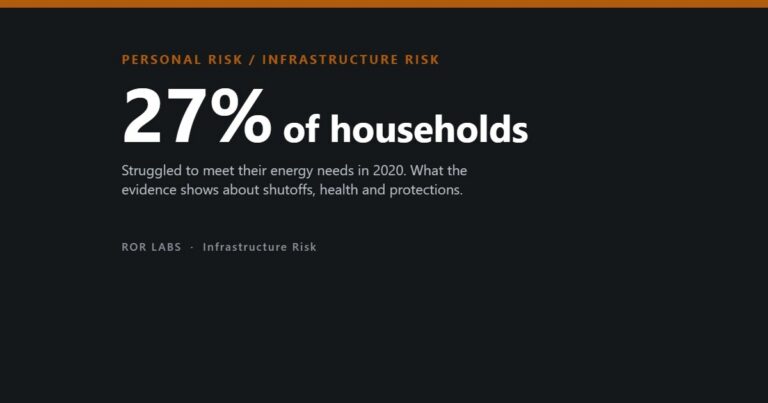
27% of US households struggled to meet their energy needs in 2020. What research shows about utility shutoffs, health, and whether protections work.
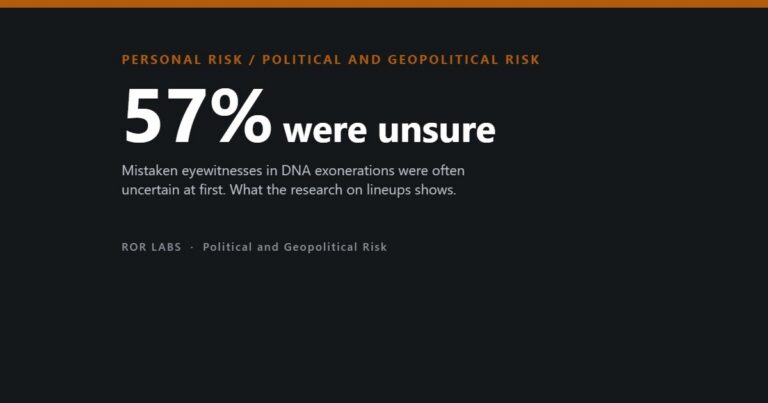
Mistaken eyewitnesses played a role in 76% of the first 250 US DNA exonerations. What research shows about confidence, lineups and wrongful convictions.